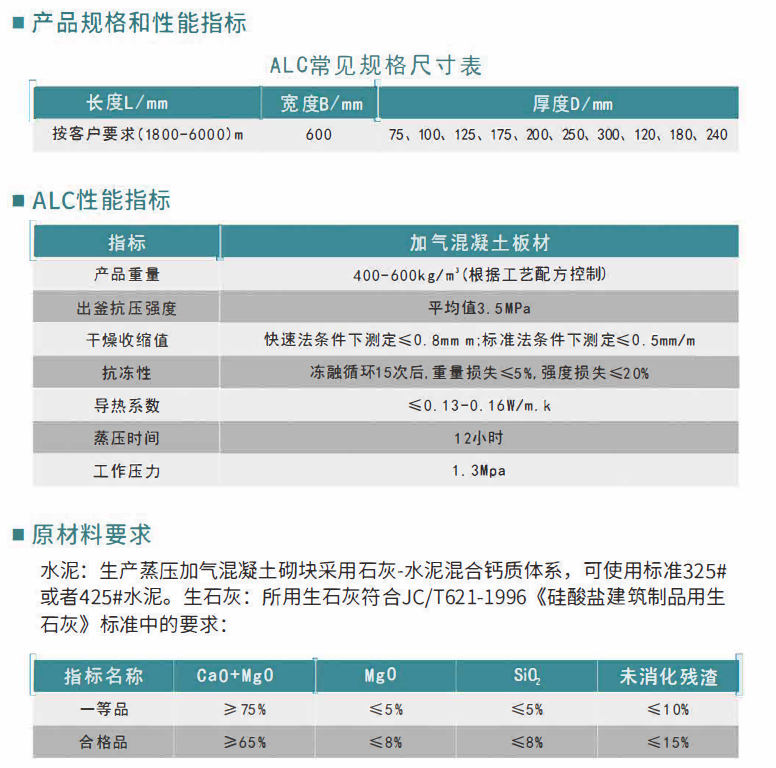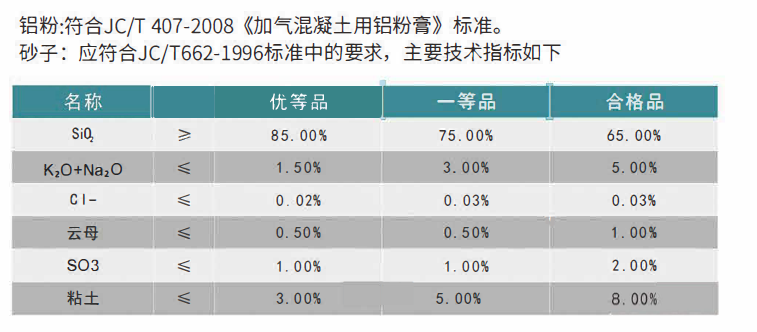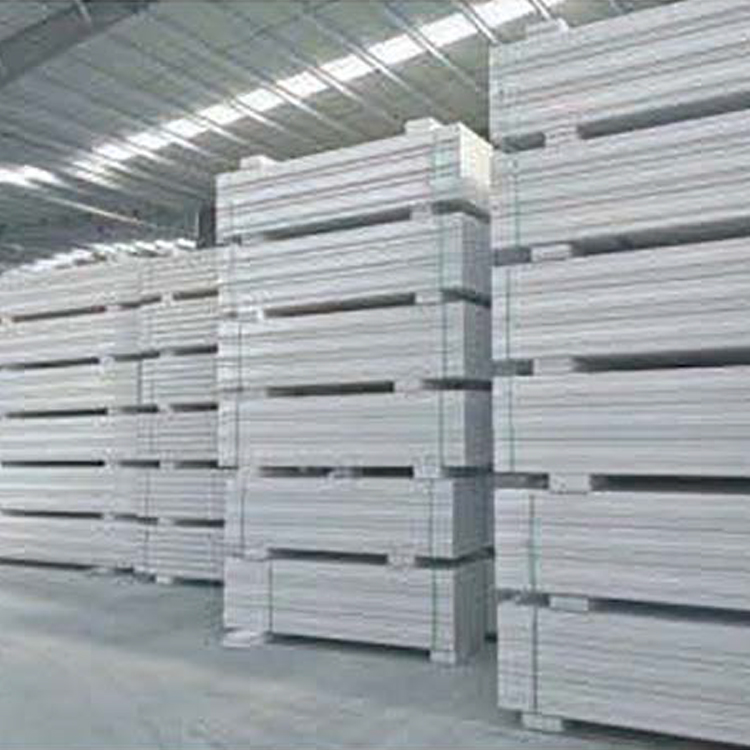

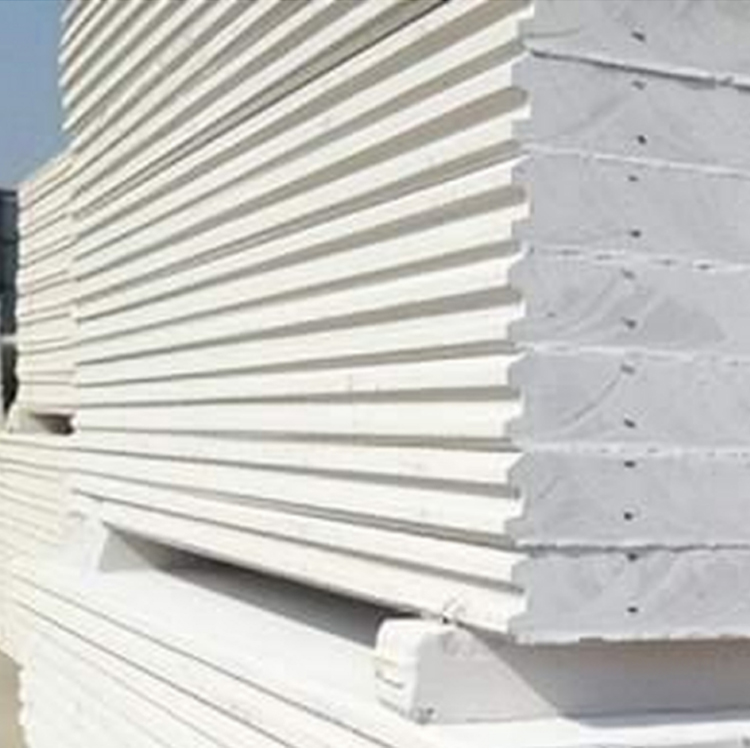


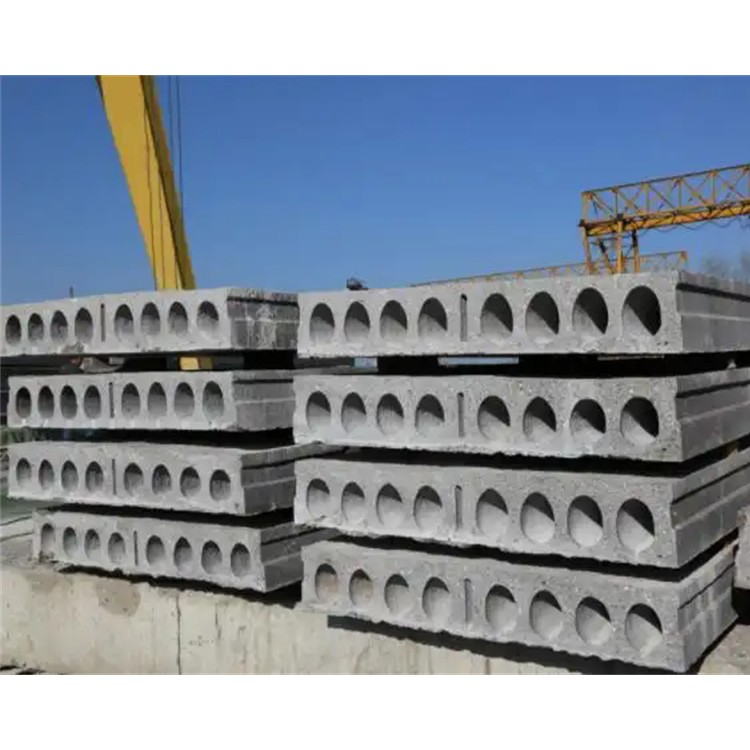
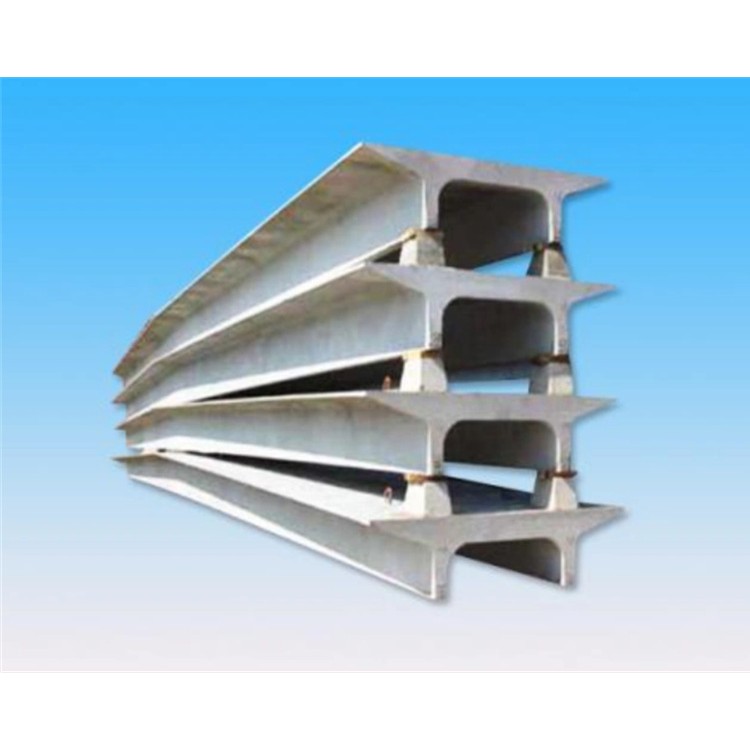
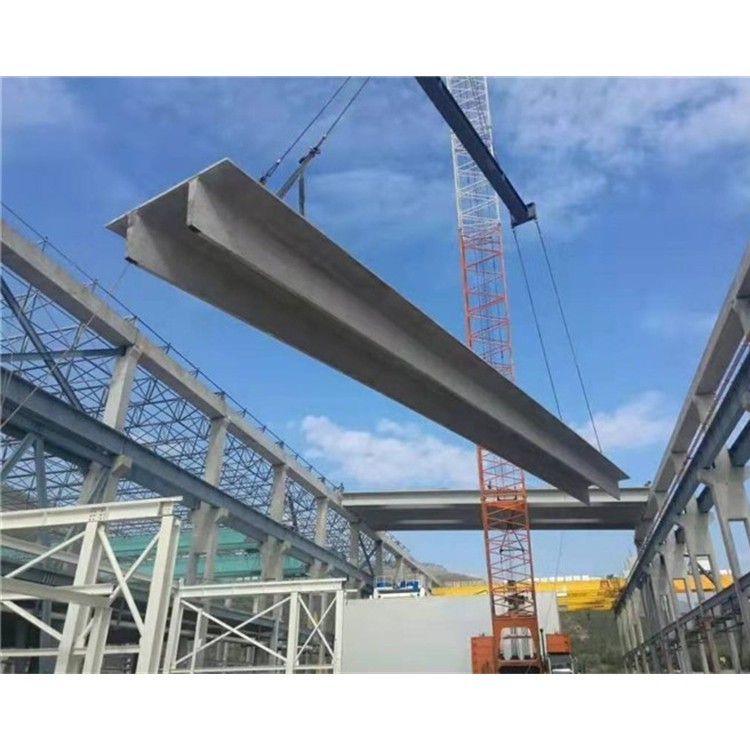
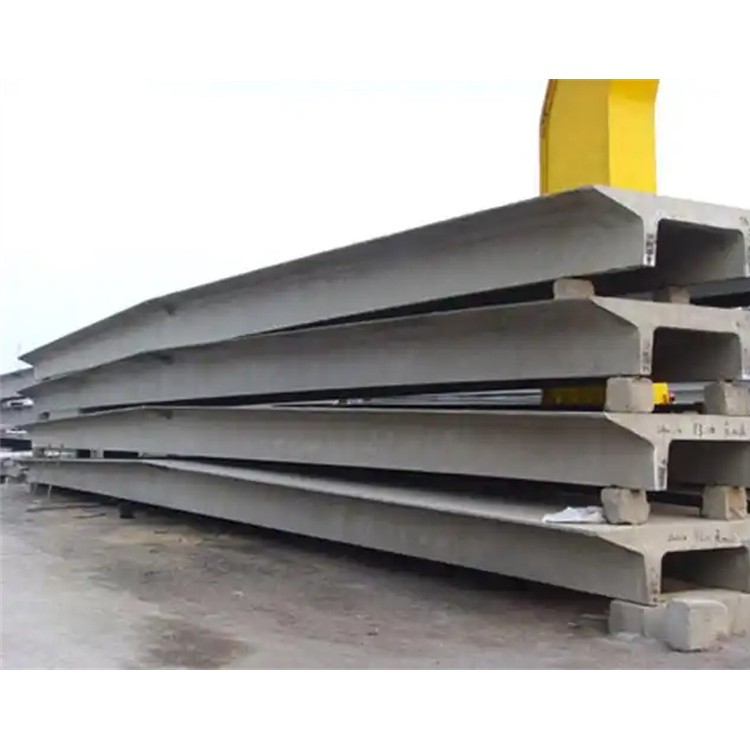






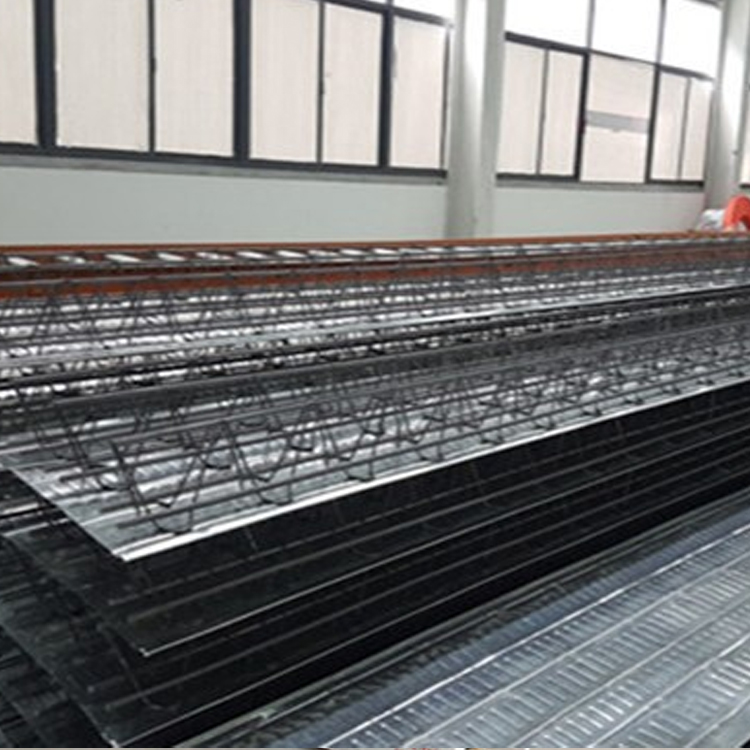

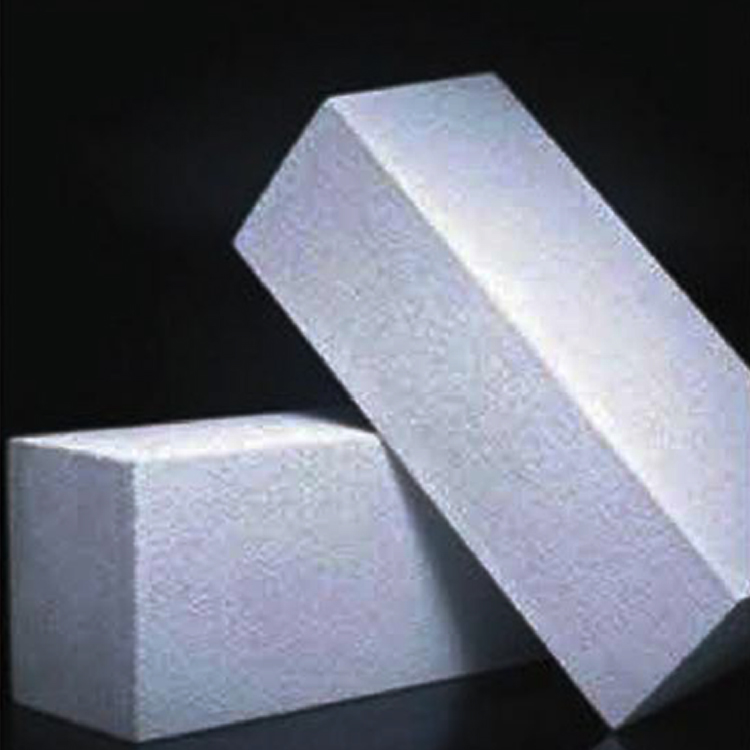
ALC panels are primarily made from fine quartz sand or fly ash, cement, lime, and gypsum, with aluminum powder as the foaming agent. They are produced through a process of batching, mixing, film-coating, pre-curing, and cutting, followed by curing under high temperature (180°~200°) and high pressure (10~12 atmospheres) for 10~12 hours. These dense, porous boards offer exceptional energy-saving and environmental protection benefits, making them a high-performance, lightweight, green, and environmentally friendly walling material.
ALC panels are characterized by their lightweight and high strength, widely used in prefabricated construction, especially in heavy steel prefabricated systems. ALC panels can serve as both exterior walls for steel structures and interior partition walls. Thanks to the porous nature of ALC boards, they offer excellent thermal insulation properties. When used as exterior walls, they are much thinner than brick walls, yet still meet national energy-saving and thermal insulation requirements. They are compatible with prefabricated steel and frame structures, and are included in the evaluation criteria for prefabricated buildings.
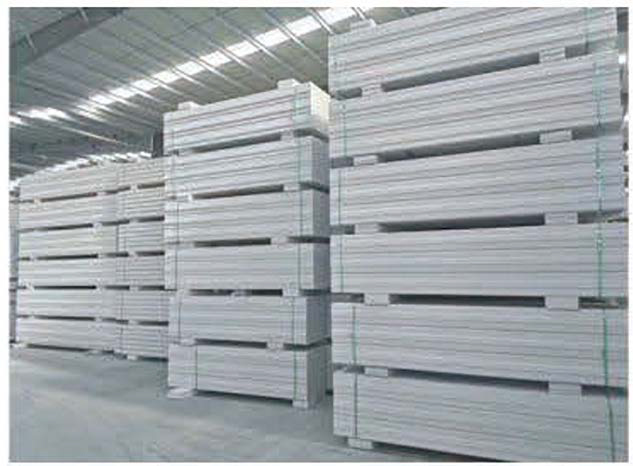
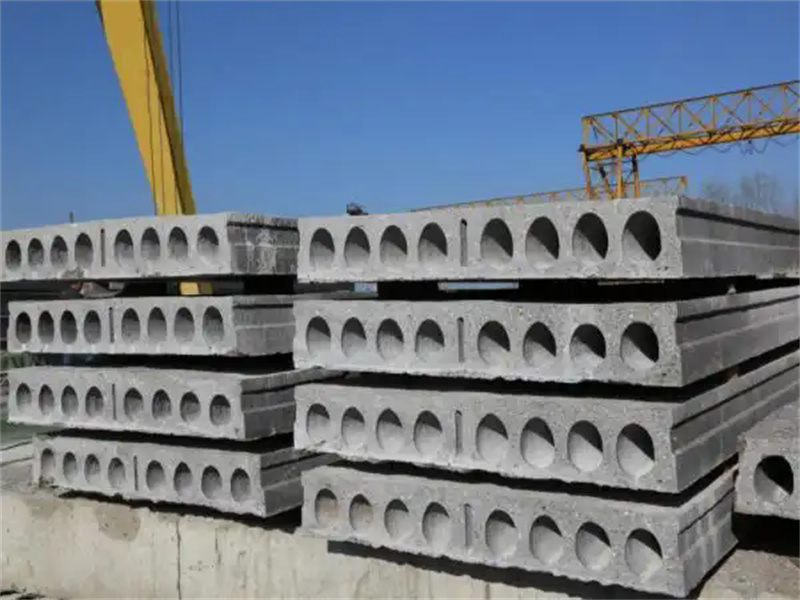
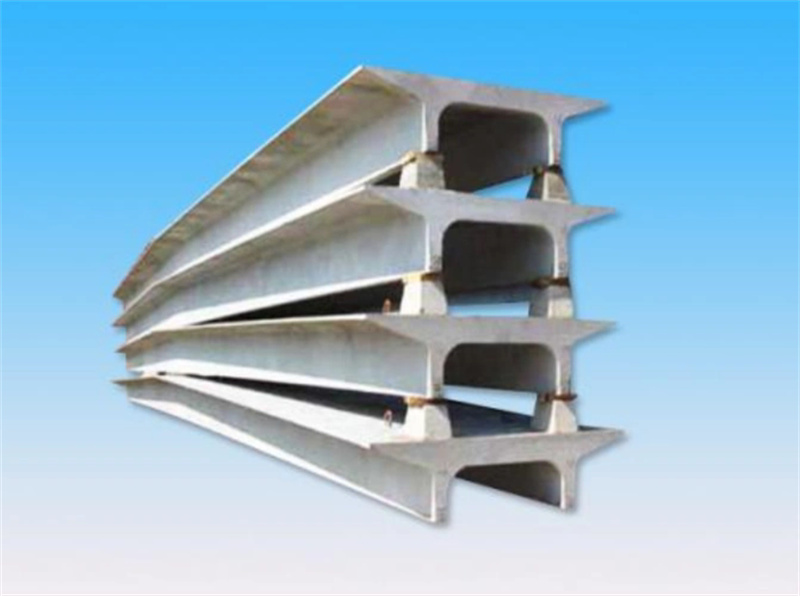
ALC panels are categorized by application into types such as internal partition boards, self-insulating external walls, roof/floor boards, and fire-resistant boards. They can be directly used for the interior walls of various building structures like hotels, schools, inns, office buildings, commercial spaces, and residential buildings, as well as for the exterior walls of these structures.