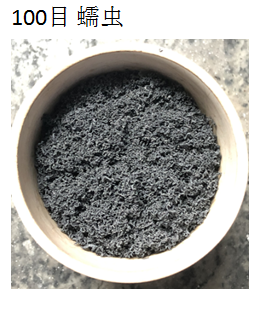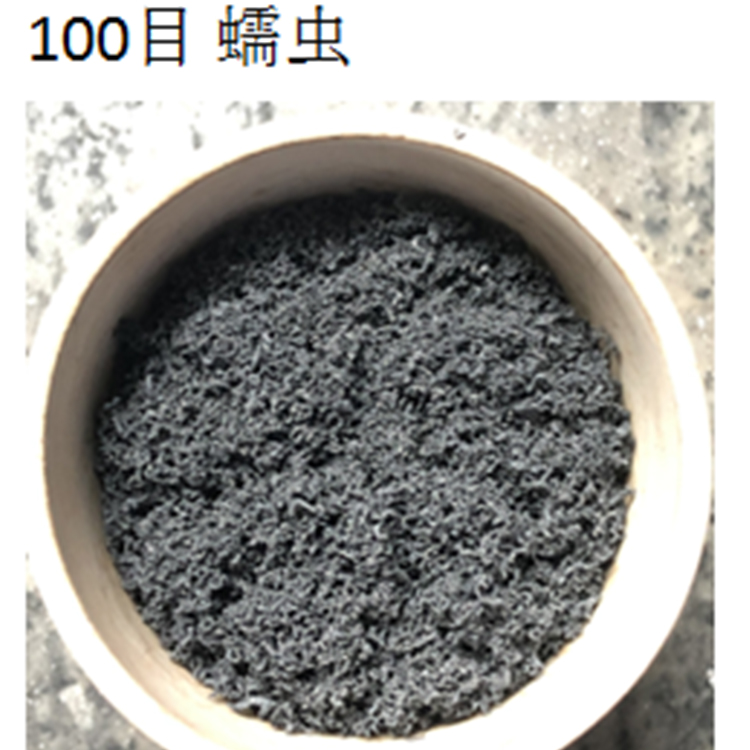


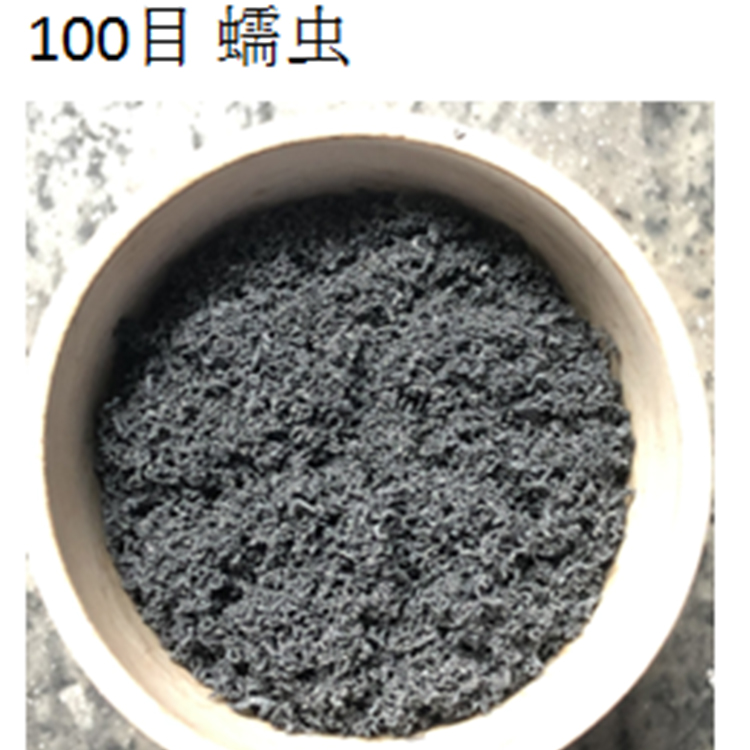

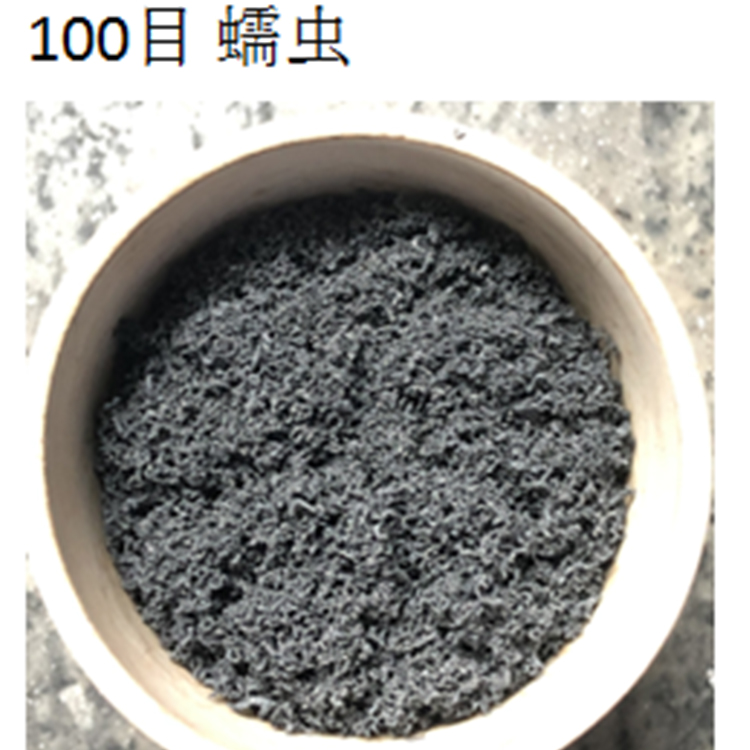











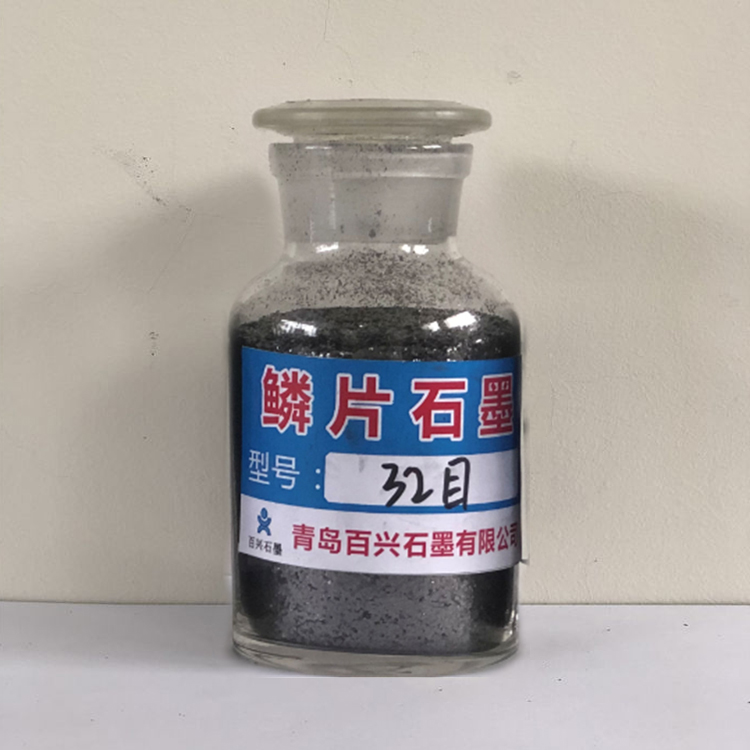
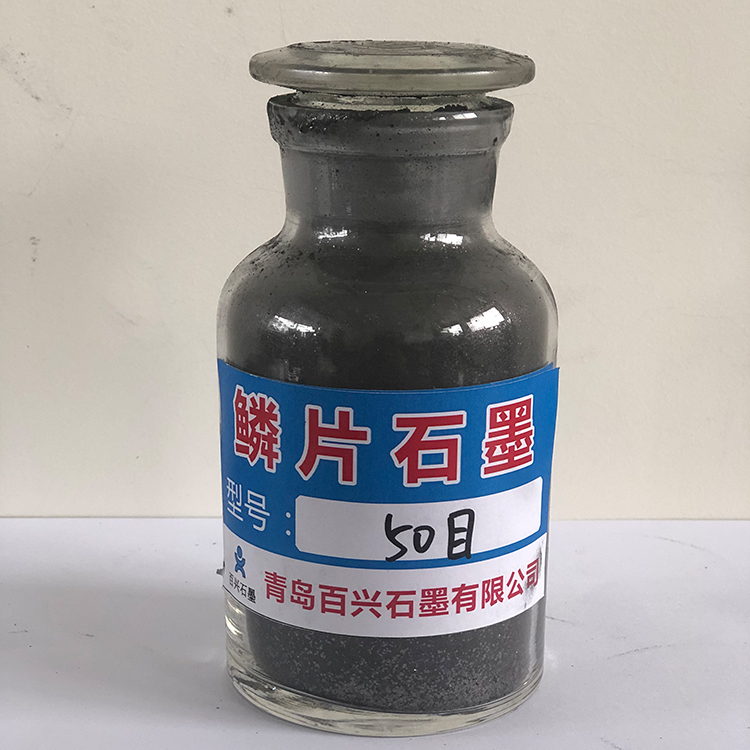

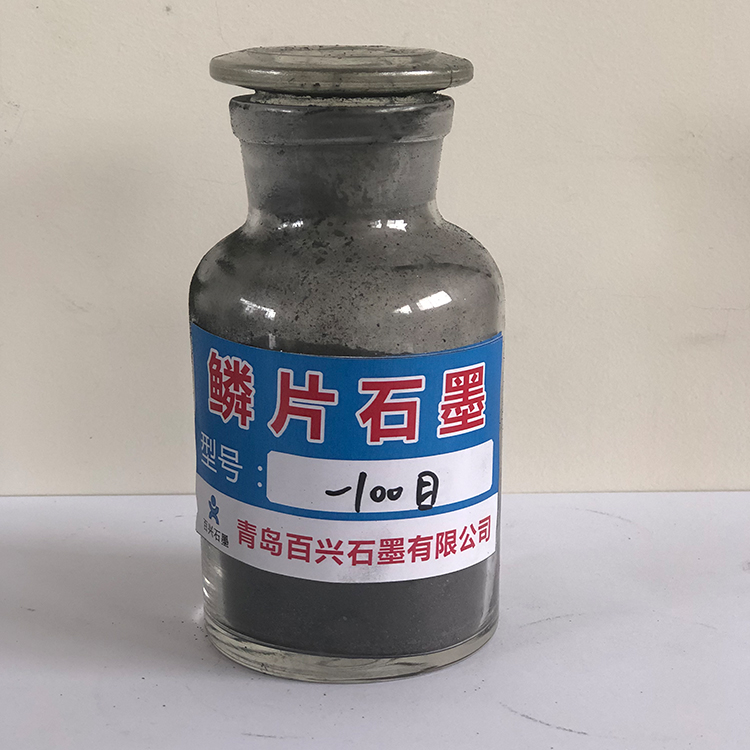
Worm-like graphite, also known as worm-shaped graphite, is a product of expanded graphite after expansion. It is obtained by intercalation, water washing, drying, and high-temperature expansion of natural flake graphite, resulting in a loose and porous worm-like substance. In addition to the inherent properties of natural graphite, such as resistance to cold and heat, corrosion resistance, and self-lubrication, worm-like graphite also possesses certain characteristics not found in natural graphite, including softness, compressive resilience, adsorption, ecological compatibility, biocompatibility, and radiation resistance.
Expanding graphite can instantly expand in volume at high temperatures, transforming from a flake shape to a worm-like form. Its structure becomes loose and porous, with an increased surface area and enhanced surface energy, and its adsorption capability for flake graphite is strengthened. The worm-like graphite can self-interlock, thereby increasing its flexibility, resilience, and plasticity.