




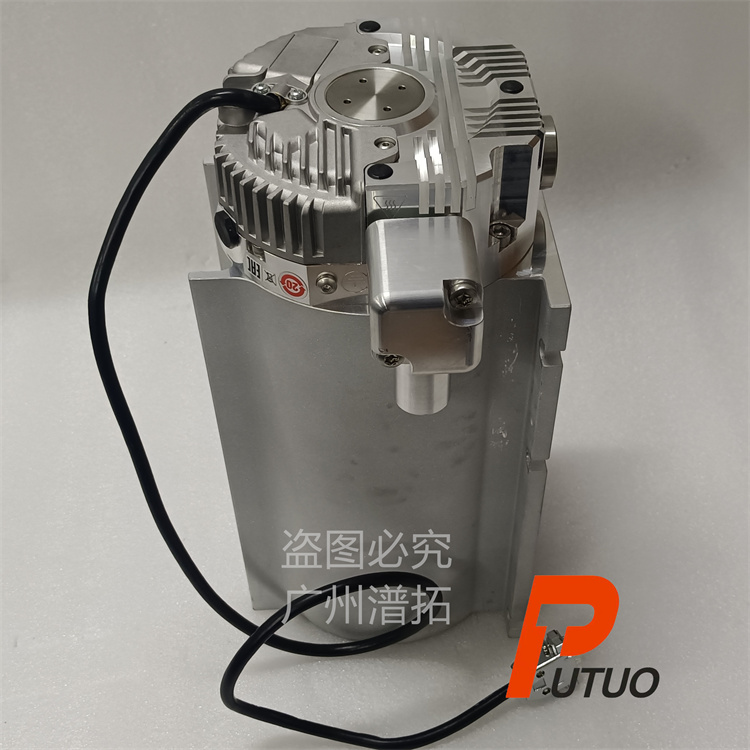
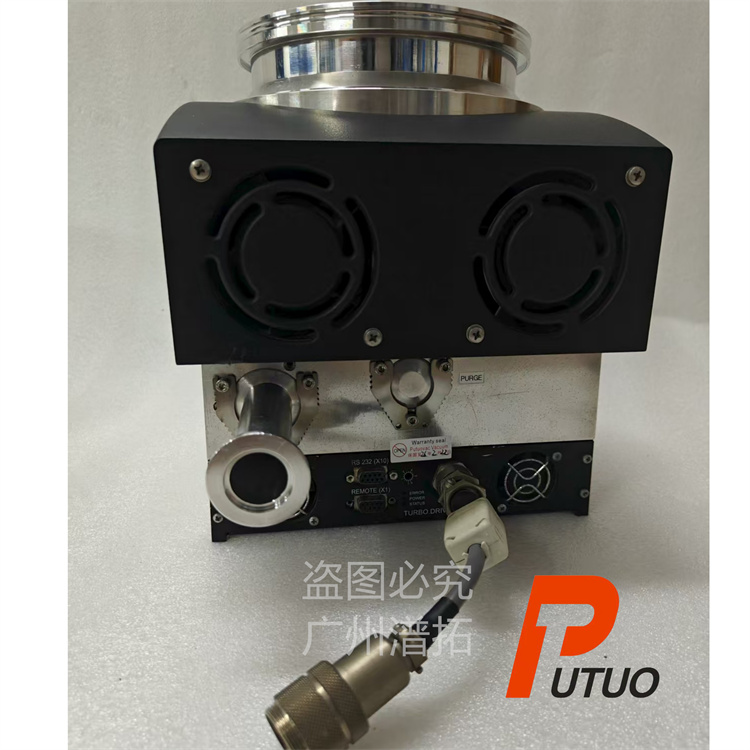
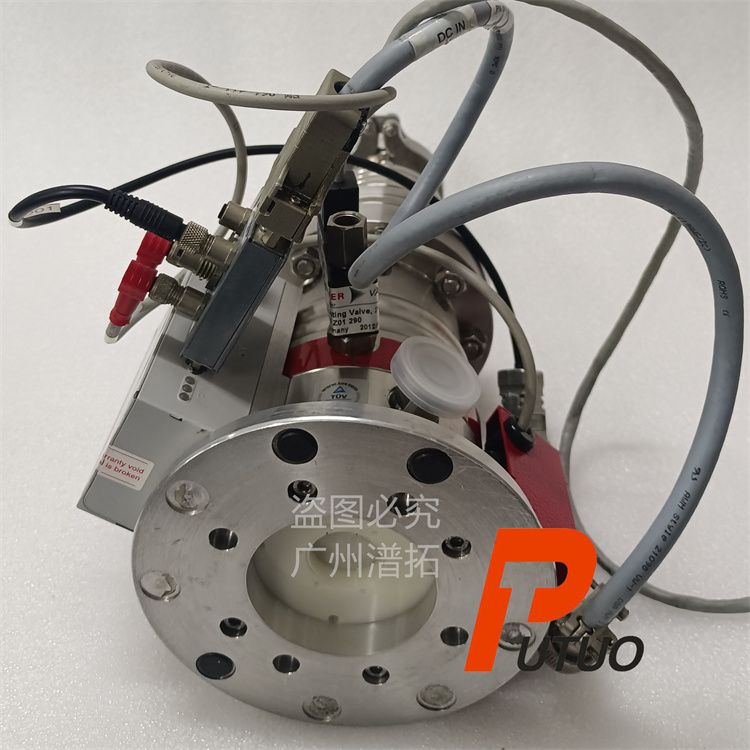
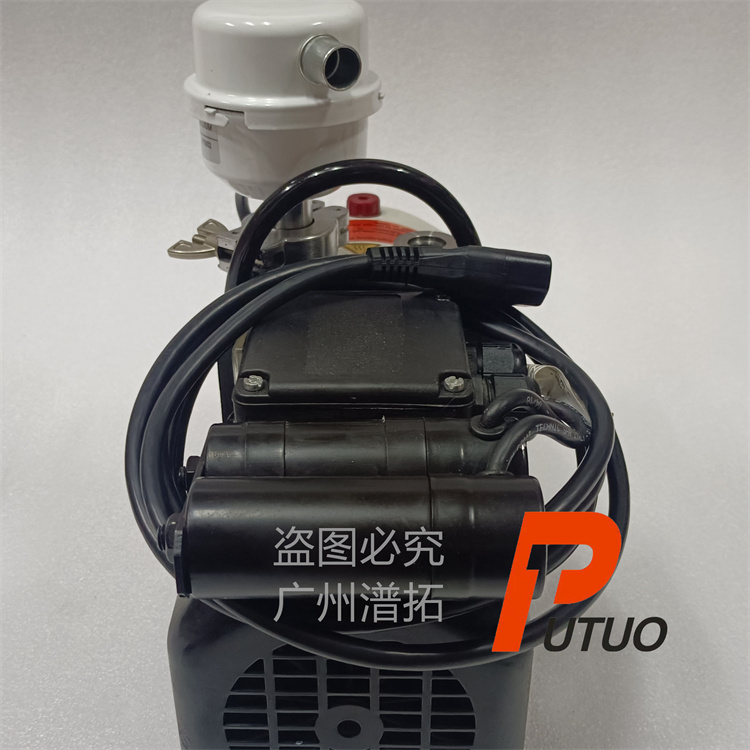





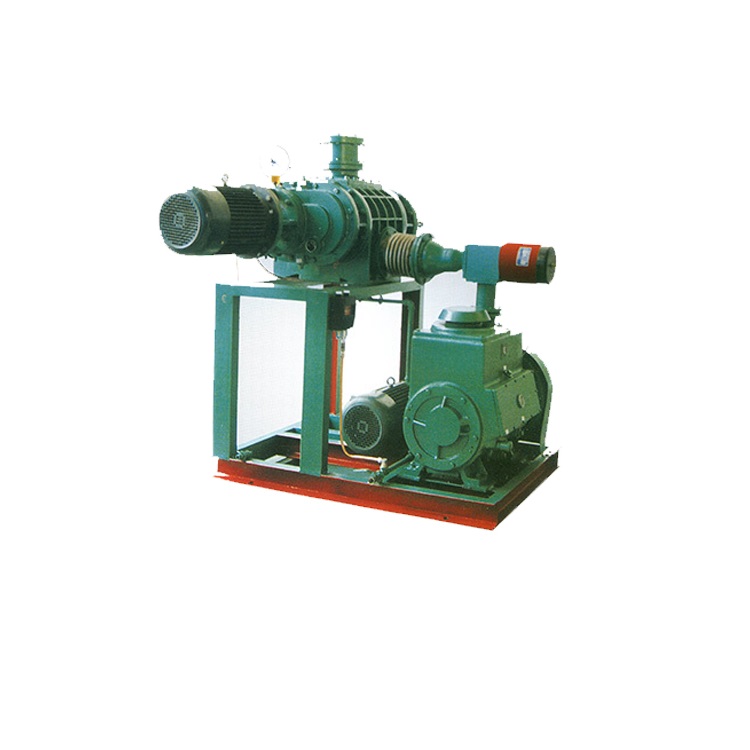
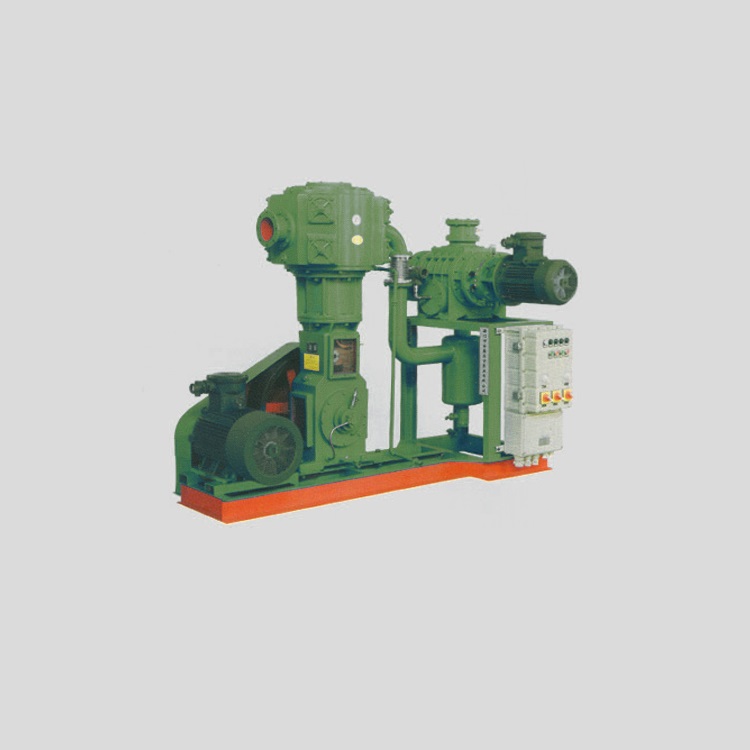
■Overview
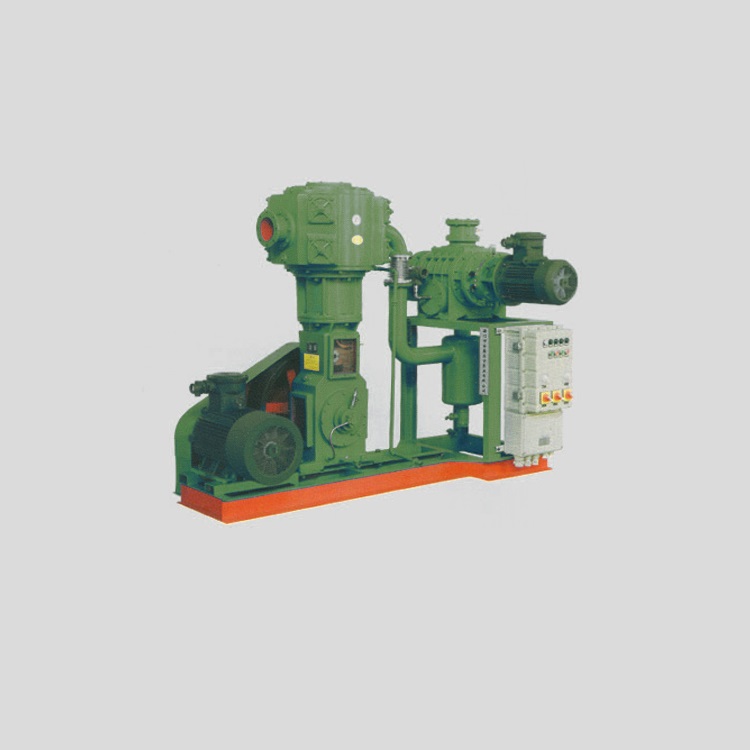
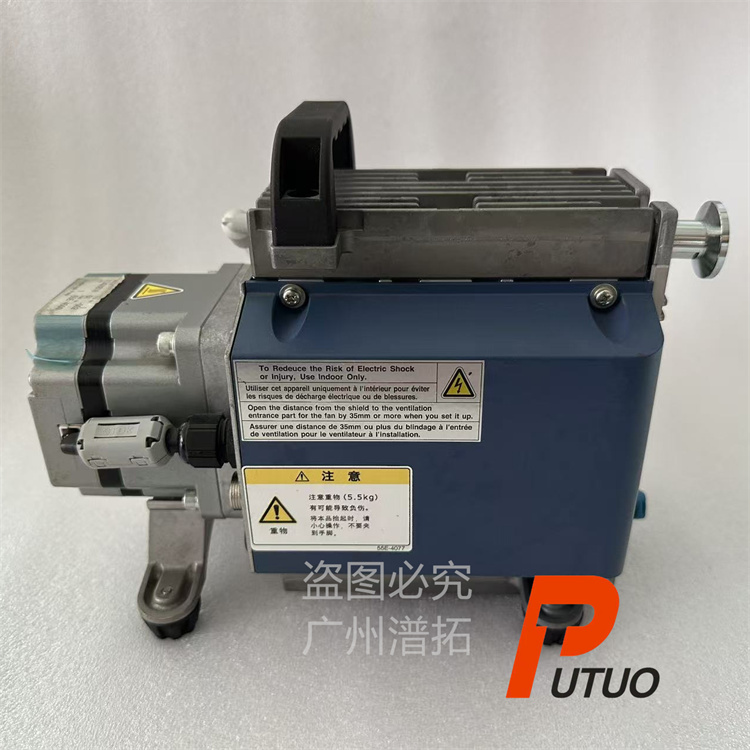
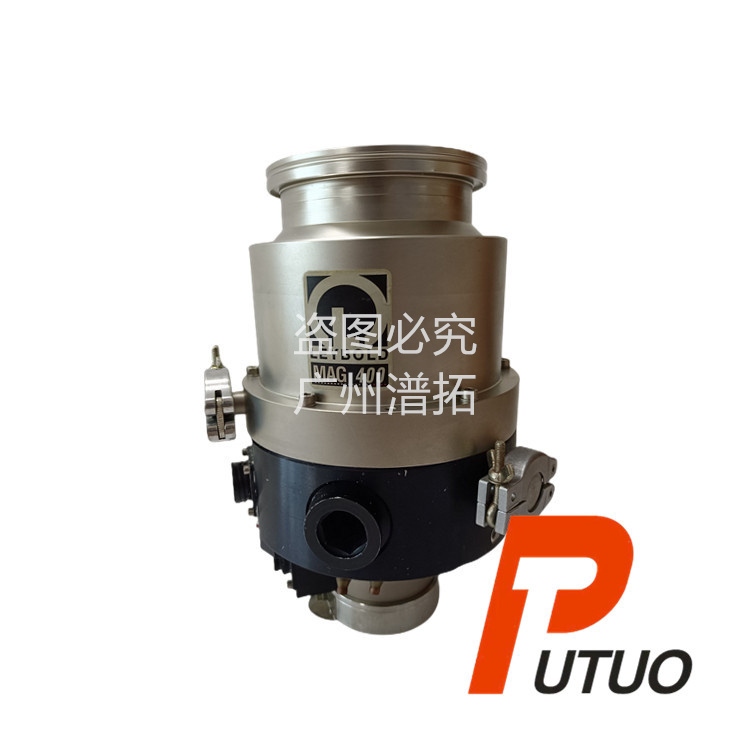
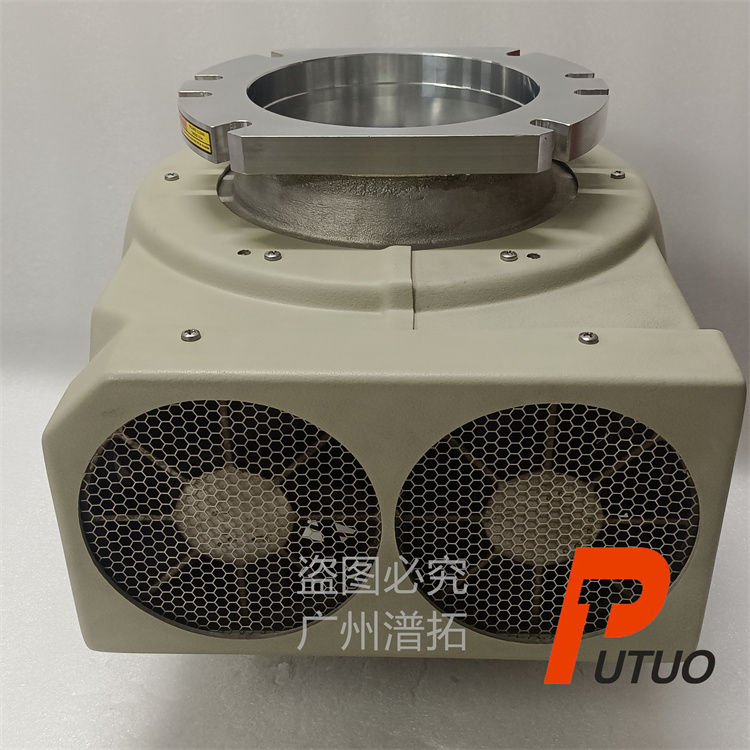
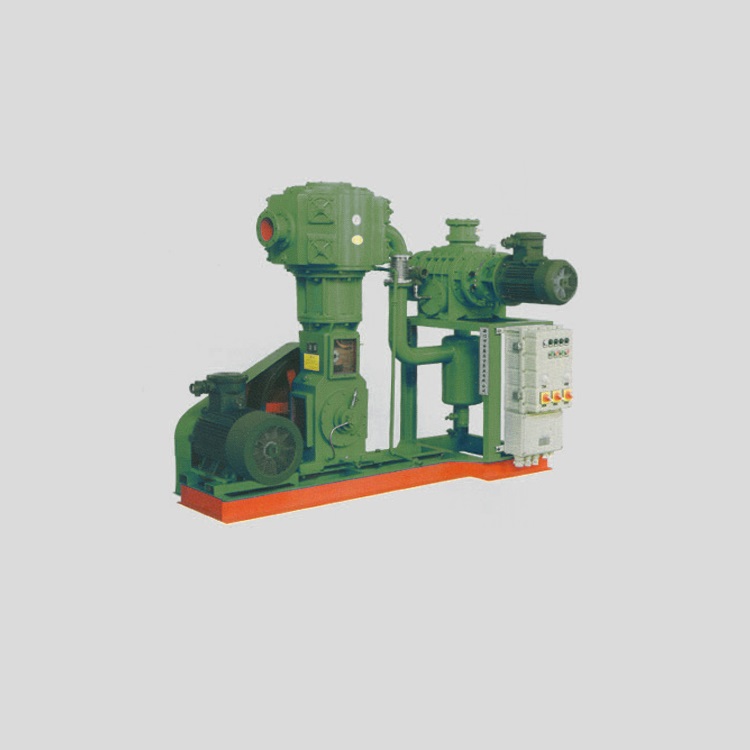
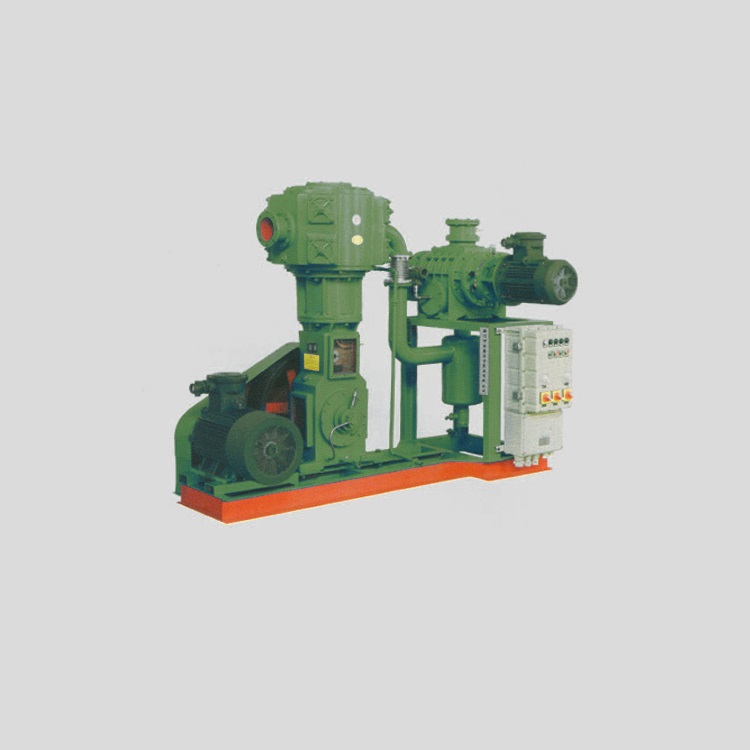
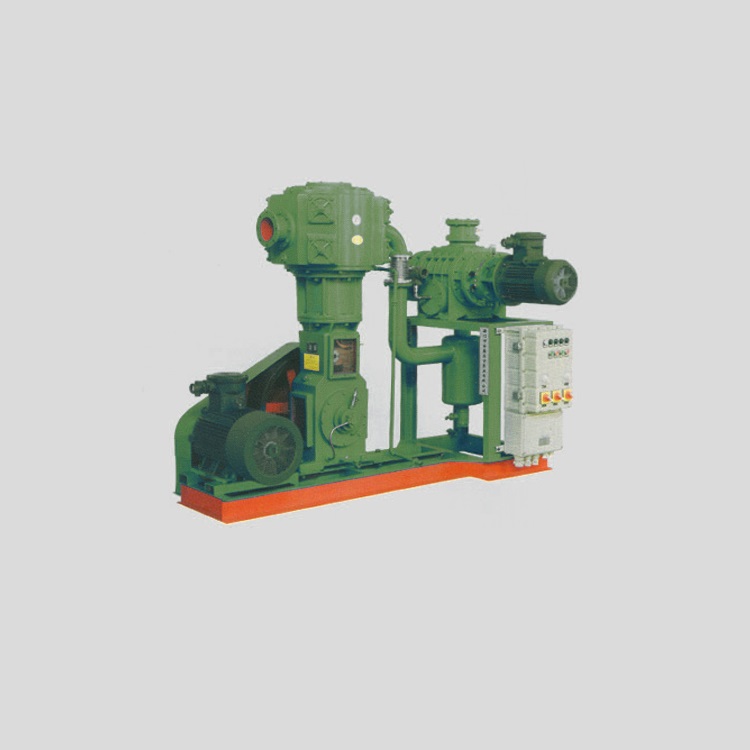
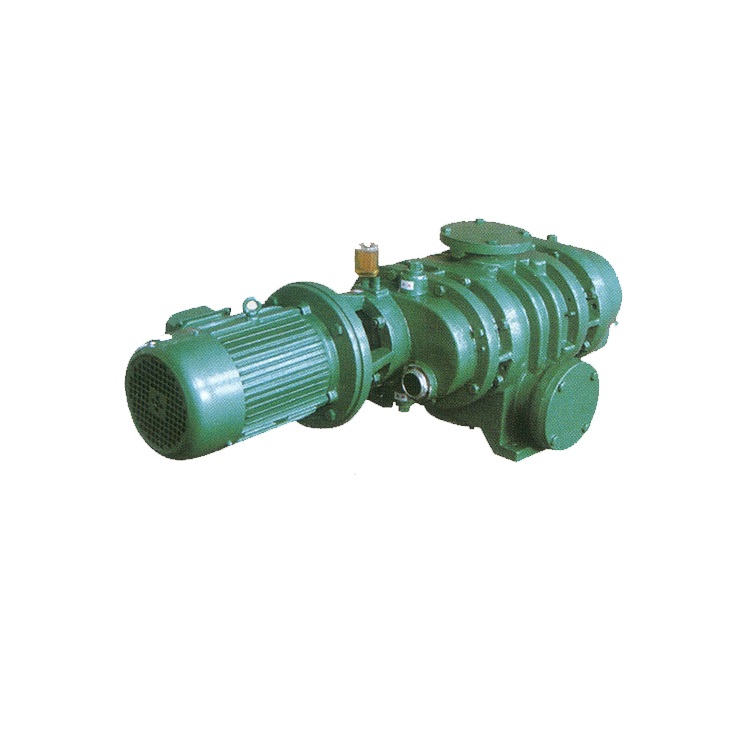
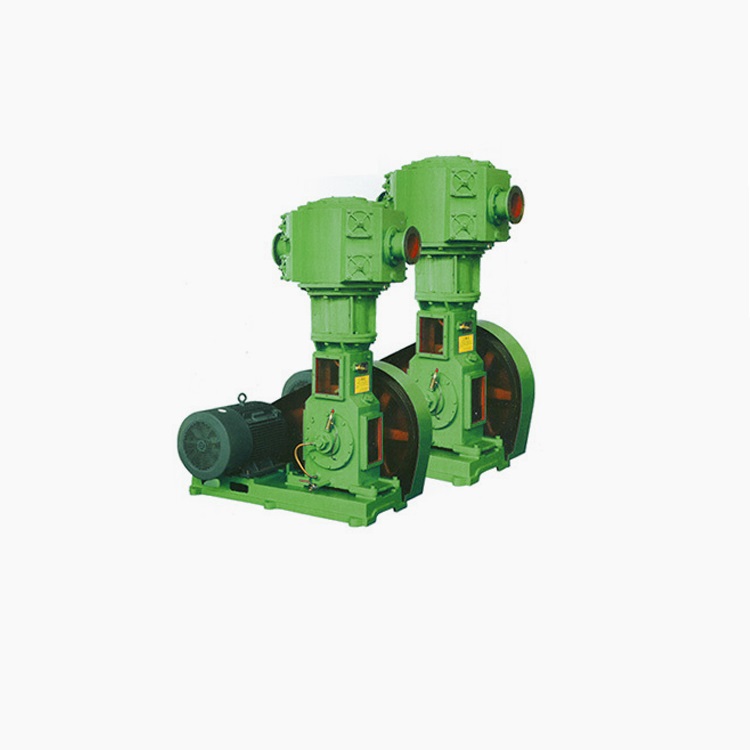
The JZJWLW oil-free vertical vacuum unit is primarily equipped with a Roots vacuum pump (also known as a Roots booster pump) as the main pump, complemented by an oil-free vertical vacuum pump of the WLW type as the preliminary pump. It utilizes an electric contact pressure gauge and an electric contact vacuum gauge to automate the start-up and shutdown of the Roots vacuum pump and oil-free vacuum pump, as well as to provide automatic protection and safety for the entire unit. It is widely used in vacuum distillation, crystallization, drying, polyester film sticking, and other processes in industries such as electronics, vacuum coating, chemical fiber, metallurgy, heat treatment, welding, and chemical engineering.
It features certain characteristics of general Roots vacuum pump units, but due to the use of an oil-free vacuum pump (this product employs oil-free lubrication and sealing technology in the overflow section) as the primary pump, it can enhance vacuum purity, achieving clean vacuum conditions. It is particularly suitable for industrial processes that require the removal of gases that react with oil and gases that are non-condensable and non-compressible solidifying substances (such as CO2/cyclopentadiene, benzene, toluene, alcohols, etc.).
■Operating Principle and Structural Features
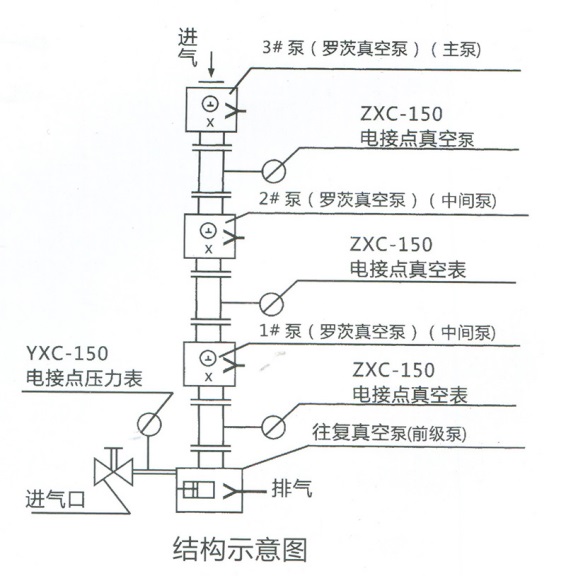
The JZJW type oil-free reciprocating pump vacuum unit consists of two main parts: the pump section (suction section) and the power control section. The pump section of the JZJW four-stage unit is composed of three Roots vacuum pumps and one WLW type oil-free reciprocating vacuum pump in a four-stage series configuration. The oil-free vacuum pump is referred to as the preliminary pump, the Roots vacuum pump connected to the suction vessel is called the main pump stage, and the Roots vacuum pump connected to the preliminary and main pump stages is called the intermediate stage. Removing one Roots vacuum pump from the intermediate stage forms a JZJW three-stage unit; removing two Roots vacuum pumps from the intermediate stage forms a zW two-stage unit. The ultimate vacuum of the two-stage unit is 133Pa, the ultimate vacuum of the three-stage unit is 15Pa, and the ultimate vacuum of the four-stage unit is 1Pa.
Due to the fact that standard Roots vacuum pumps cannot be started under atmospheric pressure, they must be pre-evacuated to a vacuum at the exhaust end before starting. Therefore, a preliminary vacuum pump (abbreviated as "pre-pump") must be installed at the outlet of the Roots vacuum pump. For the JZJW four-section unit, the pre-pump for the main pump stage is the 2nd Roots vacuum pump, the pre-pump for the 2nd Roots pump is the 1st Roots vacuum pump, and the pre-pump for the 1st Roots pump is an oil-free vacuum pump. For the JZJW three-stage unit (excluding the 2nd Roots vacuum pump), the pre-pump for the main pump stage is the 1st Roots vacuum pump, and the pre-pump for the 1st Roots pump is an oil-free vacuum pump. For the JZJW two-stage unit (excluding two intermediate pumps), the pre-pump for the main pump stage is an oil-free vacuum pump.
The suction speed ratio between different stages of vacuum pumps (compared to the suction speed of the preceding pump) should comply with a certain proportion. Considering the insufficient power and suction-discharge capacity of the preceding pump under high suction speed ratios, which can adversely affect the subsequent vacuum pump, it is generally not advisable to exceed a suction speed ratio of 3, with a ratio of around 2 being preferable.
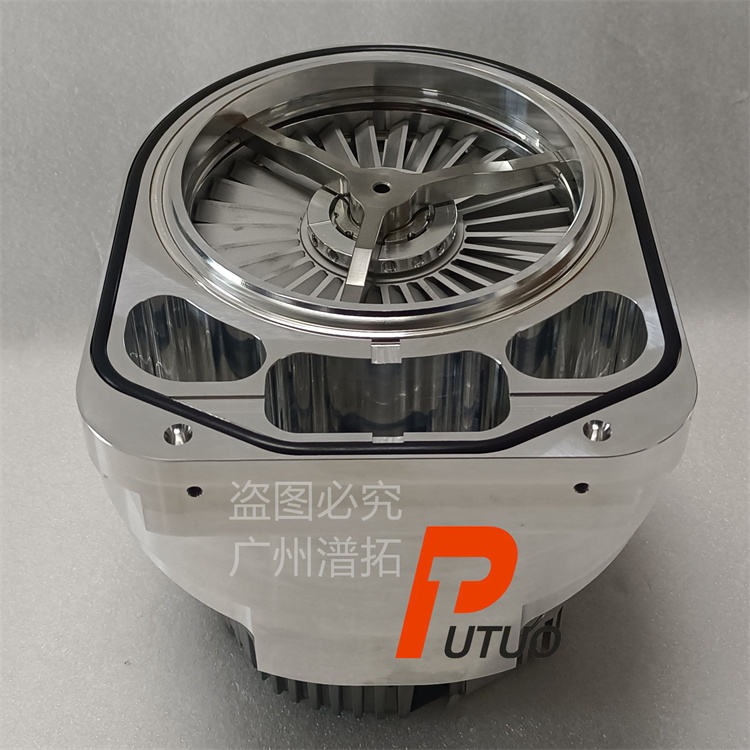
The Roots vacuum pumps offer excellent gas evacuation characteristics (with high evacuation rate at low pressure) and, when used as a secondary vacuum pump within the Roots vacuum pump's ultimate vacuum range, they can always achieve an order of magnitude higher vacuum than the primary vacuum. For instance, if the primary vacuum level is 100Pa, not using a Roots vacuum pump as the secondary pump can raise it to 10Pa, and so on. Additionally, as there is no mechanical contact between the rotors and the pump chamber, lubrication is not required, resulting in significantly lower power loss compared to other types of mechanical vacuum pumps with the same evacuation rate. Furthermore, due to the use of oil-free vacuum pumps with no lubrication in the primary vacuum pump, they are particularly suitable for industrial processes that require the removal of gases and exhaust gases that react with oil and necessitate recycling.
Performance and Specifications