














Cable recycling refers to the process of sorting, disassembling, and reusing waste cables. Waste cables include used or damaged cables such as wires, cables, and communication cables. The purpose of cable recycling is to recover metal materials like copper and aluminum, as well as non-metal materials like plastics, for reuse, reducing resource waste and environmental pollution. Cable recycling can be carried out through manual disassembly, mechanical disassembly, and chemical treatment, with the recovered materials used to manufacture new cables or other products.
The cable recycling process typically involves the following steps:
1. Gather used cables: Collect used cables through recycling stations, scrap collectors, and waste recycling centers, etc.
2. Categorize processing: Sort cables by type and material for subsequent recycling and reuse.
3. Stripping: The separation of the metal and plastic materials from the cable, usually done through mechanical stripping or manual stripping methods.
4. Crushing: Crush the metal and plastic materials after the cable is stripped, for subsequent processing and utilization.
5. Recycling: Process and reuse recycled metals and plastics to manufacture new products such as cables, utility poles, and cable trays.
The benefits of cable recycling include reducing resource waste and environmental pollution, while also generating economic benefits for businesses and individuals.
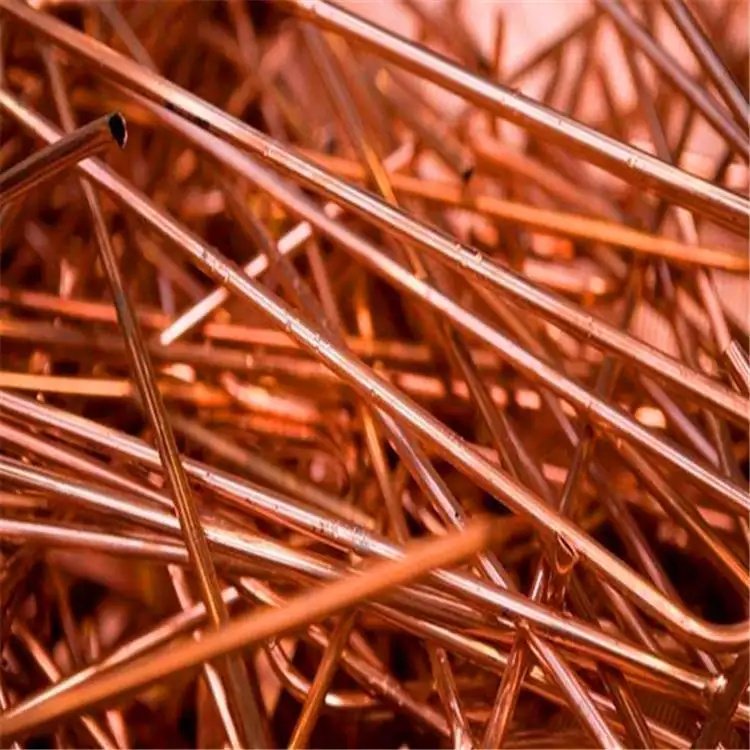
Cable recycling refers to the process of reusing or recycling discarded cables. Waste cables often contain materials like copper wire, aluminum wire, steel wire, and plastic, which, upon recycling, can save resources, reduce environmental pollution, and yield certain economic benefits. Cable recycling can be carried out through manual disassembly, mechanical disassembly, or heat treatment. During the recycling process, safety precautions must be taken to avoid harm to the environment and humans.
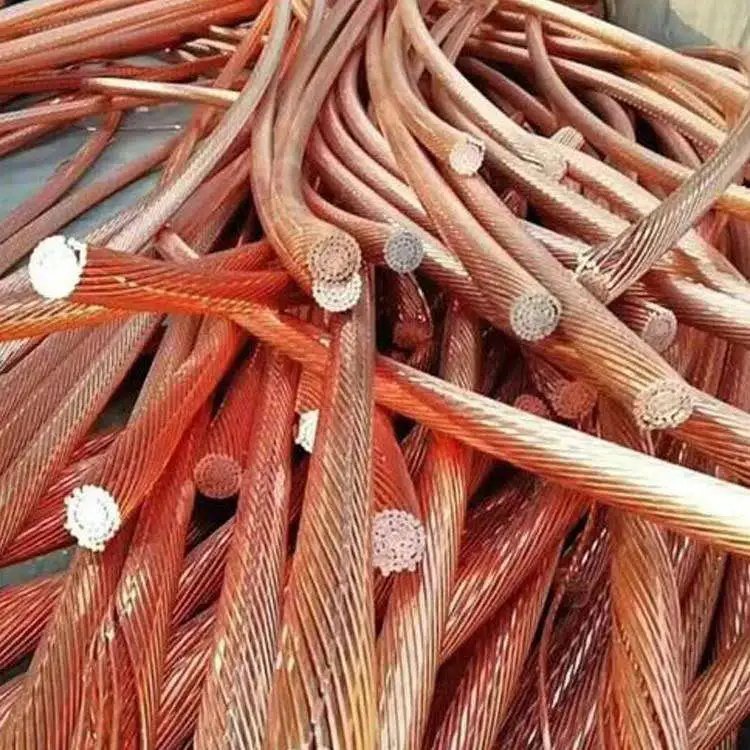
Cable recycling involves the collection, sorting, dismantling, and reuse of废旧电缆. Worn-out cables refer to those that have lost their usability, including power cables, communication cables, and control cables. Cable recycling can effectively reduce the environmental pollution caused by废旧电缆, while also conserving resources and reducing production costs. The recycling process involves multiple steps such as sorting, dismantling, separation, and regeneration, including metal recycling, plastic recycling, and rubber recycling. Cable recycling is an environmentally friendly and sustainable industry that has become a key development focus for many.
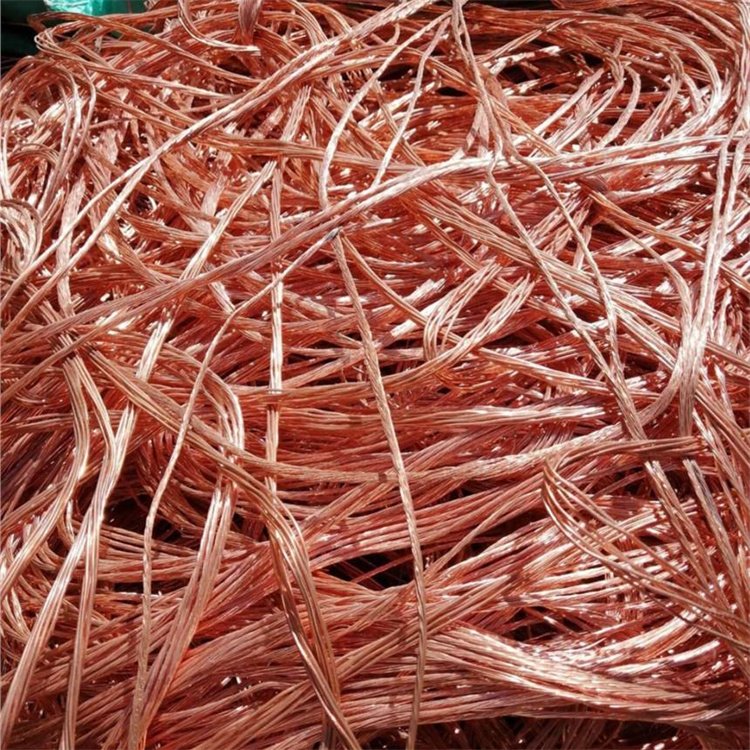
Cable recycling involves the collection, disassembly, separation, and reuse of obsolete cables. Obsolete cables refer to cables that have been retired or are no longer in use, including power cables, communication cables, and control cables. Cable recycling effectively reduces waste generation, conserves resources, and lowers environmental pollution. Recycled cables can be sorted, disassembled, and separated to obtain metals such as copper and aluminum, which can then be reprocessed for use in manufacturing new cables, metal products, and more.
Our company remains unwavering in adhering to the entrepreneurial belief of "honest operation and striving for innovation" and consistently practicing the corporate spirit of "unity, struggle, pragmatism, and innovation"! Welcome new and old customers to visit, collaborate, and create a win-win situation together.




















