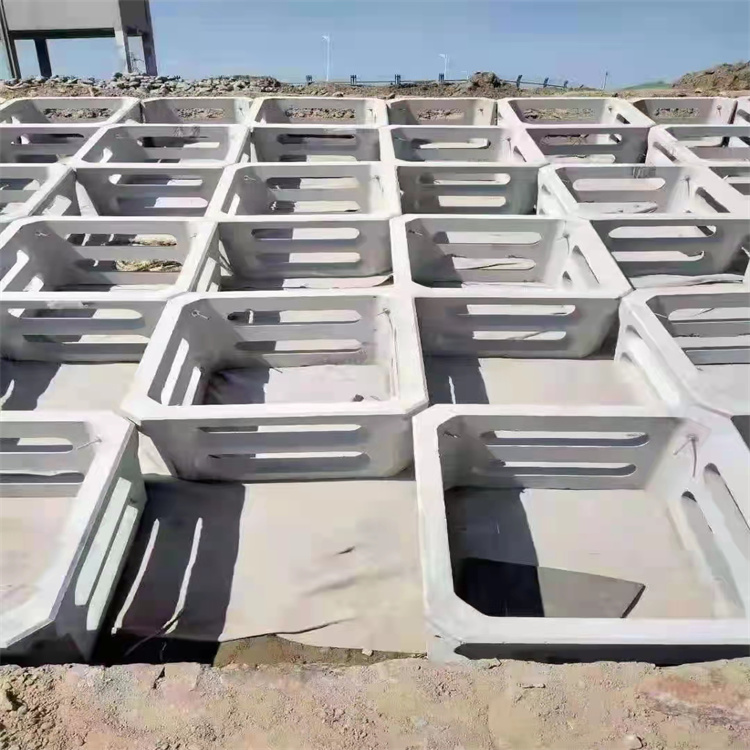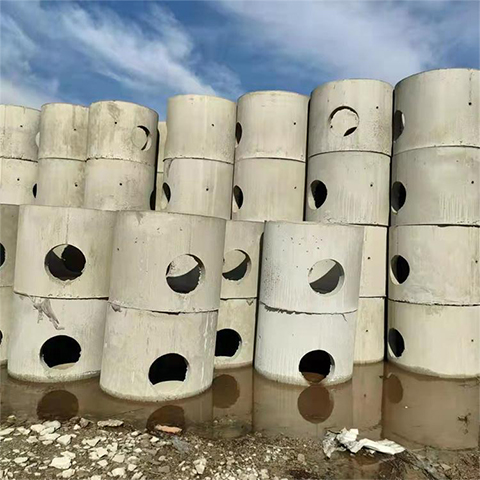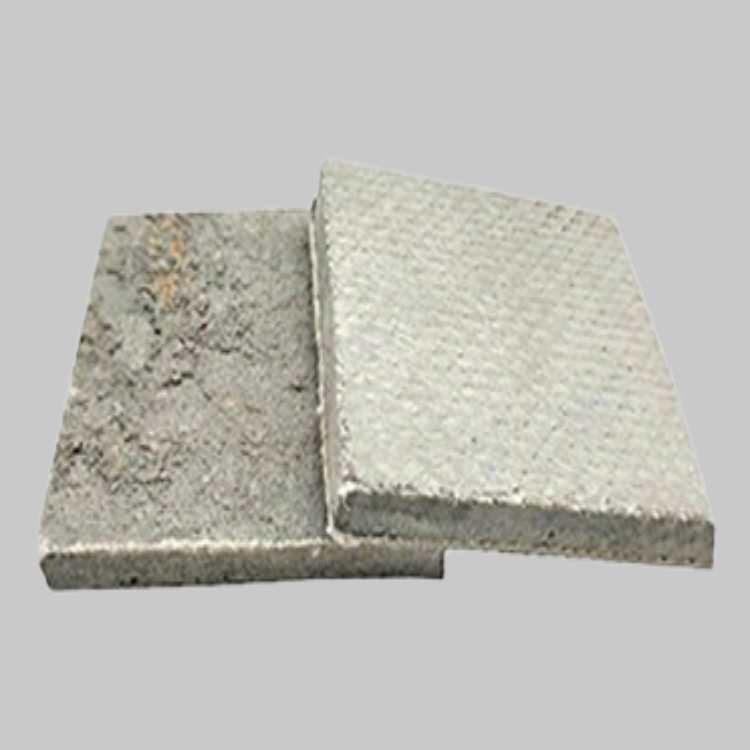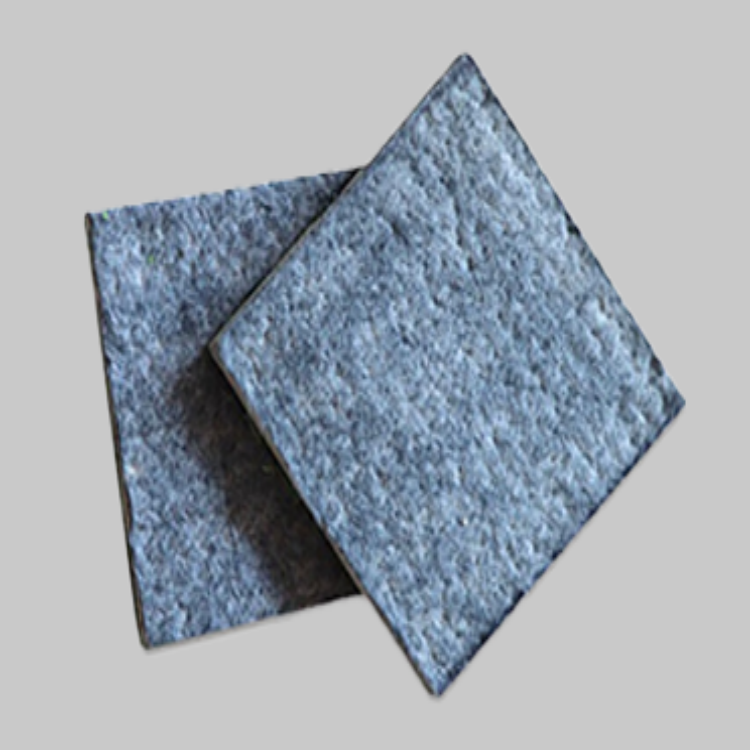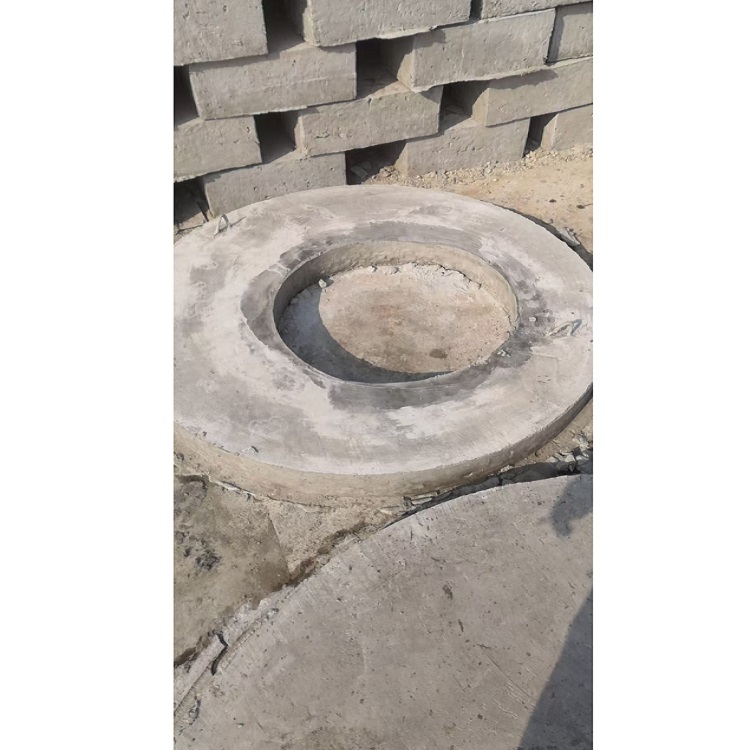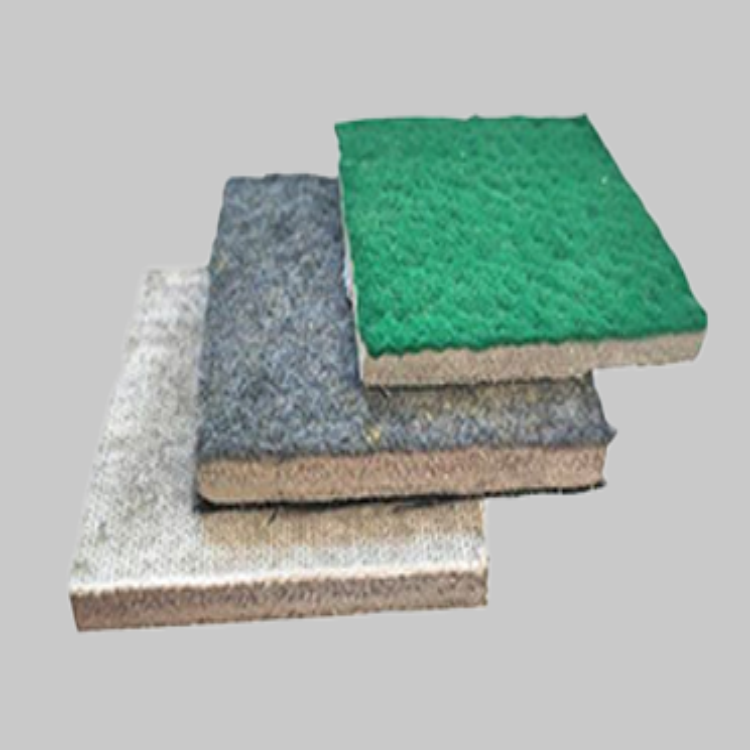







Building-based cement pipes, sewage drainage pipes, and reinforced concrete municipal road and highway drainage pipelines are indispensable components in construction, urban planning, and highway infrastructure. This manual will introduce the relevant characteristics and application scenarios of these pipes, as well as installation methods and maintenance tips.
Jianji concrete pipes are one of the essential materials for masonry foundations. They feature light weight, resistance to acids and alkalis, waterproofing, ease of installation, and affordability. They are commonly used in projects such as drainage wells, channels, culverts, bridges, and tunnels. During use, appropriate specifications and models should be chosen based on the actual project conditions, and the quality and dimensions of the pipes should be checked before installation. The installation process includes excavation, bedding, placement, compaction, and grouting steps. It is recommended to prepare the surrounding environment before construction, such as clearing channels, marking survey lines, and ensuring landscaping.
Waste water drainage pipes are categorized into three fields: residential, industrial, and construction. Residential pipes are typically made of materials like polyethylene, featuring flame retardancy, corrosion resistance, noise reduction, and adjustable pressure. Industrial drainage pipes prioritize wear and corrosion resistance. Construction-grade pipes usually use high-density polyethylene, offering cost-effectiveness, odorless properties, and long service life. During installation, ensure the pipes' sealing integrity and normal discharge capability, particularly when selecting joints, where tightness is crucial.
Reinforced concrete municipal road and highway drainage pipes are a widely used type of pipeline, suitable for the construction of roads, bridges, subways, and other public transportation projects. They are characterized by strong load-bearing capacity, excellent durability, and ease of maintenance. When installing reinforced concrete municipal road and highway drainage pipes, proper pipeline planning, formwork arrangement, casting, and vibration should be carried out first. During use, it is essential to promptly check the drainage pipes for通畅ness and sealing integrity to prevent blockages and leaks, ensuring smooth road operation and driving safety.
In summary, cement pipes, sewage drainage pipes, and reinforced concrete municipal road and highway drainage pipelines are all vital drainage and transmission pipelines. When installing, select appropriate materials and specifications based on actual needs, pay attention to installation methods and maintenance, to ensure the normal operation of infrastructure such as roads, buildings, and cities.