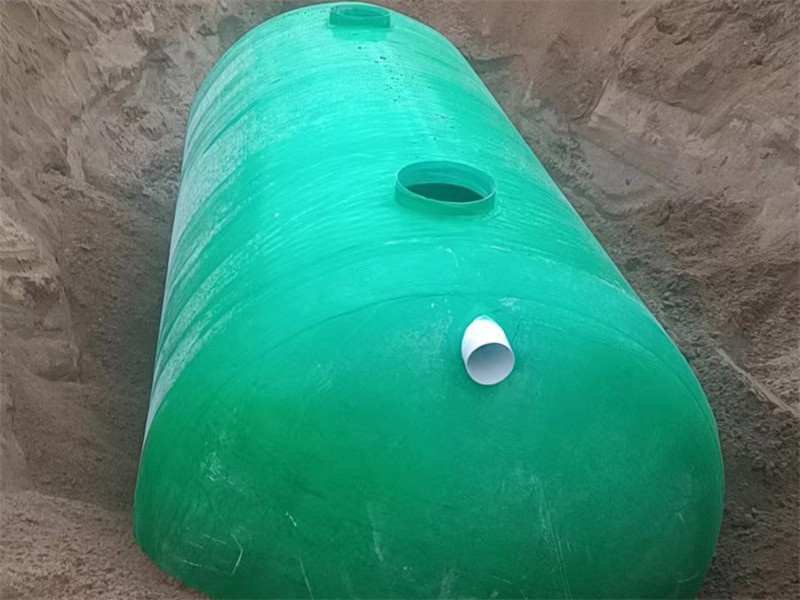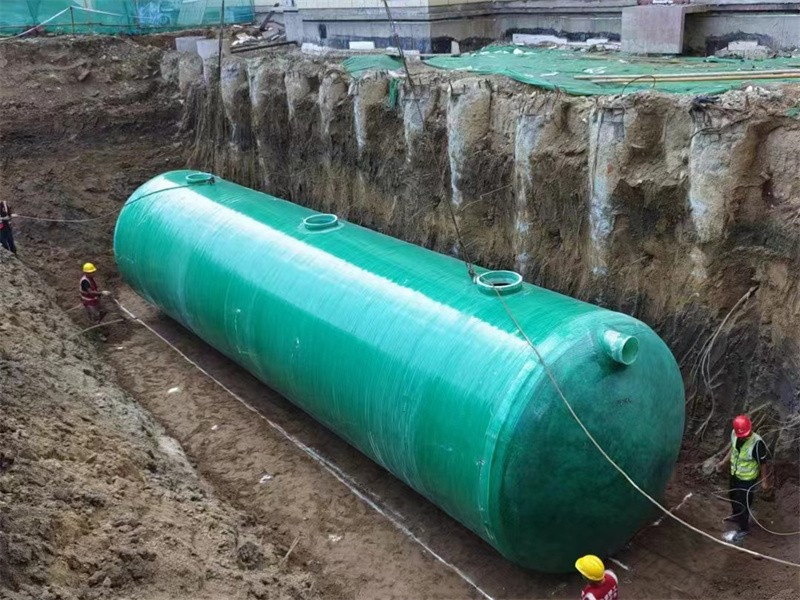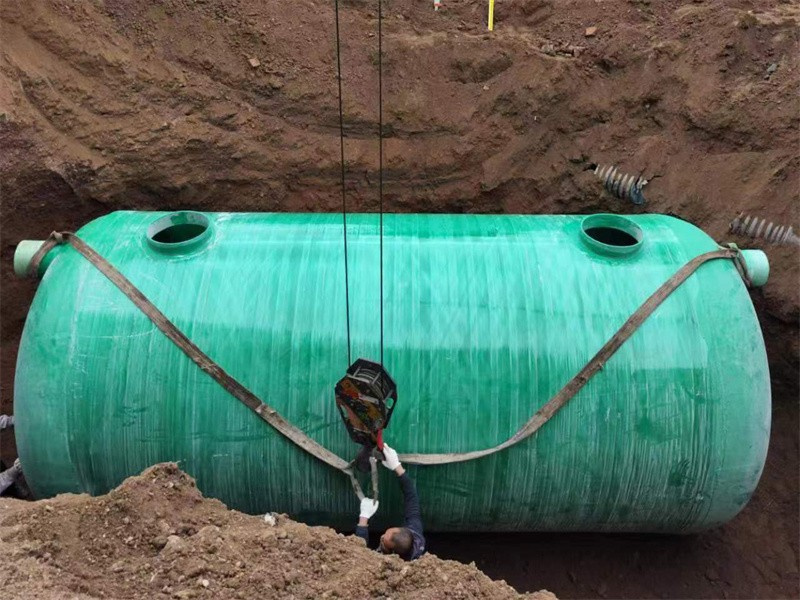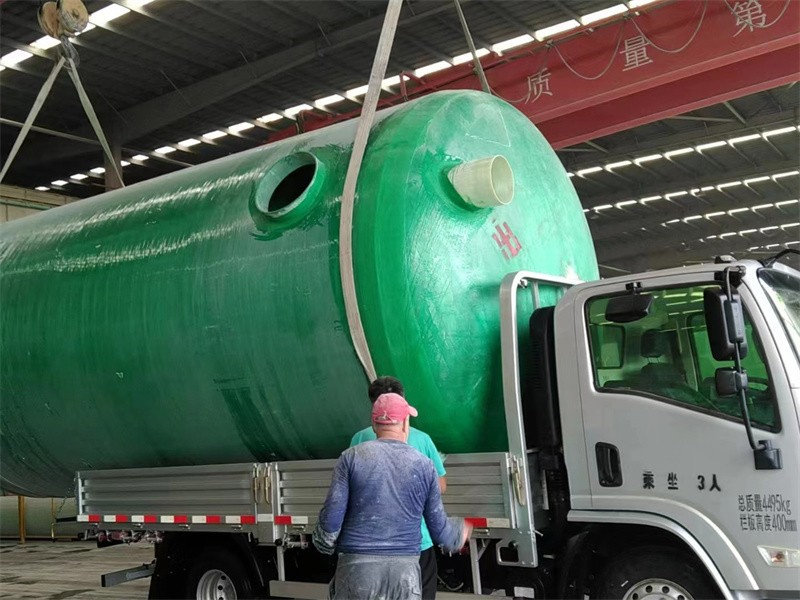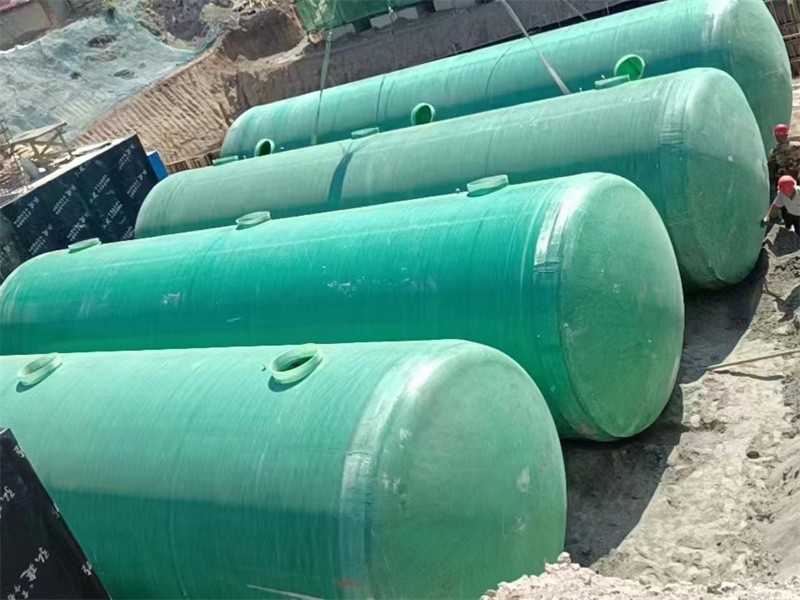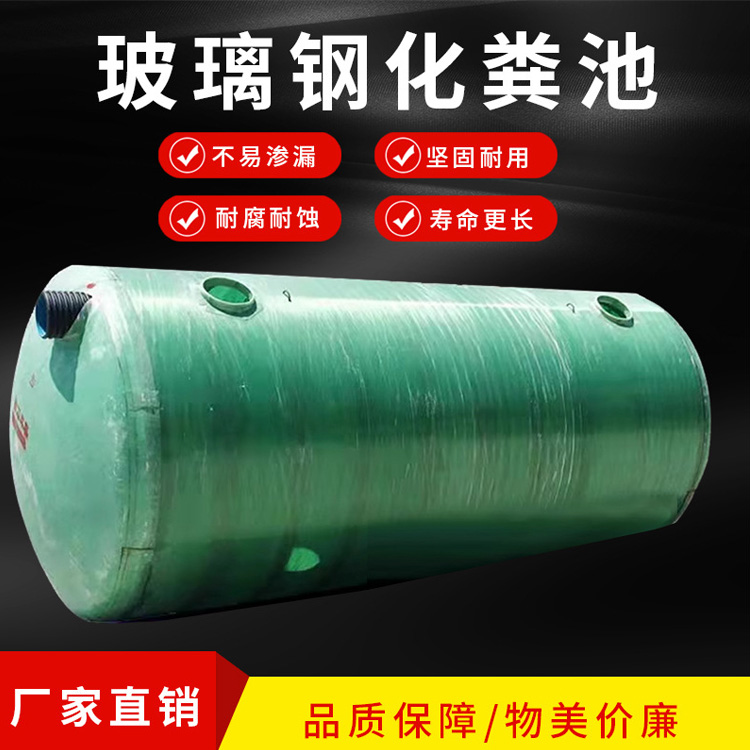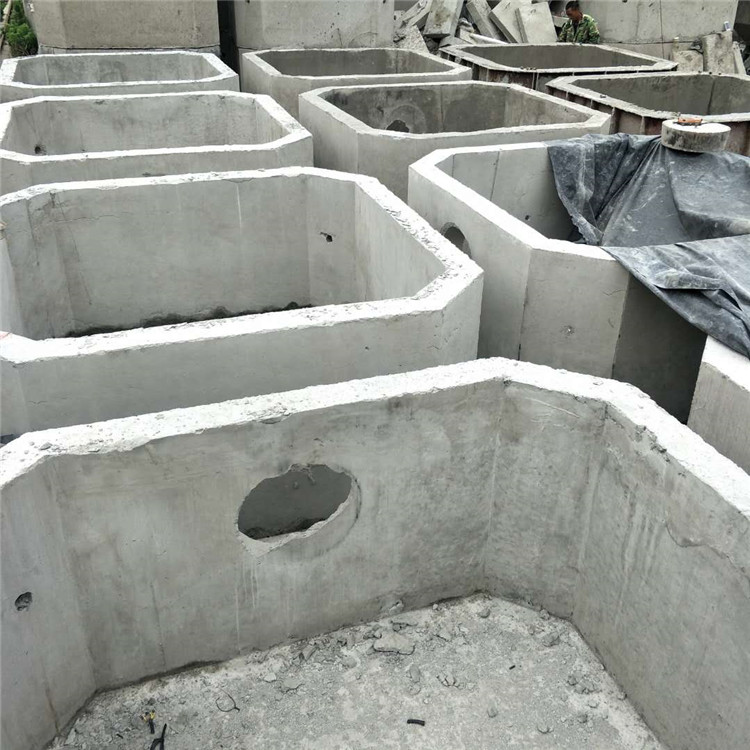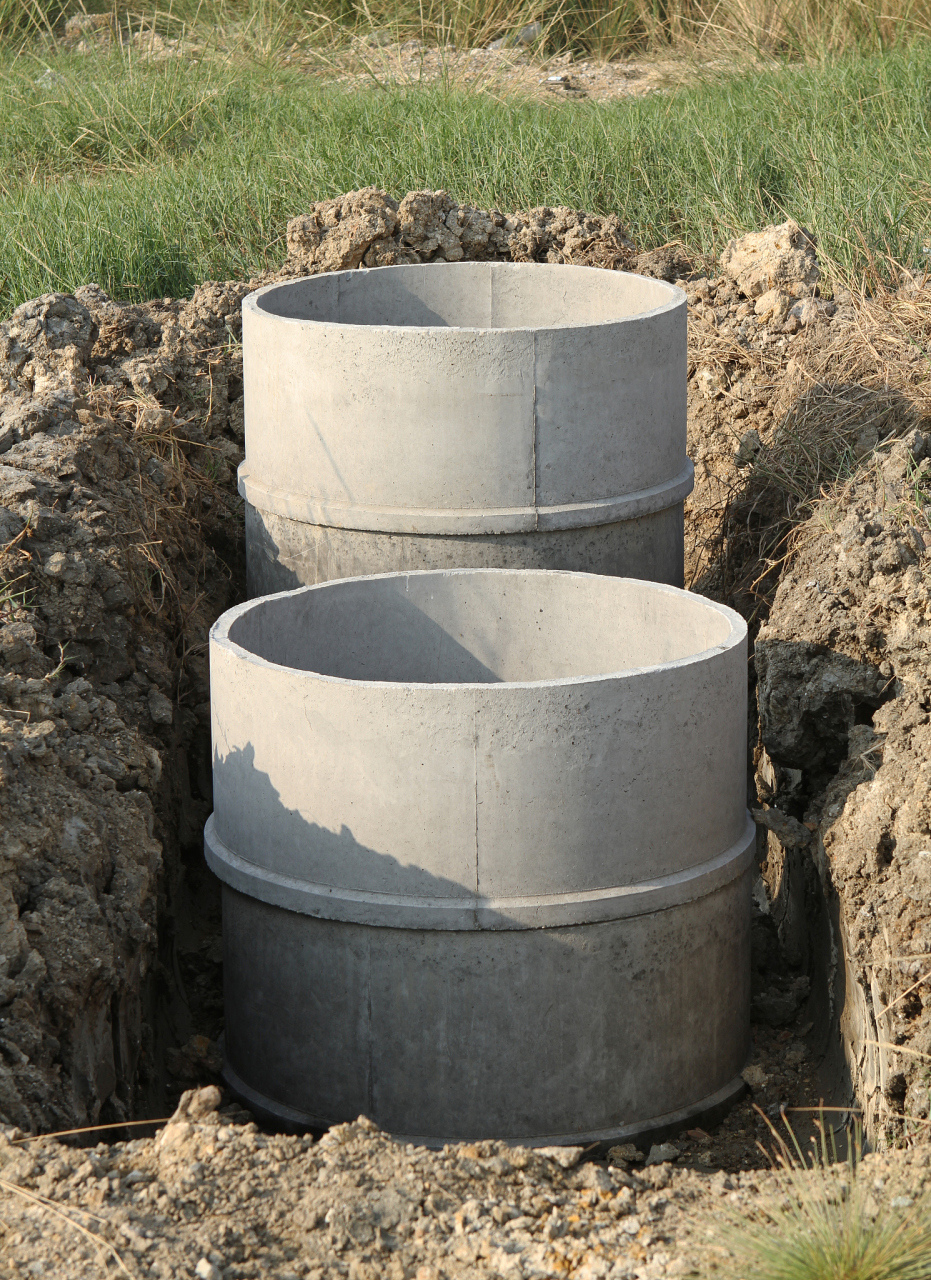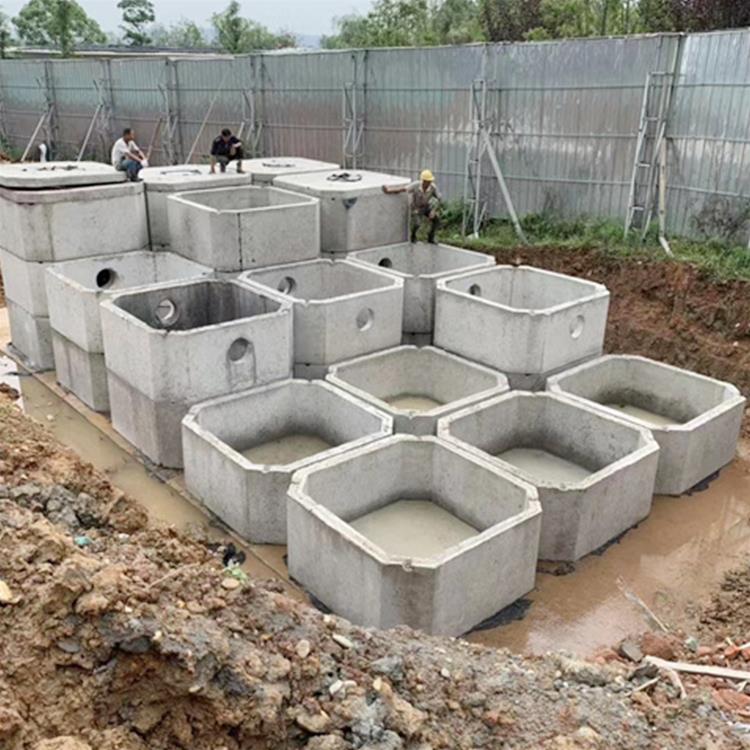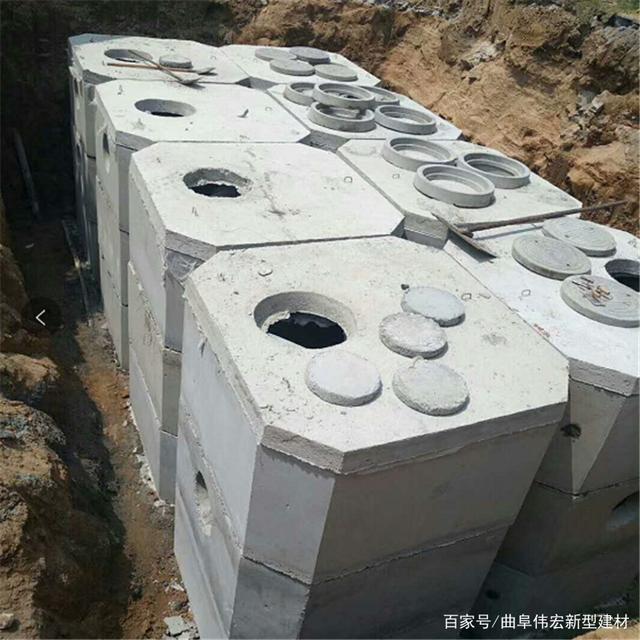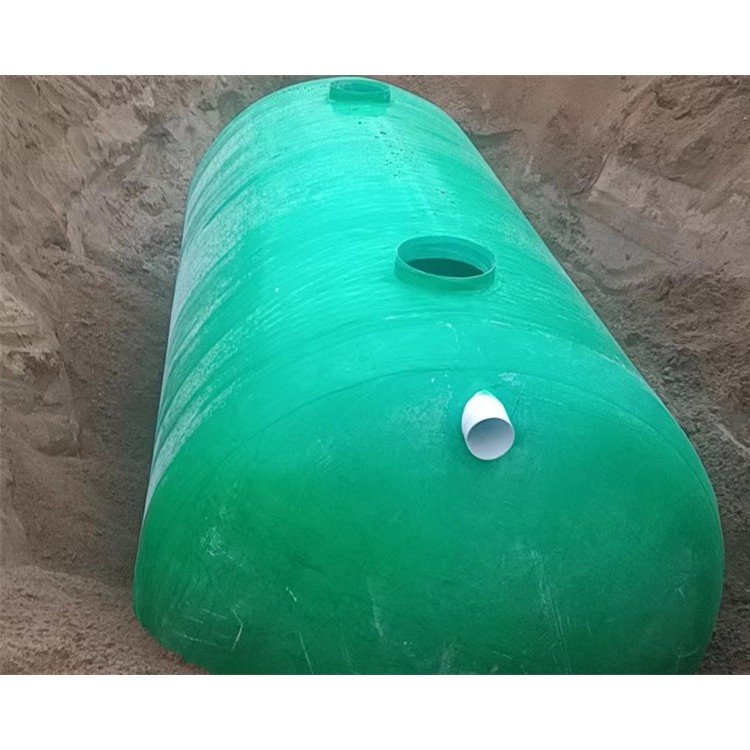
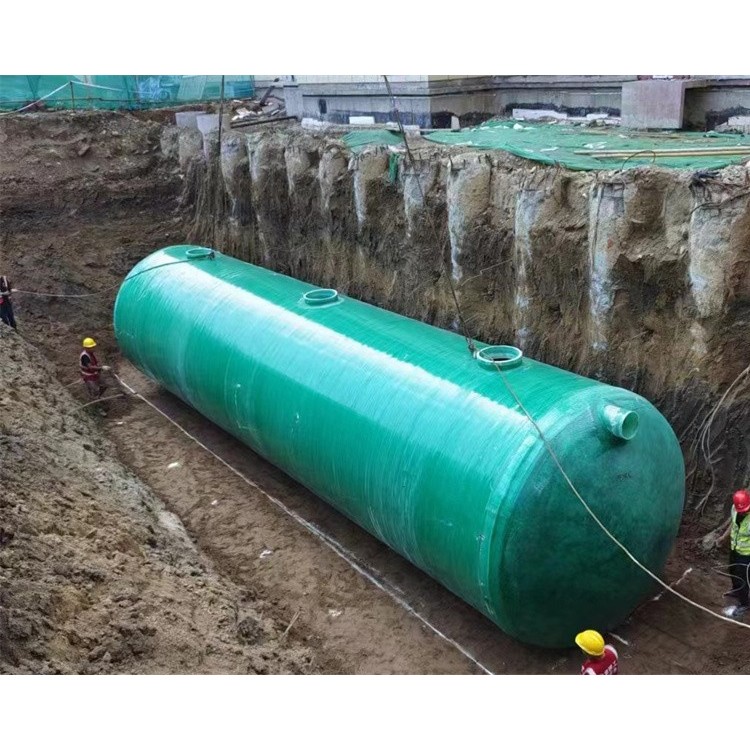
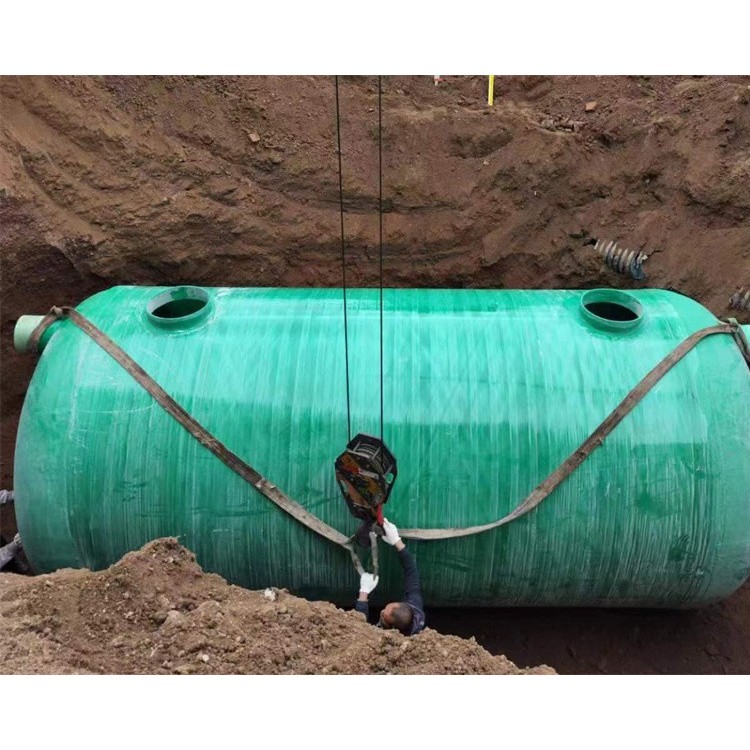
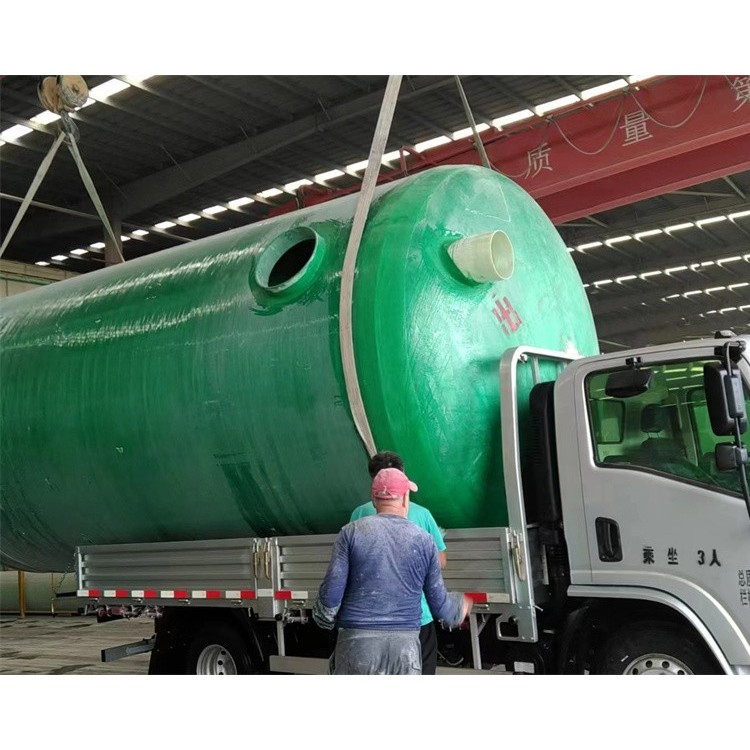
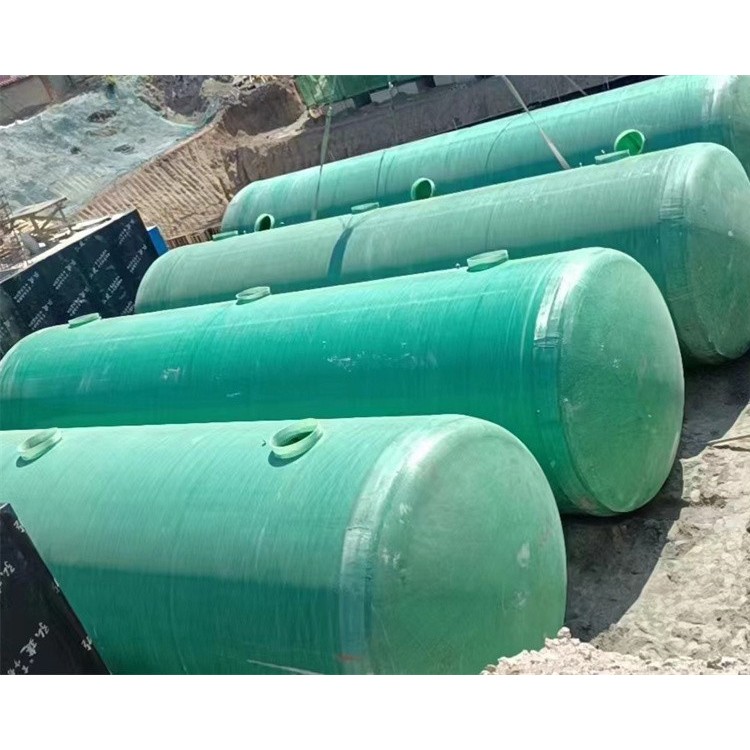







Pre-fabricated septic tanks are made of high-strength reinforced concrete, ensuring durability and resistance to deformation over long-term use. This product is manufactured using advanced production techniques and equipment, guaranteeing both quality and stability.

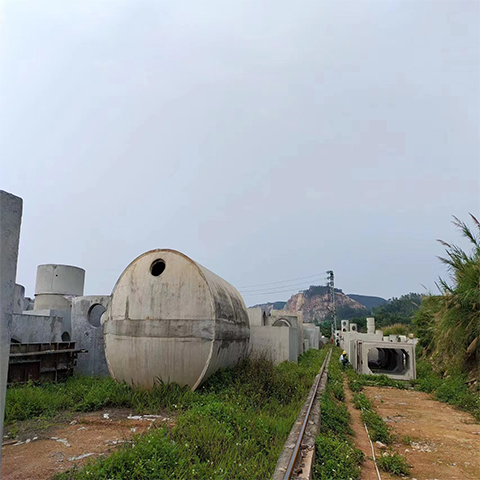
Manual for Concrete Septic Tank
I. Product Overview
A cement septic tank is a device used for storing and treating wastewater from toilets and kitchens. Constructed with high-quality cement, it is durable and easy to maintain. The structure of the cement septic tank is simple and easy to install, effectively preventing sewage leakage and outlet pollution. This product is suitable for residential, industrial, educational, and rural settings.
Part II: Product Specifications
Material: High-quality cement
2. Capacity: Customizable, generally 1~60 cubic meters
3. Color: Natural cement color
4. Features: Simple structure, good leak-proof performance, easy to clean and maintain
Section 3: Installation Requirements
1. The installation location should meet the following conditions:
(1) Should be set up in a place that is safe, stable, and vibration-free.
(2) No installation in basements or underground water bodies allowed
(3) It should be set up in an open area with good ventilation.
2. Installation Steps:
(1) Excavate an appropriate pit at the installation site
(2) Place the cement septic tank into the pit and ensure it remains level
(3) The septic tank is securely anchored to the surrounding soil with cement.
(4) Connect inlet and outlet pipes
(5) Fill and compact holes
IV. Usage and Maintenance
1. Usage:
(1) Clean every one to two weeks to ensure smooth operation
(2) Be mindful not to exceed the septic tank's capacity when in use to prevent overflow.
(3) Do not dispose of substances such as oils and chemicals, which are not easily biodegradable, into the septic tank.
2. Maintenance:
(1) Regular cleaning to ensure no debris blocks the pipes
(2) Promptly repair cracks and leakage issues in septic tanks
(3) When the material in the pool fills the entire septic tank, it should be cleaned promptly to prevent affecting the rate of biological degradation.
Section 5: Important Notes
(1) Ensure the septic tank is tightly sealed against the surrounding soil during installation to prevent leaks.
(2) Septic tanks should be regularly maintained to keep them clean, prevent leaks, and extend their service life.
(3) Be cautious not to allow excessive solid particles in toilet and kitchen wastewater to prevent blockages and unpleasant odors.
(4) In case of issues, please promptly contact personnel for repair.
Section 6: Conclusion
A cement septic tank is an effective wastewater treatment facility with the advantages of good leak-proof performance and long service life. As long as it is installed correctly and properly maintained, it can provide us with a clean environment and water source.