












Air pollution is prevalent in most major cities, where the air contains numerous pollutants from heating, transportation, and factory production. These pollutants threaten the health of tens of millions of citizens, causing many to lose their lives. Toxic gases primarily include nitrogen dioxide and inhalable particles. Despite the signing of the Montreal Protocol, polar ozone layer holes re-form over the Earth's poles each spring, with the Arctic ozone layer losing 20% to 30% and the Antarctic ozone layer losing over 51%.
Under normal circumstances, oxygen has a certain solubility in water. Dissolved oxygen is not only a condition for the survival of aquatic organisms but also participates in various oxidation reactions in water, promoting the transformation and degradation of pollutants. This is an important reason why natural water bodies have self-purification capabilities. The discharge of domestic wastewater containing large amounts of nitrogen, phosphorus, and potassium, and the release of nutrients from a large quantity of organic matter into the water, promotes the proliferation of algae and excessive plant growth, leading to poor water aeration, decreased dissolved oxygen levels, and even the presence of anaerobic layers. This results in an overabundance of aquatic plants, blackening of the water surface, and the formation of "dead lakes," "dead rivers," or "dead seas," which further degrade into swamps. This phenomenon is known as eutrophication. Eutrophic water [2] is rich in bacteria, has poor water quality, and cannot be used directly, leading to the death of a large number of fish.
The water quality of dry and branch rivers is divided into four categories: Category 1 is clean water source rivers, mainly concentrated in urban central areas; non-point source pollution caused by rainfall surface runoff and combined sewer overflow is a significant pollution source affecting water quality compliance. Category 2 is recycled water source rivers, mainly located in upstream urban drainage rivers; the effluent from urban wastewater treatment plants is the main pollution source. Category 3 is mixed source rivers of recycled water and wastewater, mainly in downstream urban drainage rivers and some distant suburban rivers; due to the incomplete urban downstream drainage network, the low concentration treatment rate of wastewater in distant suburbs, and high contribution rates from domestic and agricultural sources, water surface litter treatment, and severe water quality pollution. Category 4 is wastewater source rivers, distributed in distant suburban counties; agricultural pollution accounts for a large proportion, and water quality pollution is severe.
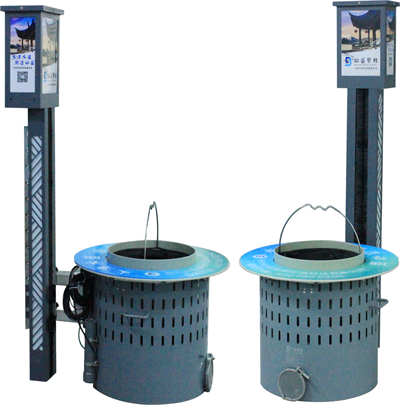
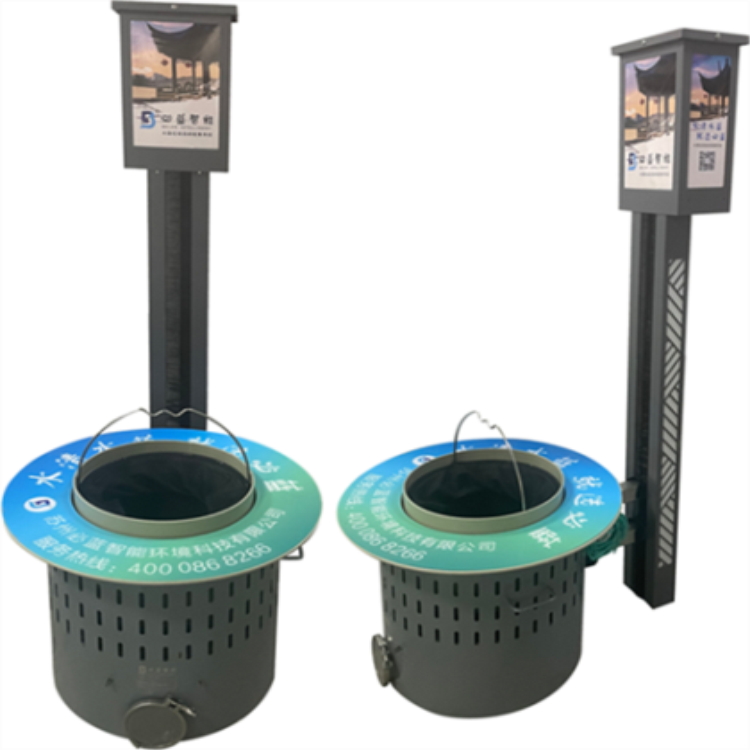
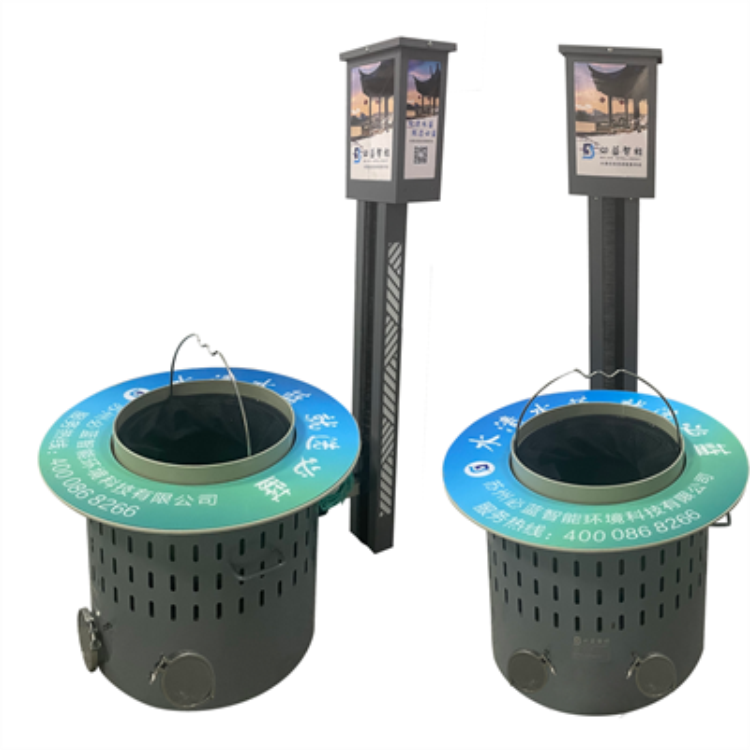
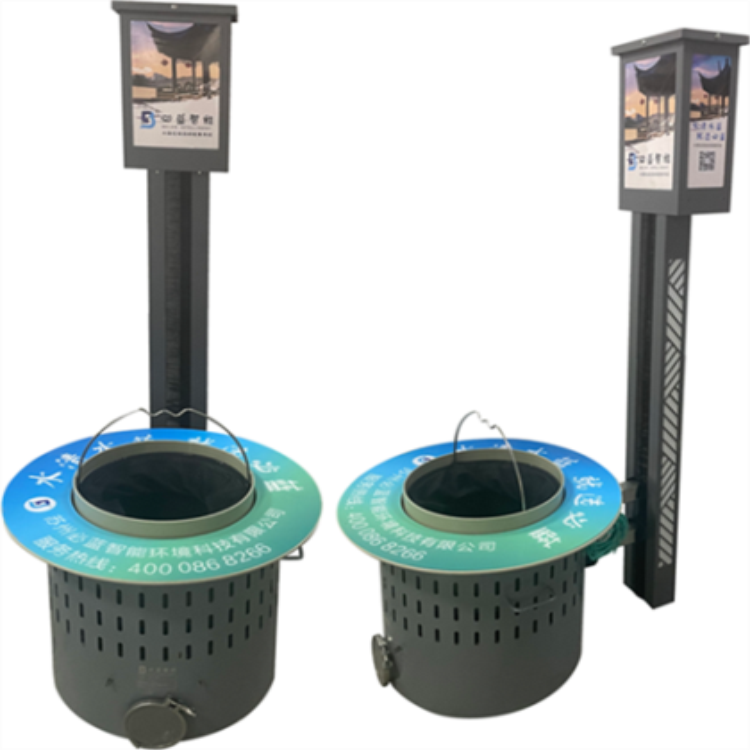
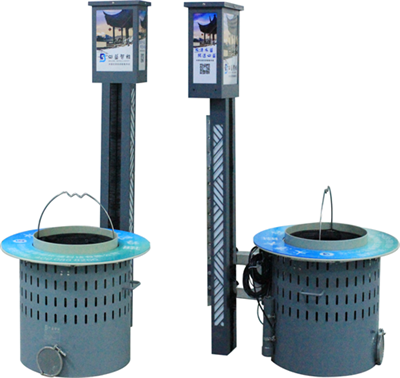
Water Surface Waste Processor - Water Surface Waste Treatment - Provided by Suzhou Bilan Intelligent Environmental Technology Co., Ltd. Suzhou Bilan Intelligent Environmental Technology Co., Ltd. specializes in "Automatic Water Surface Waste Collection Equipment, River Waste Treatment Equipment." Adhering to the philosophy of "Honest Operation, Devoted Service," we offer superior products and services. Please call for inquiries! Contact: Jiang Bin.