






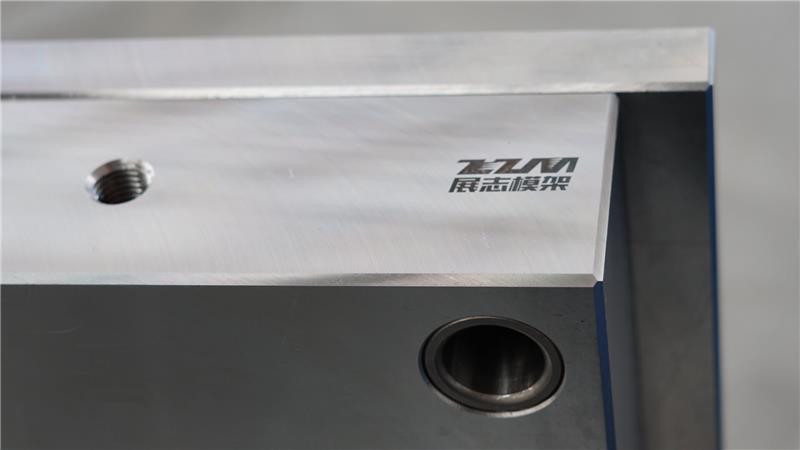
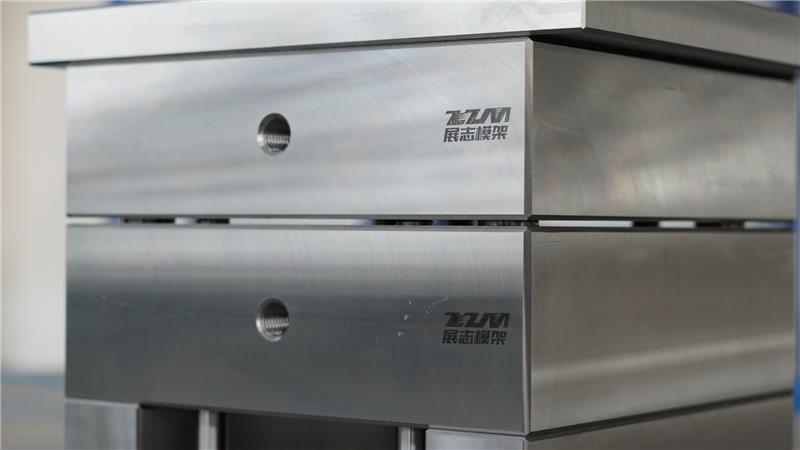
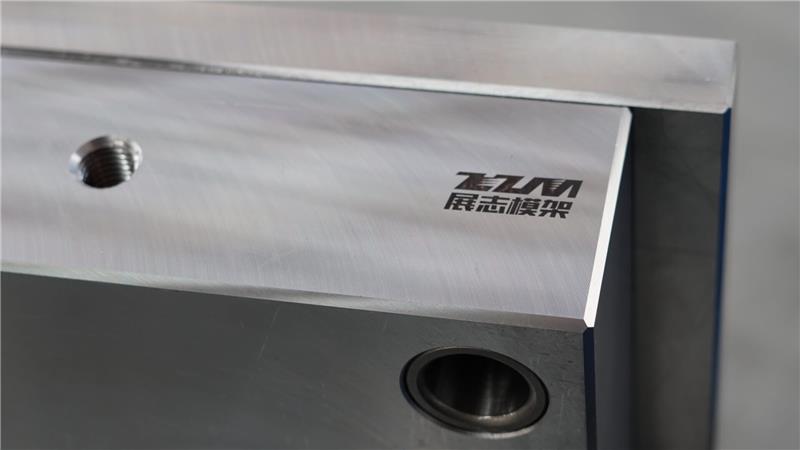
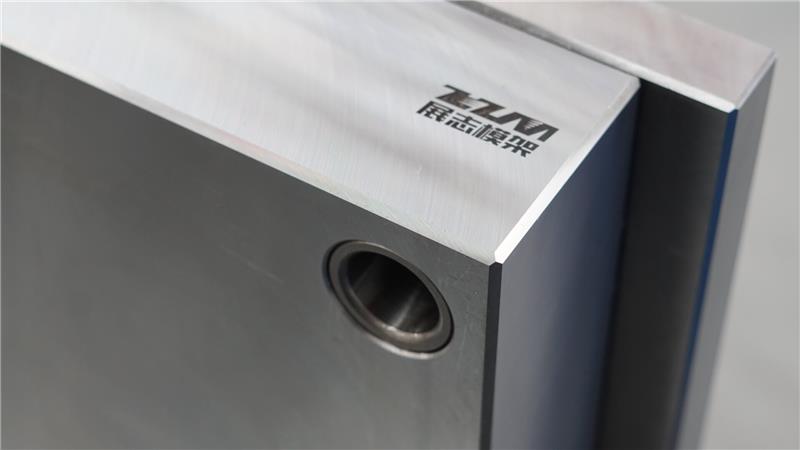
 Plastic Molding Jigs
Mold injection molding is a processing method used for mass production of complex-shaped components. Specifically, it involves the process of melting plastic raw materials with heat, then pushing them through a high-pressure nozzle into the mold cavity of a plastic mold by the injection molding machine's screw. After cooling and solidifying, the plastic formed product is obtained.
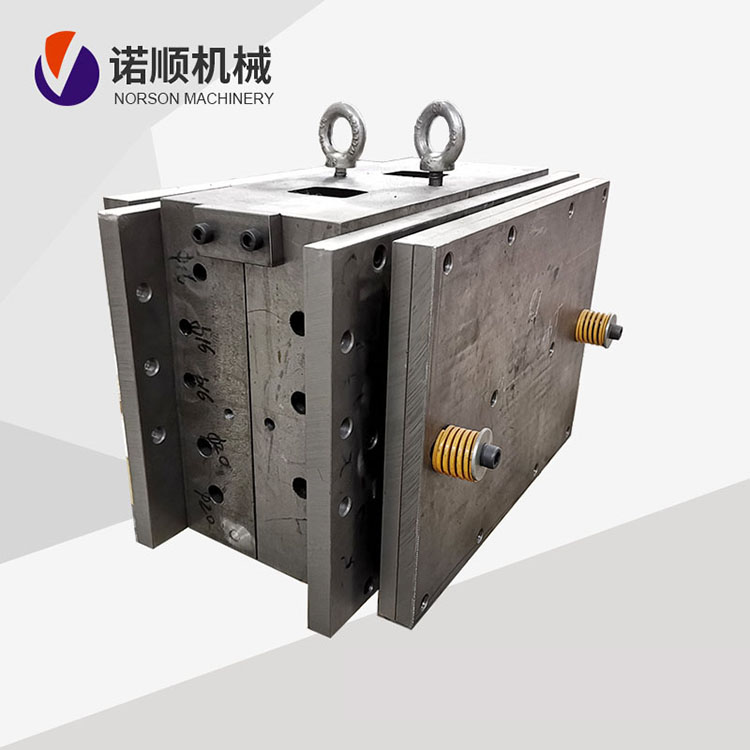
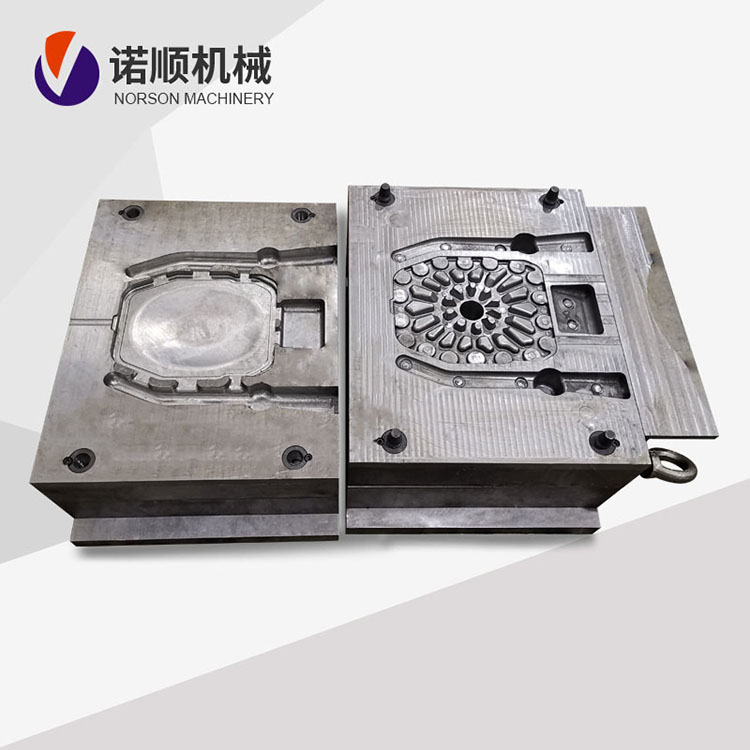
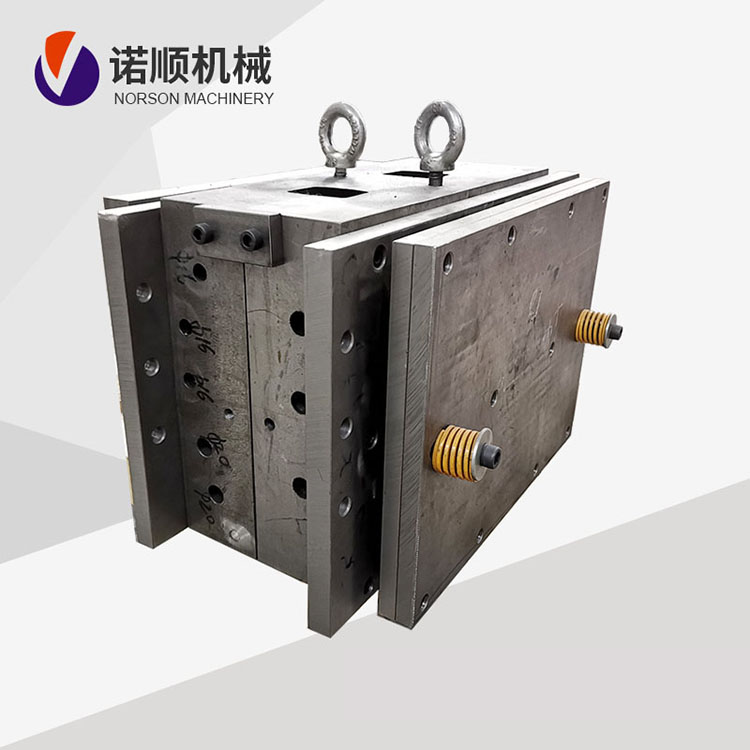
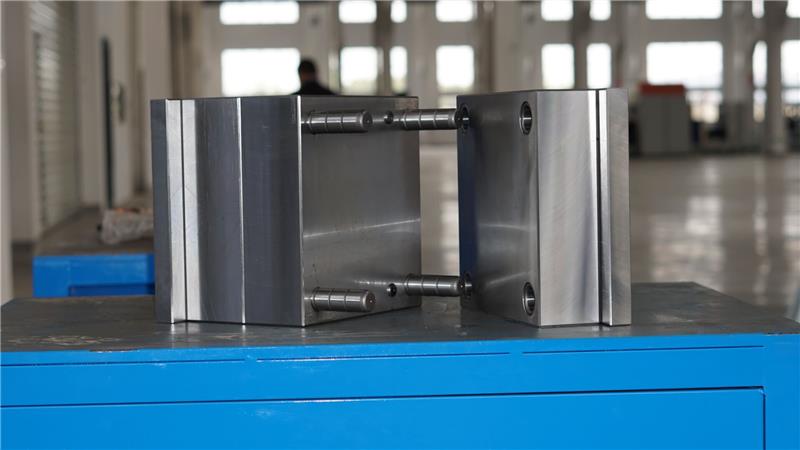
Plastic molds consist of two parts: the moving mold and the fixed mold. The moving mold is mounted on the moving template of the injection molding machine, while the fixed mold is mounted on the stationary template. During injection molding, the moving and fixed molds close to form the gating system and the mold cavity. When the mold opens, the moving and fixed molds separate to allow for the removal of the plastic product.
The structure of plastic molds may vary greatly due to different plastic types and properties, shapes and structures of plastic products, and the type of injection machine, but the basic structure remains consistent.
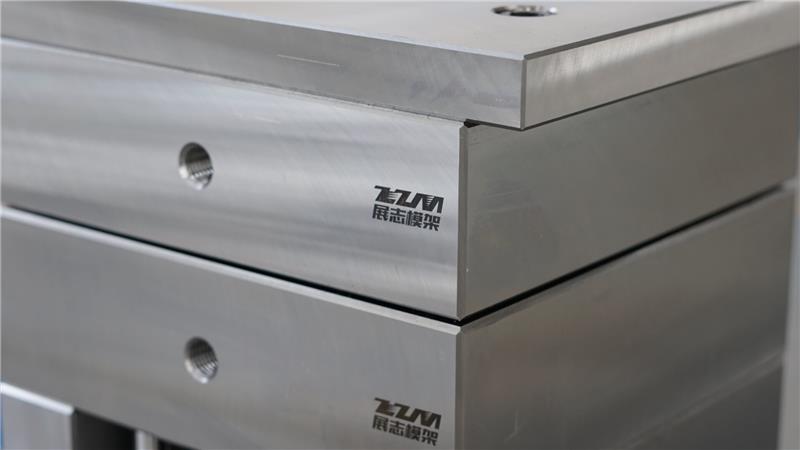
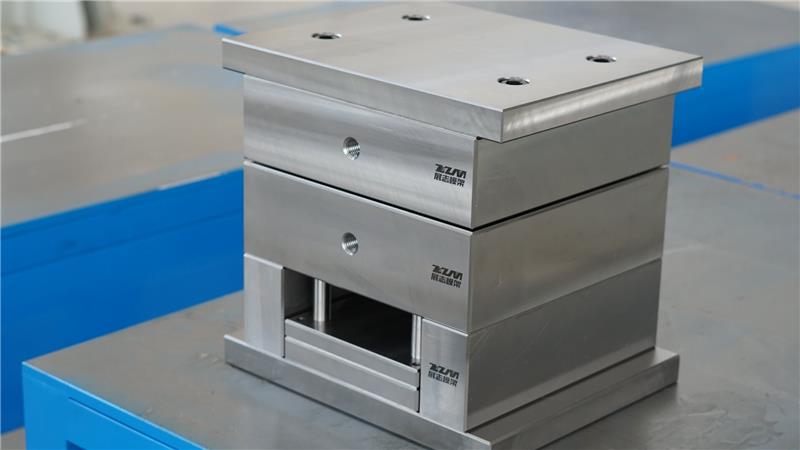
Precision Molding Jigs
If you're unaware of what precision molds are or how to define them, the first thing to look at is whether the product dimensions produced meet the standards. Plastic mold frames can also be used to define the precision of these molds. Many products have stringent size requirements, such as automotive parts, which demand high precision. Therefore, when selecting molds, precision molds are the go-to choice. Without precision molds, the production of automotive parts won't be functional, and mold manufacturing can also impact the final outcome.
What are the functions of these molds?
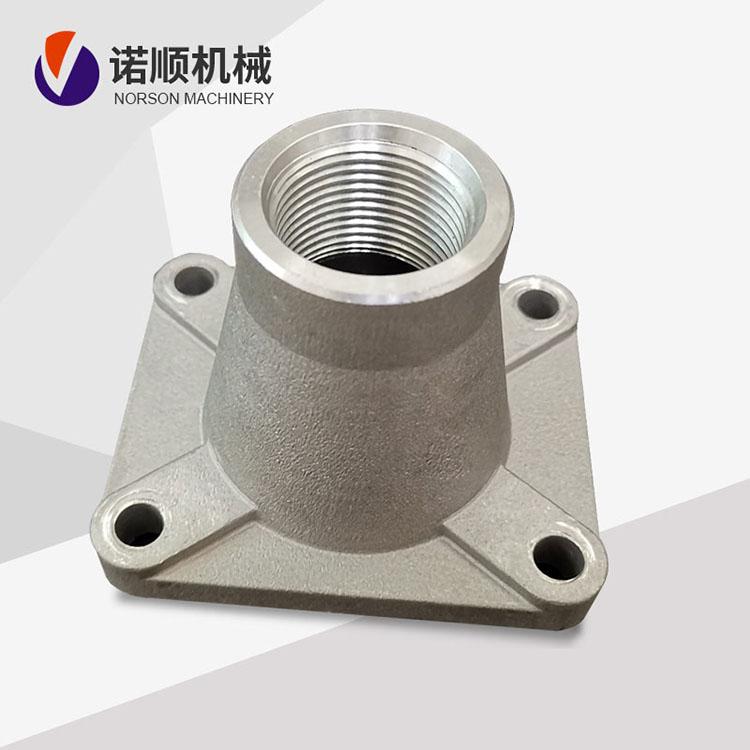
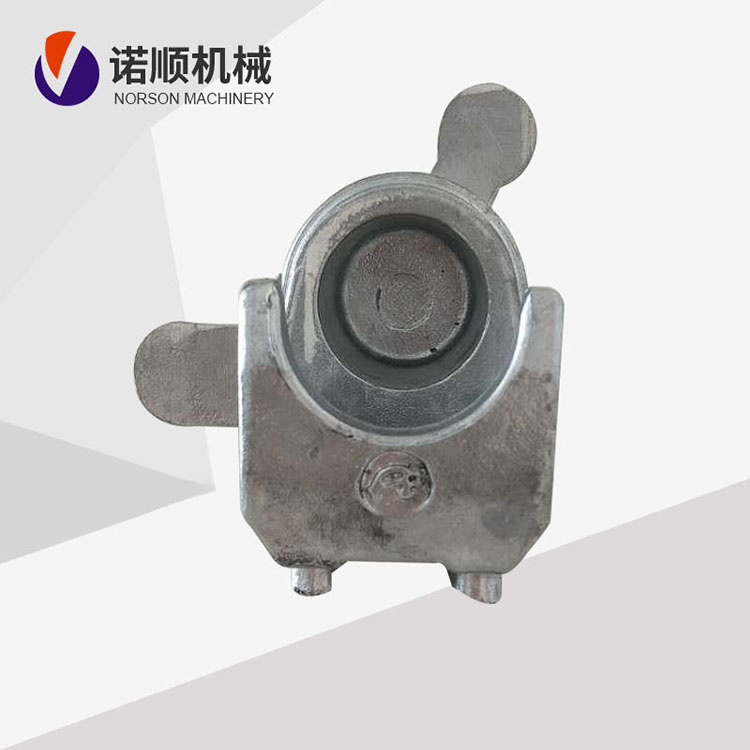
When it comes to molds, many people may not have a clear definition, but in general, they are used for producing products. Standard mold frames, such as clothing racks and toothbrushes used in daily life, and the shells and switches of household appliances, all require molds. Of course, whatever the product, the requirements for the mold are particularly high. If the precision of the mold is not accurate, it will affect the quality of the product.
Advanced equipment is essential for producing precise molds, and only with advanced equipment and skilled workers can such precision be achieved. The precision of the molds directly affects product quality, and it is precisely these precise molds that ensure the quality of certain products. Author: bili_15607372902 Source: bilibili
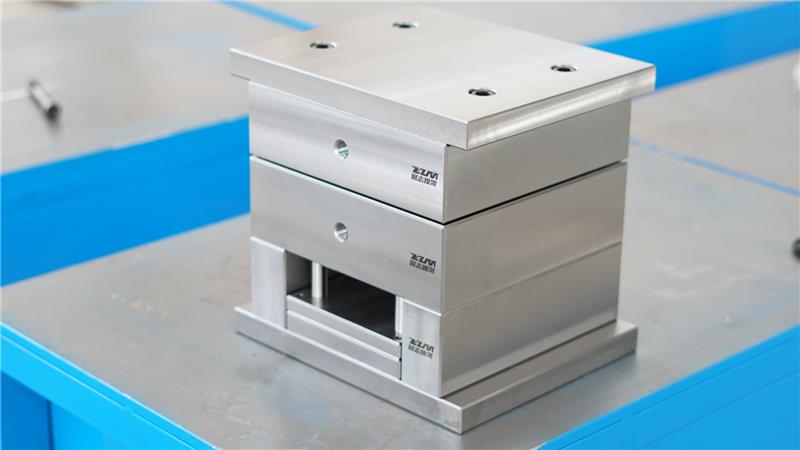
Molds are various molds and tools used in industrial production for injection molding, blow molding, extrusion, die casting, forging, and other methods to obtain the desired products. In short, molds are tools used for shaping items, composed of various components, with different molds consisting of different parts. They primarily process item shapes by altering the physical state of the molding material. Known as the "industry" of tools. These tools shape blanks into specific shapes and sizes under external forces. They are widely used in stamping, die forging, cold heading, extrusion, powder metallurgy part pressing, pressure casting, and the molding processes of engineering plastics, rubber, ceramics, and other products. Molds have specific profiles or internal cavity shapes. The use of edged profiles allows blanks to separate along the profile lines (cutting). The internal cavity shapes enable blanks to acquire corresponding three-dimensional shapes. Molds typically consist of two parts: the moving mold and the fixed mold (or the male and female molds), which can be separated or combined. When separated, the finished product is removed; when combined, the blank is injected into the mold cavity for shaping. Molds are precision tools with complex shapes, subjected to blank expansion forces, and have high requirements for structural strength, rigidity, surface hardness, surface roughness, and processing accuracy. The development level of mold production is one of the important indicators of the level of mechanical manufacturing.