






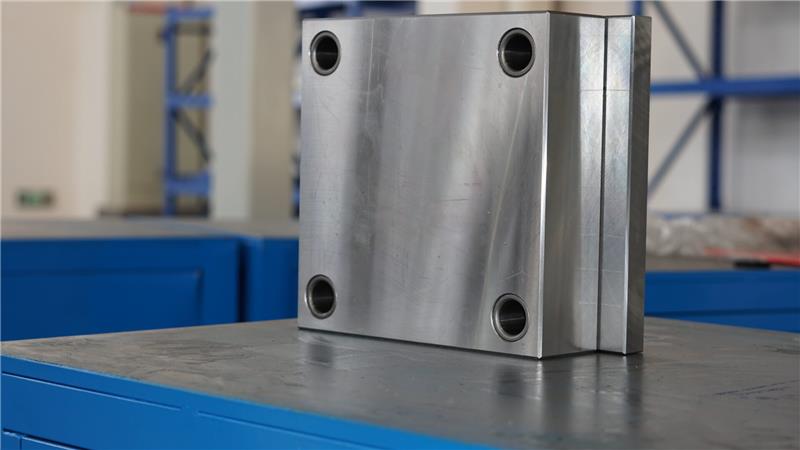
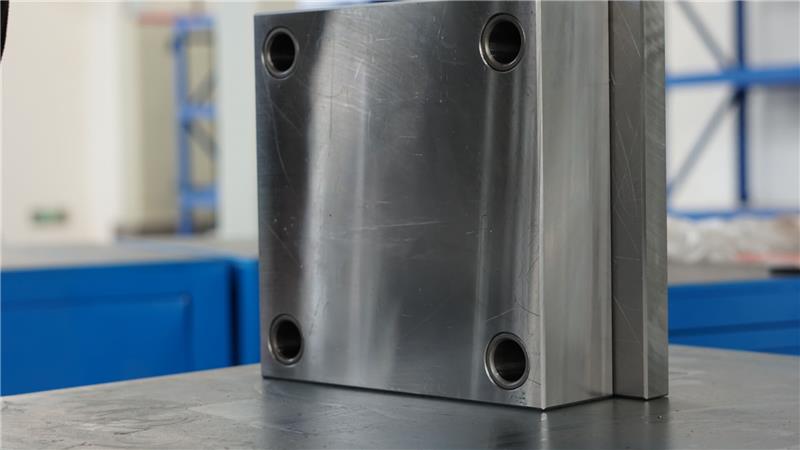
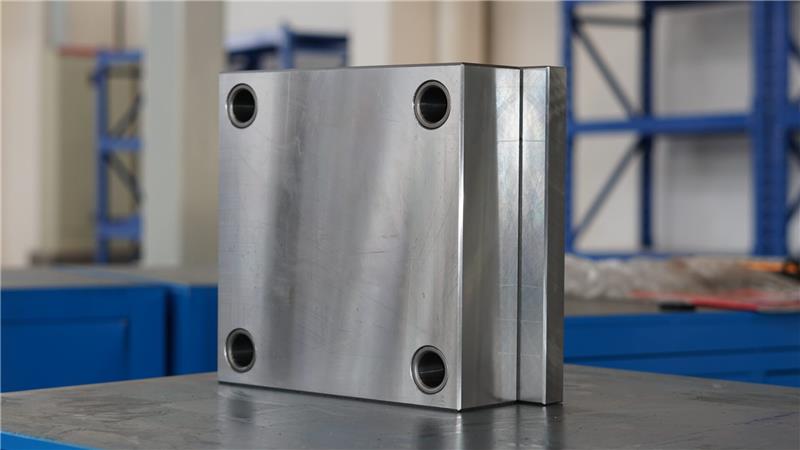
 Mold
Mold
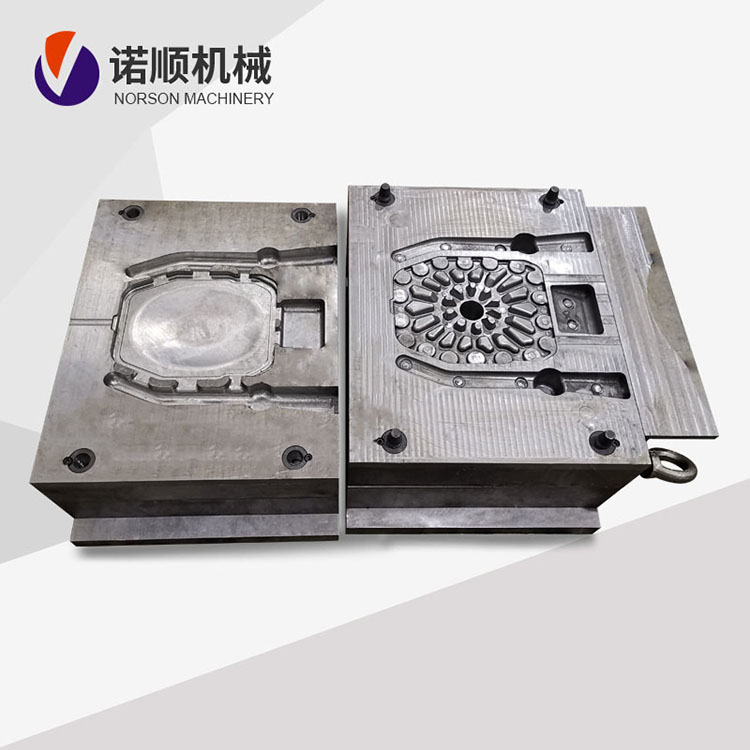
Molds, which are used in industrial production for injection molding, blow molding, extrusion, die casting, forging, or stamping to obtain the desired products. In short, molds are tools for creating shaped items, composed of various parts. Different molds consist of different parts. They primarily process the shape of items by altering the physical state of the material being shaped. They are often referred to as the "industry" itself. These tools shape raw materials into specific shapes and sizes under external force. They are widely used in cutting, die forging, cold heading, extrusion, powder metallurgy parts pressing, pressure casting, and the forming processes of engineering plastics, rubber, ceramics, and other products. Molds have specific contour or cavity shapes. The application of刃口-shaped contours allows the raw material to separate along the contour line (cutting). The application of cavity shapes allows the raw material to obtain the corresponding three-dimensional shape. Molds generally consist of two parts: the movable mold and the fixed mold (or the punch and the die), which can be separated and combined. When separated, the finished product is removed; when combined, the raw material is injected into the mold cavity to form the shape. Molds are precision tools with complex shapes, capable of withstanding the expansion force of the raw material, and they have high requirements for structural strength, rigidity, surface hardness, surface roughness, and processing accuracy. The development level of mold production is an important indicator of the level of mechanical manufacturing.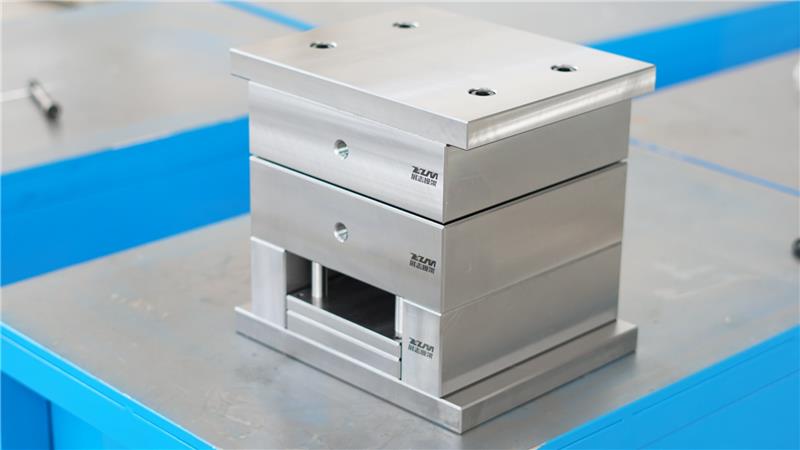
Mold base
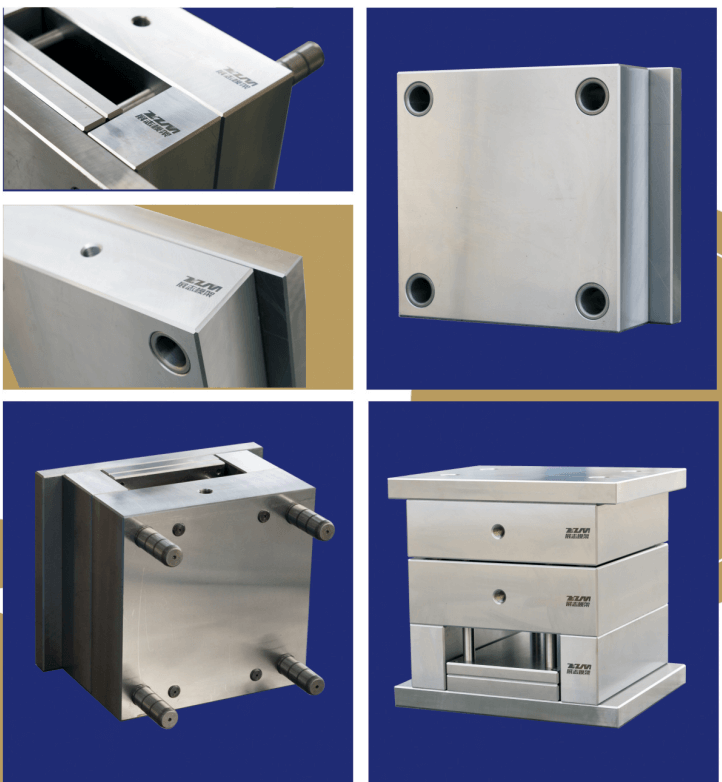
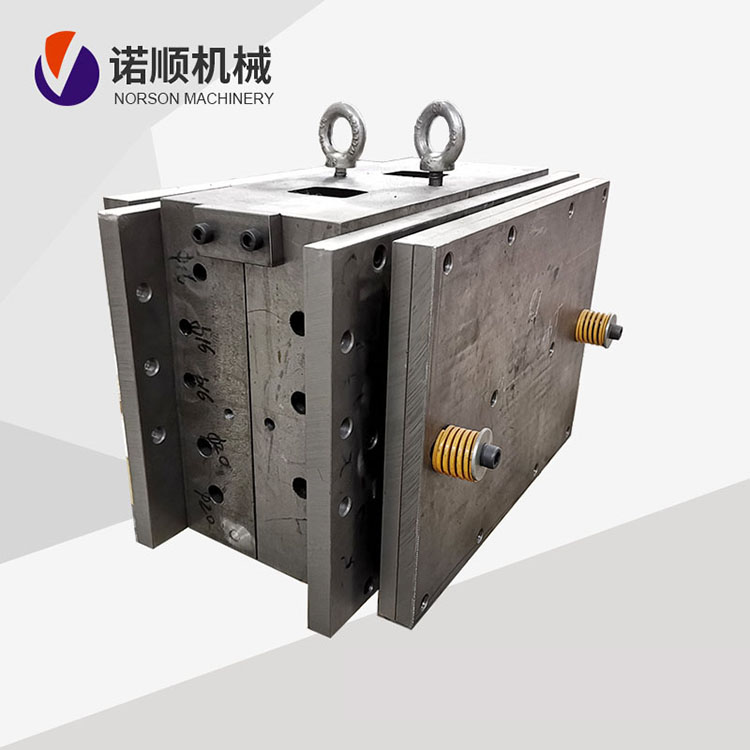
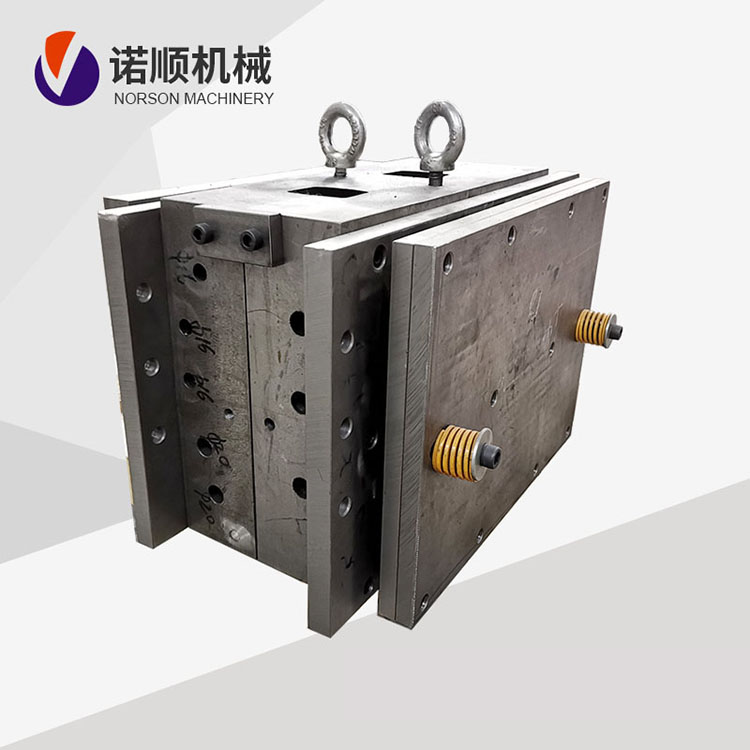
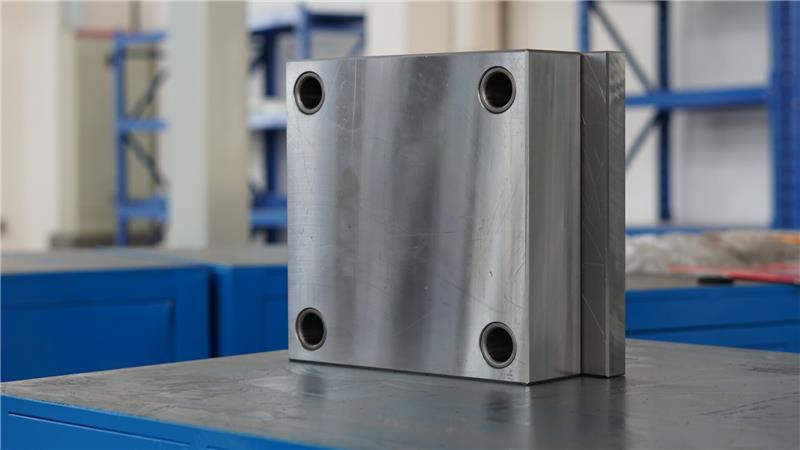
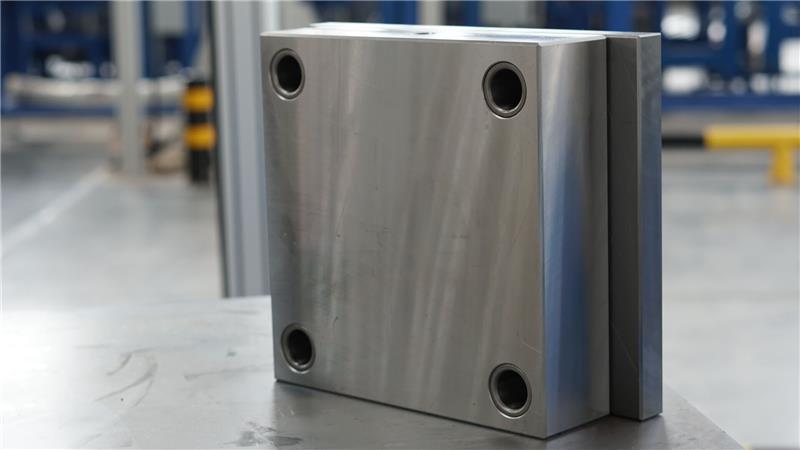
Mold bases, also known as mold blanks or mold seats, serve as the foundation for molds, standard mold bases facilitate mold installation, providing support, protection, and connection for the key mold components (mold cores). Since mold blanks do not participate in the molding process, their shape does not change with the part variations and is only related to the size and structure of the parts. Therefore, mold blanks can be standardized, meaning they have a similar form with variations only in size and thickness, making the processing very convenient. Mold blank factories can first process various sizes and specifications of mold blank parts (such as templates, mold bases, guide pins) and then assemble them into complete sets according to customer requirements. The mold blank standards include Longji, Fortuna, HASCO, etc. The main processing equipment for standard mold bases is milling machines, grinding machines, and drilling machines. Milling and grinding machines process six surfaces to the specified size and finish. Drilling machines bore holes on the mold base that do not require high precision, such as screw holes, lifting ring holes, mold base drilling, and threading. The basic requirement for a standard mold base is to ensure smooth mold opening. The ease of mold opening is directly related to the precision of the four guide pin holes. Therefore, it is generally necessary to use CNC vertical machining centers for quick drilling and then boring to achieve the required precision.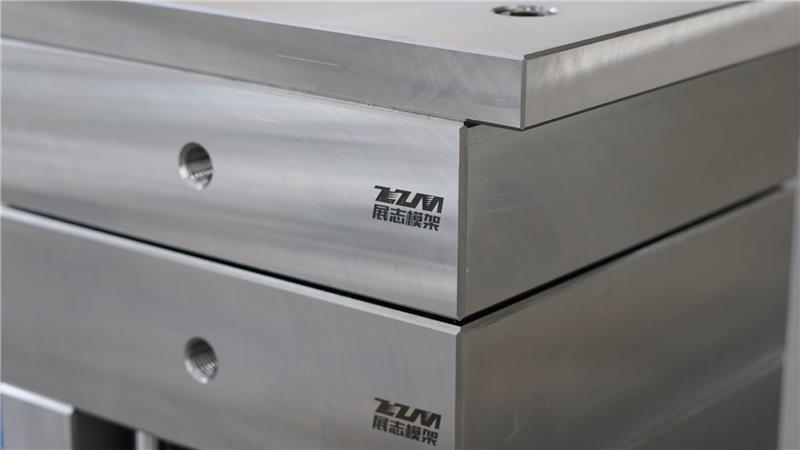
Mold frames are the supports for molds. Mold manufacturing involves assembling and securing the various parts of the mold in a specific pattern and position on a die casting machine, allowing the mold to be mounted on the working part of the machine. This assembly is referred to as the mold frame, and it consists of the ejector mechanism, guide mechanism, pre-reset mechanism, foot pads, and base plate.
Molds are the fundamental framework used in cold stamping dies to install and secure the relevant components, ensuring that all parts are properly positioned and firmly mounted for stability.
Used for positioning and securing the connection with stamping equipment, to transfer the force and movement of the stamping equipment to the workpiece, and complete the normal stamping forming process.
So, the mold base is also an important part of the cold stamping mold.