






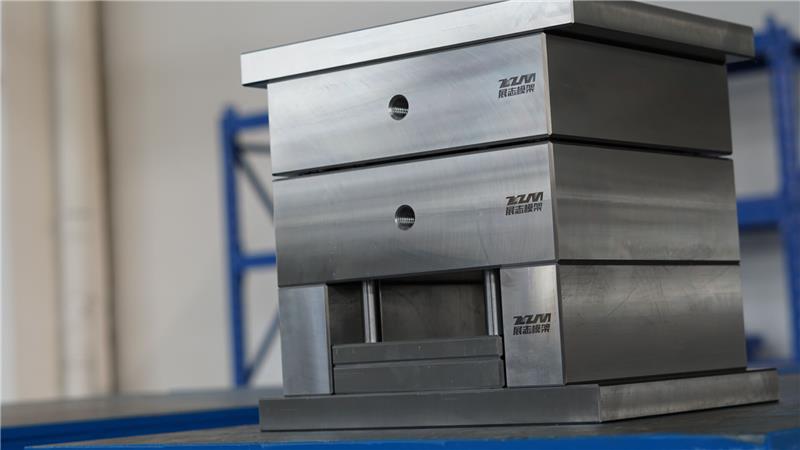
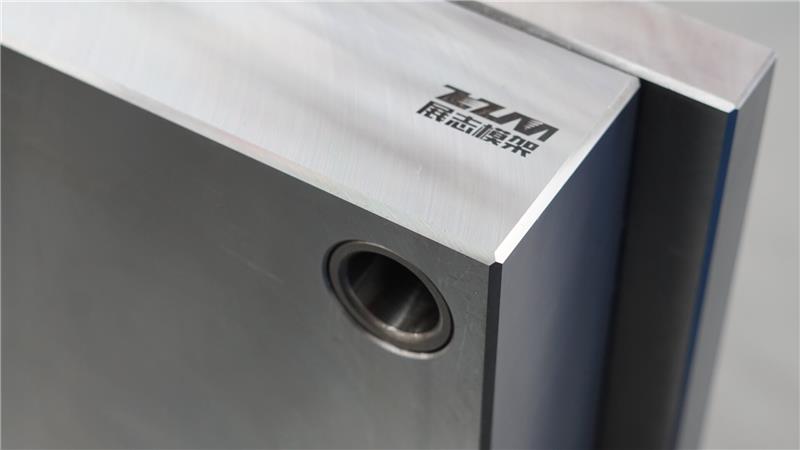
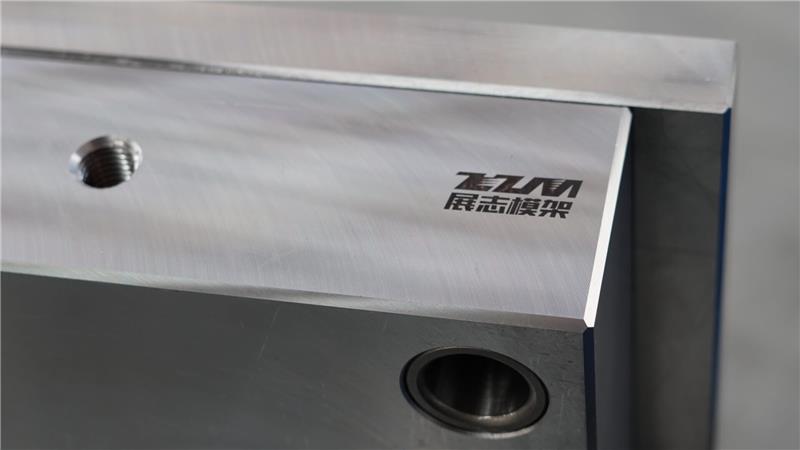
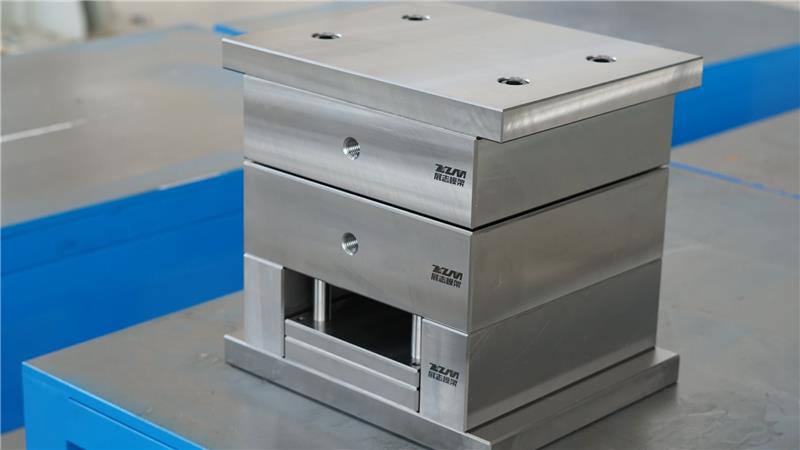

 Plastic Mold Frame
Mold injection molding is a processing method used for mass-producing complex-shaped parts. Specifically, it involves melting plastic raw materials and pushing them through a high-pressure nozzle into the mold cavity of a plastic mold using an injection machine's screw. After cooling and solidifying, the plastic formed product is obtained.
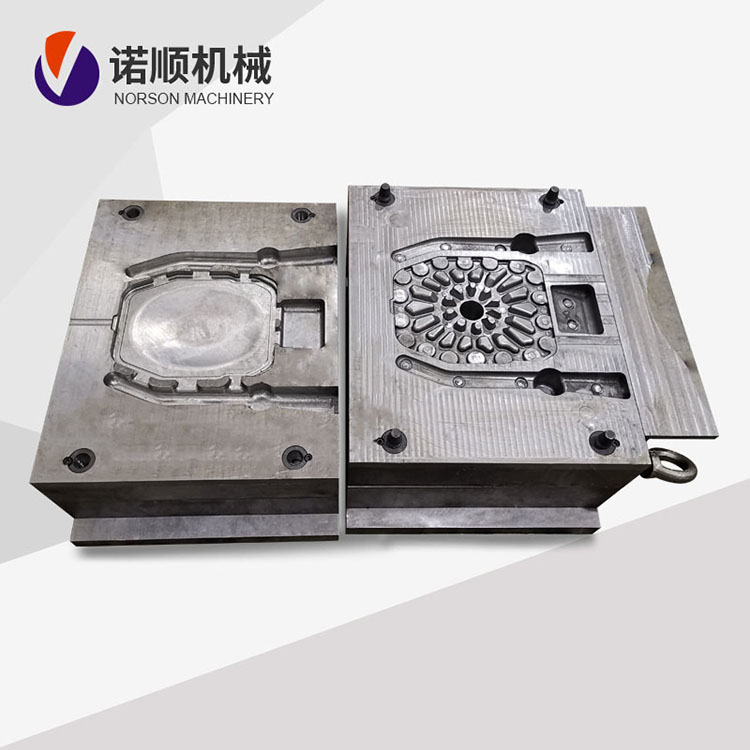
Plastic molds consist of two parts: the moving mold and the fixed mold. The moving mold is mounted on the moving template of the injection molding machine, while the fixed mold is mounted on the stationary template. During injection molding, the moving and fixed molds close to form the gating system and the mold cavity. When the mold opens, the moving and fixed molds separate to allow for the removal of the plastic product.
The structure of plastic molds may vary greatly due to differences in plastic types and properties, the shape and structure of plastic products, and the type of injection machine, but the basic structure remains consistent.
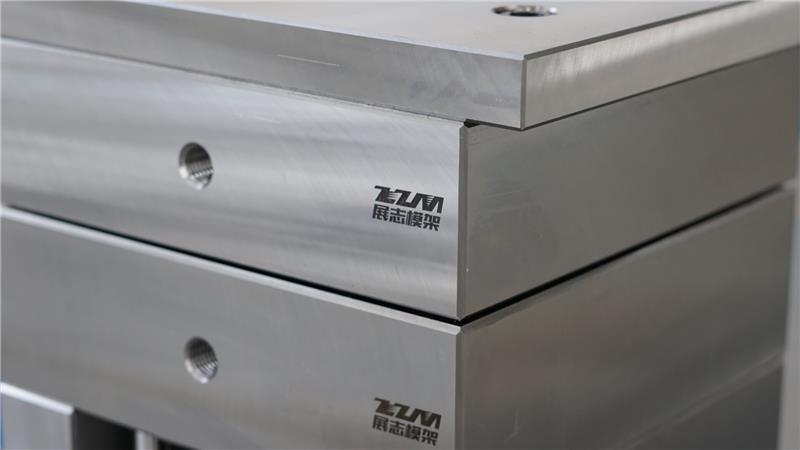
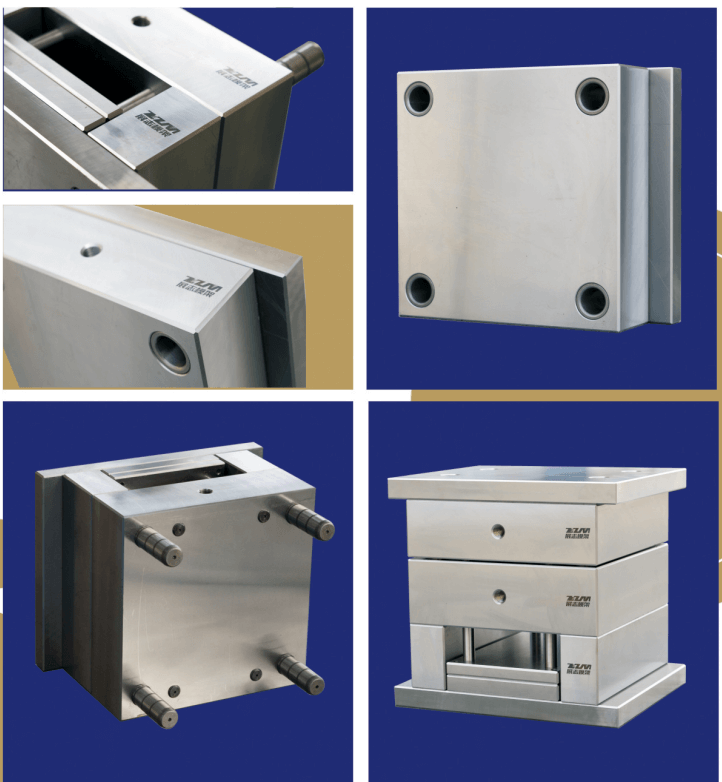
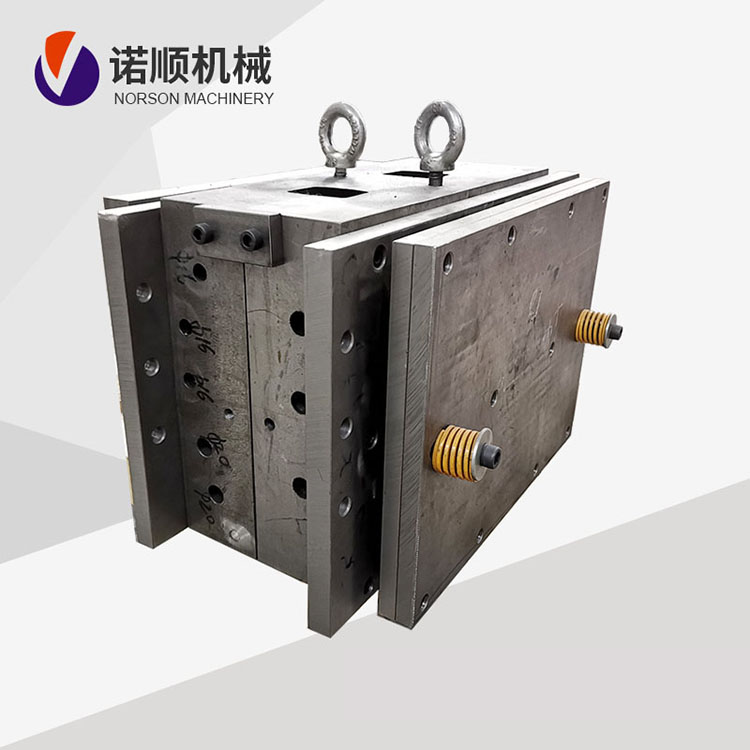
Mold base
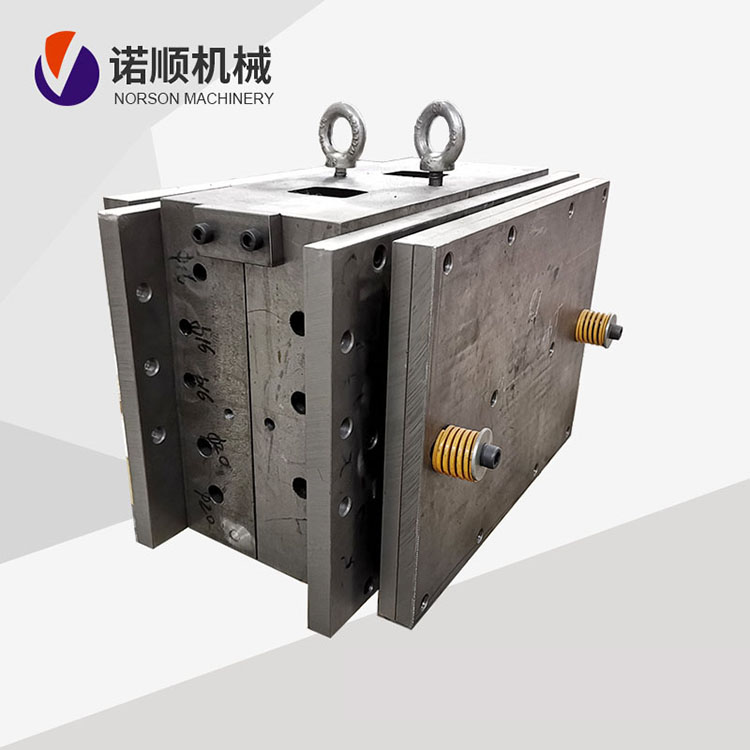
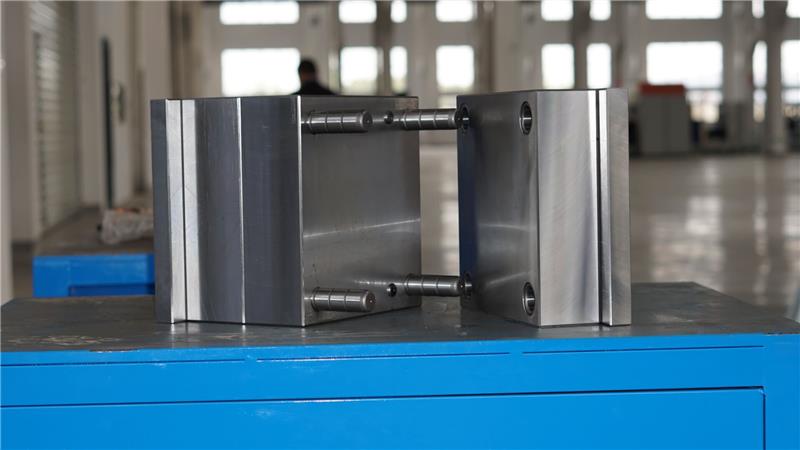
Mold bases, also known as mold shells or mold seats, serve as the foundation of molds, facilitating their installation, providing support and protection, and connecting key mold components (such as cores). Since mold shells do not participate in the molding process, their shape does not change with the part design; it only relates to the size and structure of the parts. This allows for the standardization of mold shells, meaning they have a similar form with variations only in size and thickness. Standardization makes processing much easier. Mold shell manufacturers can pre-process various sizes and specifications of mold shell parts (like templates and guide pins) and then assemble them into complete mold sets as needed. Common mold shell standards include Longji, Futeba, and HASCO. Standard mold base processing equipment primarily includes milling machines, grinding machines, and drilling machines. Milling and grinding machines process six faces to the specified dimensions. Drilling machines bore holes on the mold base that do not require high precision, such as screw holes and lifting ring holes. Standard mold base factories also perform threading. The fundamental requirement for a standard mold base is the ability to open it smoothly. The ease of opening is directly related to the precision of the four guide pin holes, the mold base itself. Therefore, it is common to use CNC vertical machining centers for rapid drilling and boring to achieve the required precision.
Mold frames, also known as mold supports, refer to the assembly and fixation of various mold parts in a specific pattern and position on a die-casting machine. This enables the mold to be mounted onto the working parts of the die-casting machine. It is composed of the ejector mechanism, guide mechanism, pre-reset mechanism, foot pads, and base plate.
Molds are the fundamental framework used in cold stamping dies to install and secure the relevant components, ensuring that various parts are positioned correctly and installed firmly and stably.
Used to form locating and fixed connections with stamping equipment, precision mold frames are employed to transfer the force and motion of the stamping equipment to the workpiece, thus completing the normal stamping forming process.
So, mold bases are also an important part of cold stamping molds.