






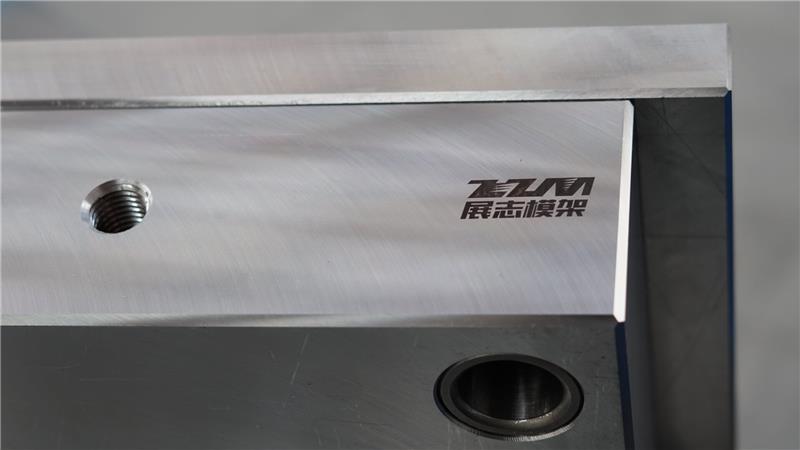
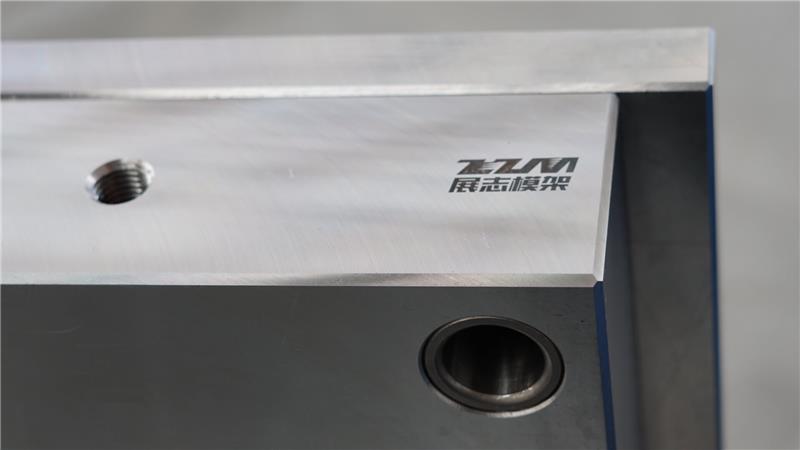
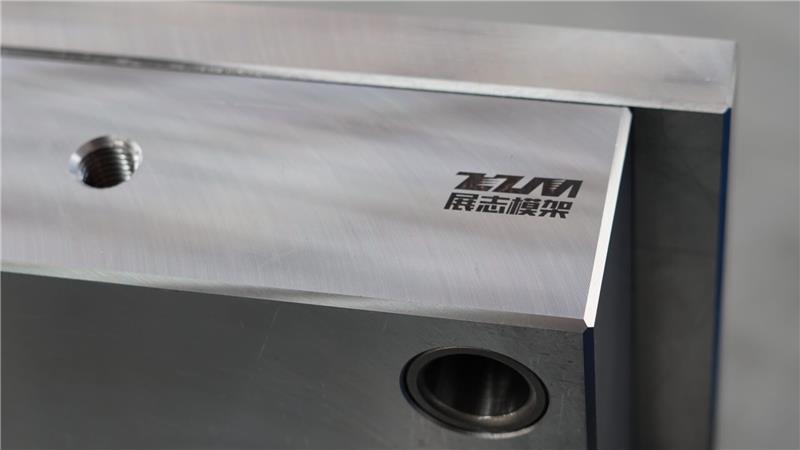
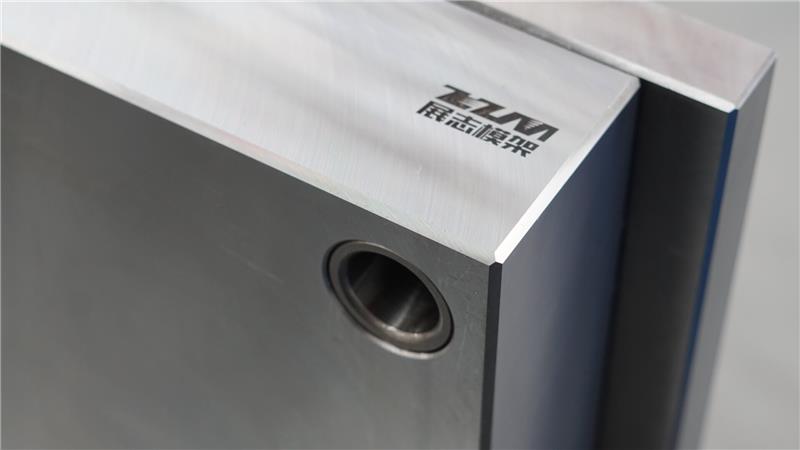
 Mold
Mold
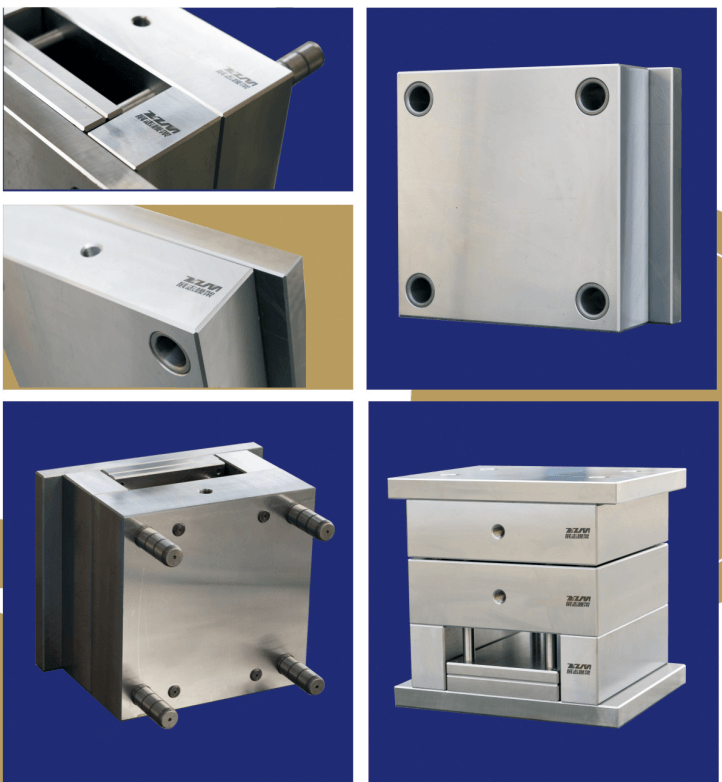
Molds are tools used in industrial production for injection molding, blow molding, extrusion, die casting, forging, and other processes to shape various products. In short, molds are tools used to create shaped items, consisting of various components. Different molds are made up of different components. They primarily process the shape of items by altering the physical state of the material being shaped. Known as the "industrial" tool. Tools that shape blanks into specific shapes and sizes under external force. They are widely used in stamping, die forging, cold heading, extrusion, powder metallurgy parts pressing, pressure casting, and the molding or injection molding of products such as engineering plastics, rubber, ceramics, etc. Molds have specific contours or internal cavity shapes. The application of blade-shaped contours allows blanks to separate along the contour lines (cutting). The application of internal cavity shapes gives blanks the corresponding three-dimensional shape. Molds typically consist of two parts: the moving mold and the fixed mold (or the male and female molds), which can be separated or combined. When separated, the finished product is removed, and the mold is manufactured. When combined, the blank is injected into the mold cavity to form the shape. Molds are precision tools with complex shapes, which withstand the expansion force of the blank and have high requirements for structural strength, rigidity, surface hardness, surface roughness, and processing accuracy. The development level of standard mold frame manufacturers and mold production is an important indicator of the level of mechanical manufacturing.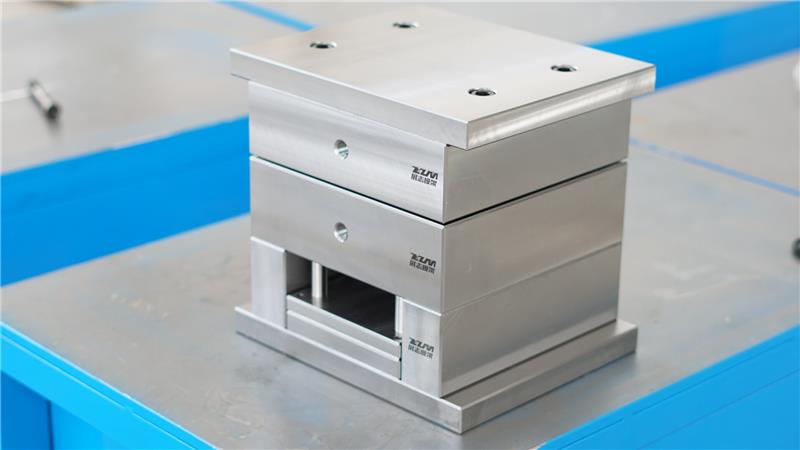
Plastic Molding Jigs
Mold injection molding is a processing method used for mass-producing complex-shaped parts. The specific principle is: heated and melted plastic raw materials are pushed forward by the screw of an injection molding machine and forcefully injected into the mold cavity of a plastic mold. After cooling and solidifying, plastic shaped products are obtained.
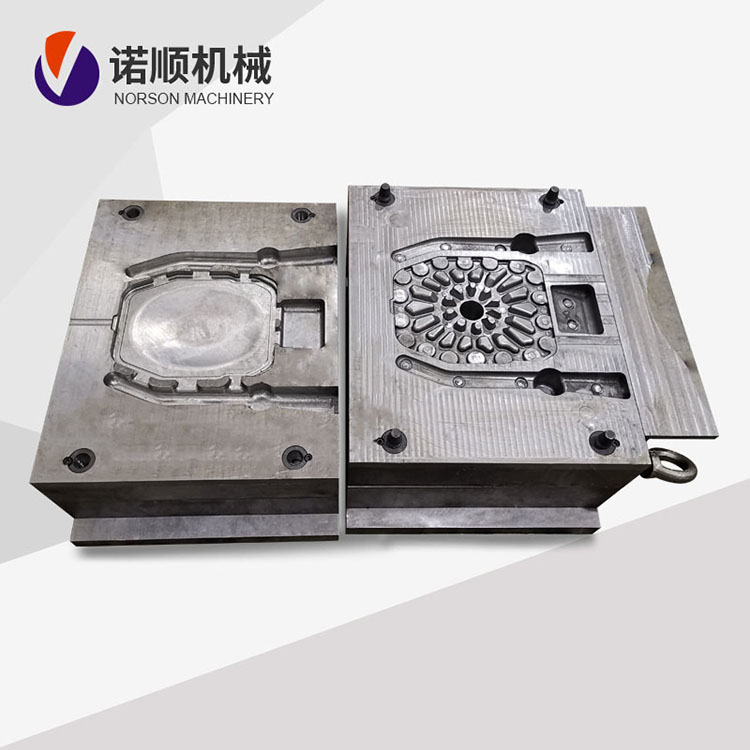
Plastic molds consist of two parts: the moving mold and the fixed mold. The moving mold is mounted on the movable template of the injection molding machine, while the fixed mold is mounted on the stationary template. During injection molding, the moving and fixed molds close to form the gating system and mold cavity. When the mold is opened, the moving and fixed molds separate to allow for the removal of the plastic product.
The structure of plastic molds may vary greatly due to different plastic types and properties, the shapes and structures of plastic products, and the types of injection machines, but the basic structure remains consistent.
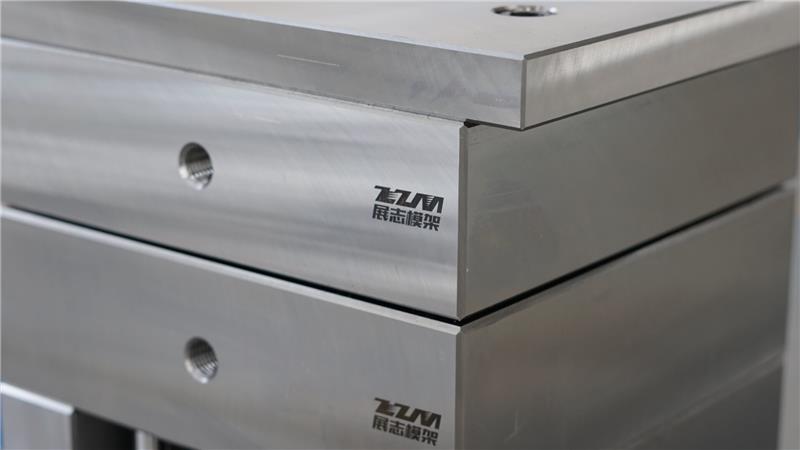
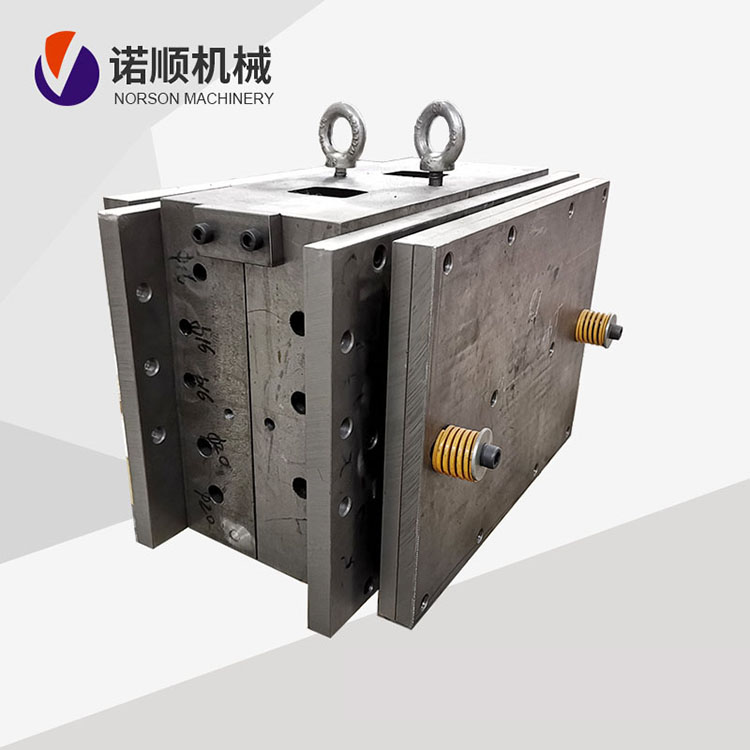
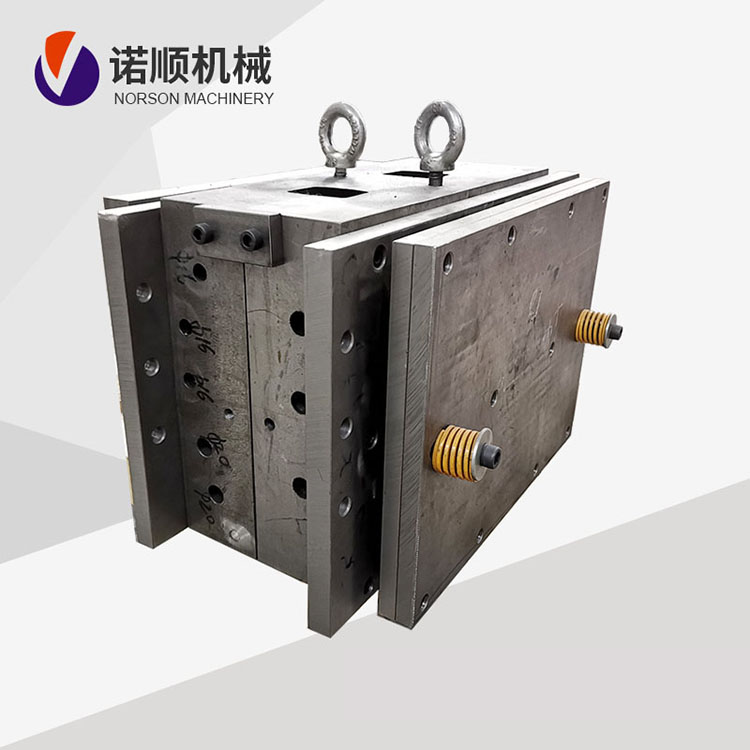
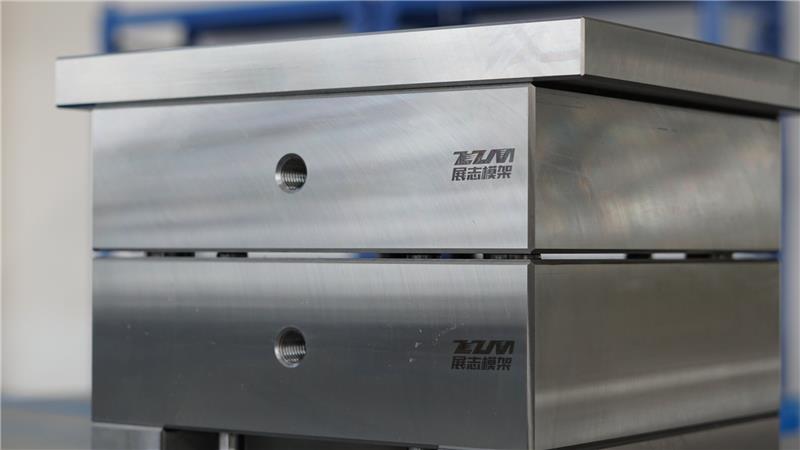
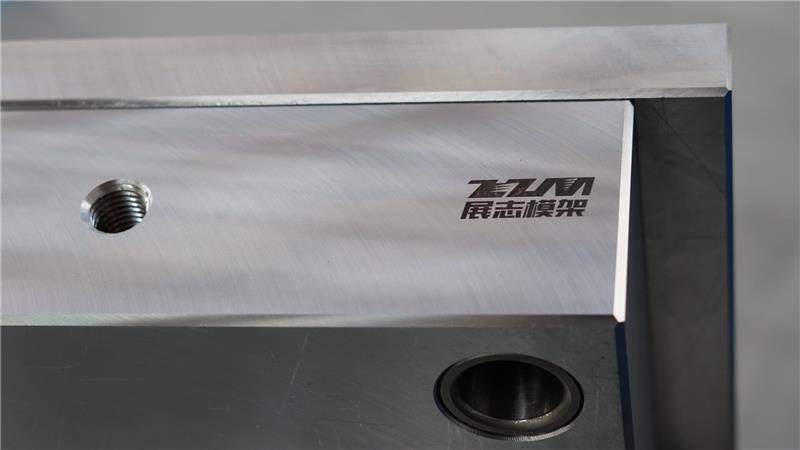
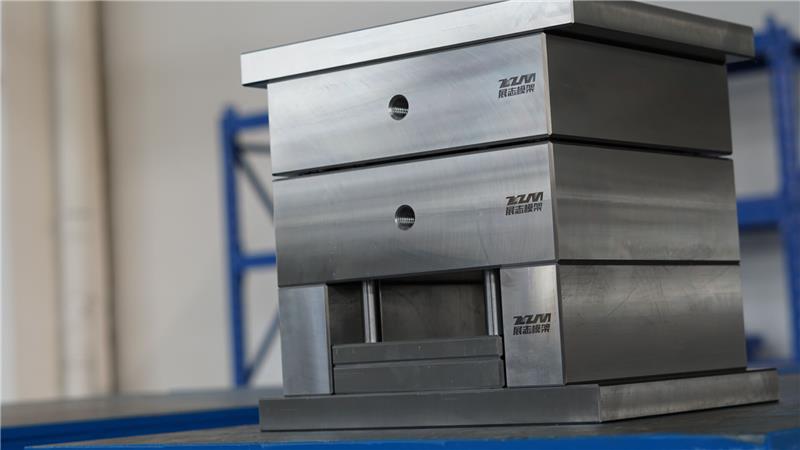
Mold frames are the supports for molds, such as the assembly and fixation of mold parts in a certain pattern and position on a die casting machine, allowing the mold to be mounted on the working part of the machine. They consist of the ejector mechanism, guide mechanism, pre-reset mechanism, mold foot pads, and base plate.
The mold base serves as the fundamental framework for installing and securing the various components of cold-forming dies, ensuring that all parts are properly positioned, firmly mounted, and stable.
Used to position and securely connect with stamping equipment, facilitating the transfer of the equipment's force and motion to the workpiece, to complete the normal stamping forming process.
Therefore, the mold base is also an essential component of the cold stamping mold.