






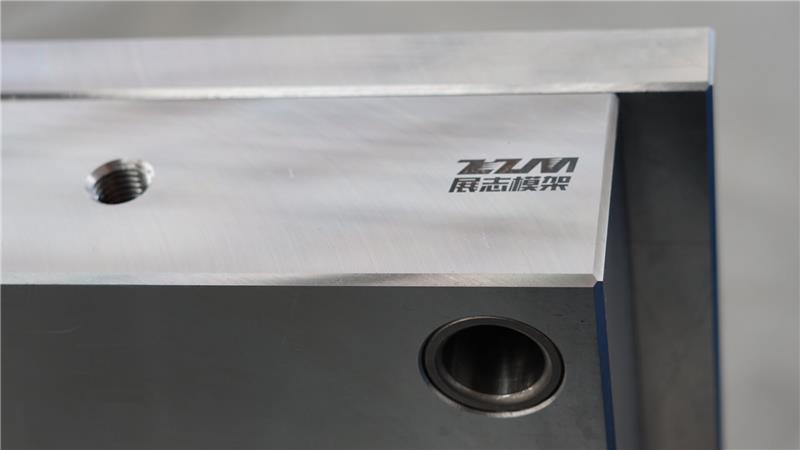
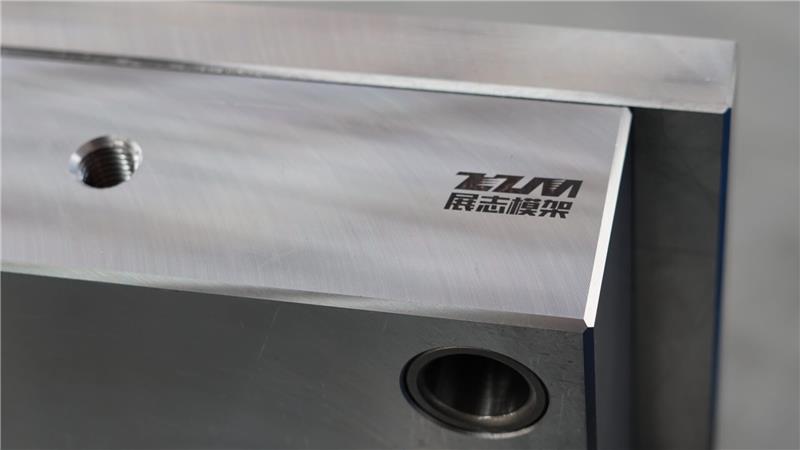
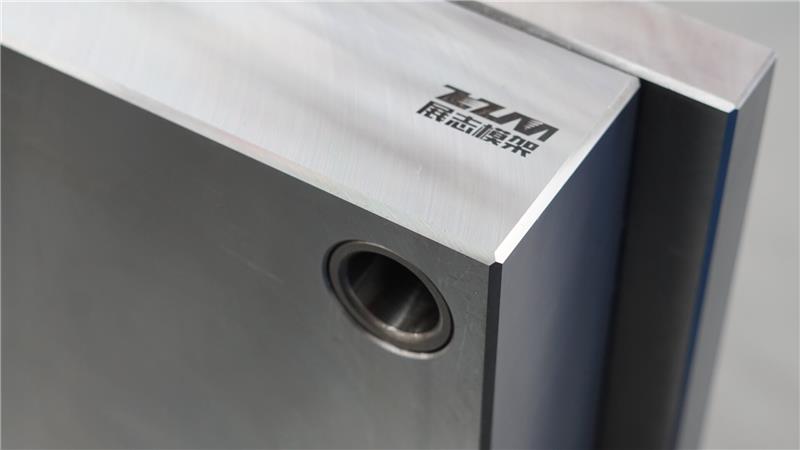
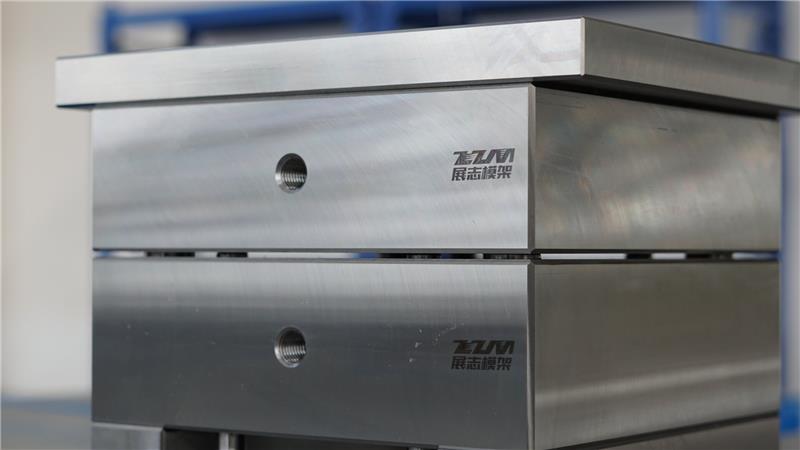
Precision mold bases
If you're unfamiliar with what precision molds are and how to define them, initially, it's crucial to assess the dimensions of the products they produce. You can also define the precision of these molds based on these dimensions. Many products, such as precision mold frames, have stringent size requirements, like car parts, which demand very precise dimensions. Therefore, when selecting molds, it's essential to opt for precision molds and standard mold frame factories. Without precision molds, the production of car parts cannot be used normally, and it will also affect the subsequent results.
What are the functions of these molds?
When it comes to molds, many people may not have a clear definition, but in general, they are used for producing products, such as clothing racks and toothbrushes used in everyday life, as well as the shells and switches of household appliances. Regardless of the product, the requirements for molds are particularly high; if the precision of the mold is not accurate, it will affect the quality of the product.
Advanced equipment is essential for manufacturing precise molds, and only with such equipment and skilled workers can these molds be produced. The precision of the molds directly affects product quality, and it is these precise molds that ensure the quality of certain products.
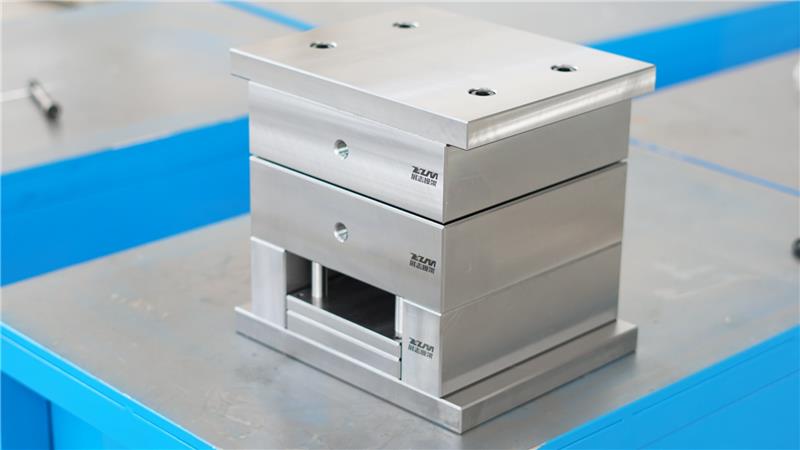
Standard Molding Jig
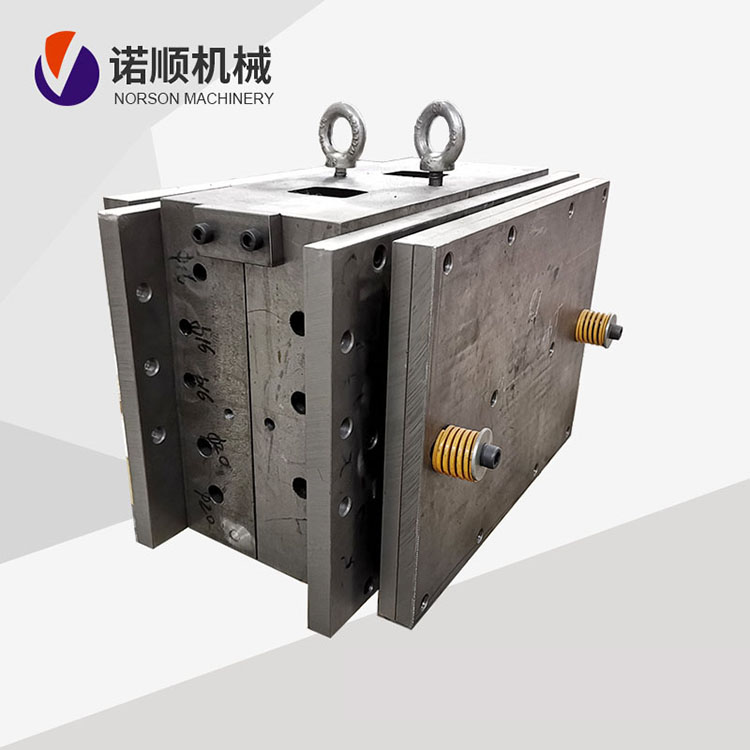
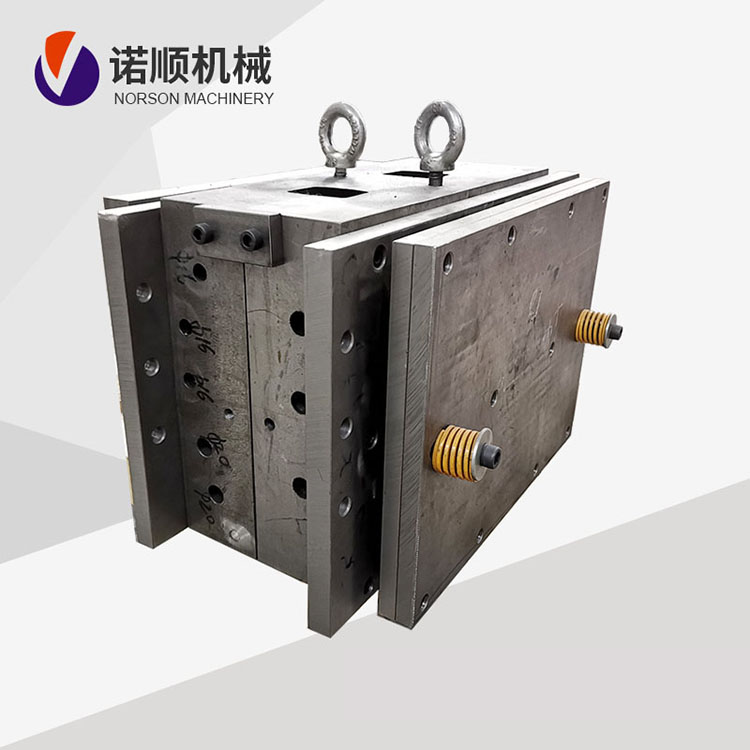
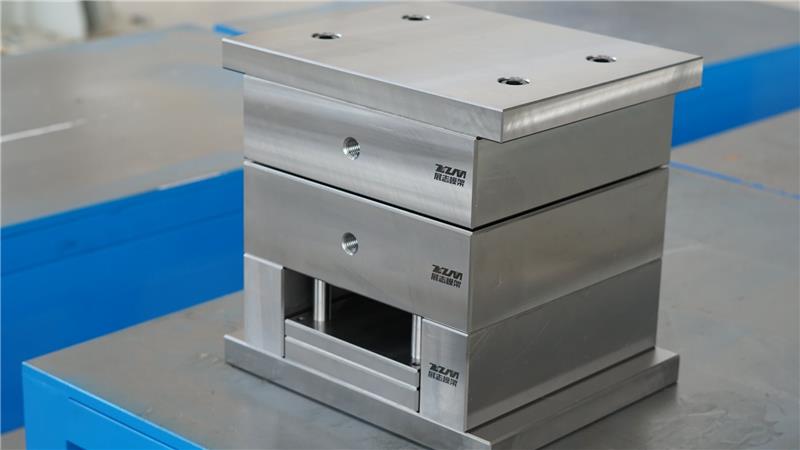
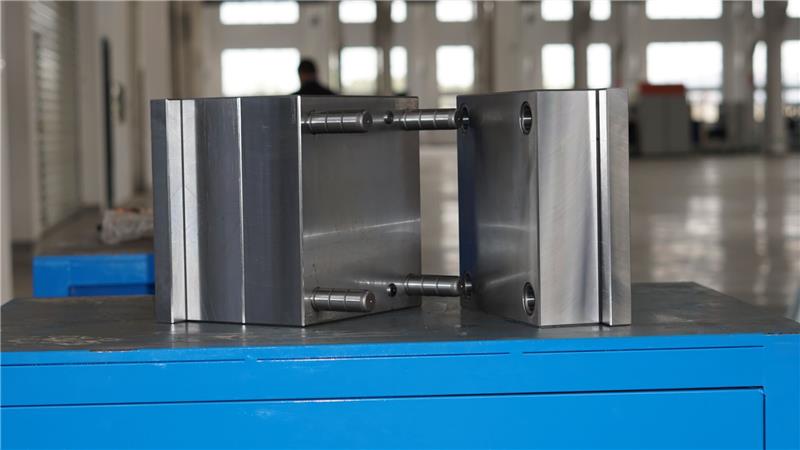
Mold frames, which support the molds, are essential components. For instance, on a die casting machine, they assemble and secure the mold's various parts in a specific pattern and position. The mold frame, which allows the mold to be mounted on the die casting machine and function, consists of the ejection mechanism, guiding mechanism, pre-resetting mechanism, mold foot pad, and base plate.
Molds are the fundamental framework used for installing and securing the various components of cold-forming dies, ensuring that all parts are positioned correctly and are firmly and stably mounted.
Used to form positioning installation and fixed connection with stamping equipment, to transmit the force and motion of the stamping equipment to the work parts, and complete the normal stamping forming process.
Therefore, the mold frame is also an essential part of the cold stamping mold.
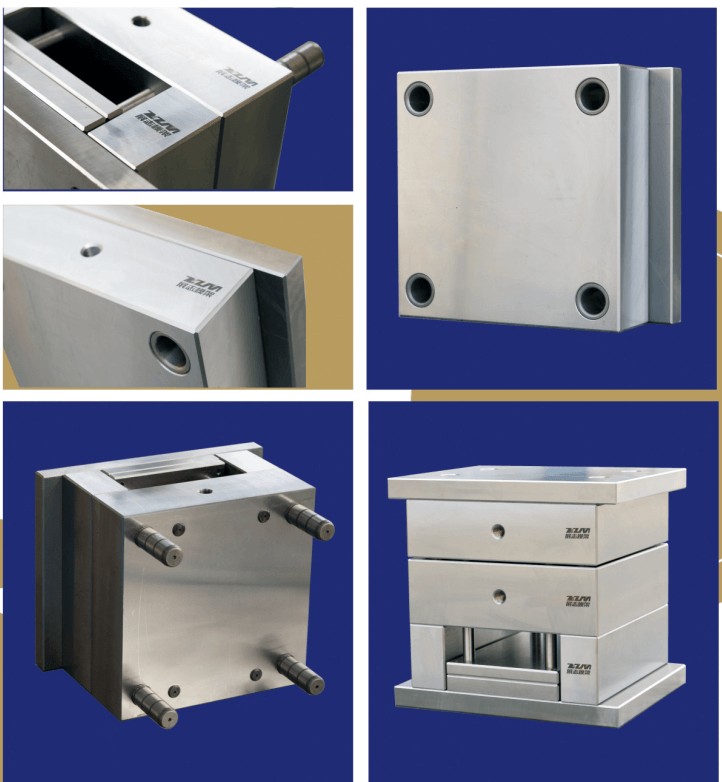
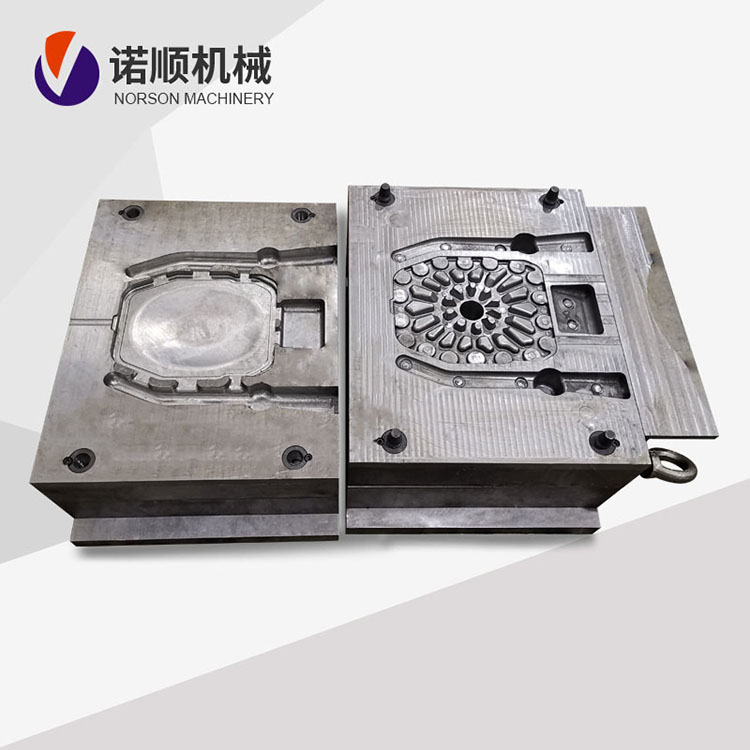
Molds, used in industrial production for injection molding, blow molding, extrusion, die casting, forging, and other processes to obtain various products, consist of various molds and tools. In short, molds are tools used for shaping items, composed of various components. Different molds are made up of different components. They primarily process the shape of items by altering the physical state of the material being shaped. Known as the "industry" of tools. These tools, under external force, transform raw materials into products with specific shapes and dimensions. They are widely used in cutting, die forging, cold heading, extrusion, powder metallurgy pressing, pressure casting, and the forming processes of engineering plastics, rubber, ceramics, and other products. Molds have specific contours or internal cavity shapes. The application of刃口-shaped contours allows the raw material to separate along the contour lines (cutting). The application of internal cavity shapes enables the raw material to acquire corresponding three-dimensional shapes. Molds generally consist of two parts: the moving mold and the fixed mold (or the male and female molds), which can be separated or combined. When separated, the finished product is removed; when combined, the raw material is injected into the mold cavity for shaping. Molds are precision tools with complex shapes. The mold frame withstands the expansion force of the raw material and has high requirements for structural strength, rigidity, surface hardness, surface roughness, and processing accuracy. The development level of mold production is one of the important indicators of the level of mechanical manufacturing.