






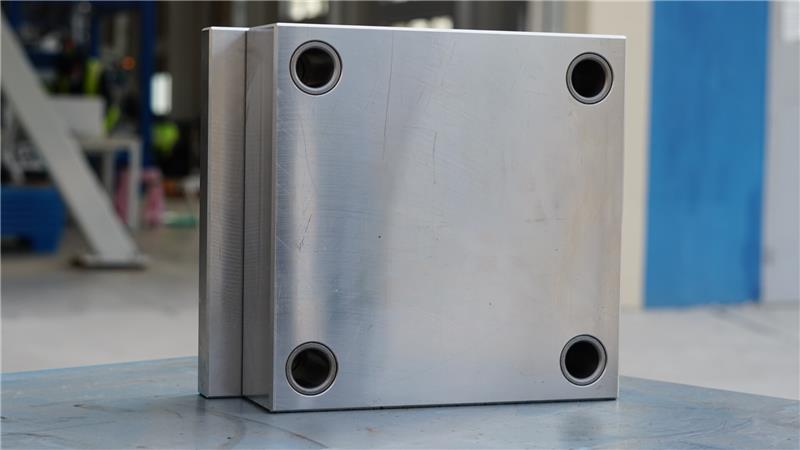
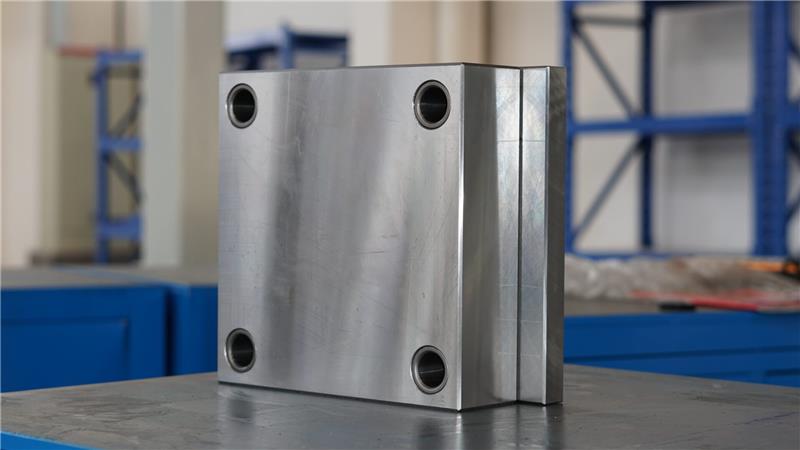
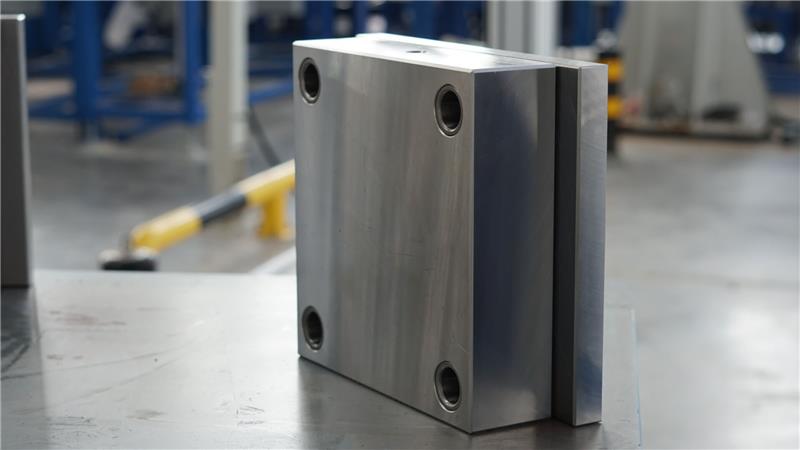
Mold base
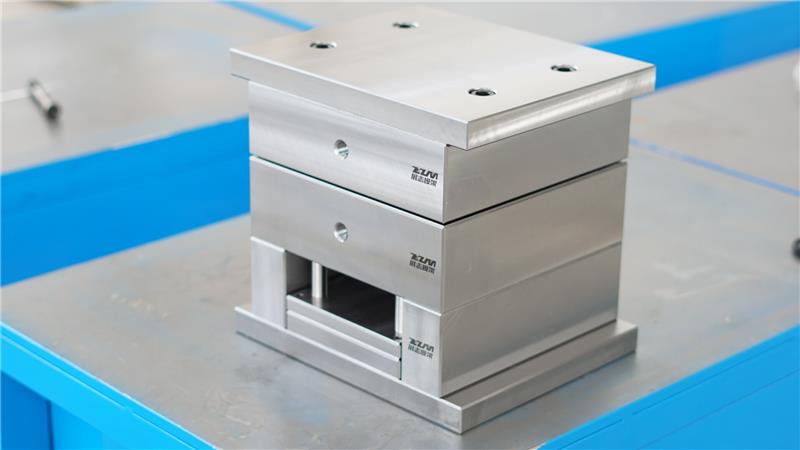
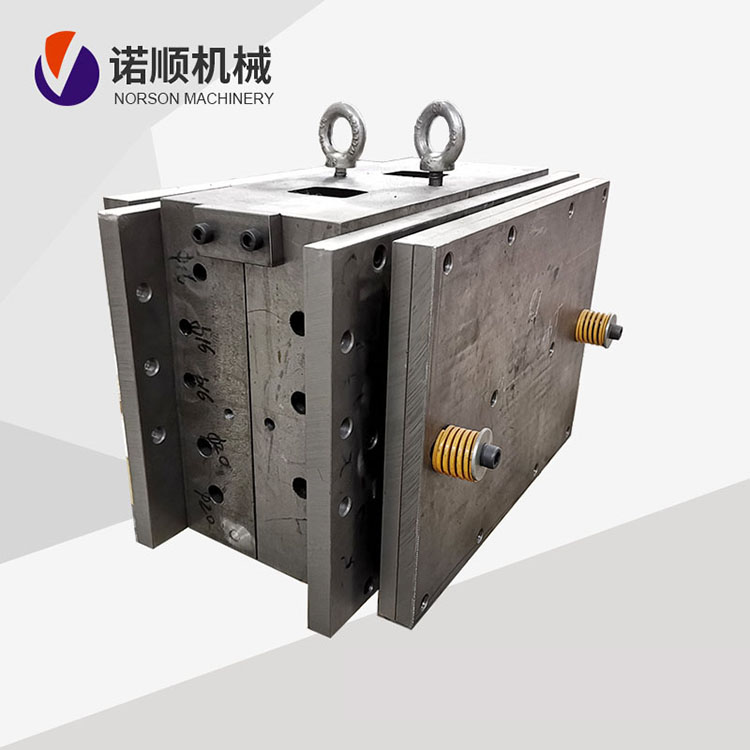
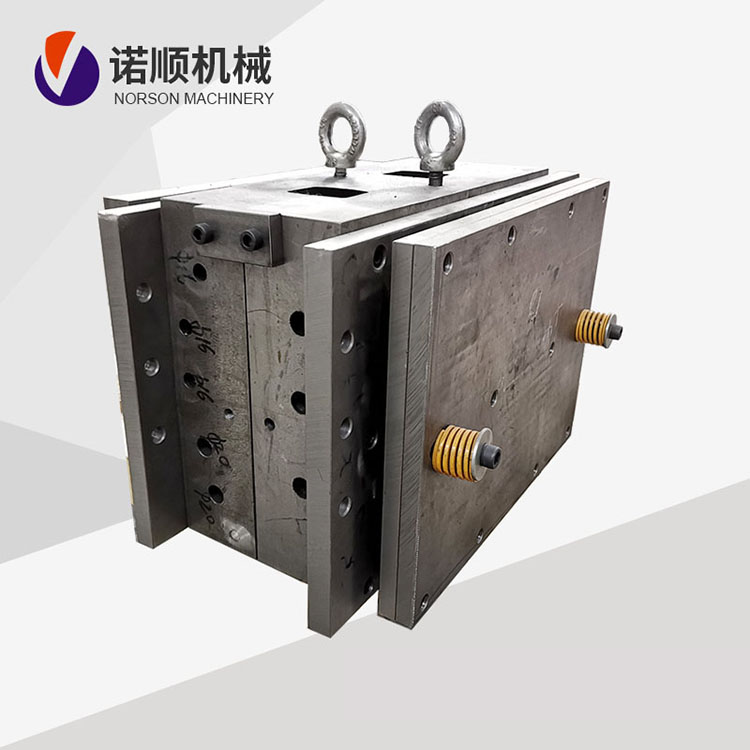
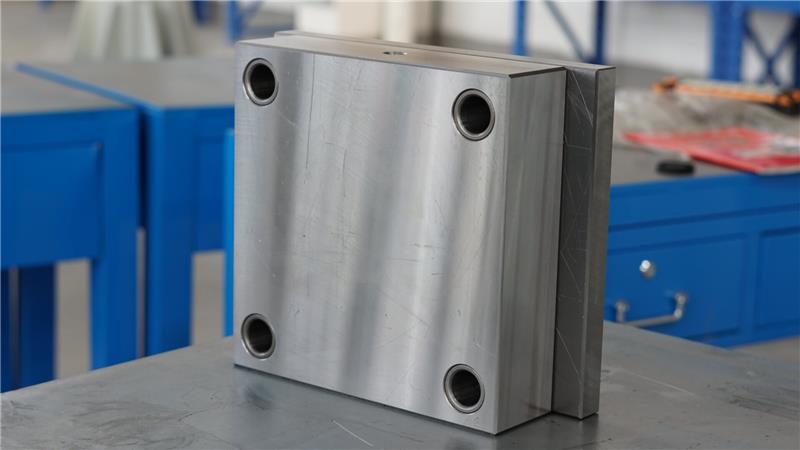
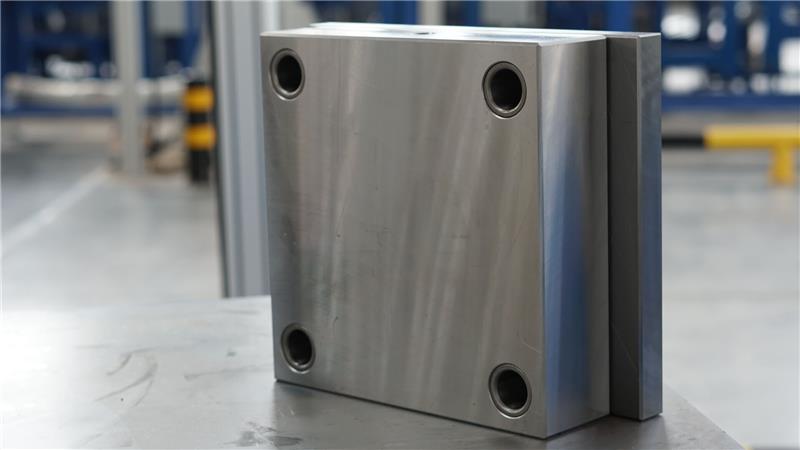
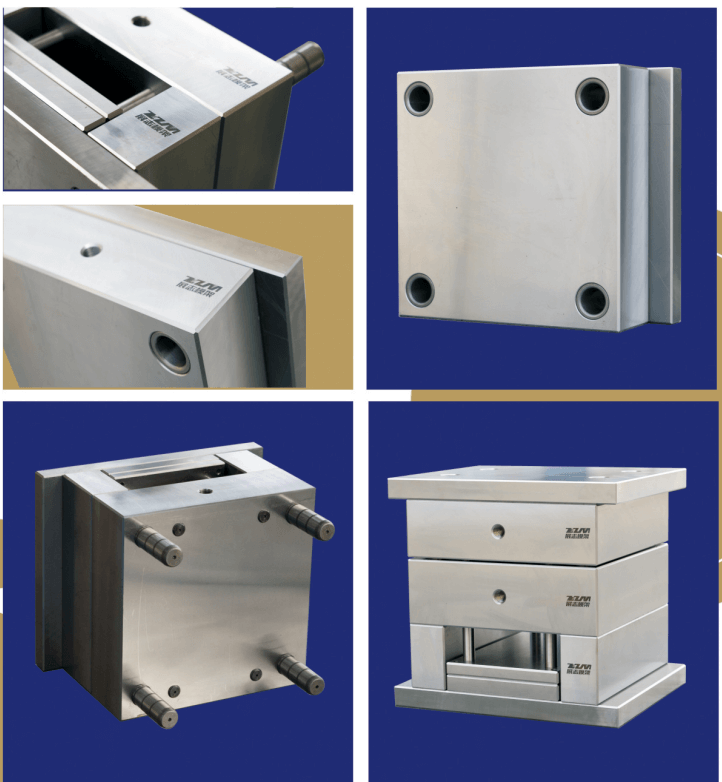
Molds are also known as mold blanks or mold bases. They serve as the foundation of the mold, facilitating installation, providing support and protection, and connecting the key components (mold cores) of the mold. Since mold blanks do not participate in the molding process, their shape does not change with the parts and is only related to the size and structure of the parts. Therefore, mold blanks can be standardized, meaning the mold blank forms are generally similar, with only variations in size and thickness. Standard mold base factories make it very convenient to process after standardization. Plastic mold bases and mold blank factories can first process various sizes and specifications of mold blank components (mold plates, guide pins) and then assemble them into sets according to customer needs. The mold blank standards include Longji, Futeba, and HASCO, among others. The main processing equipment for standard mold bases is milling machines, grinding machines, and drilling machines. Milling and grinding machines process six surfaces to the specified dimensions. Drilling machines bore holes on the mold base that do not require high precision, such as screw holes and lifting ring holes, and perform threading. The basic requirement for a set of standard mold bases is to ensure smooth demolding. The ease of demolding is directly related to the precision of the four guide pin holes. Therefore, it is generally necessary to use CNC vertical machining centers for quick drilling and boring to achieve precision.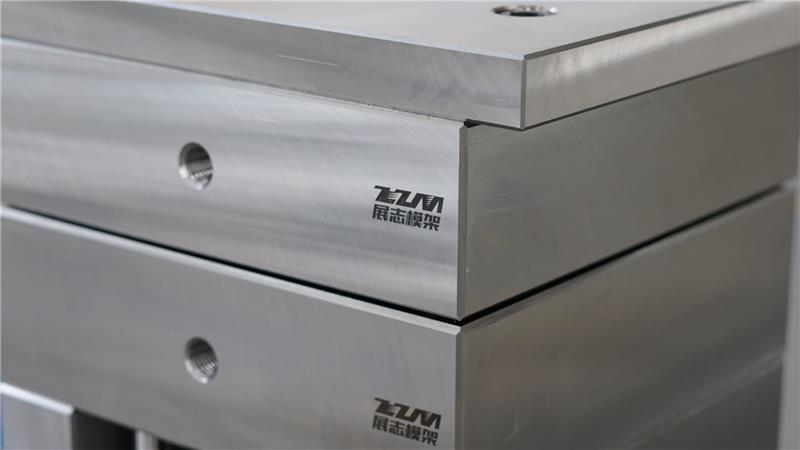
Standard Mold Frame
Mold frames are the supports for molds, such as the assembly and fixation of mold parts in a certain pattern and position on a die casting machine, allowing the mold to be mounted on the working part of the machine. They consist of the ejector mechanism, guide mechanism, pre-reset mechanism, mold foot pads, and base plate.
Mold frames serve as the fundamental skeletal structure for cold-forming dies, used for installing and securing the relevant components. They ensure that various parts are positioned correctly, with firm and stable installation.
Used for positioning and securing the installation with stamping equipment, to transfer the force and motion of the stamping equipment to the workpiece, and complete the normal stamping forming process.
So, the mold base is also an important part of the cold stamping mold.
If you're unaware of what a precision mold is or how to define it, you should initially assess its precision by examining the dimensions of the products it produces. You can also define the mold's precision based on these dimensions. Many products demand stringent size requirements, such as automotive components, where tolerances are quite strict. Therefore, when selecting a mold, a precision mold is typically the go-to choice. Without a precision mold, the produced automotive parts won't function properly and could negatively impact subsequent outcomes.
What are the functions of these molds?
When it comes to molds, many people may not have a clear definition. In general, they are used for producing products, such as clothing racks, toothbrushes, and other household items like the shells and switches of appliances. Regardless of the product, the requirements for molds are particularly high. Inaccuracy in mold precision can affect product quality.
精密 mold making relies on advanced equipment, and only with advanced machinery and skilled workers can they produce precise molds. The precision of the molds directly affects product quality, and it is these precise molds that ensure the quality of certain products.