






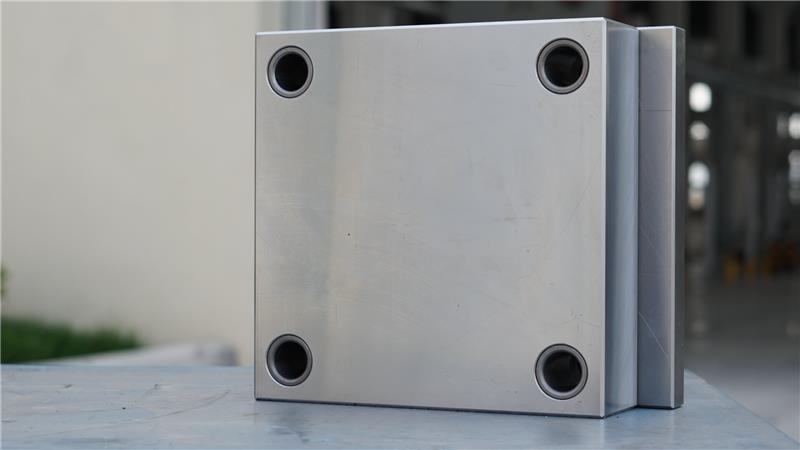
 Precision Molding Jigs
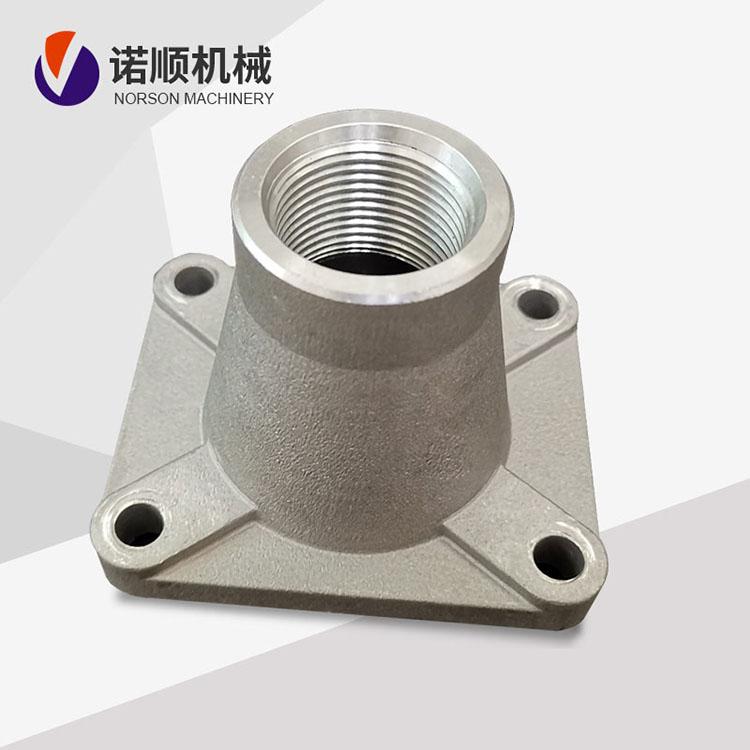
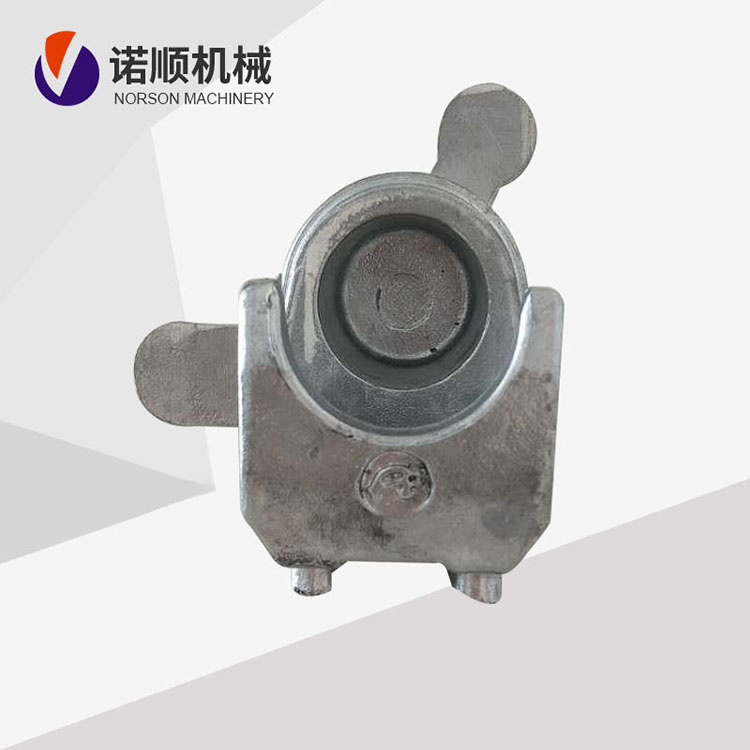
If you're unfamiliar with what precision molds are and how to define them, you can initially assess the precision of this mold set by examining the dimensions of the products it produces. You can also use these dimensions to determine if the mold is precise. Many products have stringent size requirements, such as automotive parts, where tolerances are quite strict. Therefore, when selecting molds, precision molds are the go-to choice. Without precision molds, the produced automotive parts won't function properly and could affect the final outcome.
What are the functions of these molds?
When it comes to molds, many people may not have a clear definition of mold manufacturing. In general, it involves producing products, such as clothing racks, toothbrushes, and the shells and switches of household appliances. Regardless of the product, the requirements for molds are particularly high. If the precision of the mold is not accurate, it can affect the quality of the product.
Precision mold making relies on advanced equipment; only with advanced machinery and skilled workers can intricate molds be produced. The precision of the molds directly impacts product quality, and it is these precise molds that ensure the quality of certain products. Author: bili_15607372902 https:///read/cv18379956 Source: bilibili
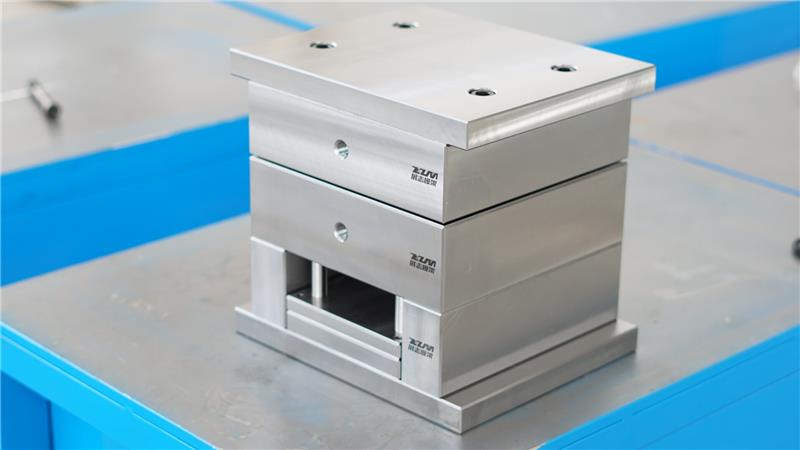
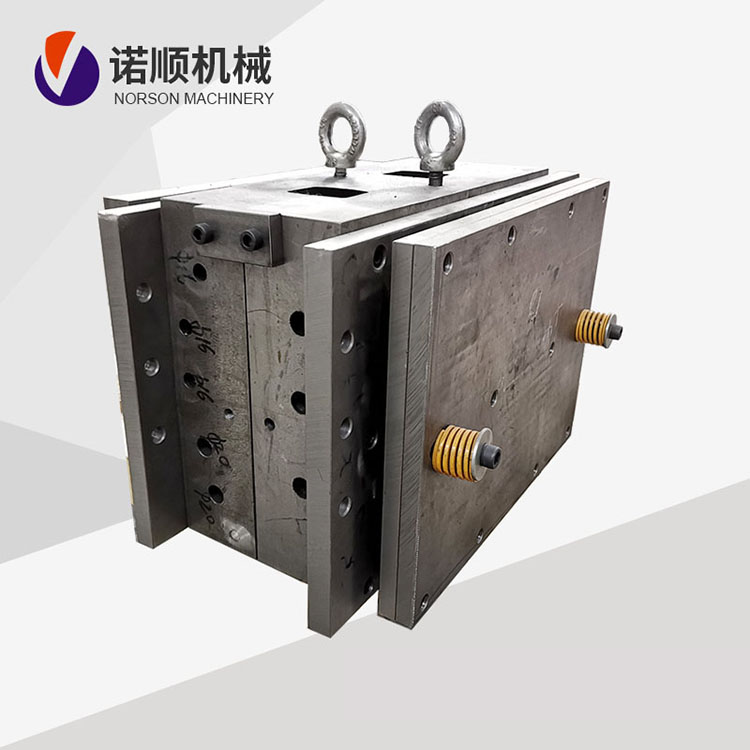
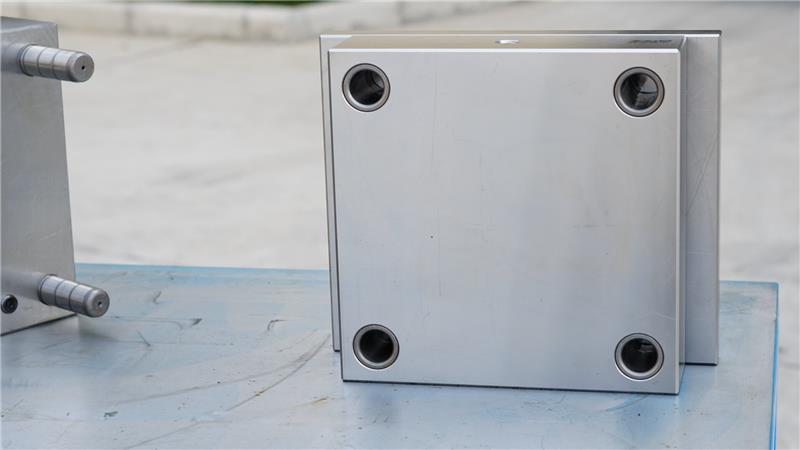
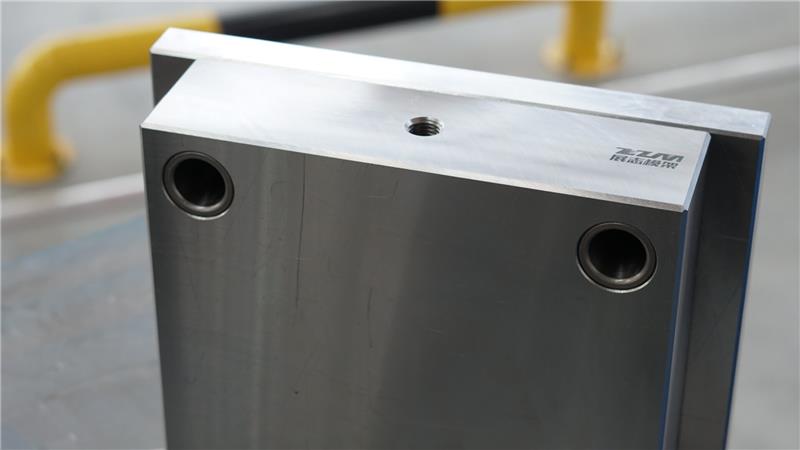
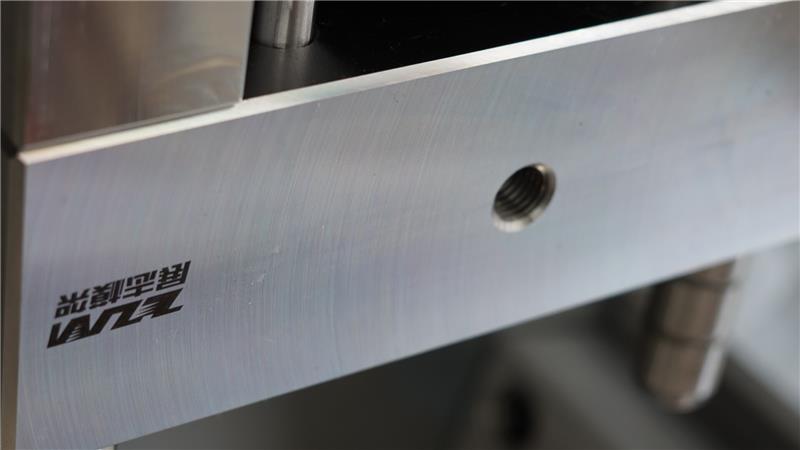
Mold base
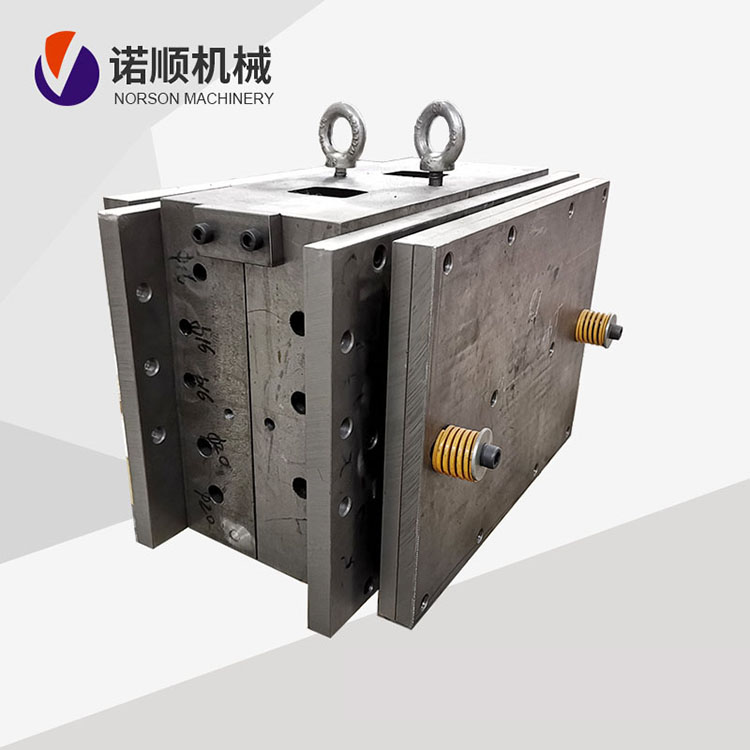
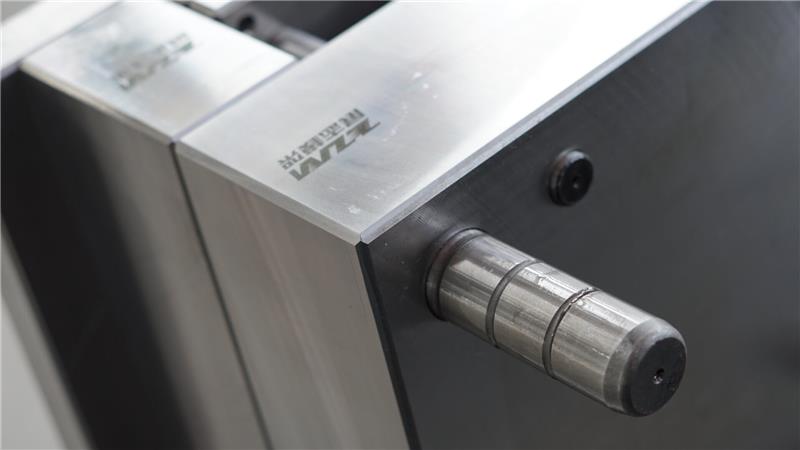
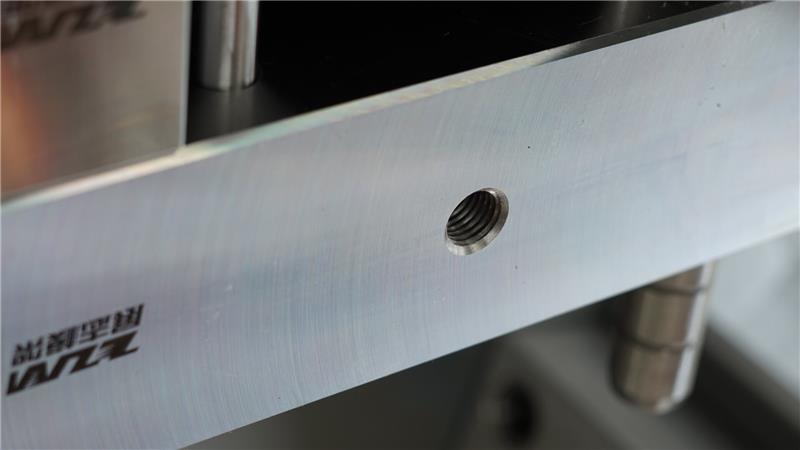
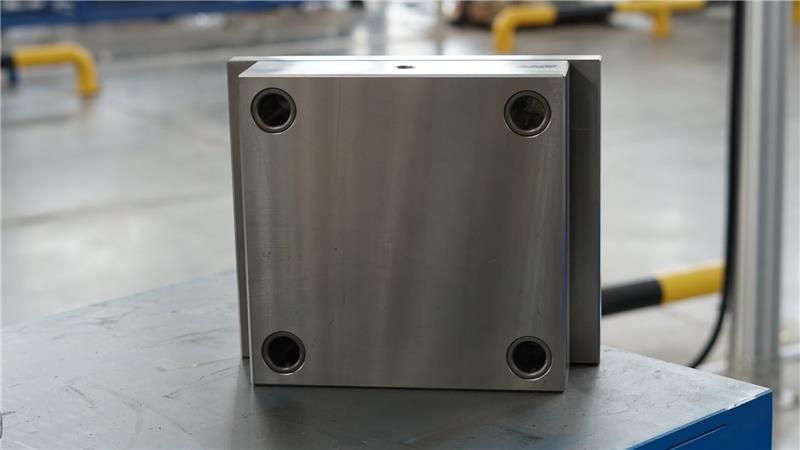
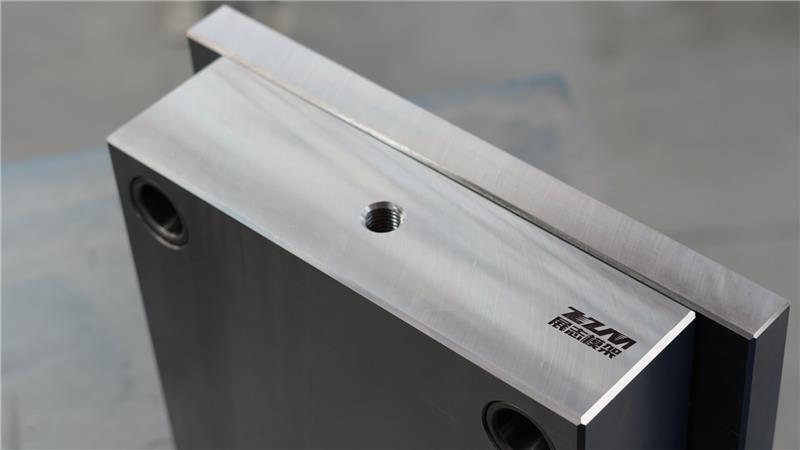
Mold bases, also known as mold shells or mold mounts, serve as the foundation for molds, facilitating installation and providing support, protection, and connection to the key mold components (mold cores). Since mold shells do not participate in the molding process, their shape does not change with the part variations and is only related to the part size and structure. Therefore, mold shells can be standardized, meaning they have a similar form with only variations in size and thickness. Standardization makes the processing very convenient. Precision mold bases, and mold shell manufacturers, can first process various sizes of mold shell components (such as templates and guide posts) and then assemble them into complete sets according to customer requirements. The mold shell standards include Longji, Fortuna, and HASCO, among others. The standard mold base processing equipment mainly includes milling machines, grinding machines, and drilling machines. Milling and grinding machines process six surfaces to the specified size. Drilling machines bore holes on the mold base with lower precision requirements, such as screw holes and lifting ring holes, and perform threading. The basic requirement for a standard mold base is to ensure smooth opening. The ease of opening is directly related to the precision of the four guide pillar holes. Therefore, it is generally necessary to use CNC vertical machining centers for quick drilling and boring to achieve the required precision.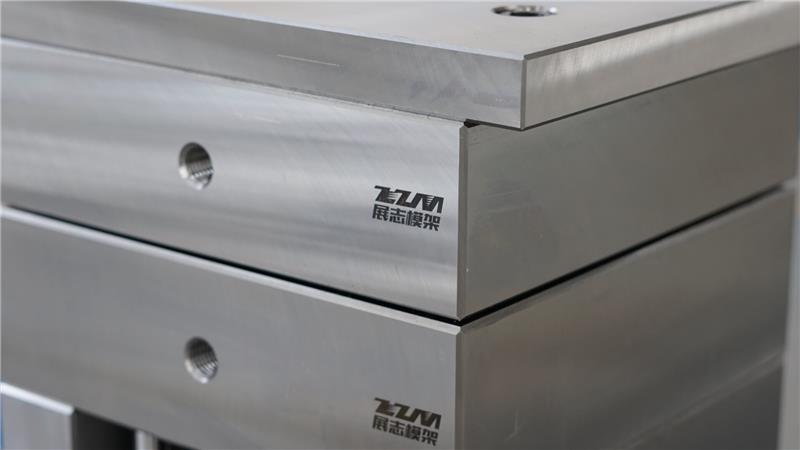
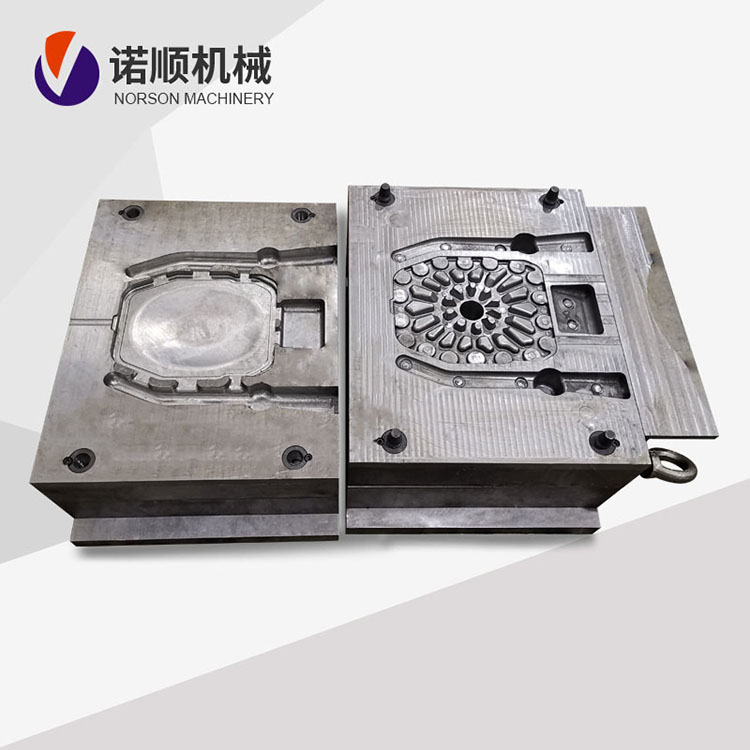
Molds, used in industrial production for injection molding, blow molding, extrusion, die casting, forging, or stamping to obtain the desired products through various molds and tools. In short, molds are tools used for shaping objects, consisting of various components. Different molds are made up of different components. They primarily process the shape of objects by altering the physical state of the material being shaped. Known as the "industry" itself. Tools that shape blanks into specific shapes and sizes under external force. Widely used in cutting, die forging, cold heading, extrusion, powder metallurgy part pressing, pressure casting, and the forming processes of engineering plastics, rubber, ceramics, and other products by pressure molding or injection molding. Molds have specific contours or cavity shapes; the application of profiles with cutting edges allows blanks to separate along the contour line (cutting). The application of cavity shapes enables blanks to acquire corresponding three-dimensional shapes. Molds generally consist of two parts: the movable mold and the fixed mold (or the male and female molds), which can be separated or combined. When separated, the finished parts are removed; when combined, the blank is injected into the mold cavity for shaping. Molds are precision tools with complex shapes, capable of withstanding the expansion force of the blank, and they require high standards of structural strength, rigidity, surface hardness, surface roughness, and processing accuracy. The development level of mold production is one of the important indicators of the level of mechanical manufacturing.