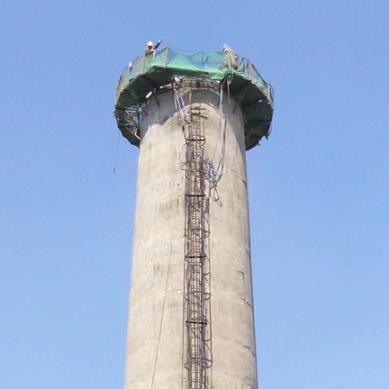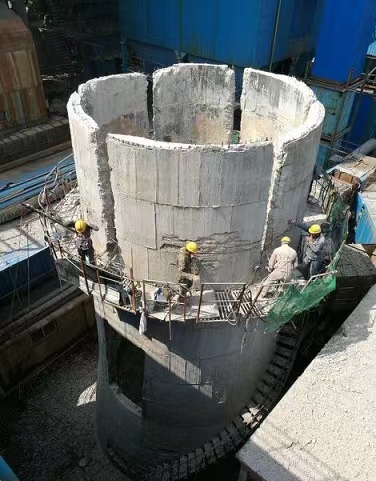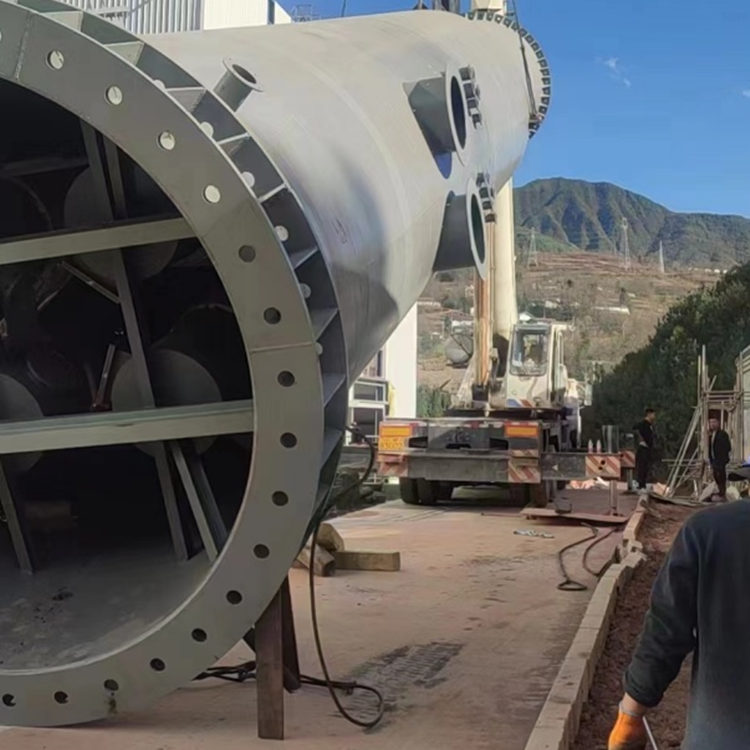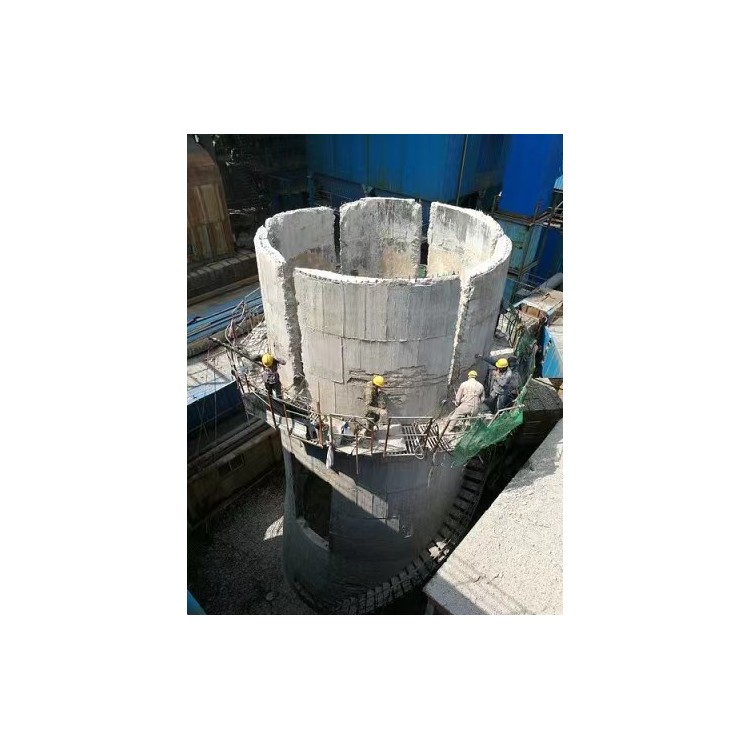



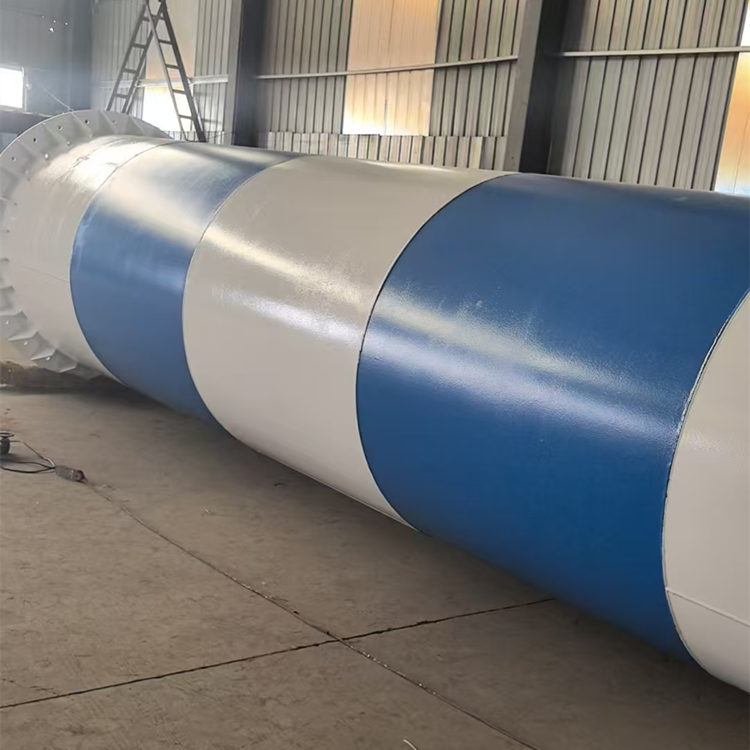





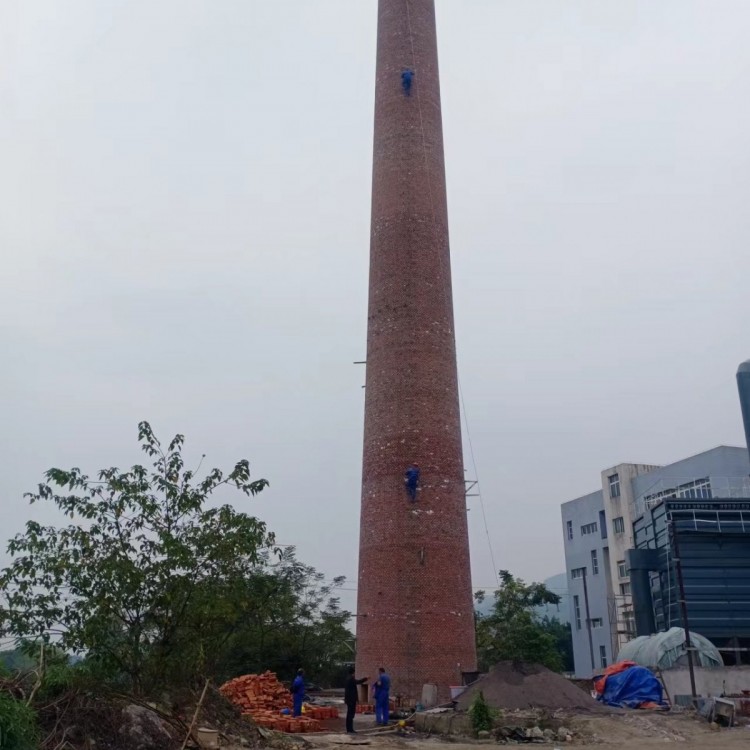
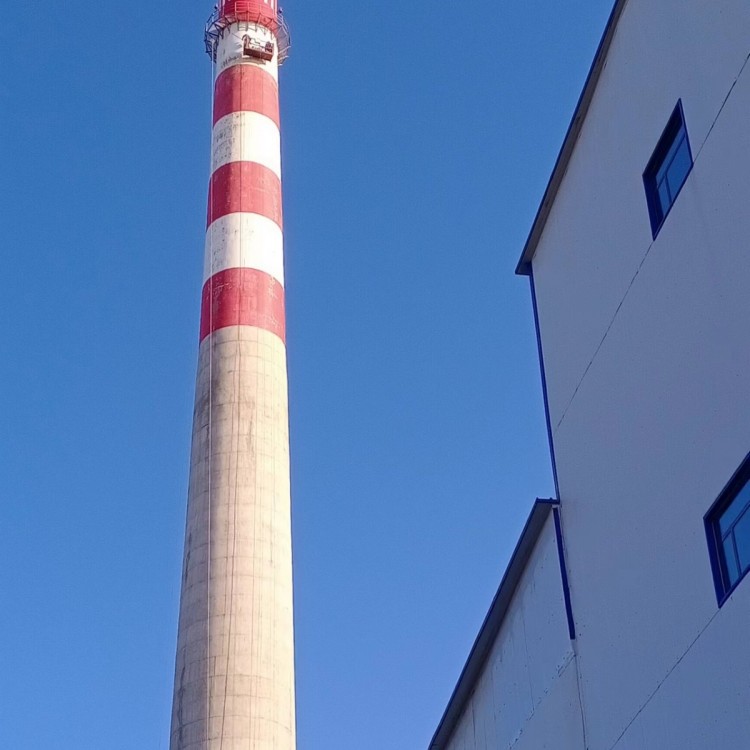
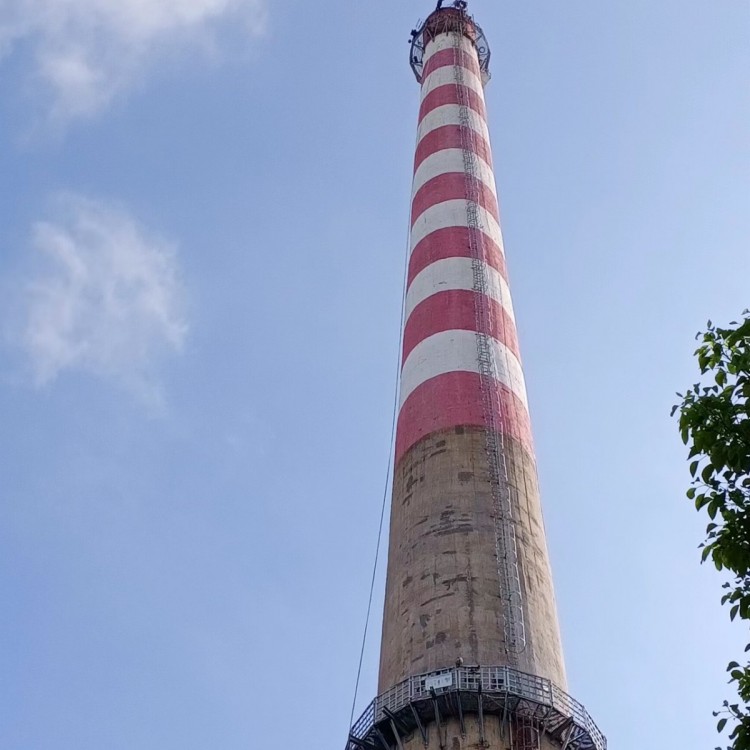
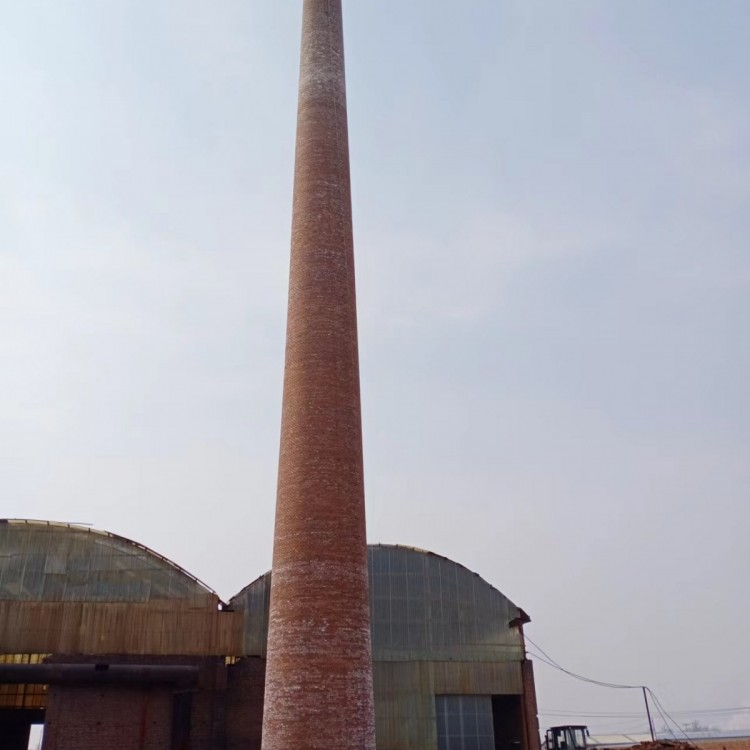
Chimney Demolition Solutions: 1. Selection and determination of chimney demolition methods, which currently include the following: 1.1 Manual Demolition: Utilizes hand tools such as sledgehammers, crowbars, jacks, electric drills, and pneumatic chisels, typically in environments with limited space and no access area. It's crucial to consider providing a safe working environment, secure entry and exit routes, and proper disposal of debris. These aspects require careful attention, as manual demolition combined with mechanical methods in China have a relatively high safety factor. 1.2 Mechanical Demolition: Can employ machinery like air hammers, impact hammers, crane jibs, and hydraulic arms; safety during operation, space considerations, equipment capabilities, and operator protection should be a priority.
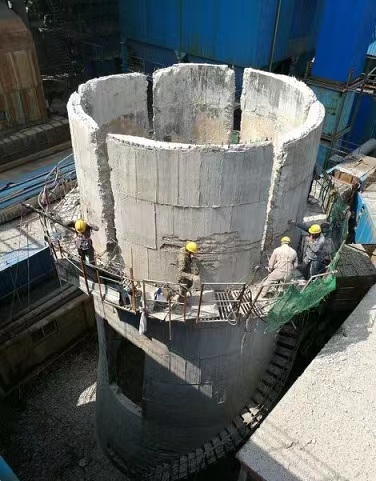
1.3 Demolition by Blasting: Involves pre-weakening of buildings followed by toppling using explosives or rope. Consideration must be given to the qualifications of the personnel, storage of equipment, blasting protection, ignition procedures, and the use of protective gear. For rope pulling, factors such as personnel requirements, material selection, and sufficient working space should be taken into account.
1.4 Overall Demolition and Disassembly: Also known as the whole chimney toppling, overall demolition and disassembly is a technique for toppling a chimney as a whole in a location with favorable site conditions. After comprehensive consideration of the location and surrounding environment of this demolition project, as well as the risk, safety, economy, and structural requirements of the chimney itself, our company has decided to adopt a method with low risk, high technical content, abundant experience, and moderate construction cost. We will use manual demolition methods and dispose of the waste materials below the inner wall of the chimney.
The demand for chimney removal has also increased. Chimneys, besides their basic functions like waterproofing, insulation, and safety, are more importantly contributing to urban environment degradation. However, in real-life scenarios, we often observe various issues with the exterior surfaces of chimneys, such as cracks, leaks, discoloration, efflorescence, peeling, mold spots, rusting of steel bars, and issues with old mosaic and tiles, including localized hollowing and falling off. Poor design, inappropriate materials, improper construction, lack of maintenance, sunlight exposure, biological corrosion, chemical corrosion, and mechanical impacts can all lead to these problems. With the improvement of our country's economic level, chimney removal projects can address these issues if implemented.