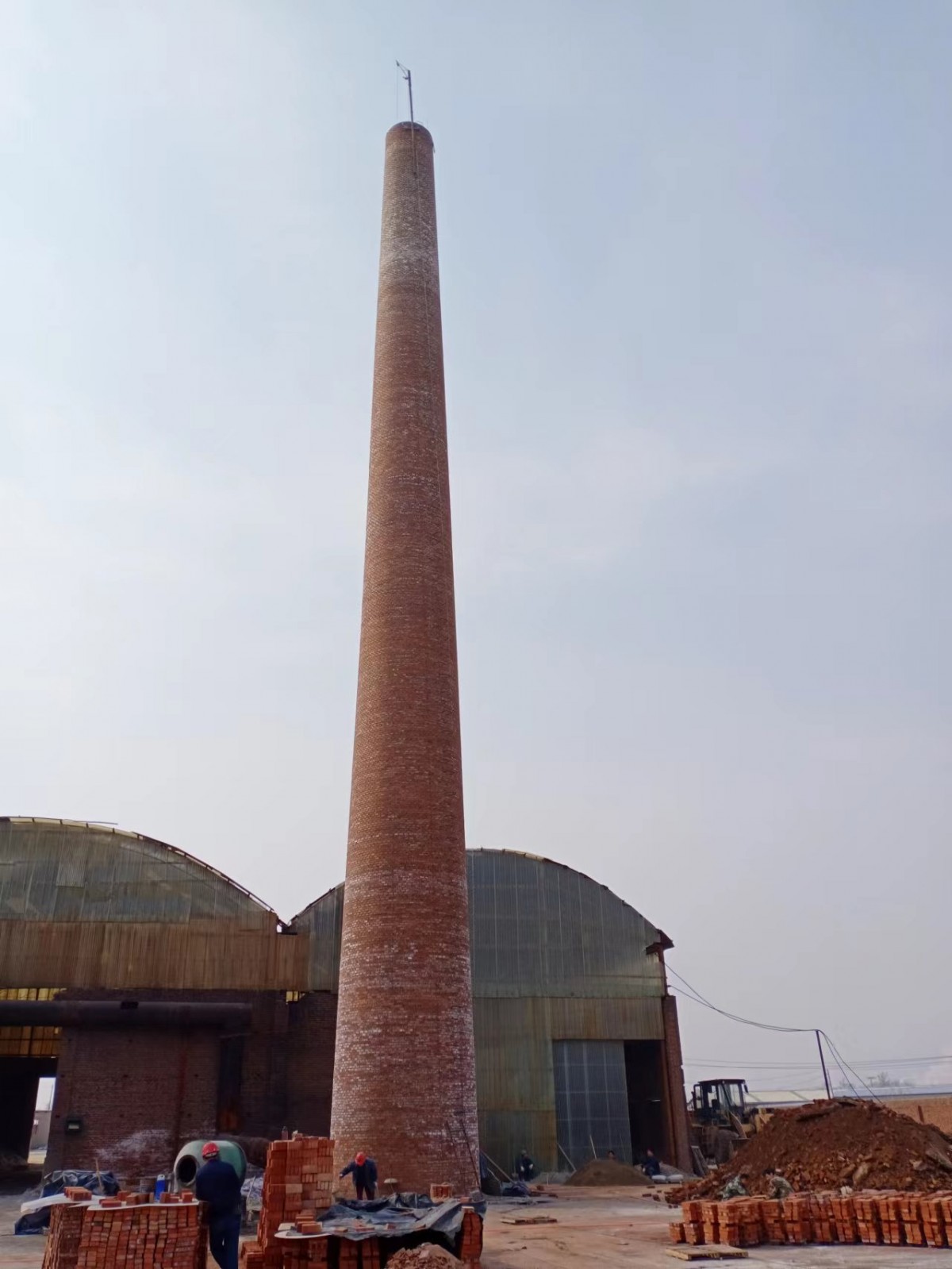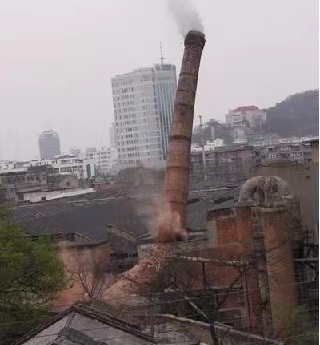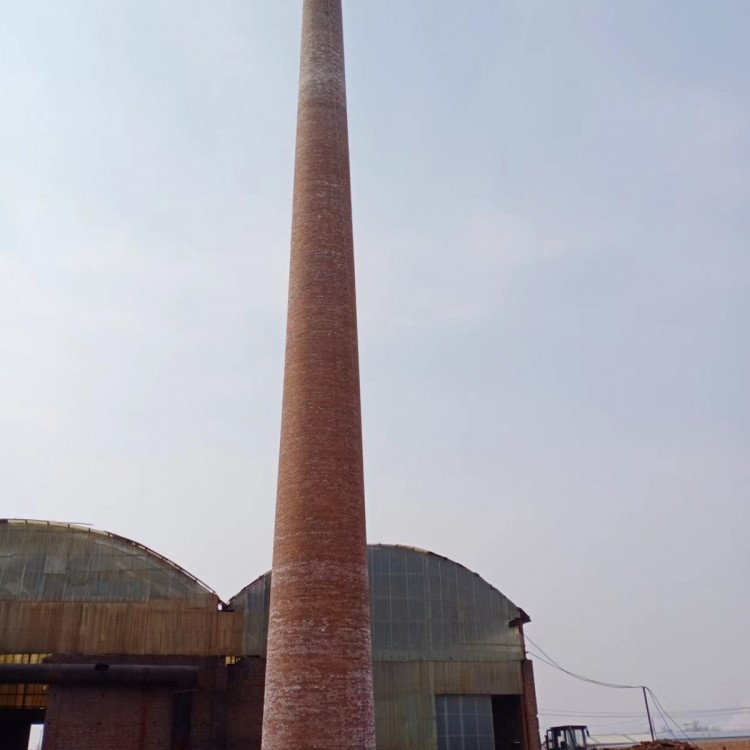

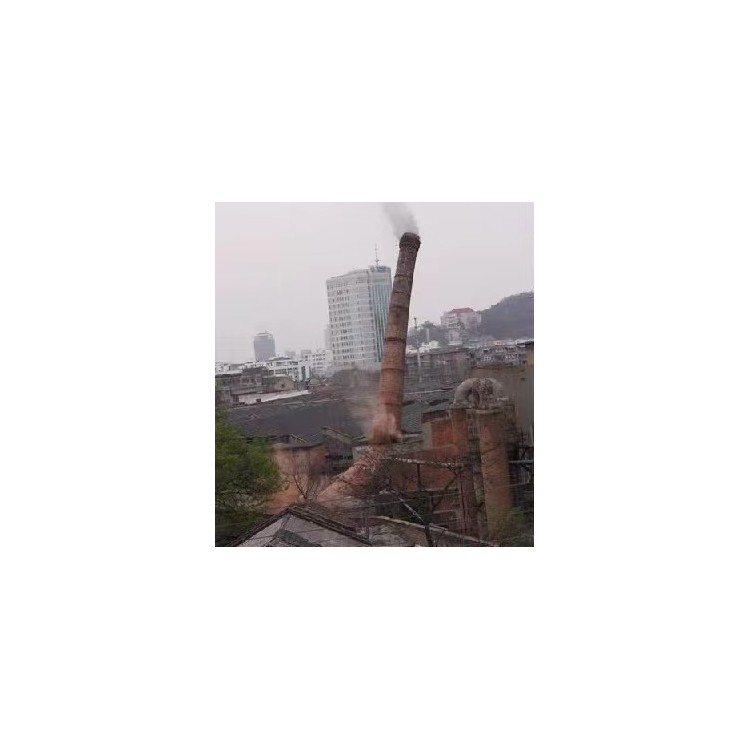







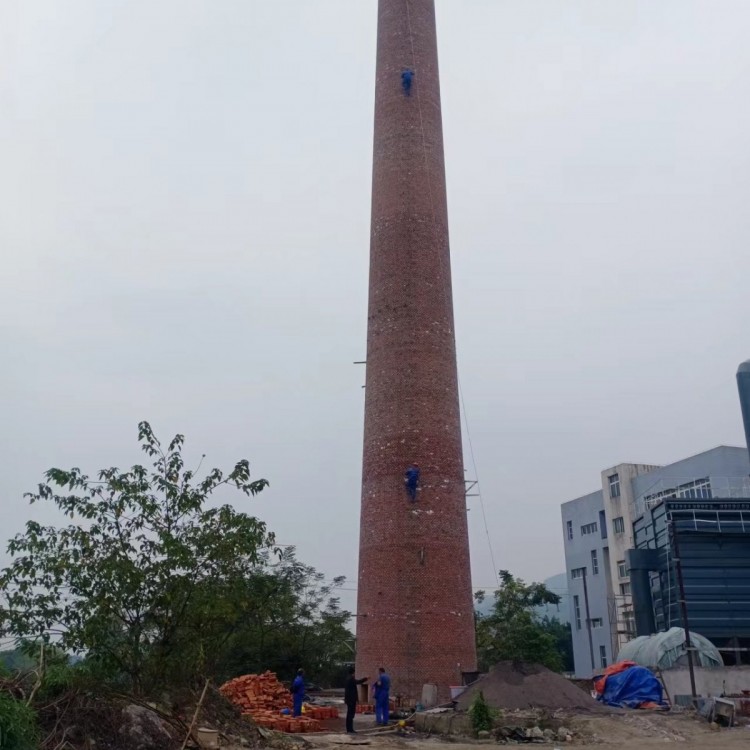
Chimney Demolition Project Safety Administration Regulations Principles
In the process of chimney demolition, this guideline is established in accordance with the policy of safe production output, emphasizing protection, pursuing the rationality and economy of technology.
2. Efforts in safety technology and the necessary materials and equipment should be incorporated into the construction organization design of the project.
3. The unit construction personnel are responsible for the safety technology of high-altitude operations in the project and establish corresponding responsibility systems. Before construction, safety technology training and lower-level guidance should be conducted, and all safety technology methods and personal protective equipment should be implemented; otherwise, construction is not permitted.
4. Safety signs, items, surfaces, electrical equipment, and various devices must be inspected prior to construction and used only after confirming no cracks or defects.
5. Chimney demolition workers and those responsible for setting up safety equipment for chimney demolition must be adequately trained technically, must be qualified to work, and must undergo physical examinations on time.
6. During construction, if any deficiencies in the safety equipment for chimney demolition are discovered, it is necessary to take immediate action. When facing personal danger, it is essential to proceed with the work sequentially.
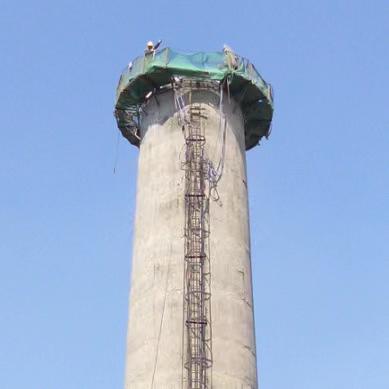
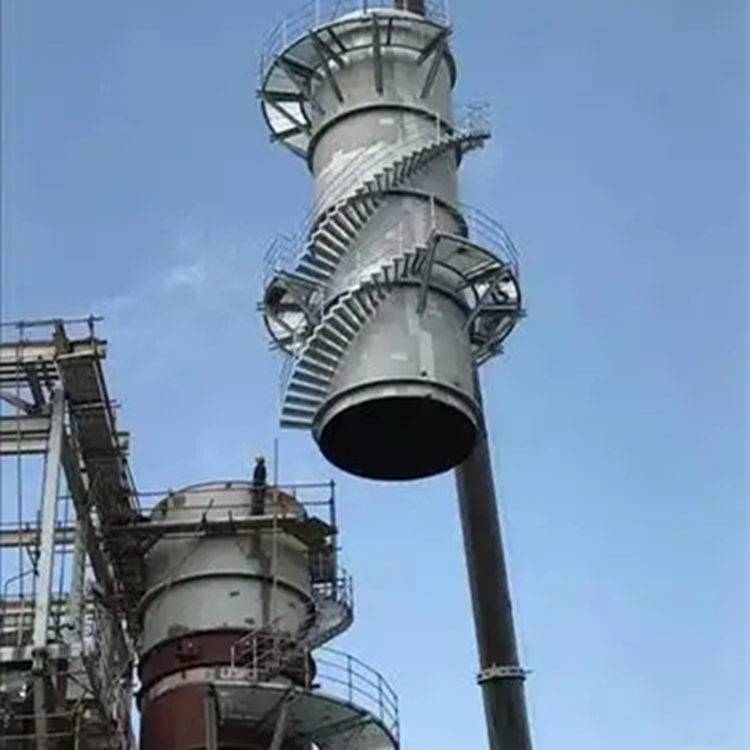
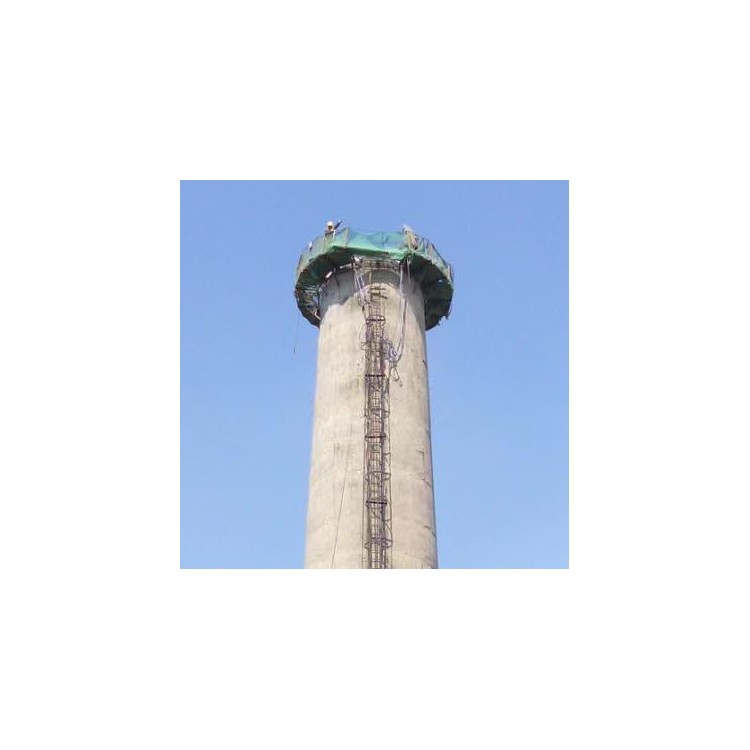
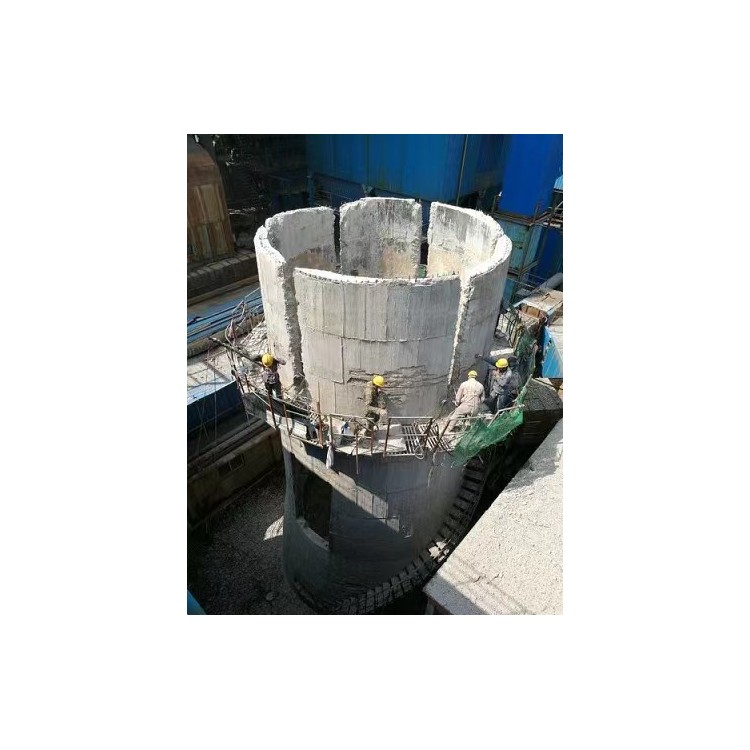
Operate the console to the next step up, using 8 steel pipes with diameters of 73mm and 60mm. Each pipe is paired with a smaller component to form 4 adjustable rods. Only one set of rods is installed with each console lift, and once the appropriate height is reached, the second set is mounted. Then, lower scaffolding is raised, and the lower set of rods is removed for use on the next level. The rods should be inserted into the wall about 10cm. Do not overtighten or loosen them for safety and ease of removal. The safety net frame and brackets are made of lightweight steel, with brackets spaced approximately 1m apart. The safety net is woven from nylon rope. The chimney diameter varies, generally allowing the use of an external ladder to secure the safety net brackets with wire rope. As the console is lifted, the safety net frame is raised accordingly. Hoists and ladders are used for moving rods and scaffolding boards.

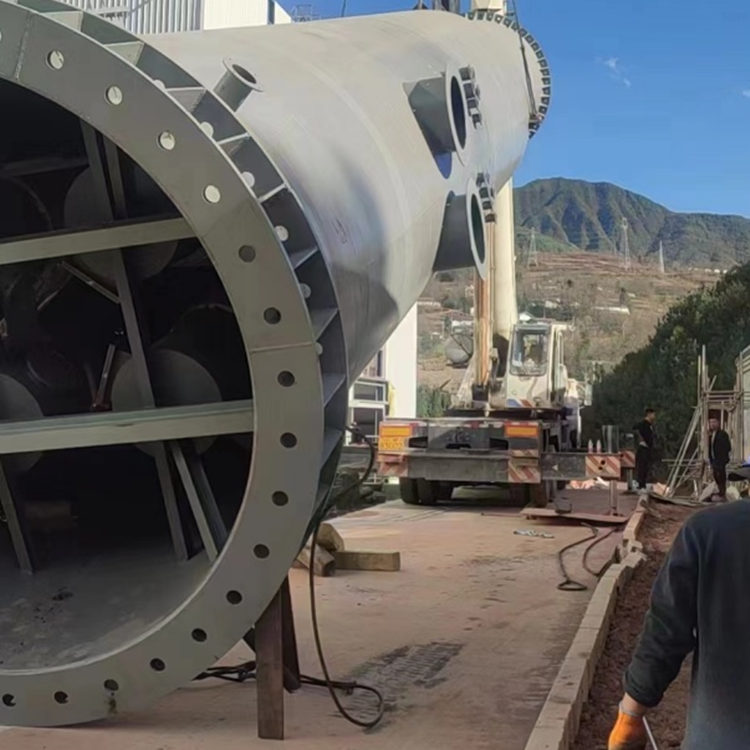
The company is qualified for construction project contracting, anti-corrosion and thermal insulation engineering contracting, environmental protection engineering contracting, steel structure engineering contracting, comprehensive general contracting of water conservancy and hydropower projects, building waterproofing engineering contracting, and demolition engineering contracting. Our main business is construction of structures, including contracting for all types of large and medium-sized thermal power plants, thermal power plants, self-owned power plants, and smokestacks, cooling towers, ash storage, various types of silos, and television towers for associated facilities, as well as the construction of other structures and contracting for and executing various anti-corrosion and thermal insulation projects. (1) The assembly of the working platform, the outer hoisting system, weighs t, has an installation lifting height of m, a field working radius of m, and can be requested with a t crane. (2) Before assembling the working platform on-site, pre-assembly is first carried out at the processing site, and a structural inspection is conducted. (3) When the chimney construction reaches a height of m, the guide plates are installed, and the operation platform can be installed on the third day after the concrete is poured (see Figure 2). The operation platform (square hole frame, radial beam, inner ring, etc.) is hoisted into place using a t crane, connected to the guide plate with 8 come-along winches, and secured with 22mm round steel bolts. A steel sleeve is added to the middle of the guide plate to ensure the cross-sectional size of the chimney wall. (4) The square hole frame is hoisted onto the working platform and secured with pins, installed with four wire ropes, and adjusted for verticality using turnbuckles.
On rainy or snowy days, when working at heights, reliable anti-slip, anti-freeze, and windproof measures are required. All water, ice, frost, and snow must be promptly addressed. In towering buildings where high-altitude work is conducted, lightning protection equipment should be pre-installed. No outdoor climbing or suspended work should be performed during strong winds of 6 levels or above or in thick fog. After heavy snowstorms or hurricanes with torrential rain, check the safety equipment for chimney removal one by one; any signs of loosening, deformation, damage, or falling should be repaired immediately.