







Future Development Issues of Robots
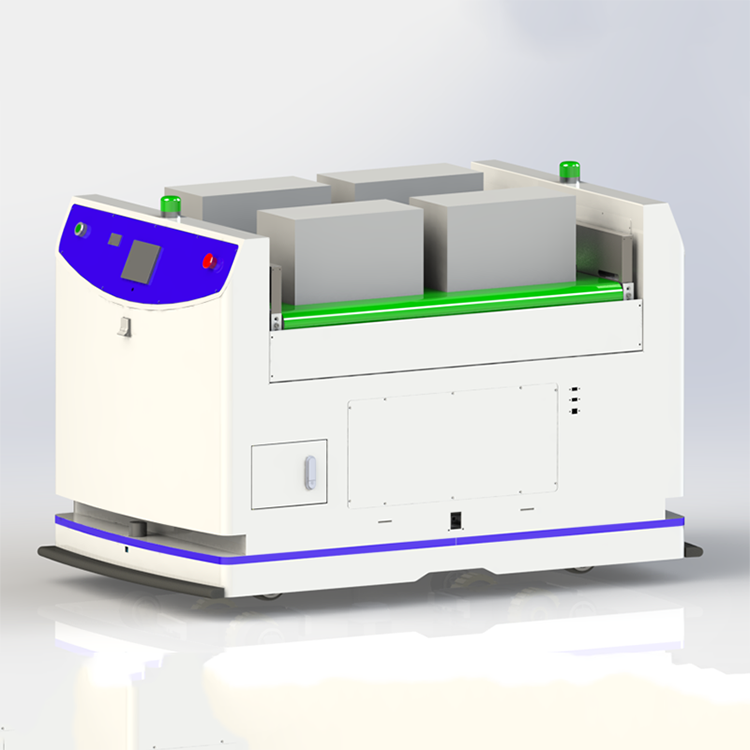
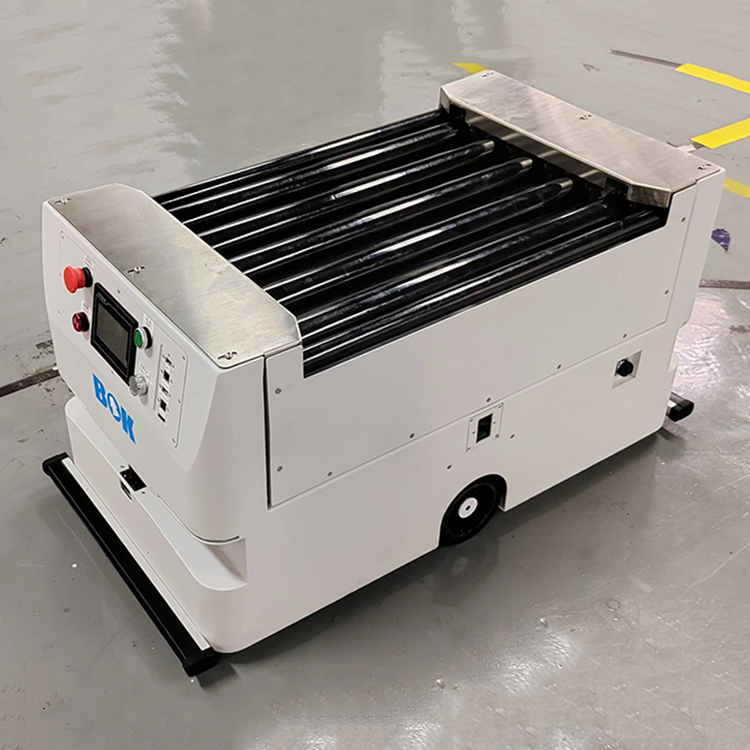
Hong Kong University of Science and Technology's Mechanical and Aeronautical Engineering Professor Wang Yu also pointed out that as robotic technology becomes more stable, the bottleneck for industrial robots in the future won't be the product itself, but rather what kind of processes these robots can perform on the production line. This is a particularly severe challenge facing the robotics industry, especially for domestic mobile phone and electronic products, where many processes in the packaging and assembly require manual labor. The Nanjing AGV logistics vehicle, due to the dexterity of human hands, the Kunshan AGV logistics vehicle, and the keen eyesight of the Jiangsu AGV logistics vehicle, the coordination between hands and eyes is excellent, which robots currently struggle to achieve.
Currently, domestic robots primarily achieve their performance through programming. Therefore, Ning Xining, the Chair Professor of Robotics and Automation at the University of Hong Kong, believes that the next generation of robots faces three new challenges in addition to traditional technical ones: programming, calibration, and Setup. How to integrate robots with sensors is also crucial for achieving full intelligence in robots.
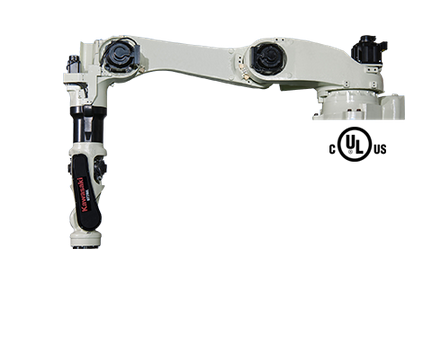
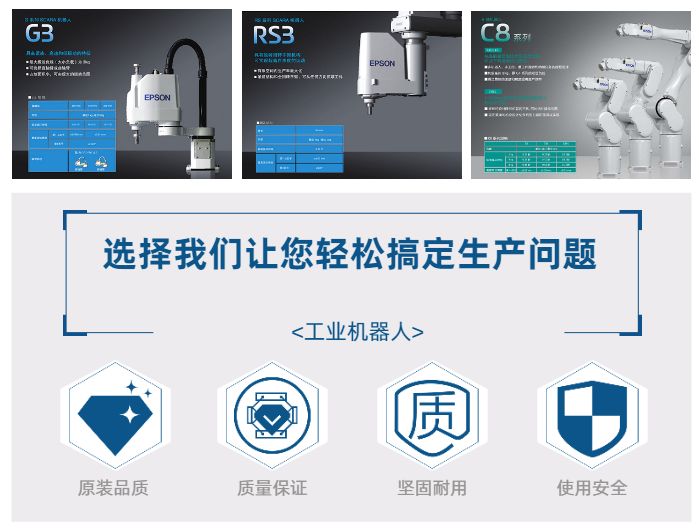
Epson Mini Robot
利器在手,只欠东风。2009年,爱普生机器人事业进入中国市场。伴随着3C产业发展的渐盛,小型机器人市场开始“全速奔跑”。借助3C、汽车产业的日渐崛起的东风,爱普生小型机器人迅速在中国小型机器人市场开疆扩土。在爱普生八个区域销售公司(日本、美国、欧洲、中国、中国台湾、新加坡、韩国、印度)中,中国市场以高速增长跑赢其他区域销售公司。据畠山刚透露,爱普生小型工业机器人2014年销售业绩,同比2013年增长三倍。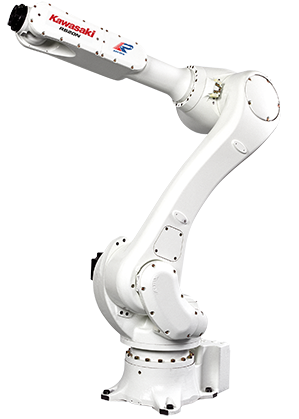
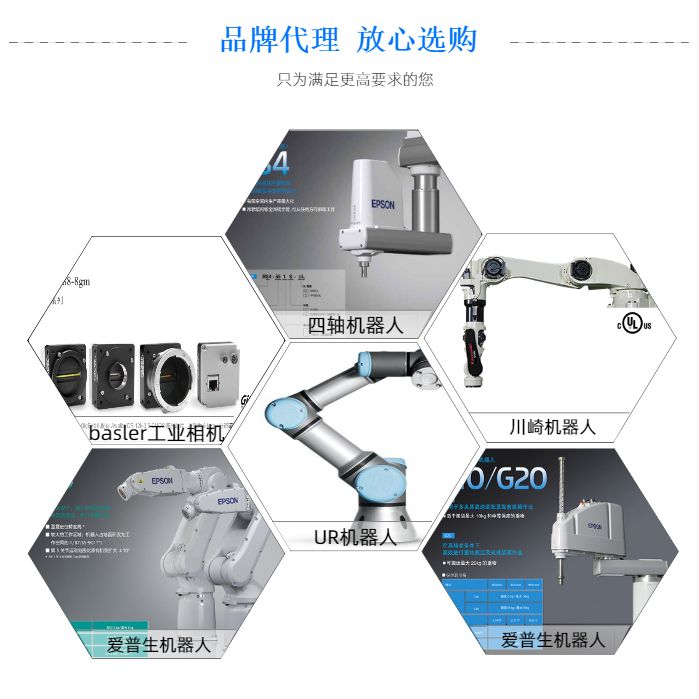
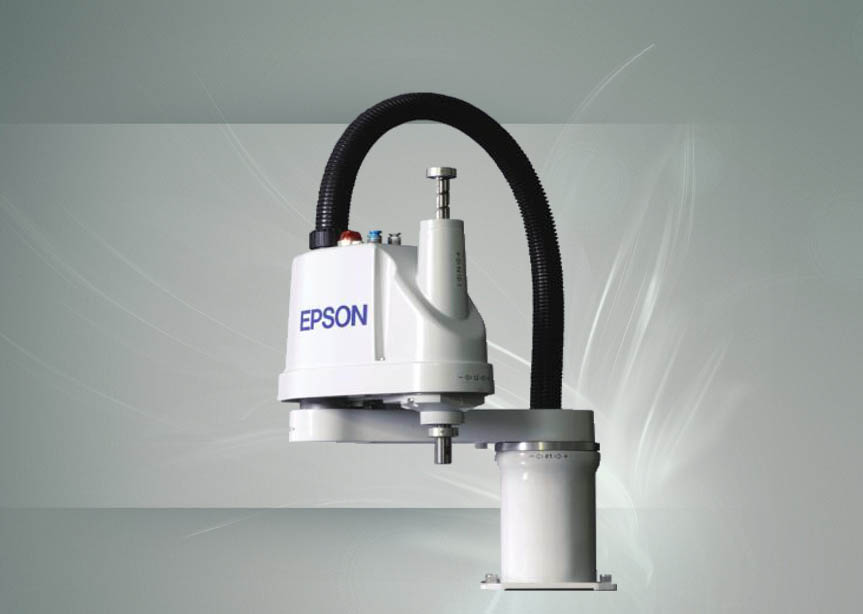
Epson Robots
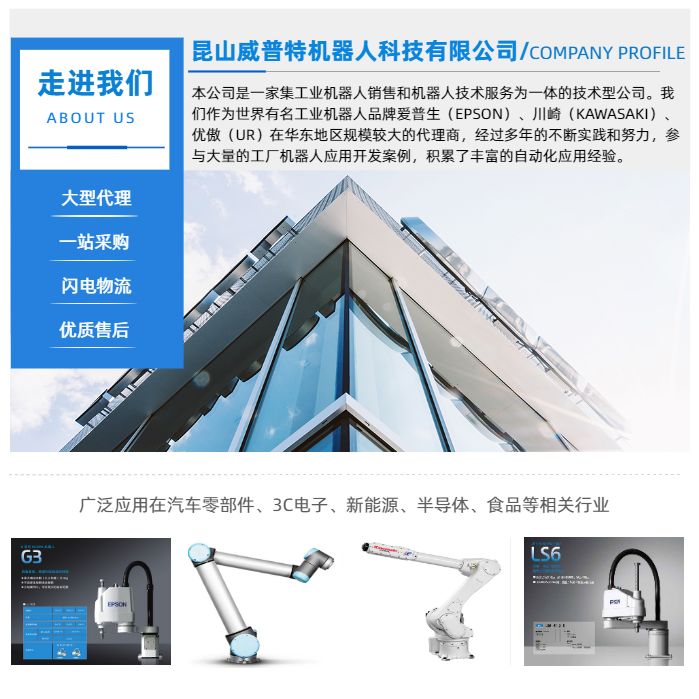
Epson entered the Chinese market in 2009, initially focusing on the electronics industry and quickly securing a position in the fierce market competition. With its products' high precision and speed, along with diverse solutions tailored to customers' actual needs, it has gained recognition and support from clients. In 2013, Epson's SCARA robot topped the market share rankings in China, ranking first.
Meanwhile, Epson is gradually expanding its presence in China's automotive automation industry. In the early stages, Epson conducted extensive analysis and research on China's automotive parts industry, summarized the "two high and one low" characteristics of the Chinese market, "two high" referring to a high number of clients—there are currently over 8,000 automotive industry clients in China—and diverse automation demands. "One low" indicates a lower quantity of purchases, typically for individual projects. Based on this market scenario, Epson has developed two strategies: actively fostering partnerships in the automotive automation sector and integrating Epson robots into automation design solutions to meet clients' diverse automation needs.
Nanjing AGV Logistics Vehicle - Changzhou AGV Logistics Vehicle - Kunshan Weipute Robot, provided by Kunshan Weipute Robot Technology Co., Ltd. We are a company specializing in the "R&D of industrial robots, automation equipment, non-standard equipment, and testing equipment." Adhering to the philosophy of "honest operation and dedicated service," we strive to offer you better products and services. Welcome to call for inquiries! Contact: Zhu Wei.