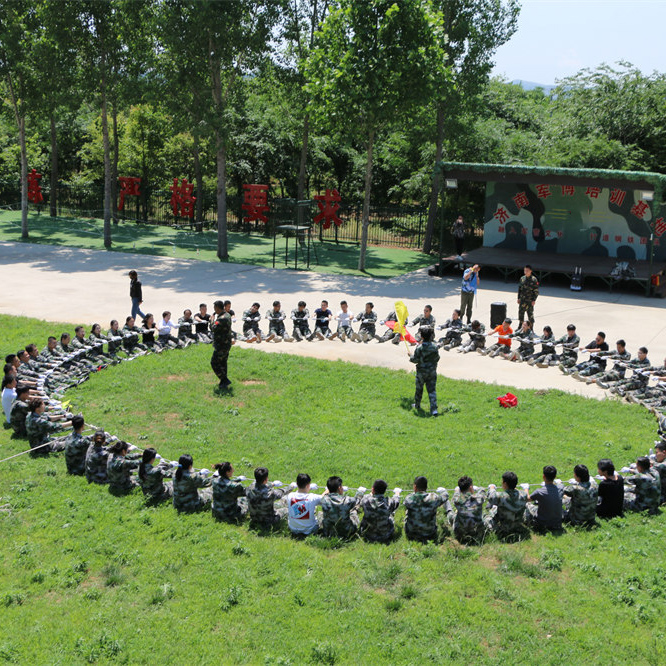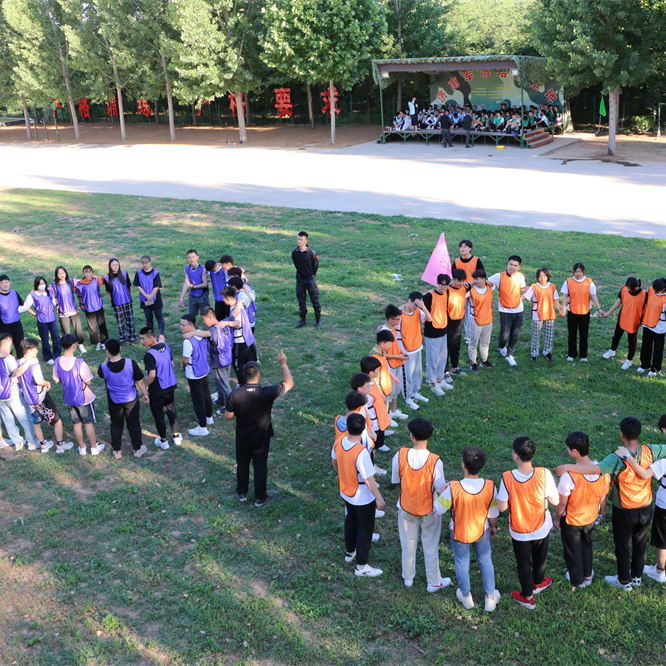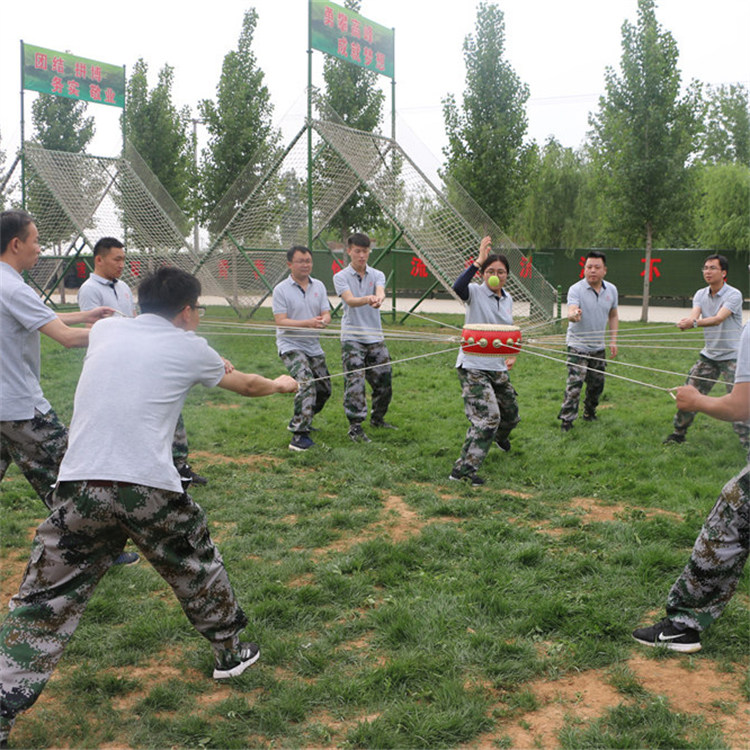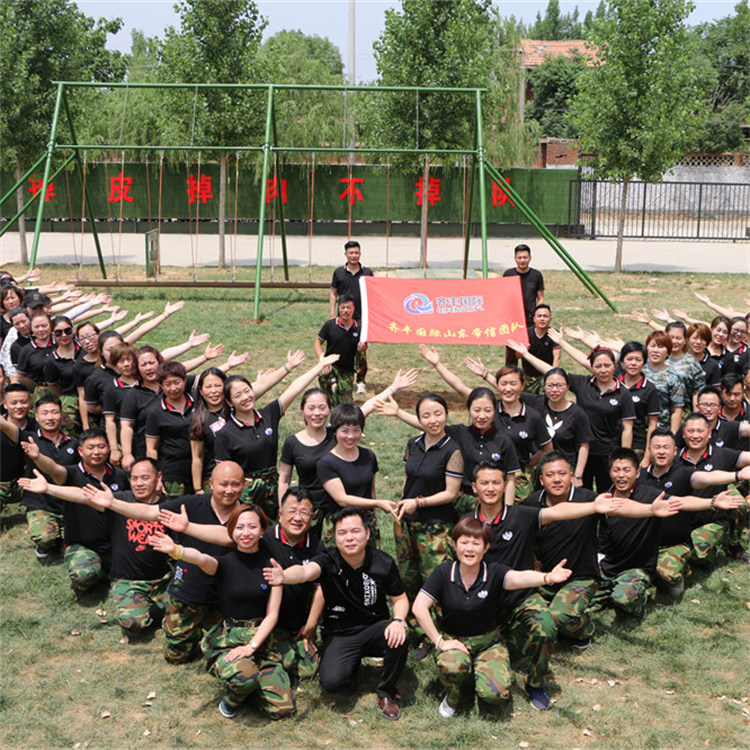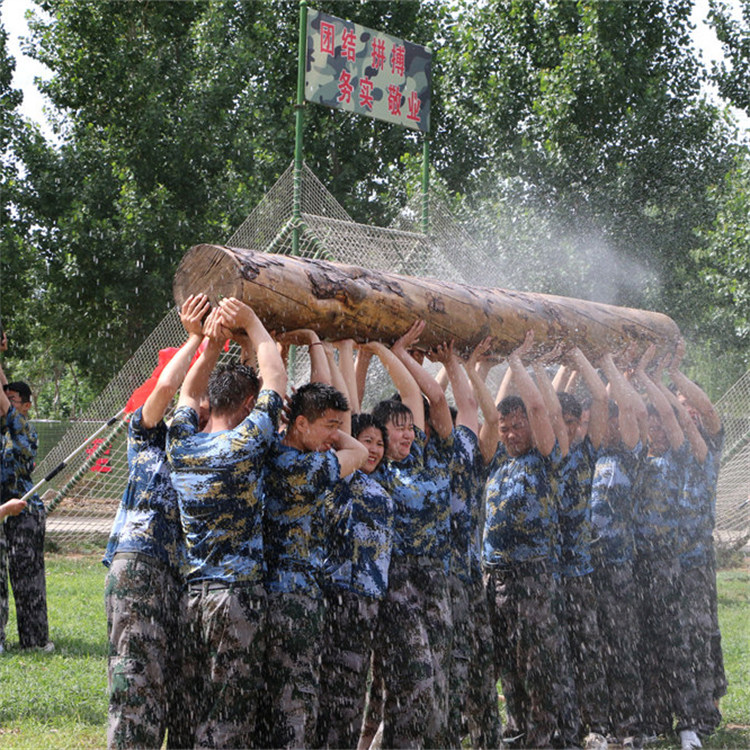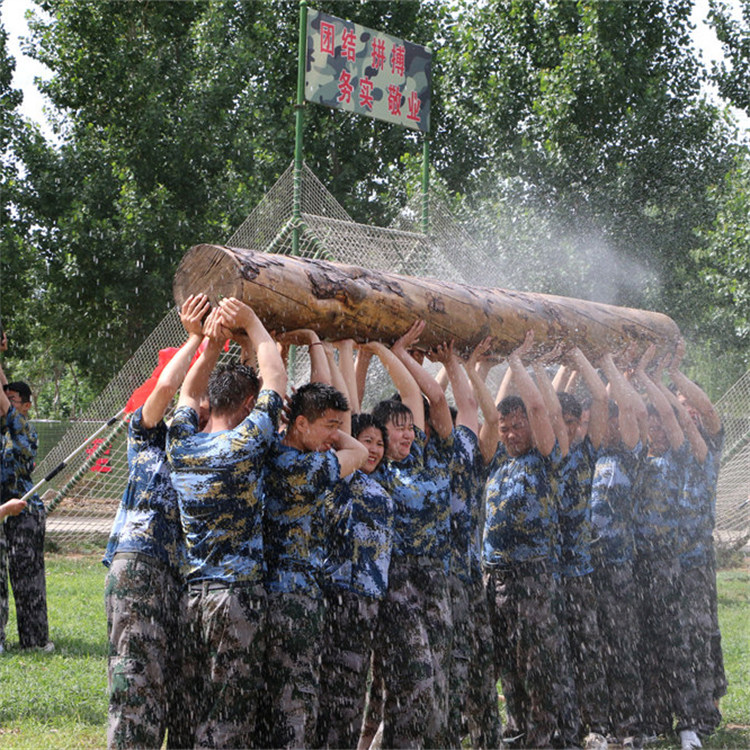

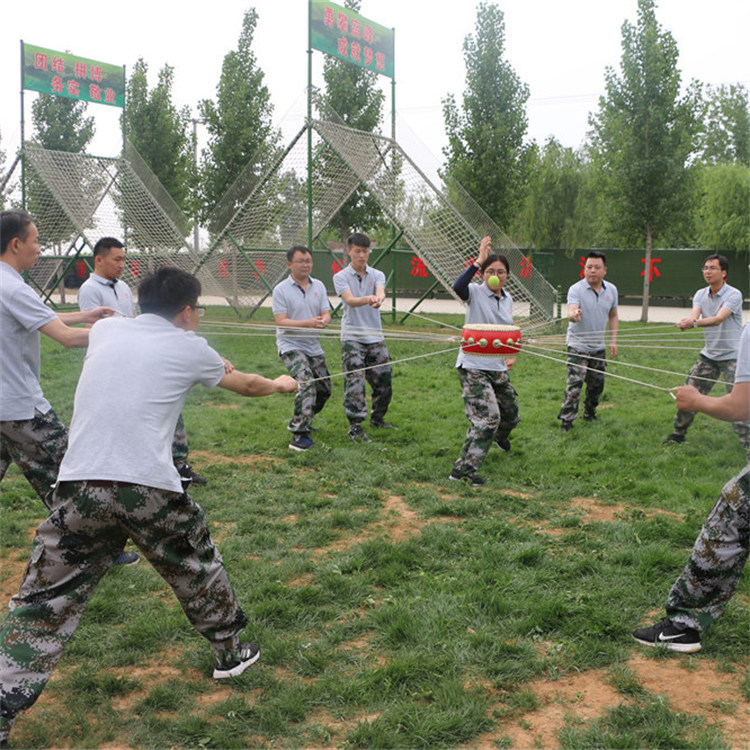


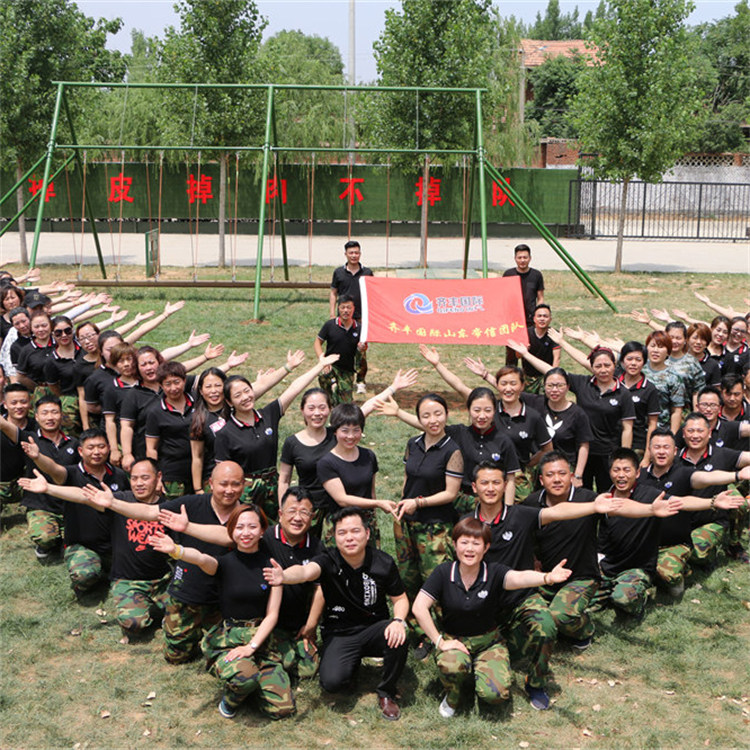
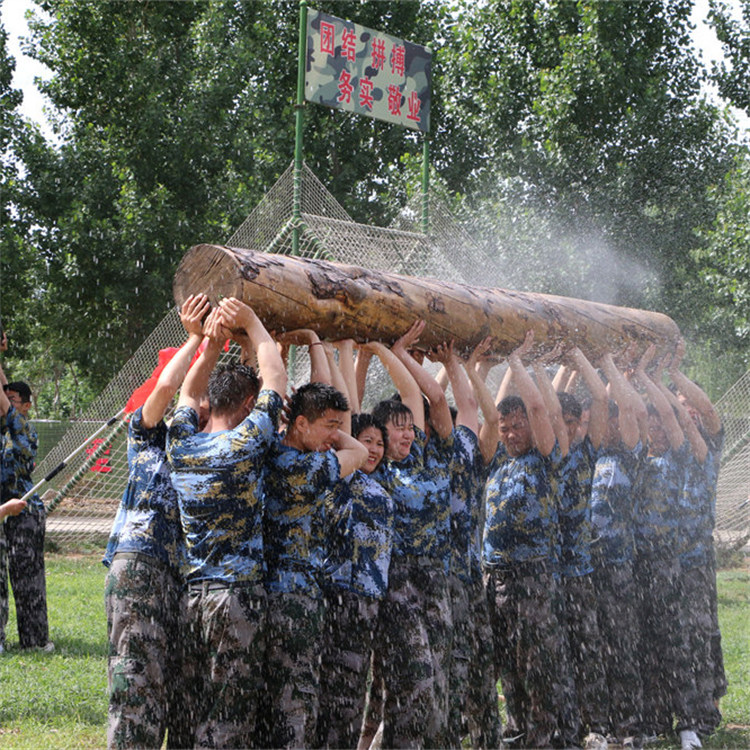











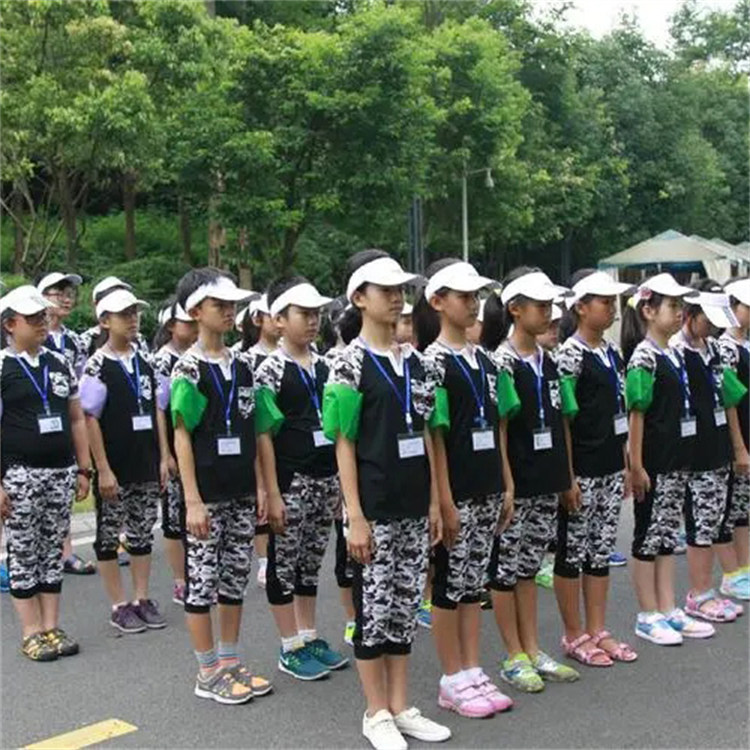
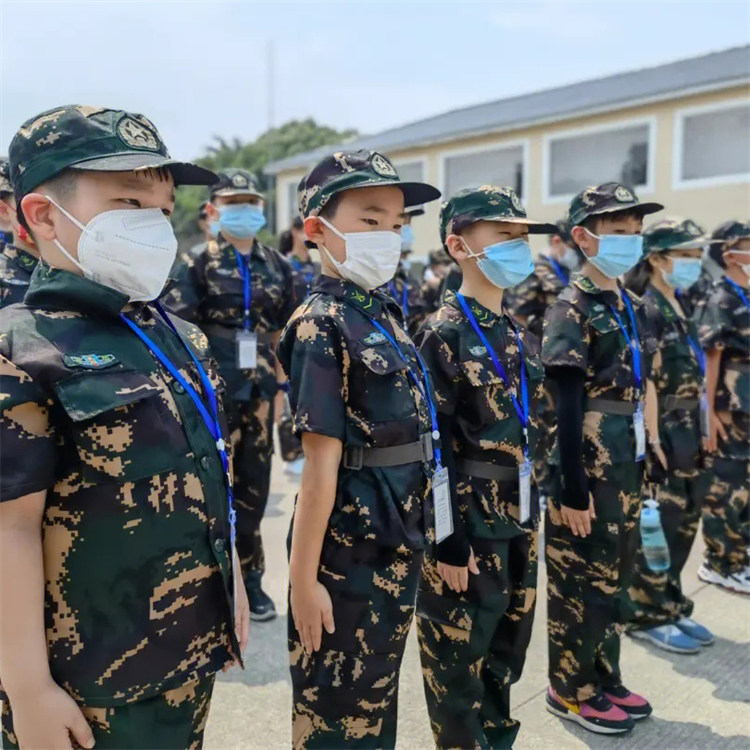


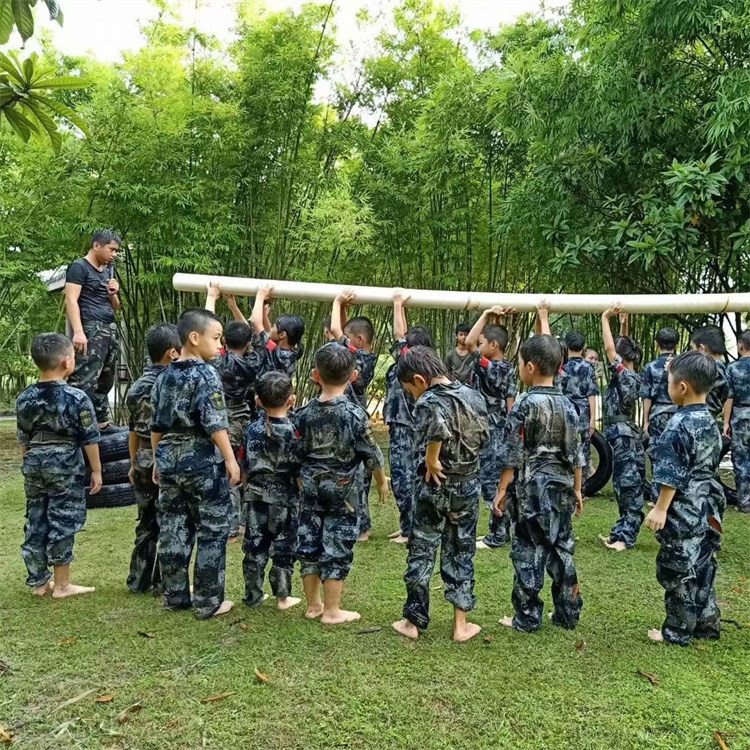
Outdoor experiential training is designed to enhance participants' overall qualities and teamwork skills through activities like team collaboration, self-challenge, and innovation exploration. It typically includes various outdoor activities, obstacle courses, and field studies, encouraging individuals to push their limits and surpass themselves, thereby improving both personal and team performance. In modern outdoor training sessions, participants are usually divided into groups of 4-6 members. Trainers are often experienced team leaders or professional instructors who create diverse scenarios and tasks to help improve teamwork, communication, coordination, innovative thinking, and decision-making skills. The benefits of outdoor training include boosting self-confidence, communication, innovation, teamwork, and decision-making abilities for both individuals and teams. Additionally, it can help alleviate stress, enhance physical fitness, and improve adaptability and problem-solving skills, greatly benefiting personal and professional growth.