








What isTSCA
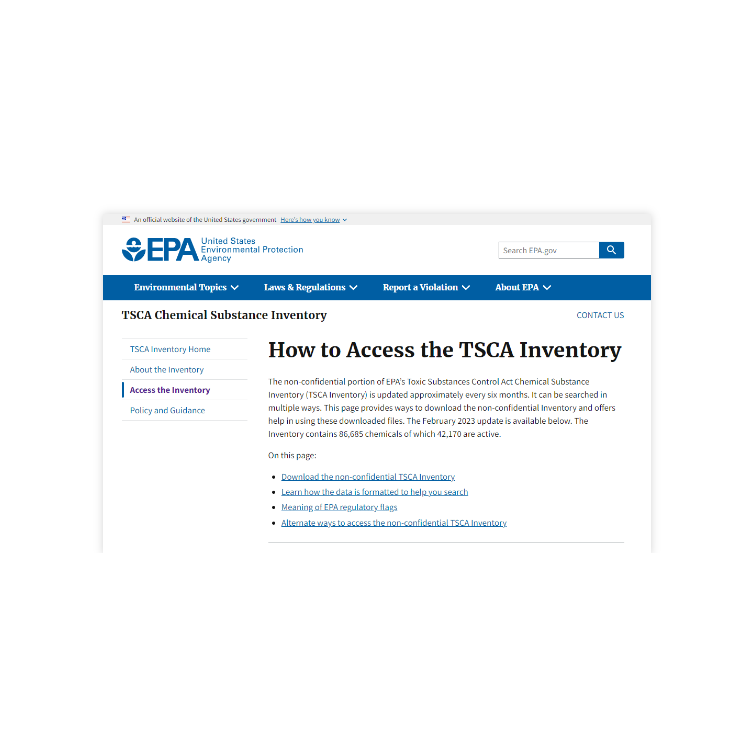
The U.S. Toxic Substances Control Act TSCA (Toxic Substances Control Act)
On January 6, 2021, the U.S. Environmental Protection Agency (EPA) published rules in the Federal Register for five persistent, bioaccumulative, and toxic (PBT) substances under 40 CFR 751.401-751.413. These regulations impose control measures on DecaBDE, PIP (3:1) isopropylated triphenyl phosphate, PCTP pentachlorothiophenol, HCBD hexachlorobutadiene, and 2,4,6-TTBP tris-(tert-butyl) phosphate, five PBT substances in materials or items. These requirements became effective on February 5, 2021, and will be implemented gradually starting on March 8.
Overall, the United StatesTSCA testing (5 key projects) is required for all existing products being sold in the U.S. These five TSCA tests were finalized by the U.S. EPA on January 6, 2021, to reduce exposure to certain persistent, bioaccumulative, and toxic chemicals (PBTs).
The primary uses and regulatory requirements for TSCA substances are as follows:
◆ DecaBDE (Dechlorodiphenylether) CAS No. 1163-19-5
Triphenyl ester of isopropylated phosphoric acid (PIP (3:1)) CAS No. 68937-41-7
◆ 2,4,6-Tris-(tert-butyl)phenol (2,4,6-TTBP) CAS No. 732-26-3
◆ Pentachlorothiophenol (PCTP) CAS No. 133-49-3
Hexachlorobutadiene (HCBD) CAS No. 87-68-3
Which materials are not approvedTSCA risk is high
Paint, plastic, foam.Adhesives, sealants, degreasers, cleaners, and aerosols
Automotive products, lubricants, etc.
TSCA Testing Report Application Process
Fill out the application form and provide samples.
2. Sign the contract and pay the testing fee.
3. Laboratory Testing (approx. 5 working days)
4. Test completed; issued inspection report.