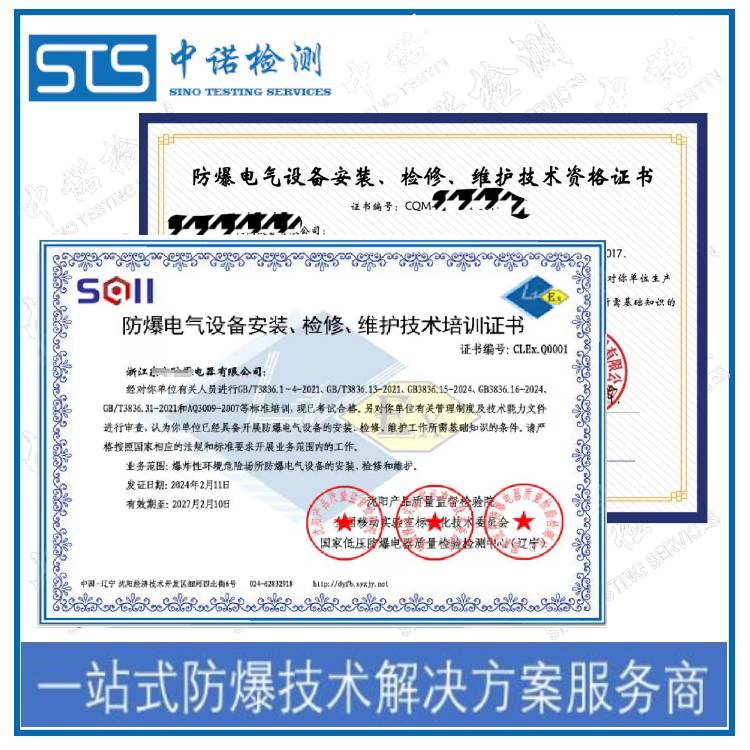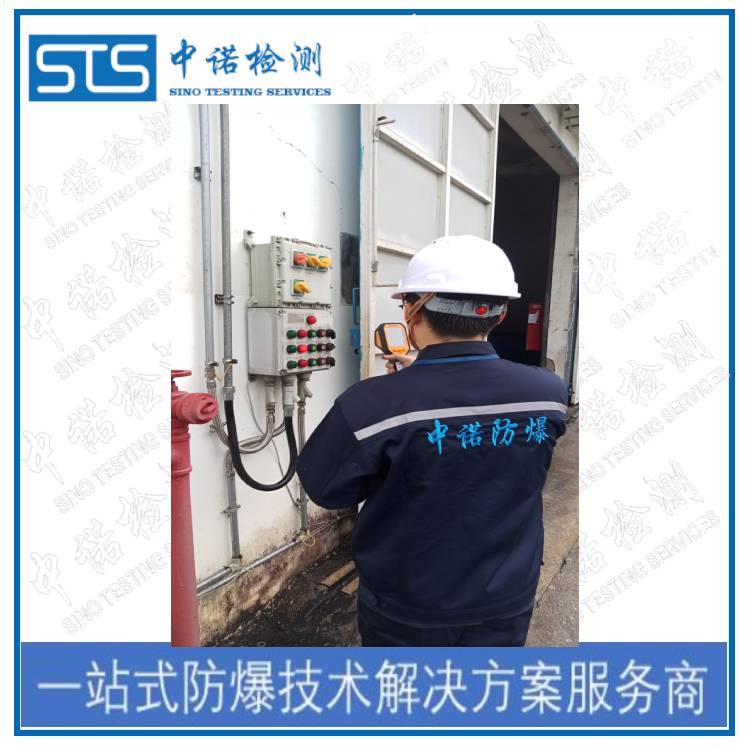

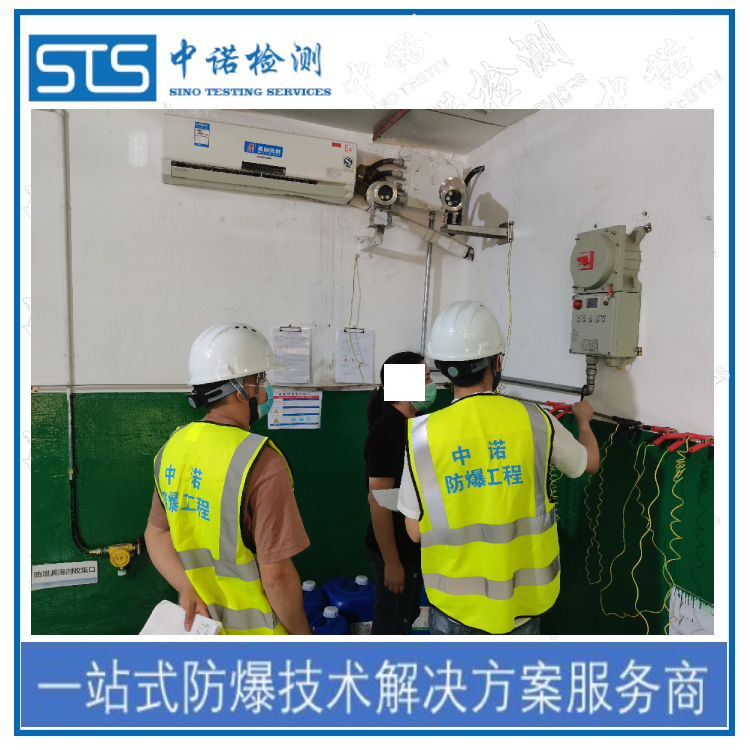
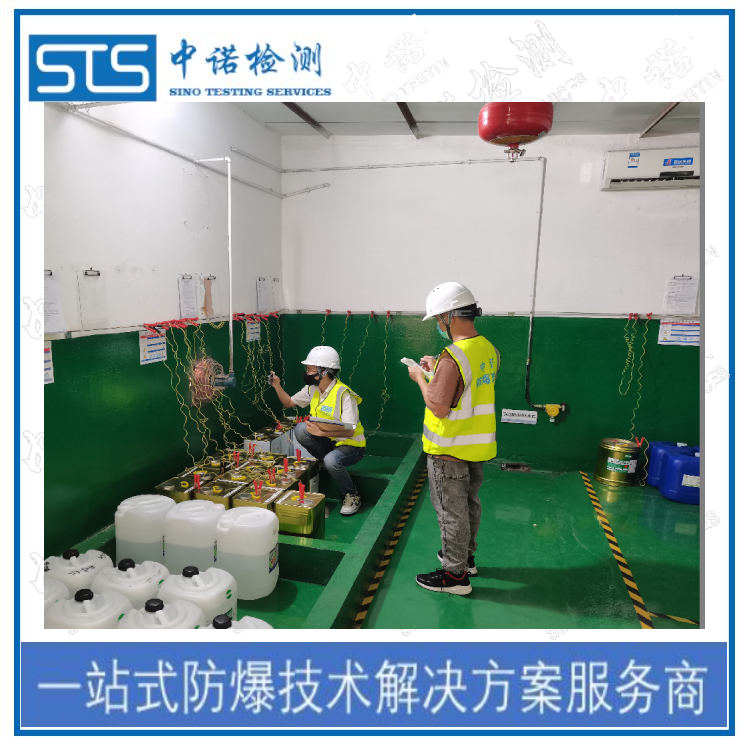


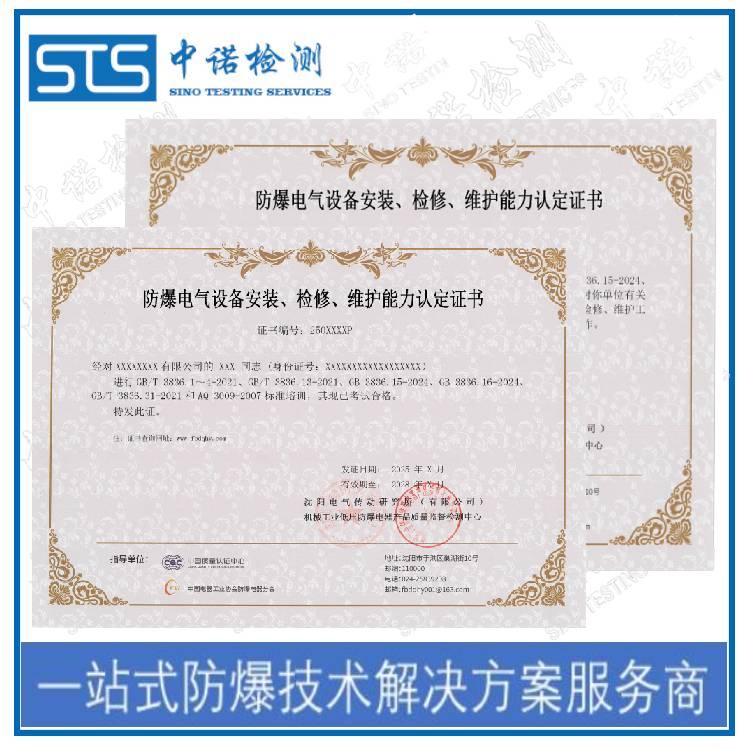
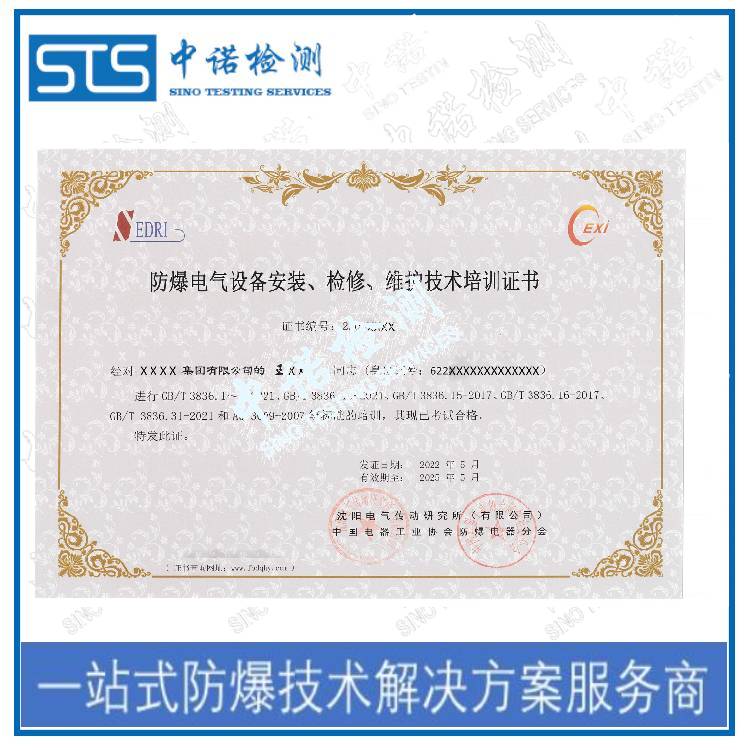







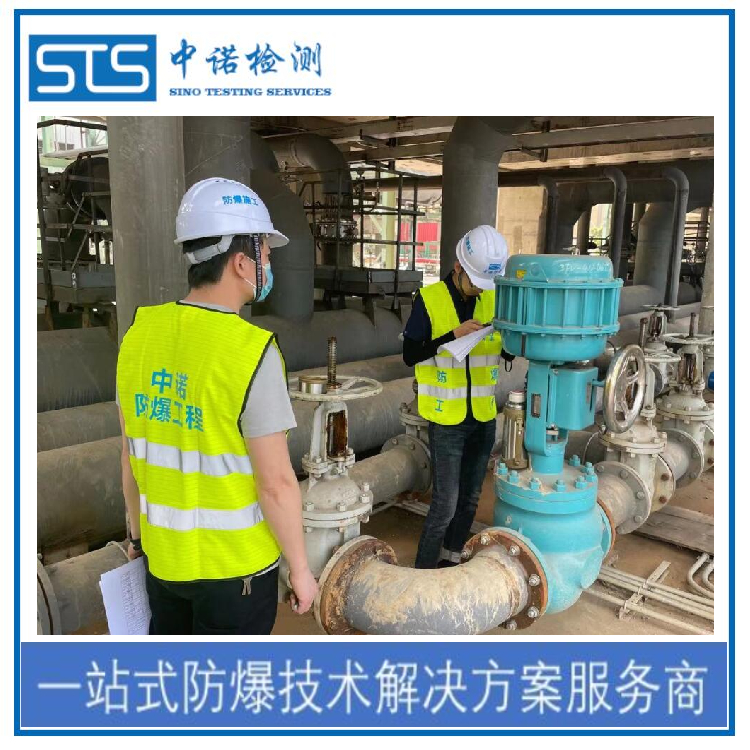
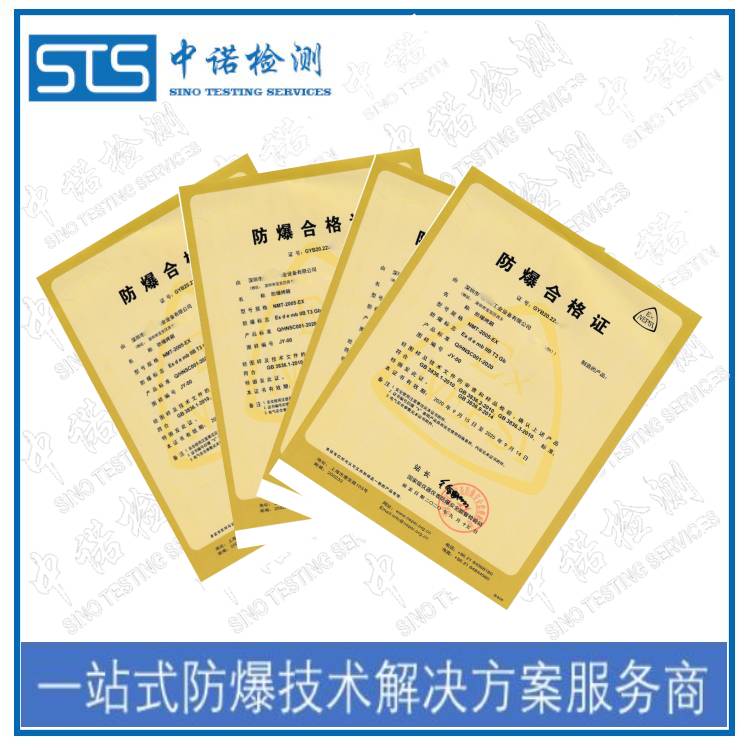
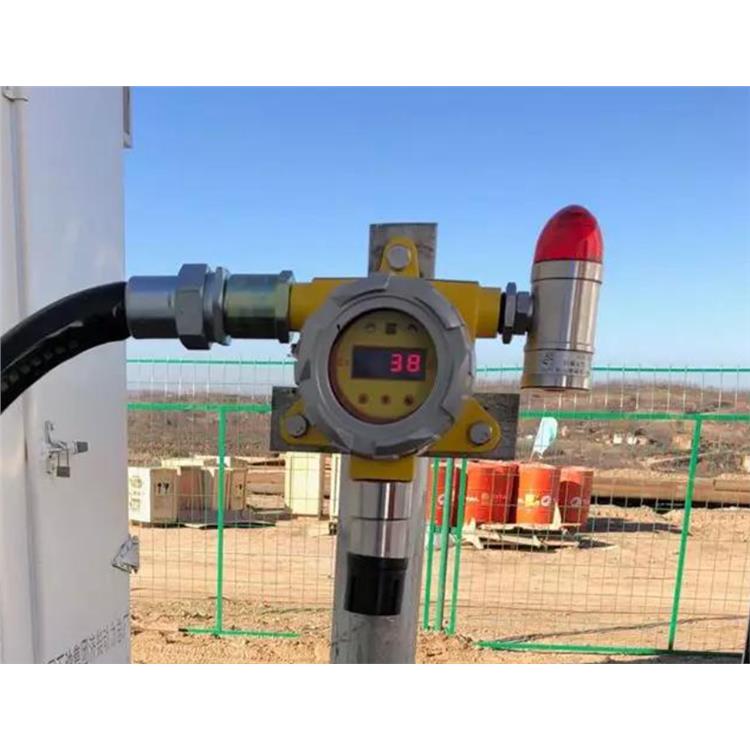
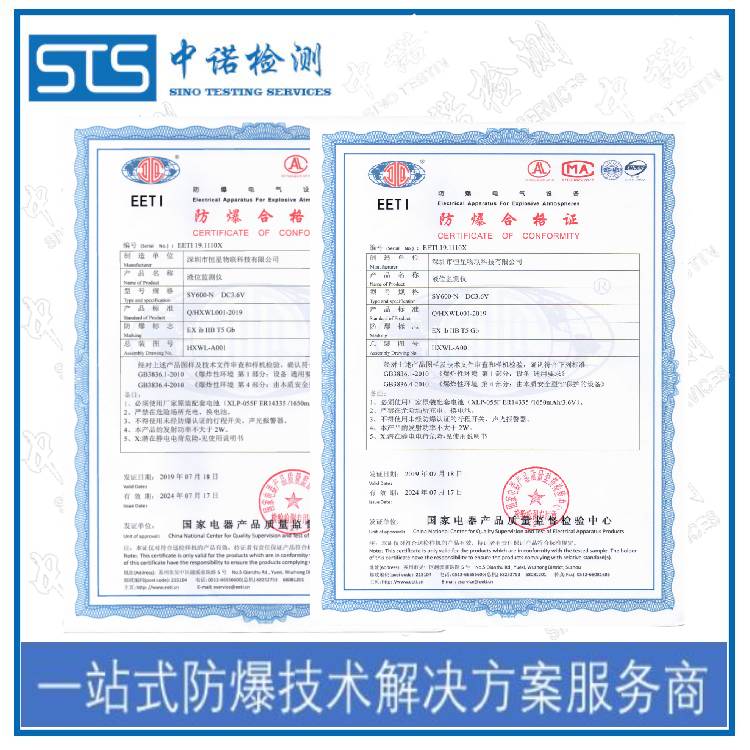
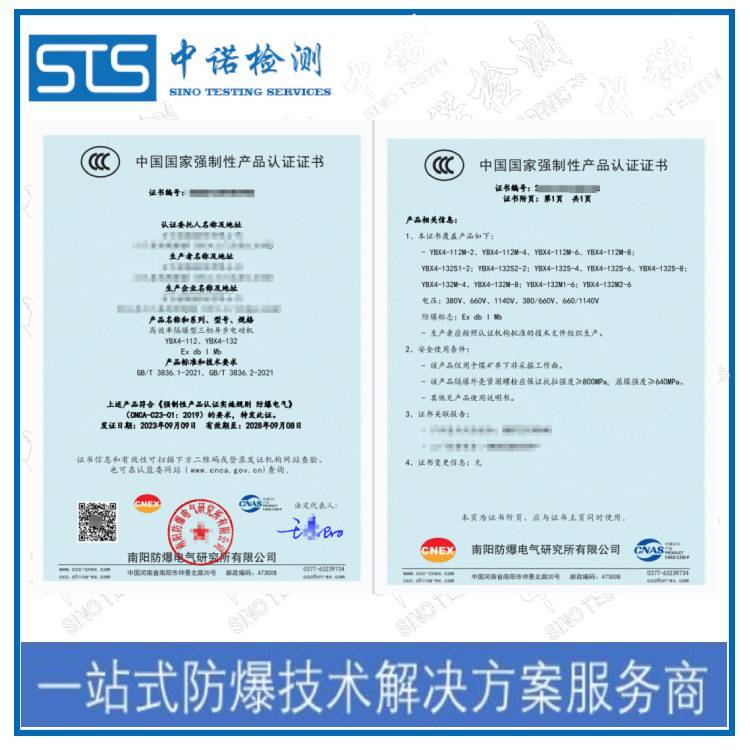

Shenzhen ZhongNuo Inspection Technology Co., Ltd. offers on-site explosion-proof electrical inspection, explosion-proof project acceptance services, and can provide explosion-proof rectification and construction services for non-compliant items.
The AQ3009 "Electrical Explosion-Proof Safety Regulations for Hazardous Areas" stipulates that periodic inspections of hazardous areas should be entrusted to safety production inspection agencies with explosion-proof qualifications, with intervals generally not exceeding 3 years. We offer on-site explosion-proof inspection consulting services, covering safety inspections of electrical explosion-proof equipment, anti-static, dust explosion hazard areas, flammable gases, and other safety facilities and equipment. We are responsible for explosion-proof equipment design and selection, maintenance and repair of in-use explosion-proof equipment, on-site explosion-proof safety checks in explosive gas environments and flammable dust environments, ensuring safe production for enterprises producing hazardous chemicals and those with explosion hazard areas.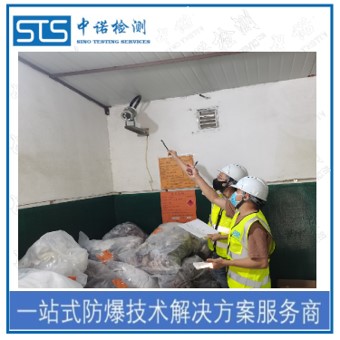
The "Electrical Explosion Proof Inspection Report" issued from regular inspections of explosion-proof electrical equipment is based on standards including but not limited to:
GB 50058-2014 Code for Design of Electrical Installations in Explosive Hazardous Environments
GB50257-2014 Code for Construction and Acceptance of Electrical Installation Engineering in Explosive and Fire Hazardous Environments
GB/T3836.15-2017 "Electrical Equipment for Explosive Gas Atmospheres — Part 15: Electrical Installations in Hazardous Areas (Excluding Mines)"
AQ3009-2007 Electrical Explosion-Proof Safety Code for Hazardous Areas
Do explosion-proof areas require regular inspections? Which standard specifies this?
In areas posing explosive hazards, the installation and use of explosion-proof equipment is a basic requirement. Additionally, stringent explosion-proof specifications must be met for wiring, grounding, ventilation, penetration through walls, and explosion venting and resistance in such locations.
Do such locations require regular inspections?
Yes. According to the AQ 3009-2007 "Electrical Safety Explosion Proof Standard for Hazardous Areas," in addition to daily inspections, these sites must undergo regular explosion-proof inspections by a qualified third-party organization to ensure safety.
Does explosion-proof electrical equipment need to undergo an explosion-proof inspection after installation?
Many corporate clients are puzzled: Does the installation of electrical equipment with a valid and authentic explosion-proof certification mean it can be used normally?
Is using explosion-proof equipment equivalent to overall explosion-proof?
We understand that every product has its lifecycle, from production, market launch, end-user use, wear and tear to obsolescence. As special equipment in a specific industry, the lifecycle of explosion-proof equipment is not only about the product itself but also its installation method, maintenance, and care. In reality, accidents often occur due to improper use by the users, leading to the failure of explosion-proof electrical equipment and causing explosions. This is a situation that deserves our vigilance.
Therefore, the installation and acceptance of the newly introduced explosion-proof equipment is particularly necessary and important.
After the explosion-proof equipment is installed, an initial inspection should be conducted by a qualified inspection agency with explosion-proof inspection credentials before transferring the project to the user, to ensure the entire project's explosion-proof safety performance. The explosion-proof acceptance criteria are based on mandatory standards such as AQ 3009, GB/T3836.15, GB/T3836.16, GB 50257, etc.
After the explosion-proof equipment installation and acceptance, it is not a one-time solution. To ensure the equipment operates effectively and can be safely used in hazardous areas for an extended period, continuous supervision and regular inspections of the equipment in use are necessary.
Continuous supervision should be carried out by the company's personnel, with corresponding inspection records kept, and any anomalies addressed promptly.
Regular inspections should be entrusted to qualified inspection agencies, with intervals generally not exceeding 3 years. Companies should promptly implement explosion-proof rectification measures for any items that fail to meet inspection standards, and file the third-party qualification agency's Report and rectification details with the安全生产监督管理 department.
On-Site Explosion Proof Electrical Equipment Regular Inspection Consulting Service - Shenzhen Zhongnuo Testing Technology Co., Ltd.
WeChat Official Account

Scan to follow Official Account