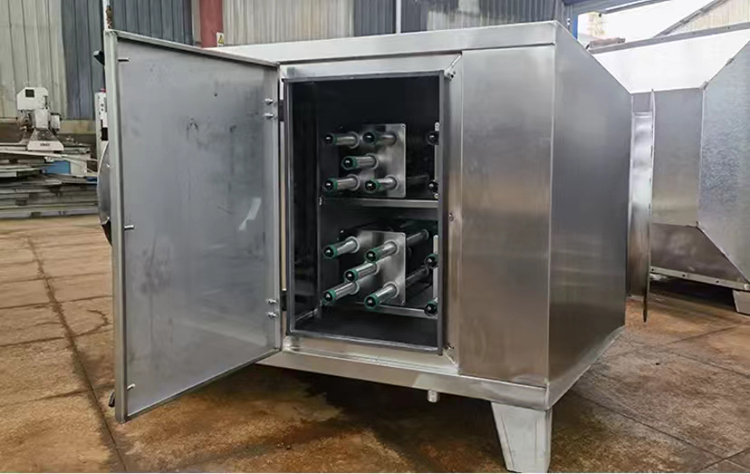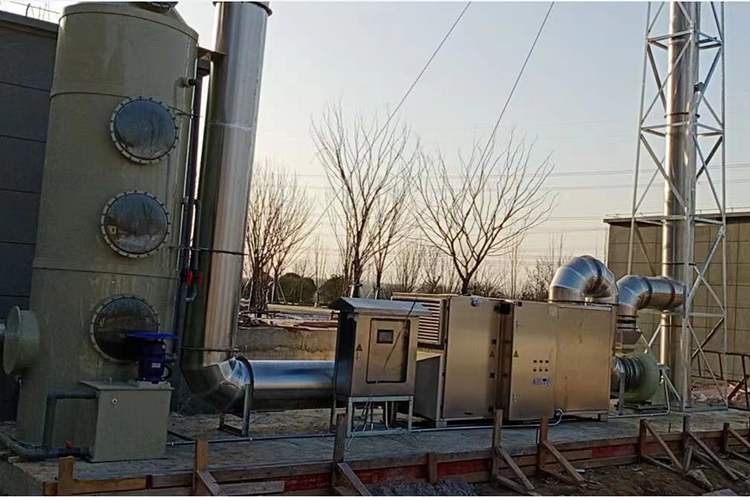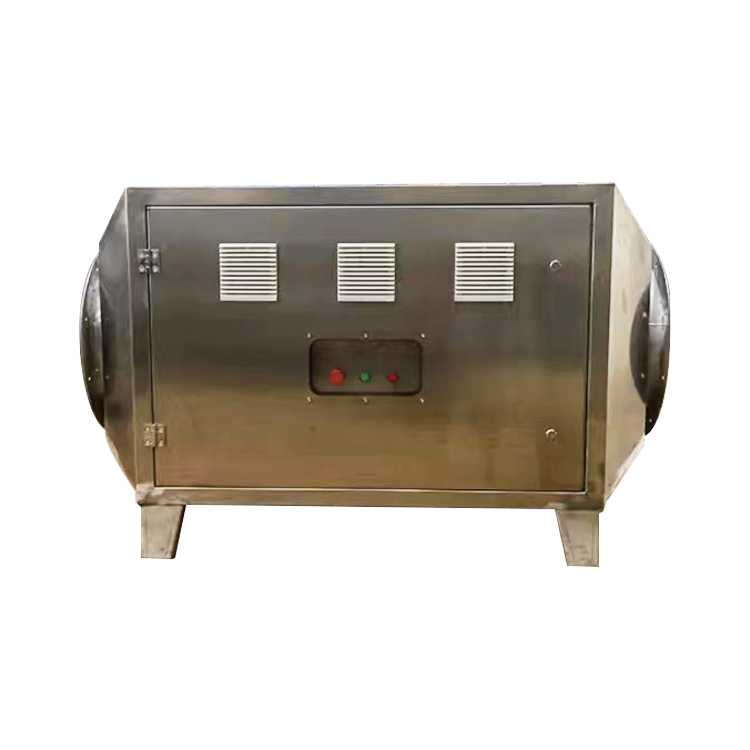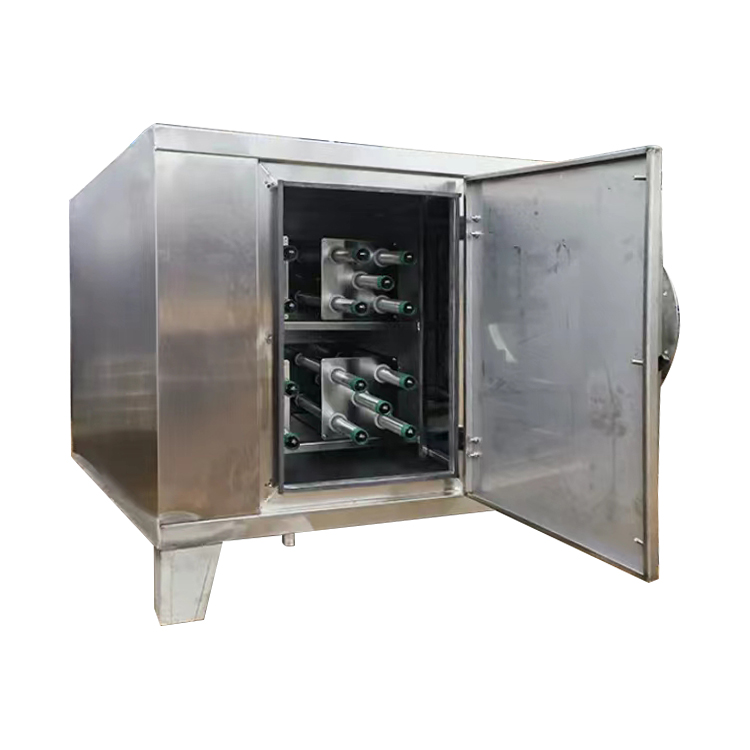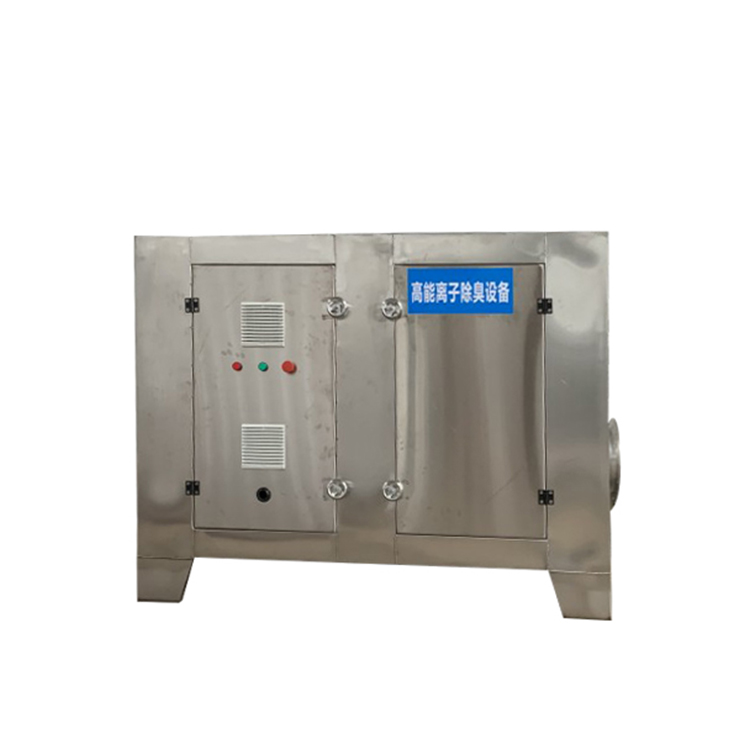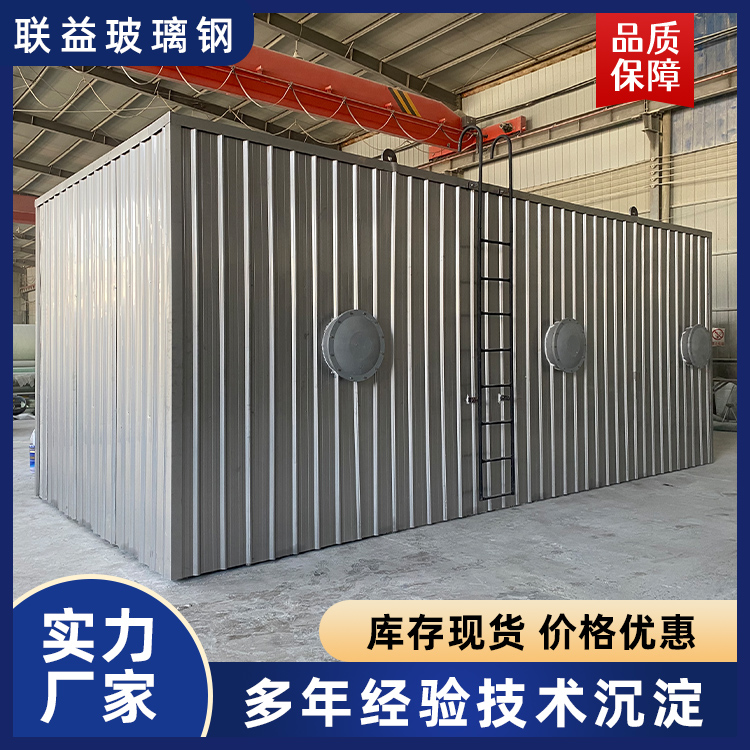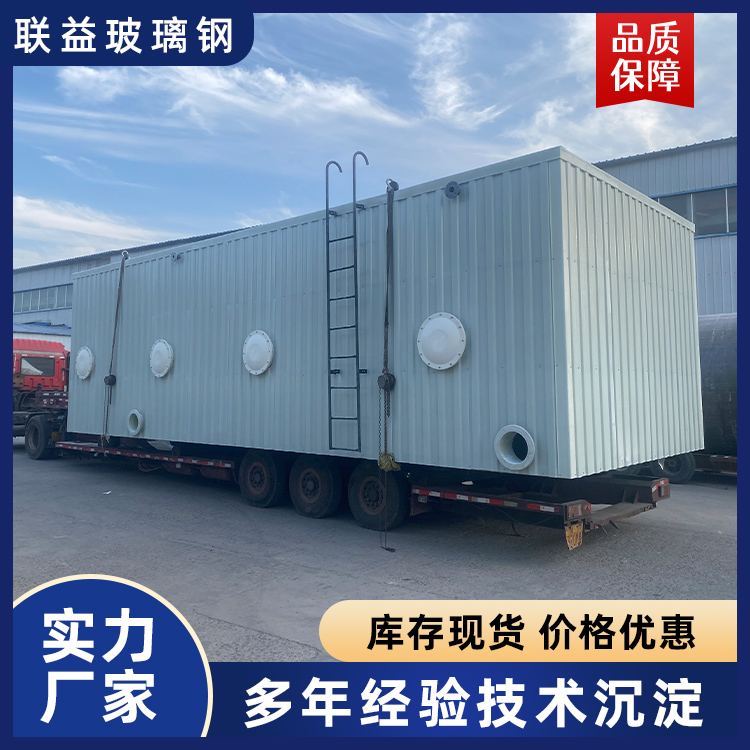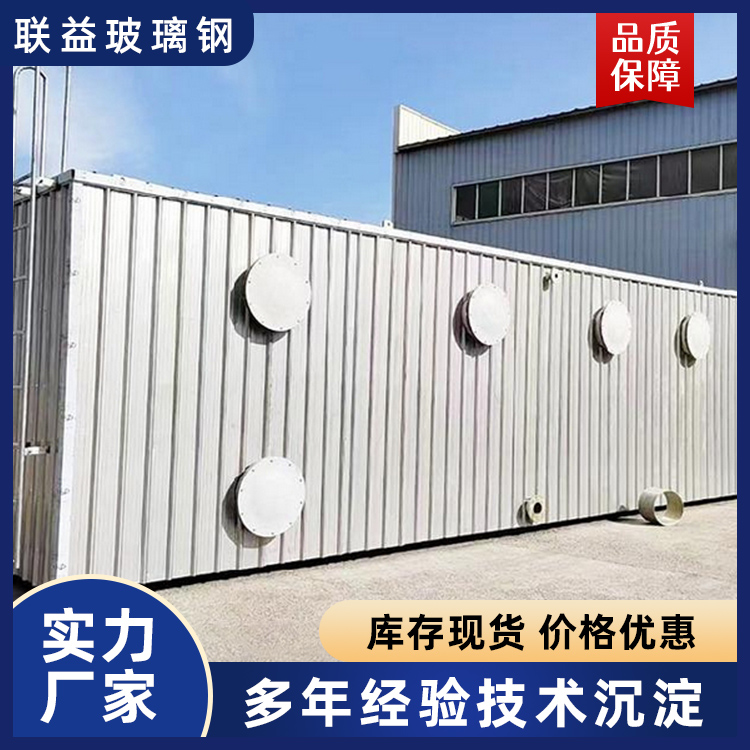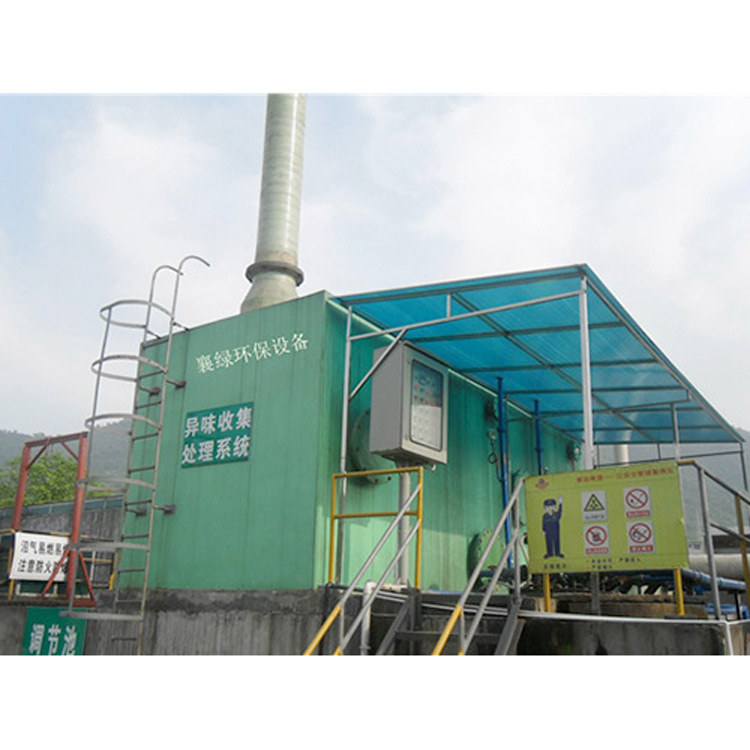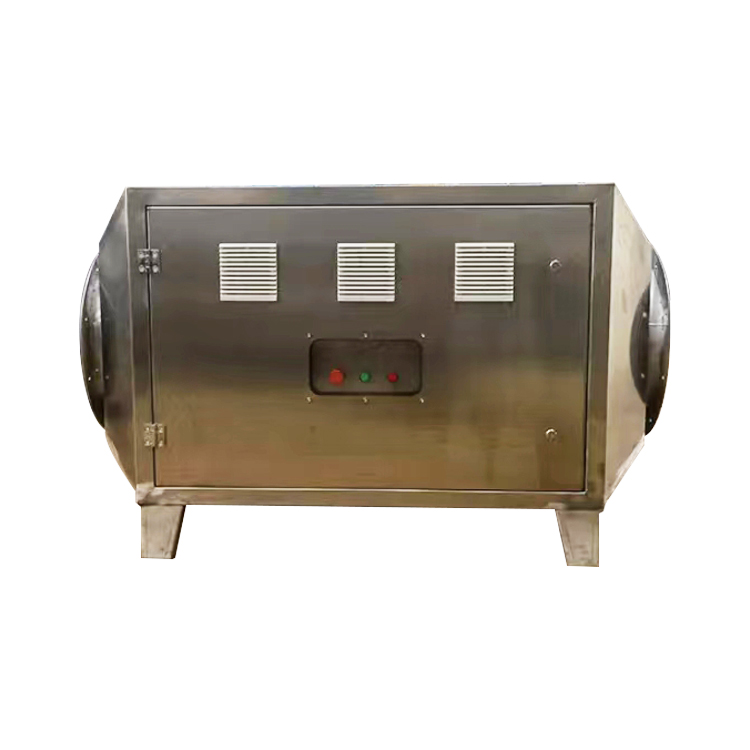


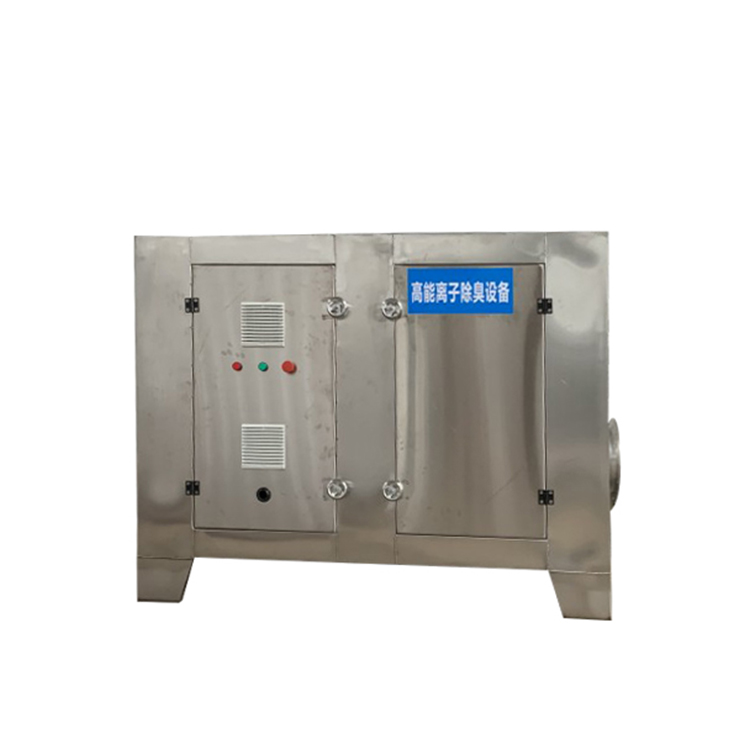


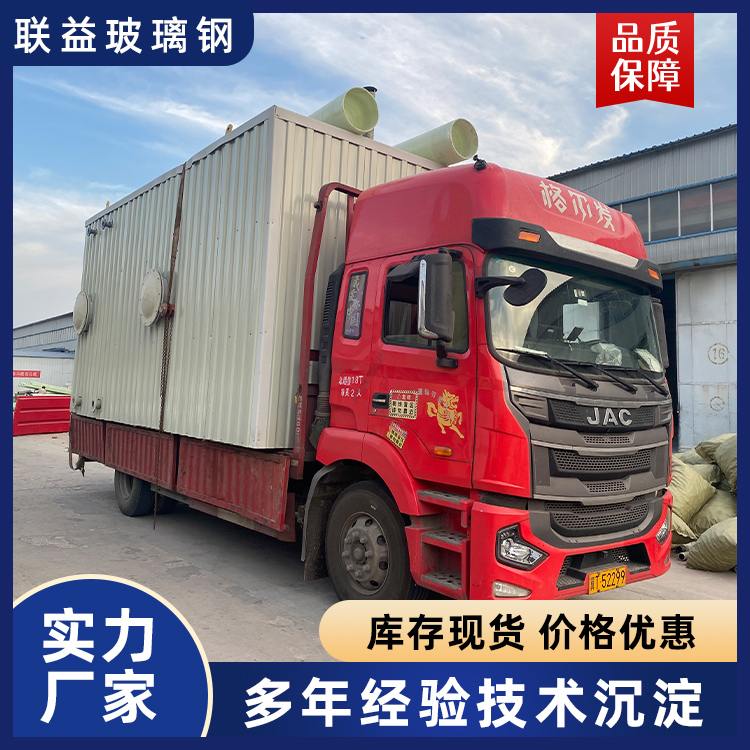
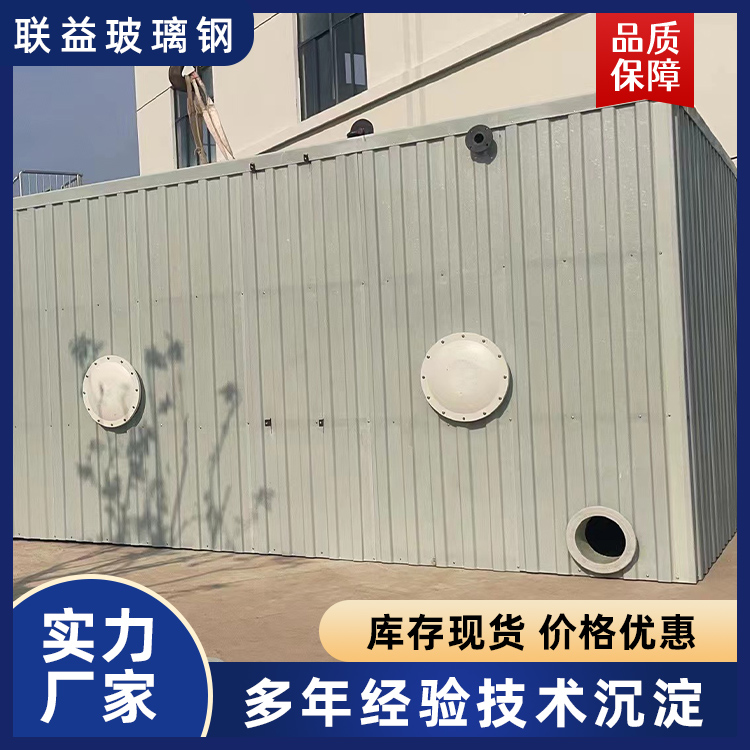
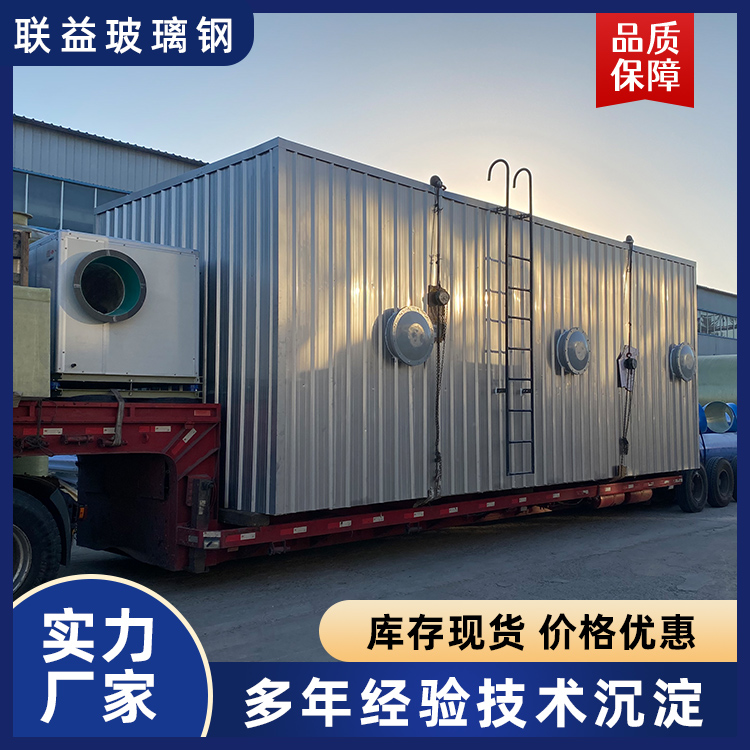

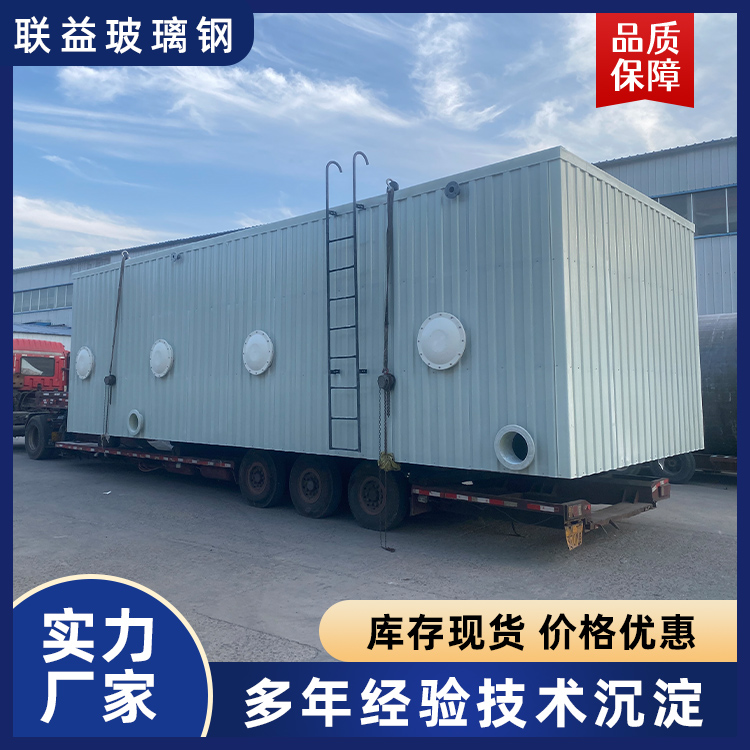





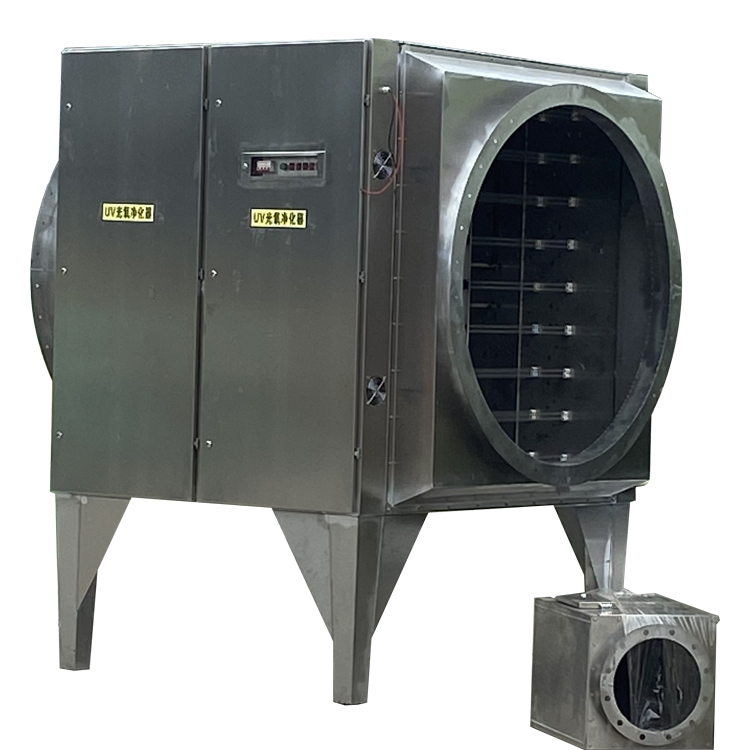
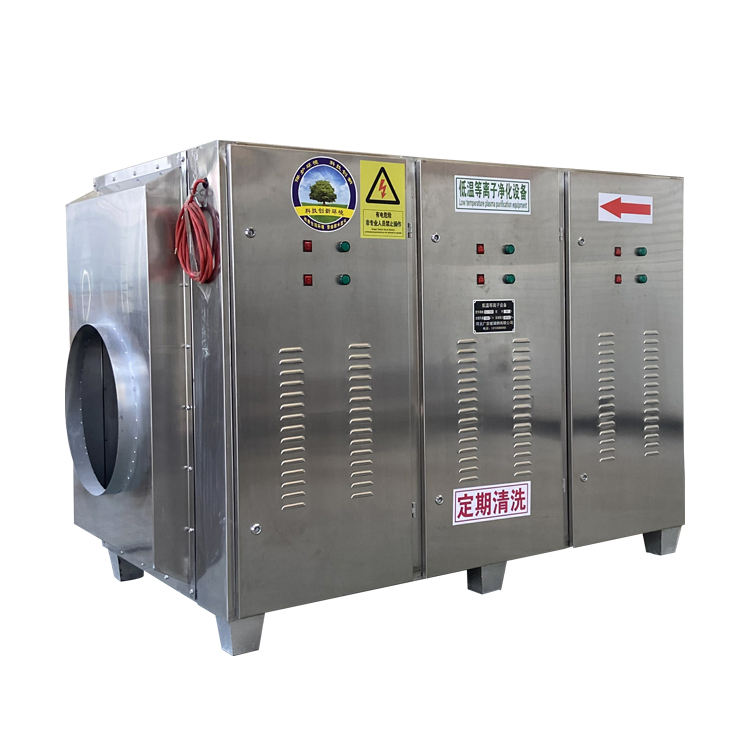
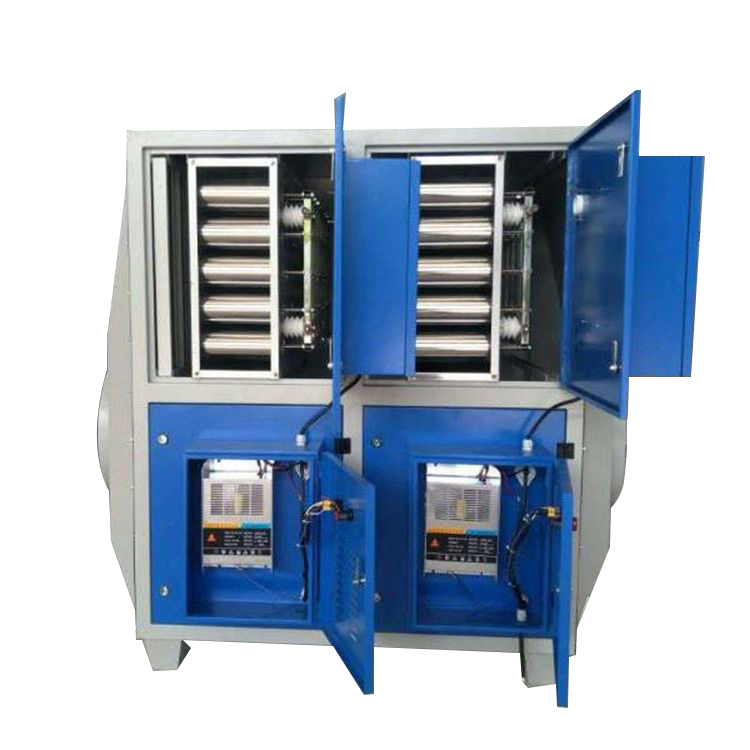
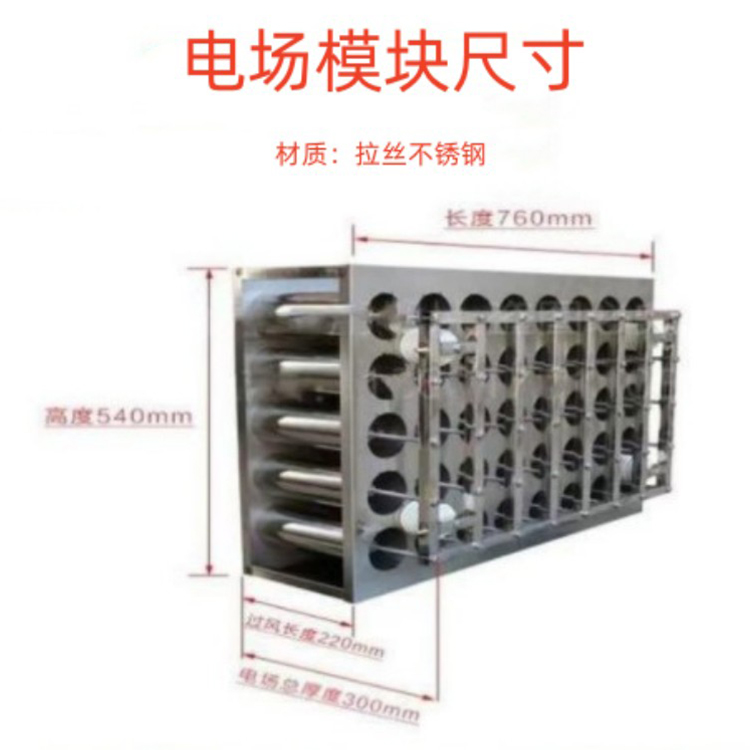
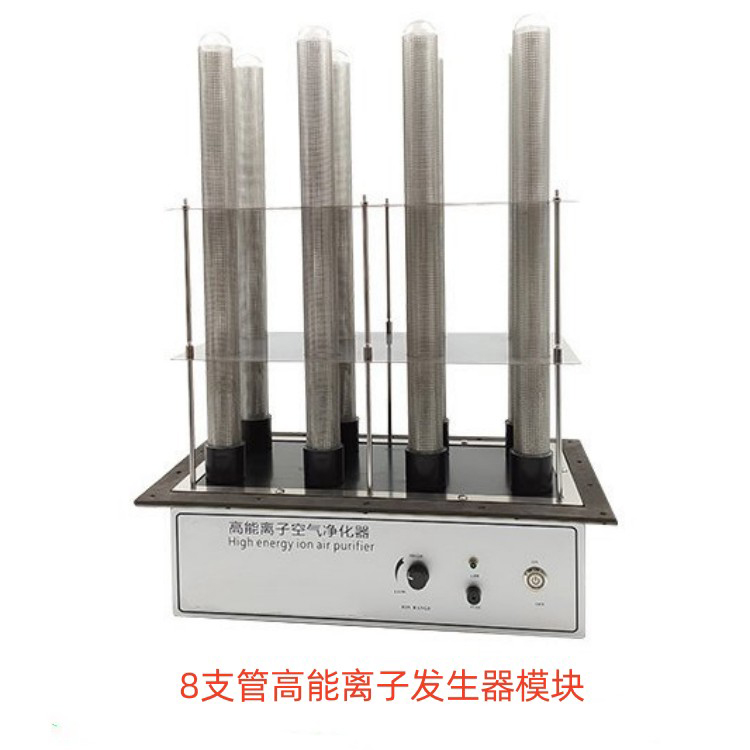
High-Energy Ion Deodorization Equipment Introduction:
High-energy ion deodorization equipment utilizes these high-energy electrons, free radicals, and other active particles to interact with pollutants in waste gases, causing the pollutant molecules to decompose rapidly, thereby achieving the purpose of degrading pollutants—an environmentally friendly solution.
2: High-Energy Ion Deodorization Equipment Features
In the plasma produced by dielectric barrier discharge, electrons have high energy, enabling them to react with almost all malodorous gas molecules.
Compact and lightweight, occupying only 1/5 to 1/10 of the space of biological deodorization equipment, suitable for projects with landscape requirements, tight layout, limited space, and intermittent operation.
Fast response, unrestricted by gas velocity, with low system gas resistance and low energy consumption; low noise, clean, with no residues or construction costs, requiring minimal investment and easy installation and adjustment.
Utilizing anti-corrosive materials, the electrodes do not come into direct contact with exhaust gases, fundamentally solving the issue of equipment corrosion.
Plug and play, easy operation, convenient maintenance. The equipment can be frequently started and stopped according to time requirements without the need for a dedicated staff, significantly reducing labor costs. It is also suitable for environments with large temperature differences and fluctuations, eliminating the need for insulation and humidity control. Operation, management, and maintenance are straightforward, requiring only a filter and ion tube cleaning every six months.
Equipment starts and stops rapidly, ready for use at any time without being affected by temperature.
Three: Application Range of High-Energy Ion Deodorization Equipment
High-energy ion deodorization equipment can be used for waste treatment and sewage plants, as well as in the purification of waste gases in industries such as painting, leather, chemicals, printing, rubber, furniture, papermaking, and feed processing facilities.