










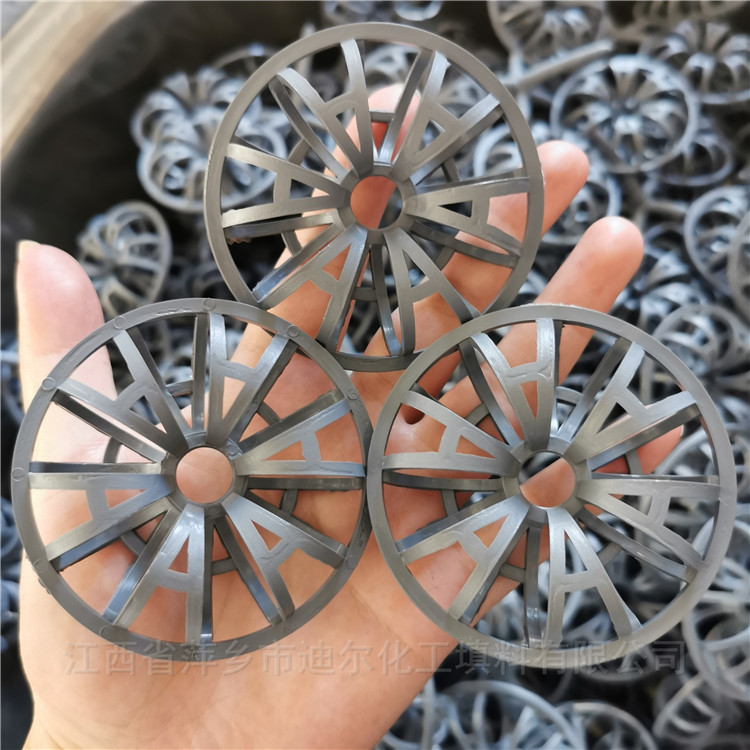
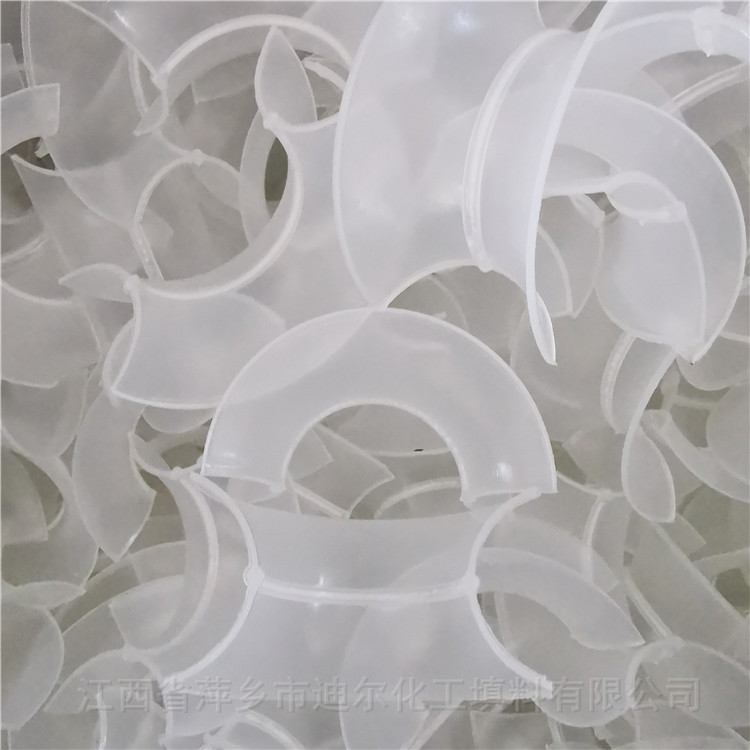
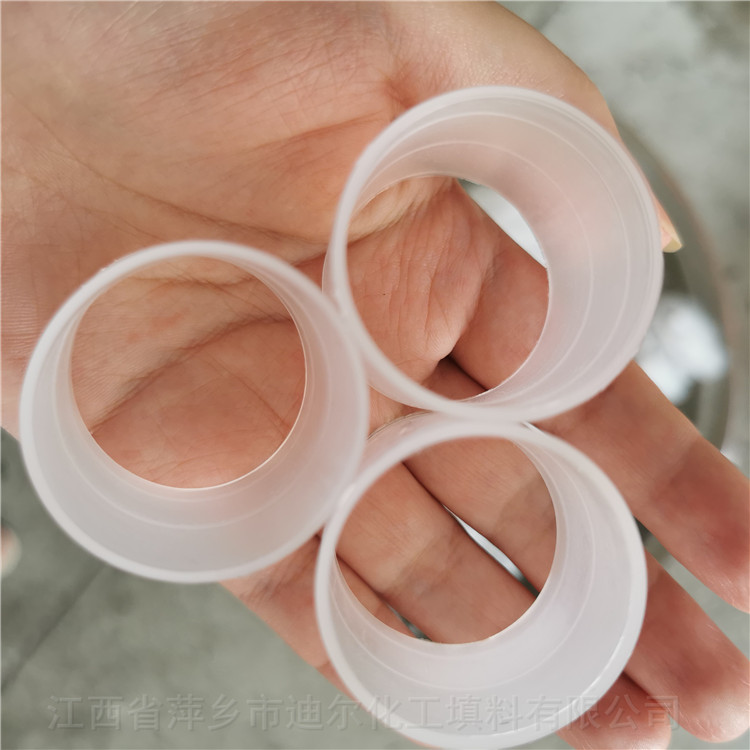
Ceramic Step Ring Introduction
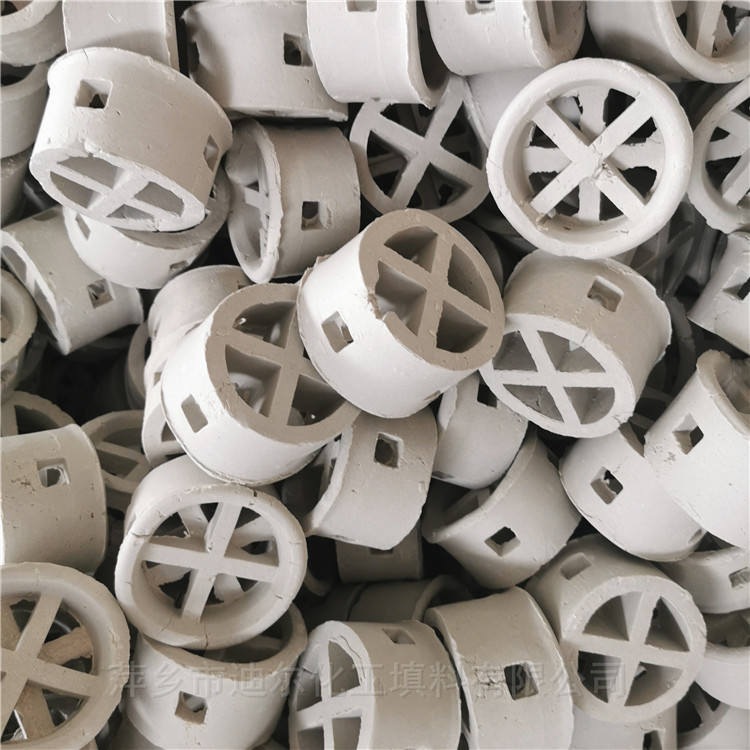
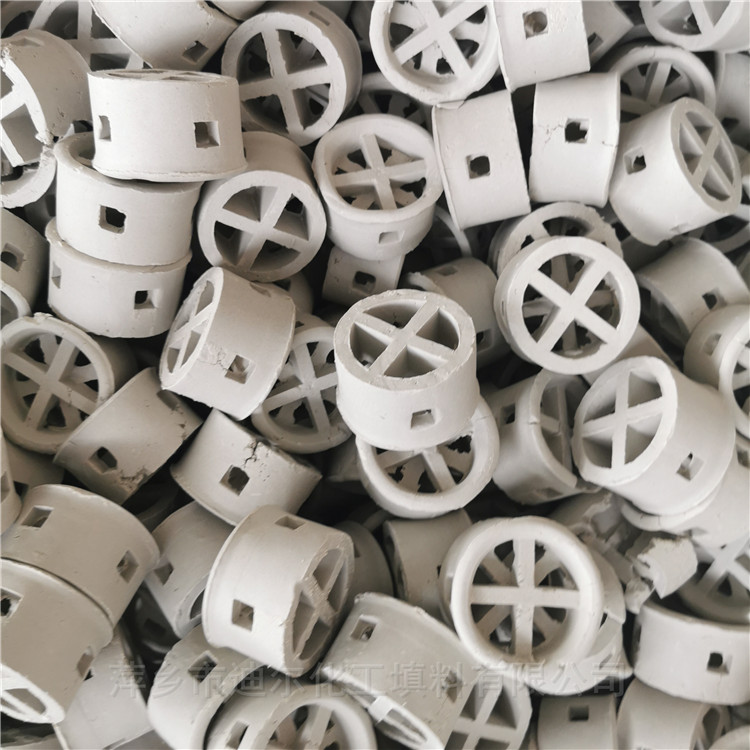
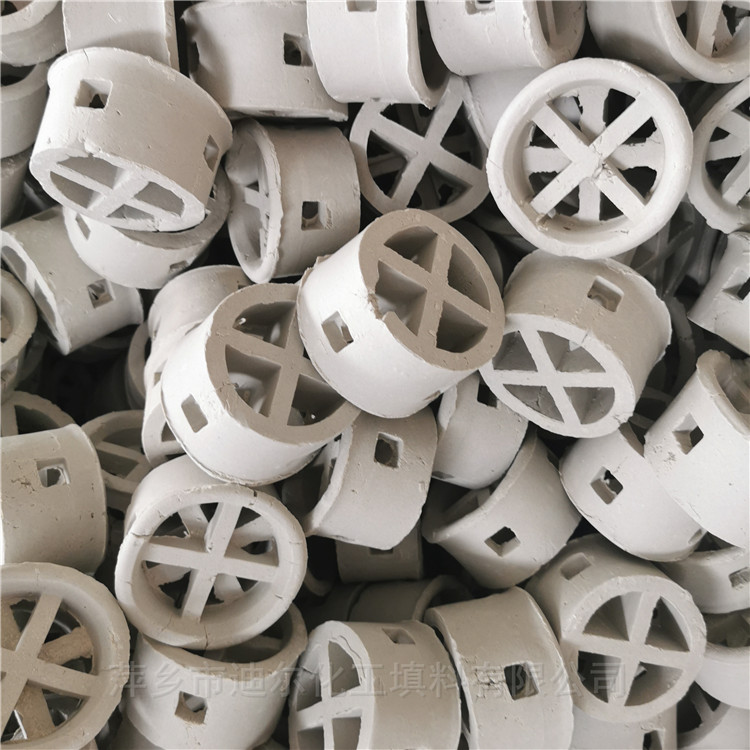
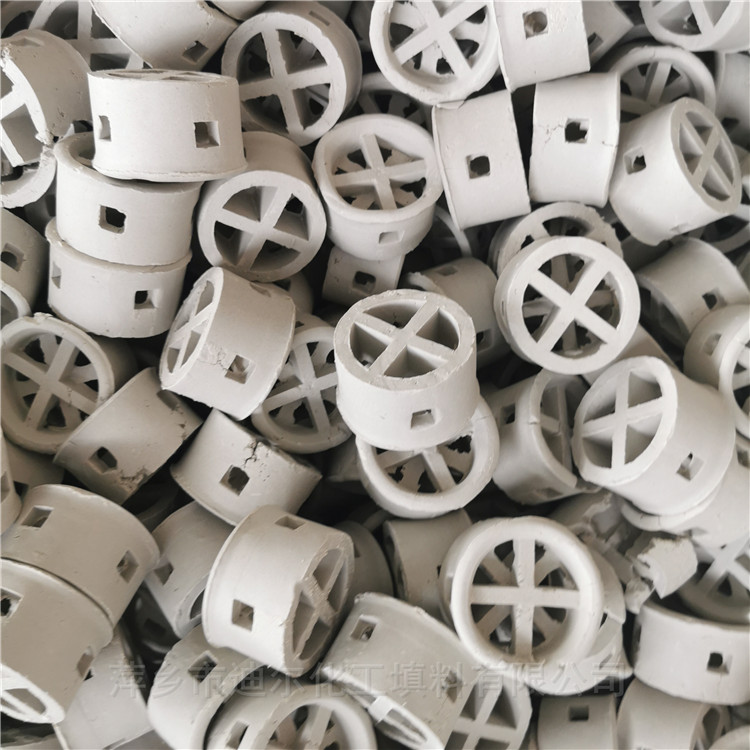
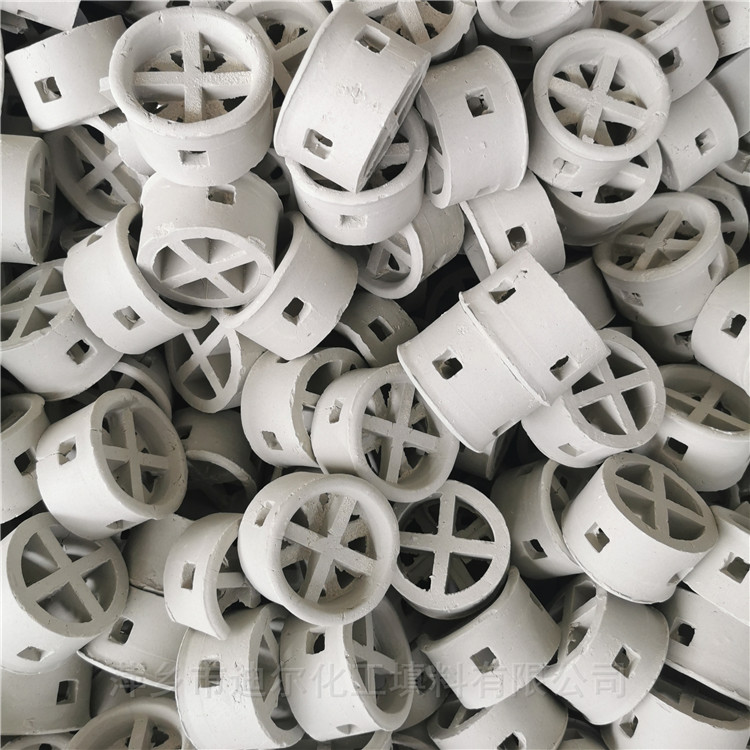
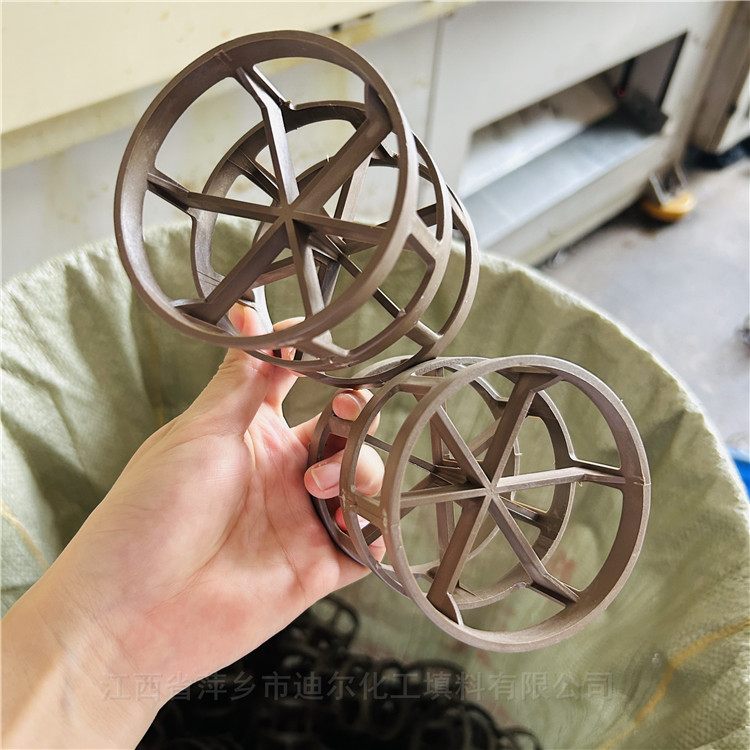
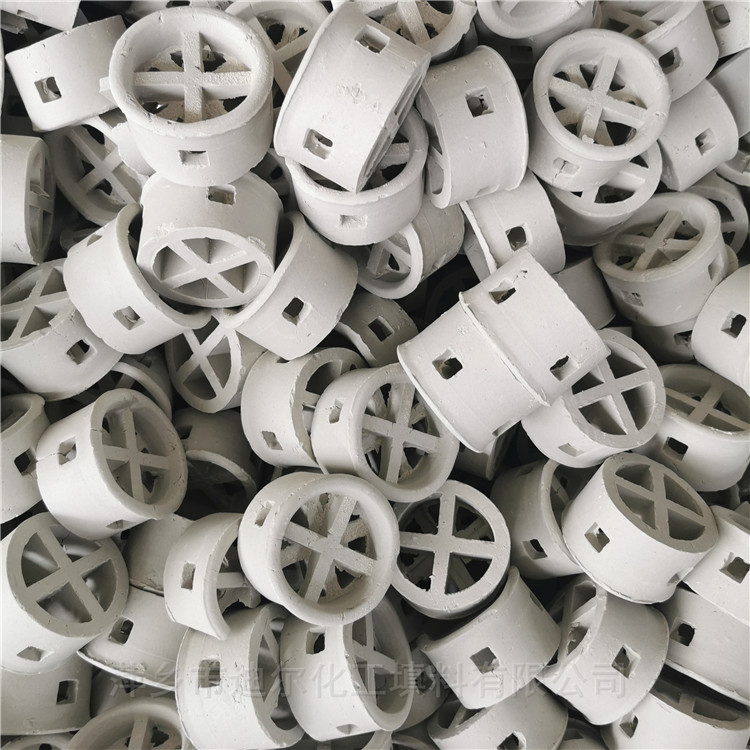
Ceramic step ring packing is a new type of high-efficiency annular perforated packing. Its height is approximately half of its diameter, with one side having a conical flange. The ring wall features four evenly distributed high holes, and inside the ring, there is a cross-shaped ribbing. The unique structural design allows the packing to primarily make point contacts during stacking, which not only increases the voidage of the packing and reduces air flow resistance but also significantly improves the gas-liquid distribution performance within the packing layer. One end of this ring is 1/2 the height of a Raschig ring or a Pall ring, while the other end is a bell mouth with a height of about 1/5 of the packing. The center has two layers of cross-shaped fins, with the upper and lower layers of fins intersecting at 45° angles. It is suitable for carbon dioxide degassing towers and synthetic tower packings.
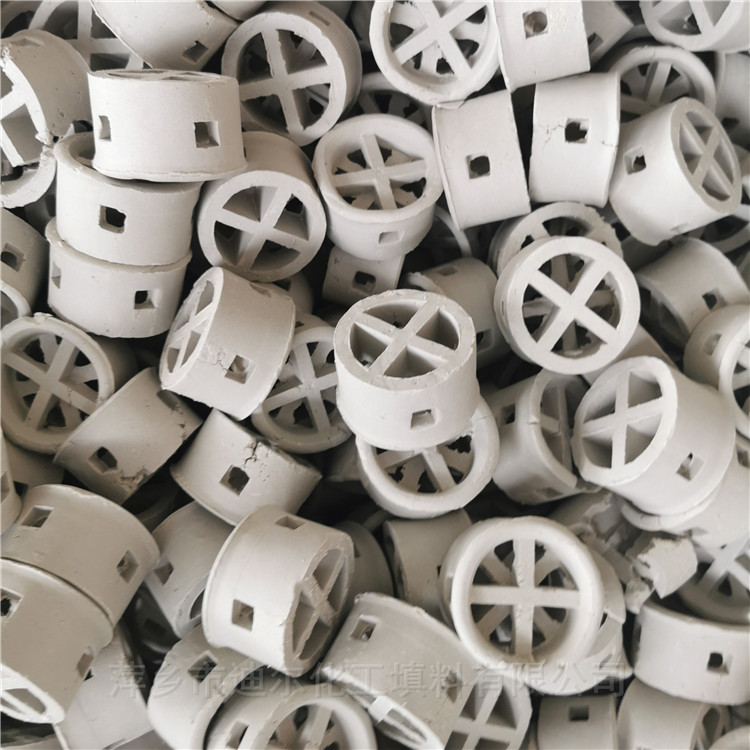
Ceramic Step Ring Performance Features
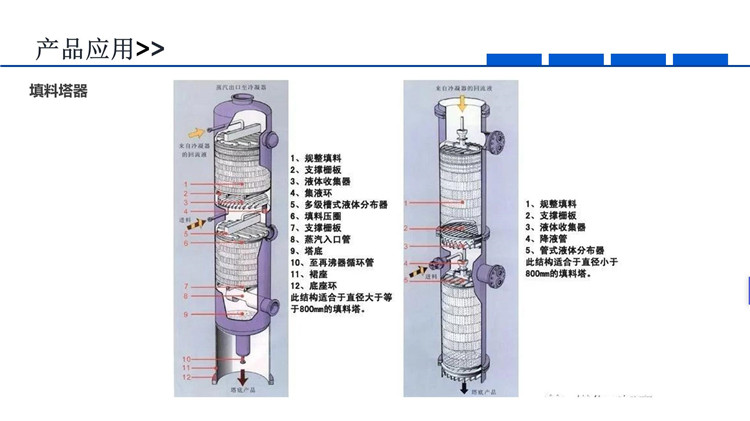
Step rings incorporate the characteristics of Raschig rings, while the improvements to the Pall rings feature a high-diameter ratio of 1:2 and an added conical flange at one end. This reduces the resistance of gas flow through the bed, increases the flux, and enhances the strength of the packing. Due to its structural features, it promotes even gas-liquid distribution, increasing the contact area and improving the mass transfer efficiency. Ceramic step rings also deviate from the traditional practice of having the same height and diameter as Raschig ring packing, reducing the height and thinning the material thickness. A flange is added to one end of the step ring. The addition of the flange at one end of the packing not only increases the mechanical strength of the packing rings but also, by disrupting the symmetry of the packing structure, enhances the directional chance during packing placement. Additionally, the influence of the flange causes the contact between packing ring gaps to shift from primarily linear to primarily point contact during stacking. This not only increases the voids between packing particles, reducing the resistance of gas flow through the packing layer but also serves as collection and dispersion points for liquid flow along the packing surface, promoting the renewal of the liquid film and benefiting the improvement of the mass transfer efficiency. Consequently, the performance of ceramic step ring packing is further enhanced compared to ceramic Pall ring packing. Ceramic step rings exhibit excellent resistance to acid and heat, able to withstand corrosion from all inorganic acids and organic acids and solvents, except for hydrofluoric acid. They can be used in various high-temperature environments, with a wide range of applications including drying towers, absorption towers, cooling towers, washing towers, and regenerating towers in industries such as chemicals, metallurgy, coal gas, and environmental protection.
Technical Specifications for Ceramic Step Ring
Specs | Diameter × Height × Wall Thickness | Specific Surface Area | Porosity | Number of piles | Dry Packing Factor |
mm | mm×mm×mm | M2/m3 | % | n/m3 | m-1 |
25 | 25×17.5 | 228 | 75 | 74000 | 245 |
50 | 50×50 | 108.6 | 78.7 | 9091 | 223 |
76 | 76×45 | 63.4 | 79.5 | 2517 | 126 |
Ceramic Step Ring Product Packaging: Woven Sack