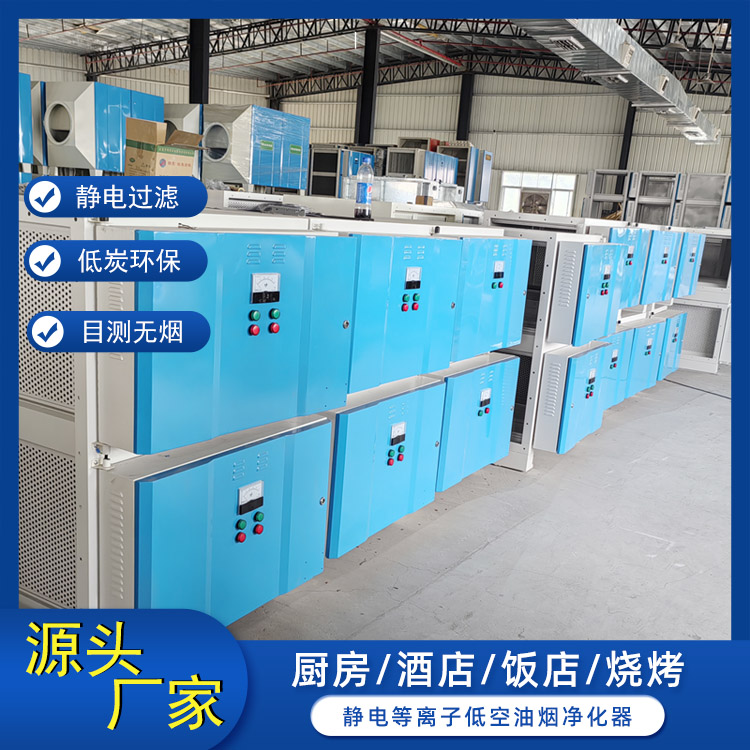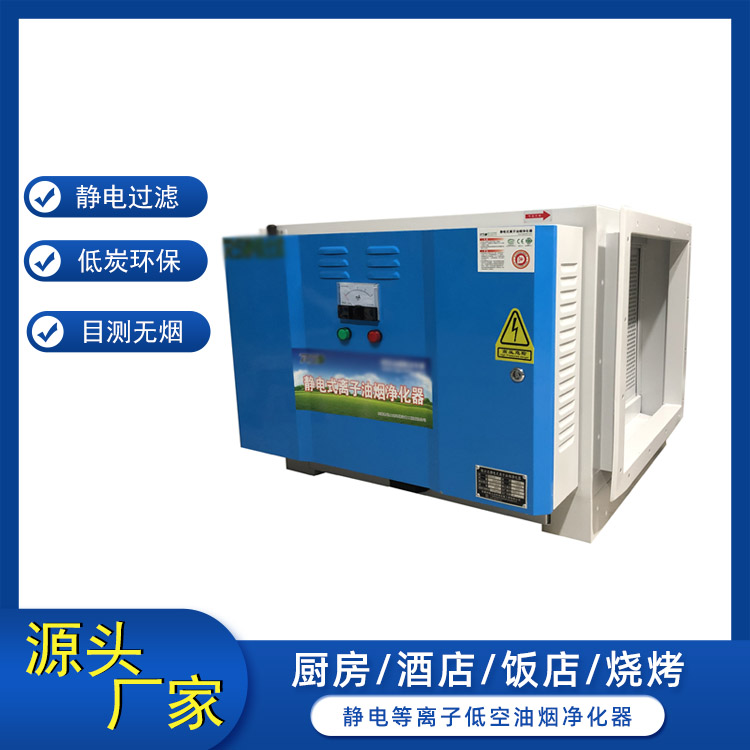
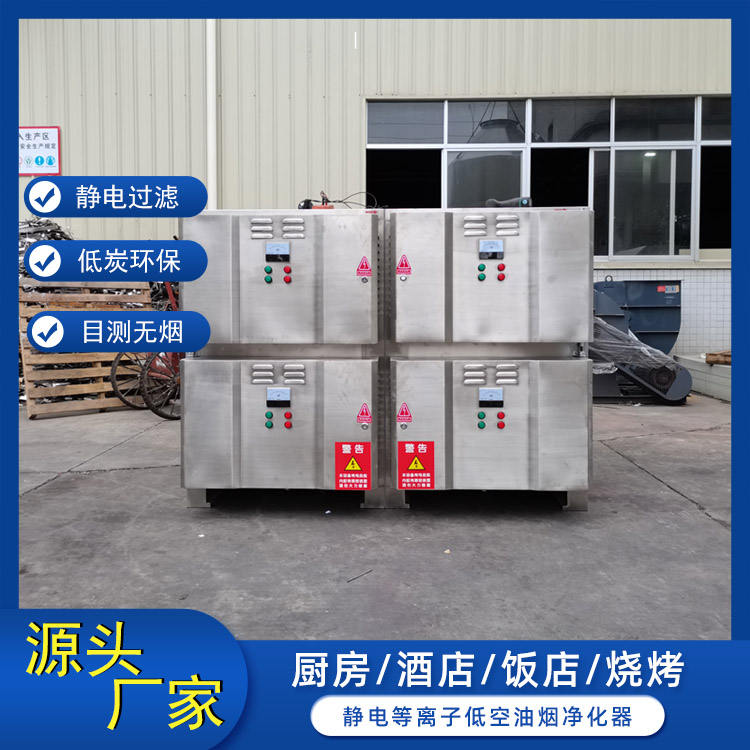
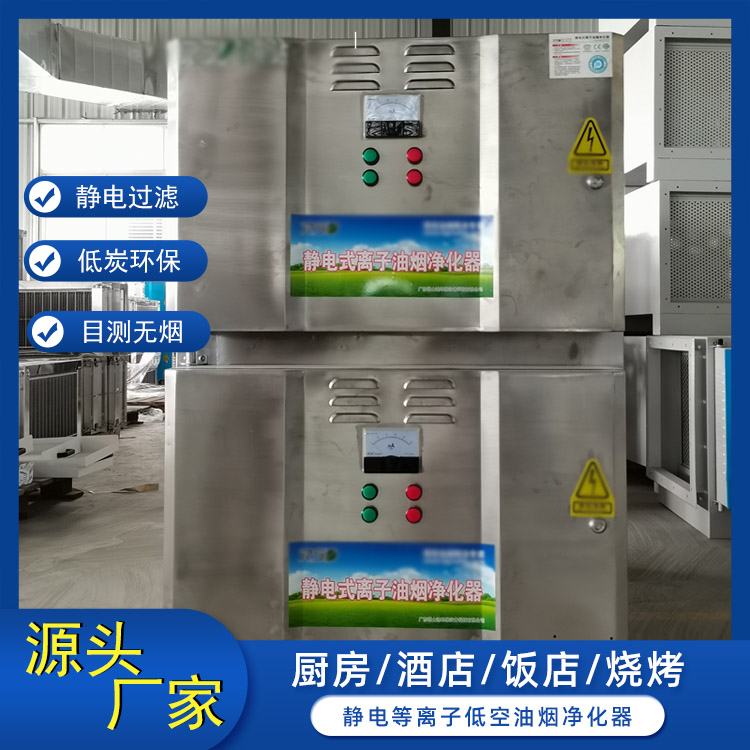
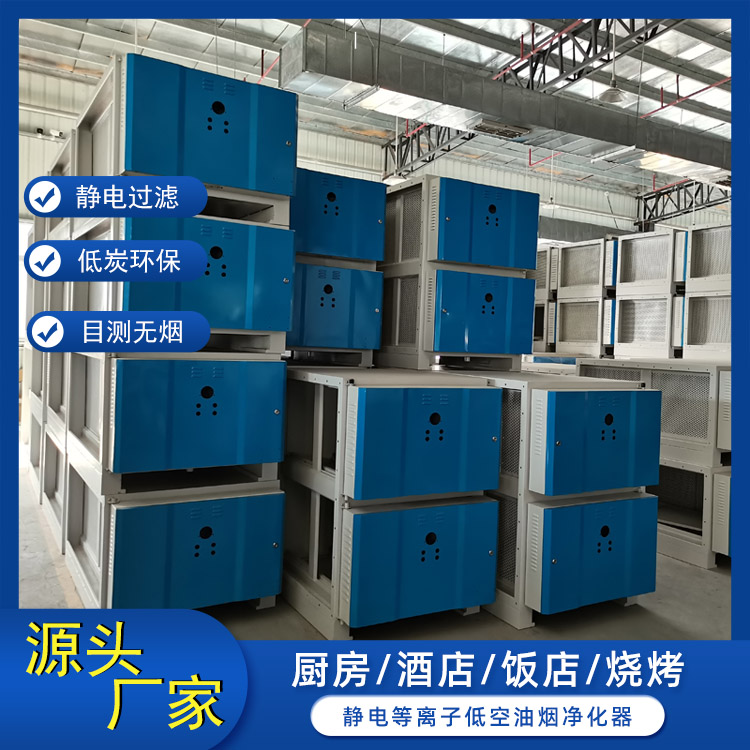
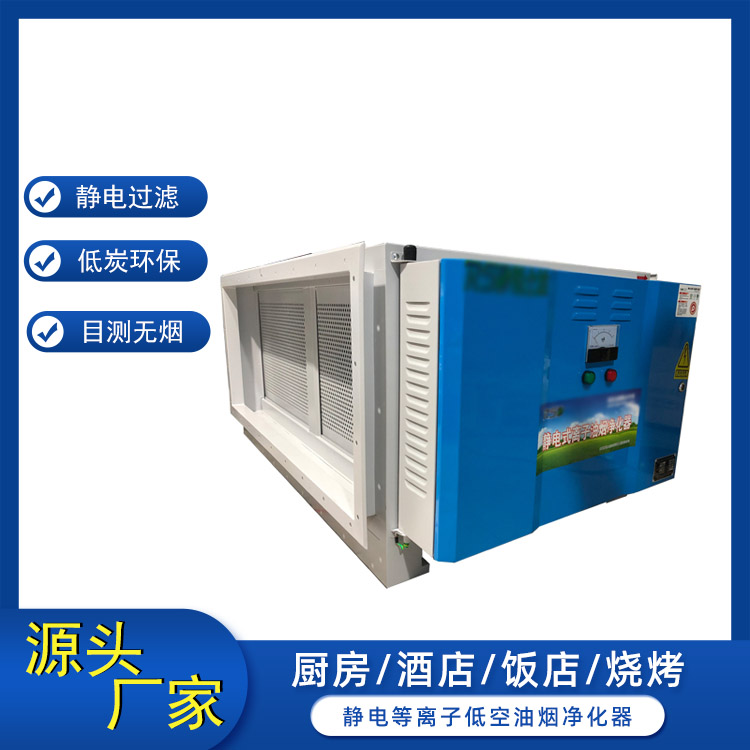







Activated carbon air pollution control equipment is an economical and practical organic waste gas purification unit with high adsorption efficiency, broad applicability, and easy maintenance. It can simultaneously treat a variety of mixed waste gases, and has excellent adsorption properties for benzene, alcohols, ketones, esters, and other agents. The granular activated carbon used in this project has numerous micropores and a large specific surface area, which can adsorb waste gases and volatile organic substances on its surface through molecular attraction and capillary action.
Activated carbon consists of very fine carbon particles with a large surface area, and these particles contain even finer capillary pores. These capillaries possess strong adsorption capabilities, and due to the vast surface area of the carbon particles, they can come into full contact with gases. The surface area of activated carbon is 500-1700 m² per gram, with a true density of 1.9-2.1. When organic waste gases encounter the capillaries, they are fully adsorbed, thereby providing purification.
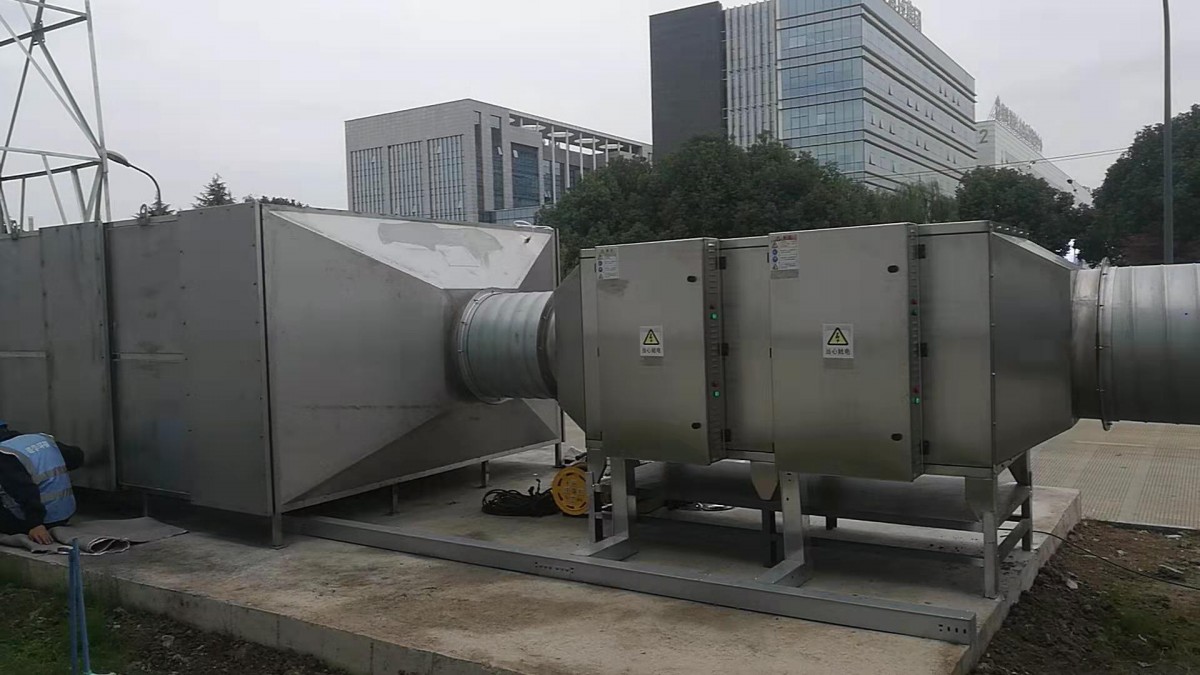
Two,Activated Carbon Air Pollution Treatment EquipmentProcess composition
Activated carbon air pollution treatment equipment mainly consists of an activated carbon absorption device box, inlet and outlet pipelines, fans, chimneys, etc.
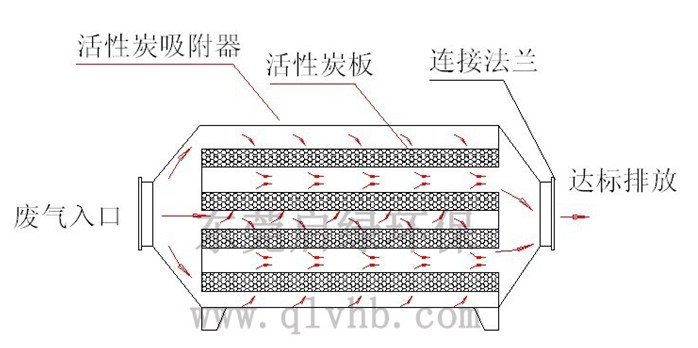
Activated Carbon Air Pollution Control EquipmentBox:
1.1. Filter media is housed within a steel shell box to isolate the polluted air to be treated, the box being constructed of carbon steel焊接.
1.2. The tower is equipped with a maintenance door for easy replacement of filter material and tower maintenance.
1.3. The activated carbon filter material layer is structured with a drawer box design, offering a compact structure and ease of replacement. The box is composed of a steel frame and welded perforated plates. The frame is made of solid metal, with the perforated plates fixed to the frame using spot welding. The cavity formed between the inner and outer boxes is used for filling activated carbon. The panels are equipped with handles, and the back is lined with closed-cell neoprene rubber to ensure a seal. The rear cover can be removed for easy replacement of the activated carbon.
1.4. The resistance loss in the filter section is approximately 600-1200 Pa.
1.5. Odor control equipment import/export setups include sulfur monitors and differential pressure gauges, used for controlling and observing exhaust gas treatment conditions and the saturation level of activated carbon.
Centrifugal Fan: The fan is a device for collecting and conveying foul odors, and one fan is provided with each deodorization equipment set.
1.1 The fan is a centrifugal fan, with the housing and impeller, among other main components, treated with glass fiber reinforced plastic for corrosion resistance.
1.2 To avoid stress and increase strength, the fan housing is designed...
Manufactured using a one-piece molding process. To prevent leaks, the assembly screws between the housing and the inlet bell are pre-injected. The inlet bell is喇叭-shaped and tapered, smoothly transitioning to the expanding design, forming an optimal streamlined shape. It also features linear stacking to avoid interference and destruction caused by the attachment of acid and alkali crystals.
1.3 Fan equipped with flexible inlet and outlet compensators and springs
Shock absorbers. The main material of the flexible compensator is fiber fabric, capable of compensating for axial, lateral, and angular movements. It is resistant to corrosion and high temperatures, features noise absorption and vibration isolation, effectively reducing the noise and vibration of the fan. The fan noise (including the motor) is below 80 dB(A), and the unit vibration meets ISO 2372 standard 4.5 level, with vibration isolation efficiency ≥ 80%.
1.4 The dynamic balance accuracy of the fan impeller meets the ISO1940 standard's G2.5 grade, and it can operate continuously for 24 hours.
1.5 motor features a Class II energy-saving explosion-proof motor, protection class IP65, power supply of 3-phase, 4P, 380V, 50Hz, insulation
Grade F, temperature rise grade B.
6.6 Life span exceeds 10 years.