










1. Primarily Flexography: North America is a typical representative of using flexographic printing as the dominant technology for printing dry offset labels. The main equipment includes medium and small-sized unit printing machines, primarily using water-based inks, with roll-to-roll printing and round-to-round die-cutting methods. It boasts high production efficiency, advanced technology, and meets environmental protection requirements.
2. Half embossing and flexography: This processing method is prevalent in Europe. Flexographic printing applications are similar to those in the U.S., with embossing accounting for 50% of the market, all using UV inks, and the equipment is mostly stack or satellite-style. The material processing method is also roll-to-roll printing.
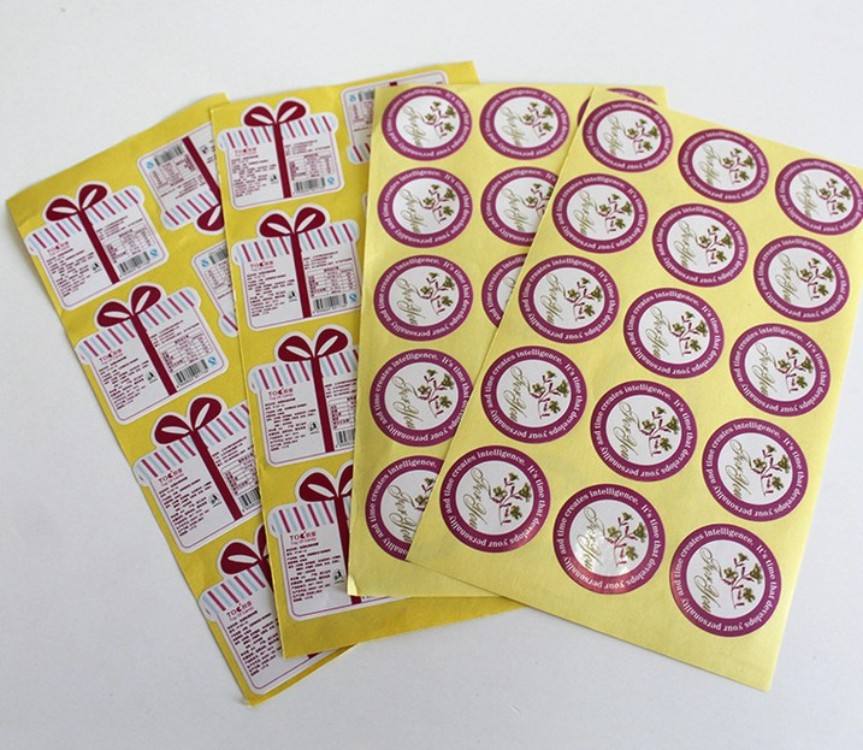
3. Predominantly Embossed Printing: This method is primarily used in the Asia-Pacific region. Many developing countries in the Asia-Pacific area have lagging label printing technology. Even with embossed printing, only a minority use UV ink equipment. Most label printing still utilizes resin-based inks, with roll-to-roll and single-sheet printing methods coexisting. Due to a high proportion of manual labeling, single-sheet offset printing for pressure-sensitive labels is widely used. In terms of die-cutting, flat-to-flat die-cutting is the norm.
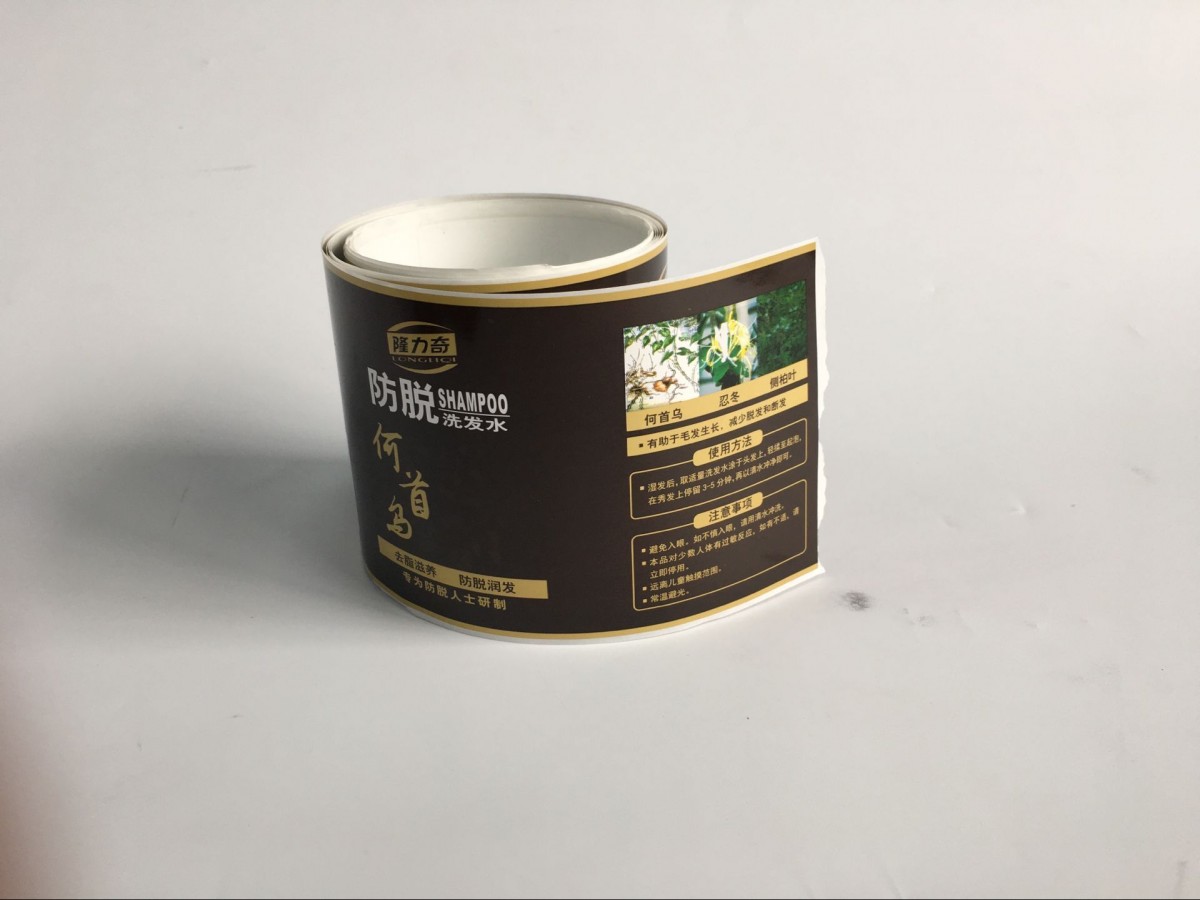
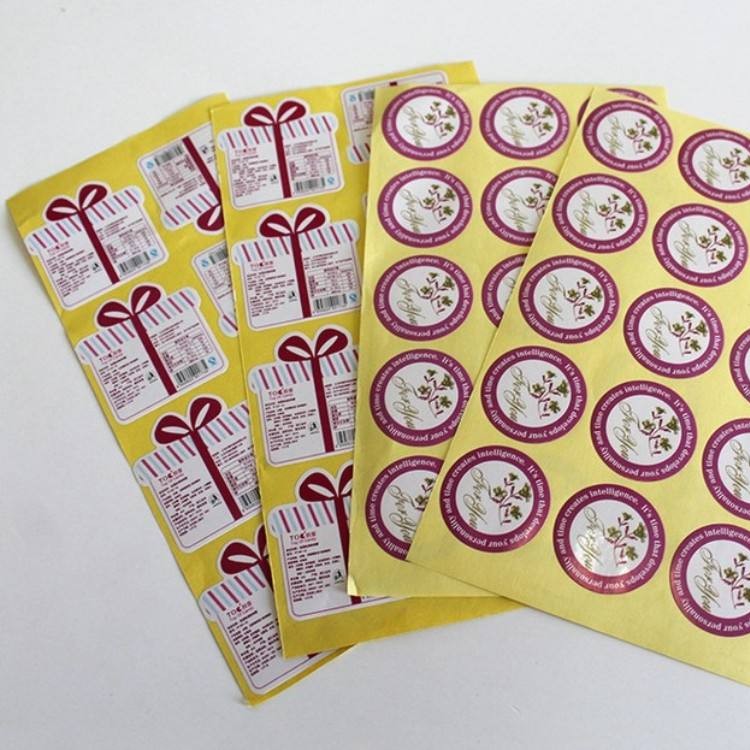
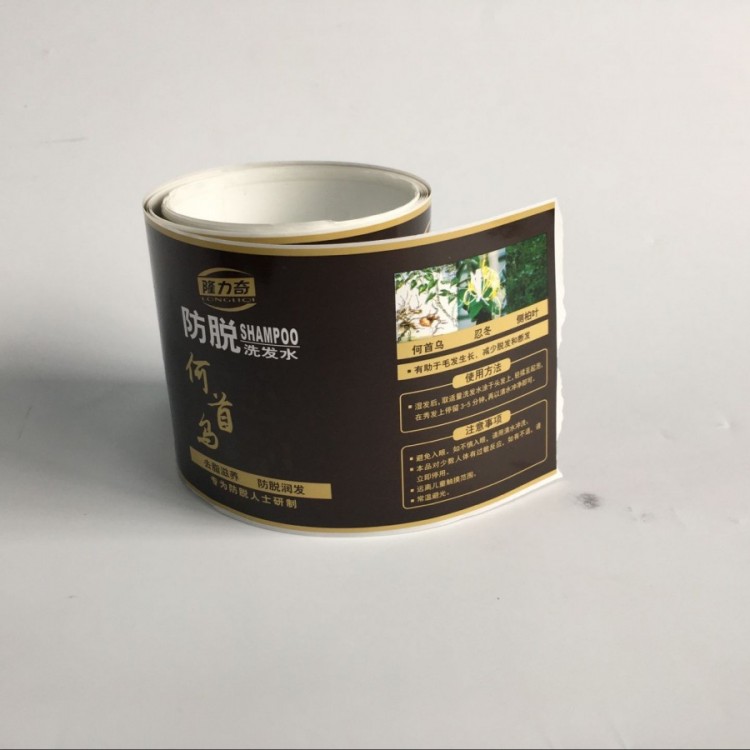
4. Flexographic Printing: Flexographic printing is the primary method for printing paper-based pressure-sensitive labels in Chinese label printing factories. It is characterized by fine graphics and rich layers, suitable for large-volume printing. The printing equipment can be used for multiple purposes, which aligns with the characteristics of the Chinese label market. However, single-sheet flexographic printing is not suitable for printing non-absorbent films on the surface, as film labels are typically printed roll-to-roll and require volatile drying inks. Flexographic printing can produce thicker plastic materials like in-mold labels and label tags, but it requires the addition of a UV curing unit, which incurs a significant cost.
5. Screen Printing: Screen printing is a versatile printing method for various substrates. Currently, many screen printing factories undertake the printing of adhesive labels and film labels with inexpensive screen printing equipment. The characteristics of screen printed labels include heavy ink color and strong three-dimensional effects, and they can be printed with UV inks on film products. While some rotary screen printing machines are capable of roll-to-roll label printing, most screen printing equipment consists of semi-automatic flatbed screen printers, which can only print single pieces and have low registration accuracy, making them unsuitable for production line-matching film label equipment. During the business transformation, attention should also be given to the corresponding changes in label post-printing processes, such as dividing the post-printing of adhesive labels into single-sheet processing and roll processing based on the label's application form.