










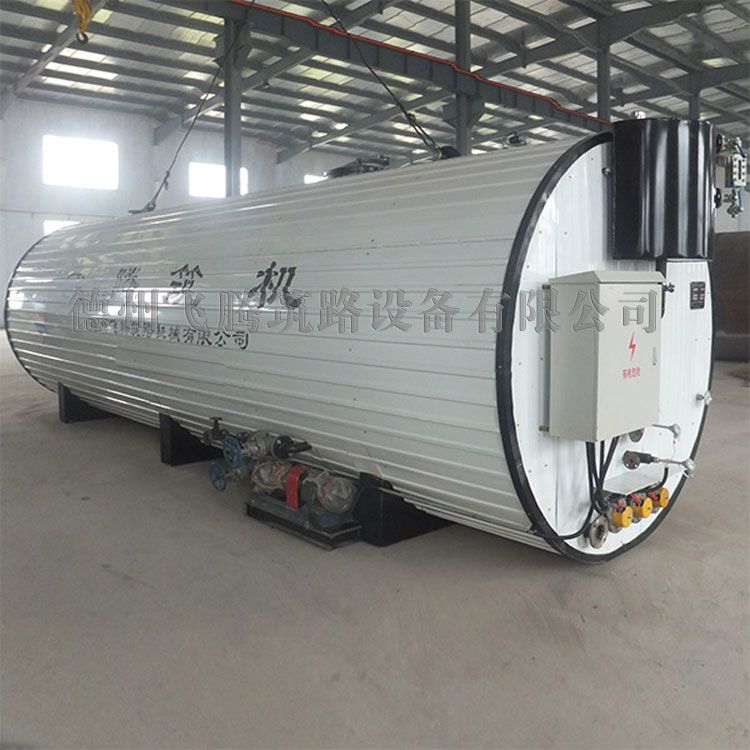

Color asphalt, also known as colored binder.
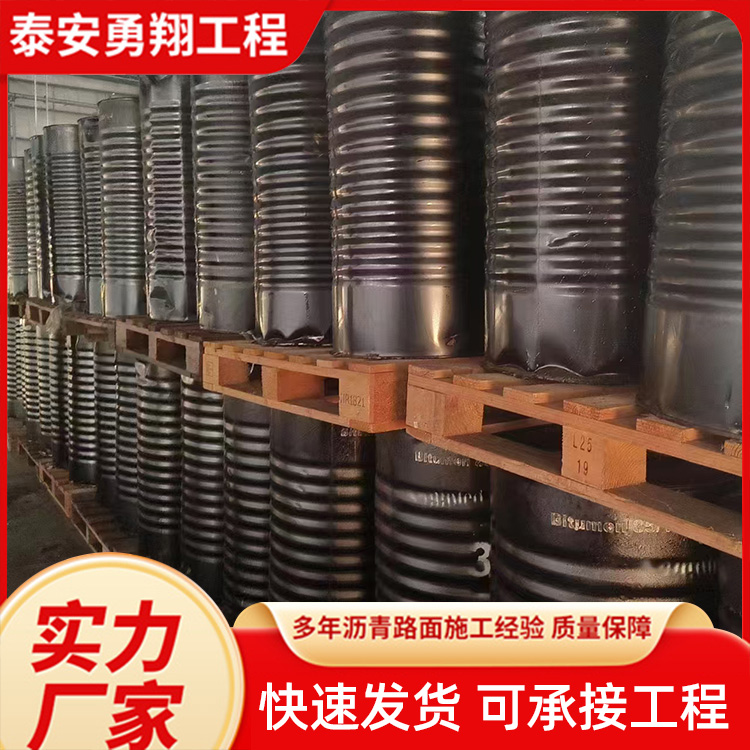
A type of road construction material, made by adding color powder to colorless binder. The colorless binder can be obtained by decolorizing asphalt or mixed from light-colored polymers such as petroleum resin.
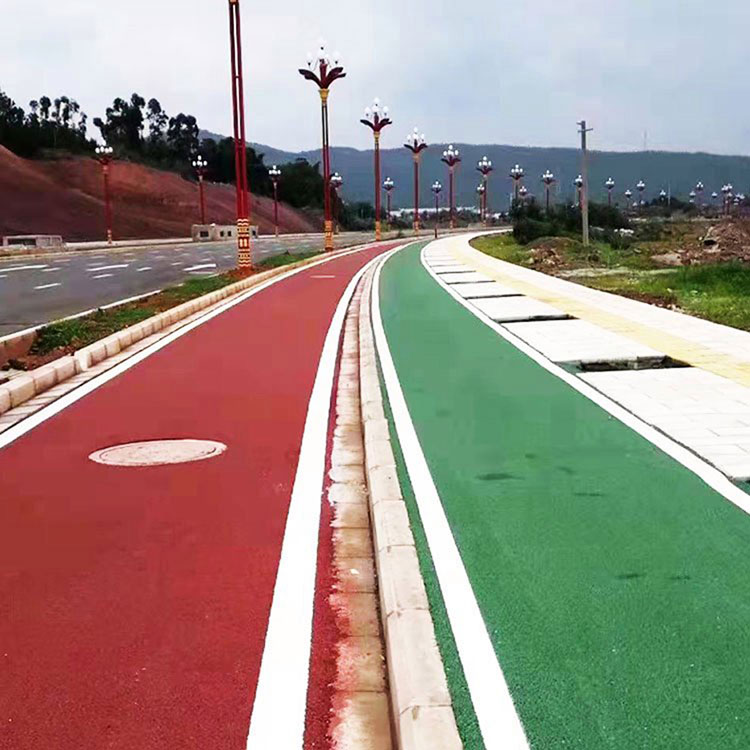
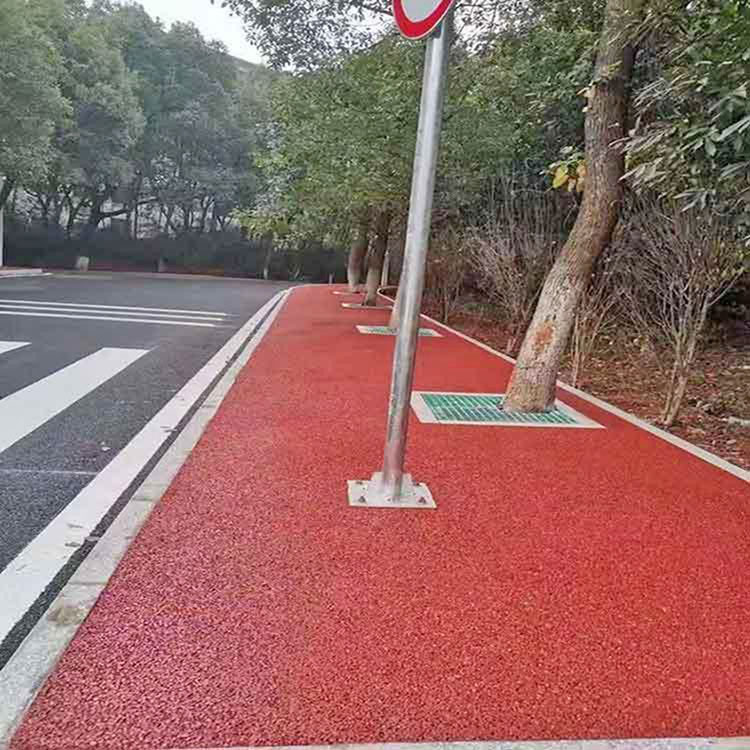
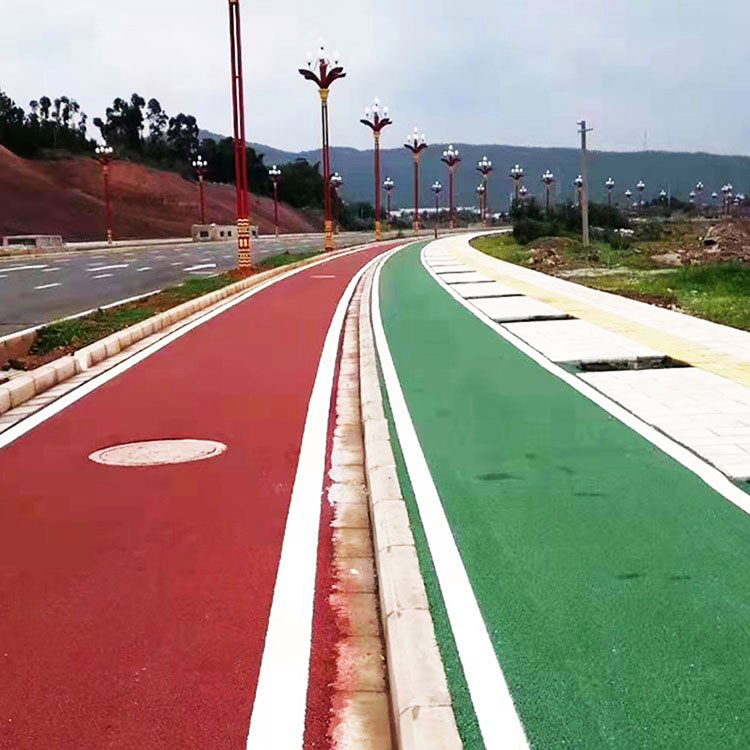
Colored asphalt features distinct colors and stable chemical properties. Currently available in several color series such as red, green, yellow, and blue, and can be customized according to customer requirements.
Color asphalt concrete road surfaces refer to the mixing and blending of de-colored asphalt with various colored aggregates, pigments, and additives at specific temperatures to produce a range of colored asphalt mixtures. These mixtures are then laid and compacted to form road surfaces with certain strength and road performance characteristics, also known as colored asphalt pavements. They are widely used in scenic paving for traffic sign roads, sidewalks, community roads, parks, squares, parking lots, and other landscape applications.
Performance Features
(1) Excellent road performance; maintains high-temperature stability, resistance to water damage, and durability under various temperatures and external conditions. No deformation or asphalt film peeling occurs, and has good bonding with the subgrade.
(2) Features vibrant and durable color, colorfastness, excellent high and low temperature stability, and easy maintenance.
(3) Offers strong sound absorption capabilities; car tires rolling at high speeds on the road do not produce loud noise due to air compression, and can also absorb other external noises.
(4) Offers excellent elasticity and flexibility, providing a comfortable "foot feel." Ideal for elderly individuals for walking and boasts good anti-slip properties.