













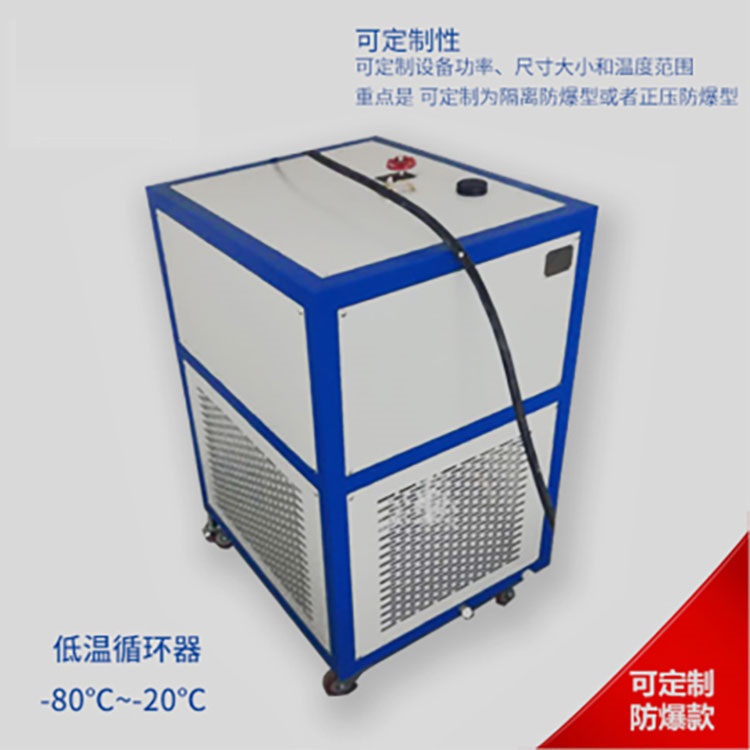
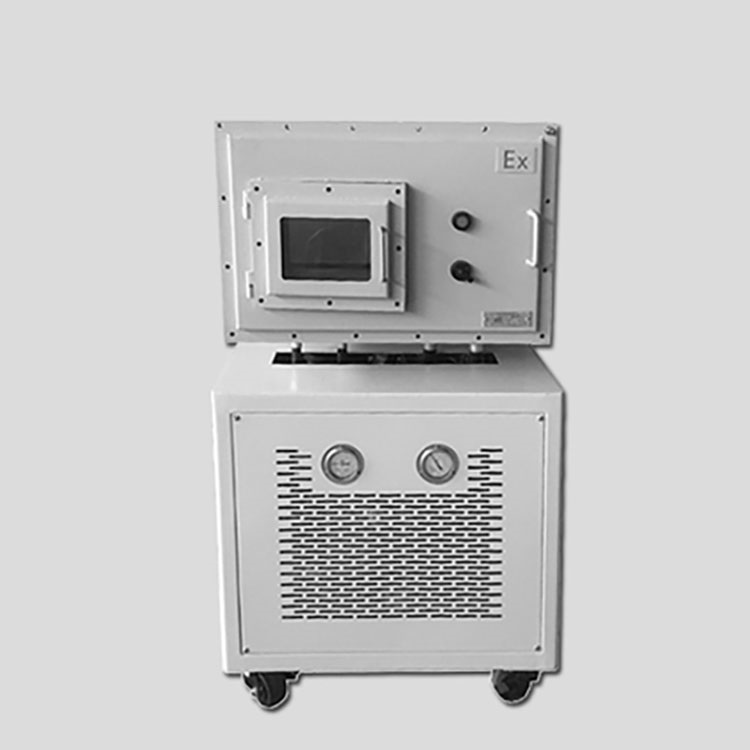
Refrigeration and Heating Circulation UnitTypical Applications
High-pressure reactor dynamic temperature control for both cooling and heating sources, double-glazed reactor dynamic temperature control for both cooling and heating sources, double reactor dynamic temperature control for both cooling and heating sources
Microchannel Reactor Temperature Control for Cold and Hot Sources, Miniature Constant Temperature Control System, Steam System Temperature Control, Material Low-Temperature and High-Temperature Aging Tests
Integrated chemical cold and heat source temperature control, semiconductor equipment cooling and heating, vacuum chamber refrigeration and heating temperature control
Cooling and Heating Integrated Recirculation UnitAdvantages & Features
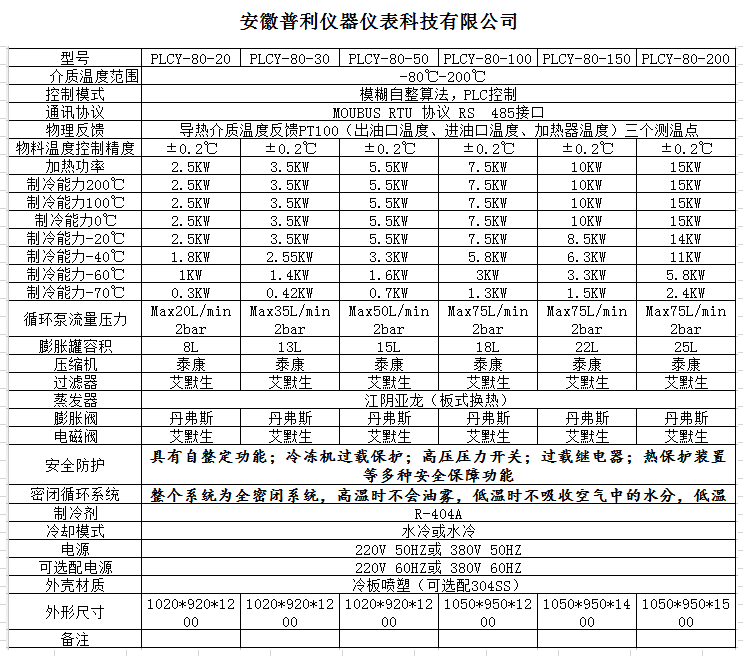
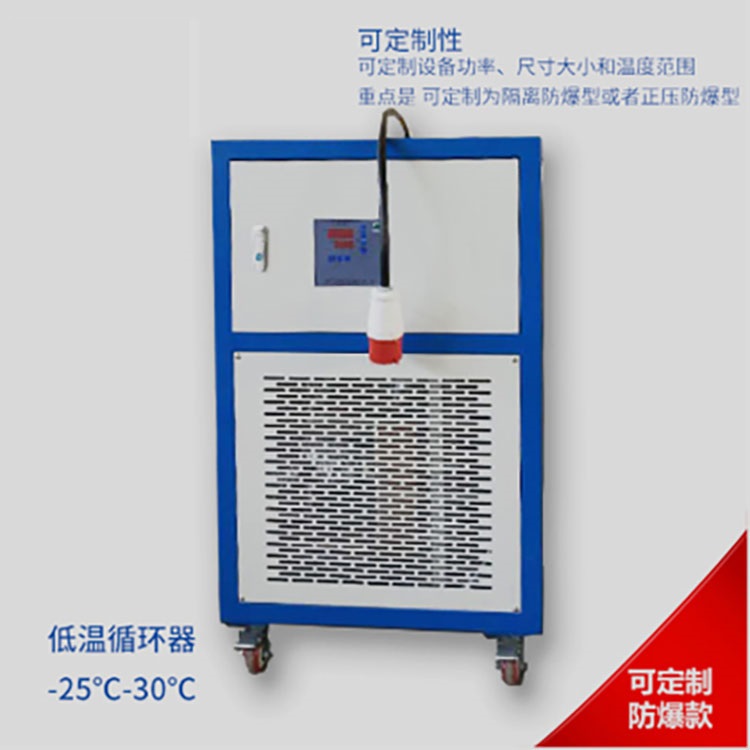
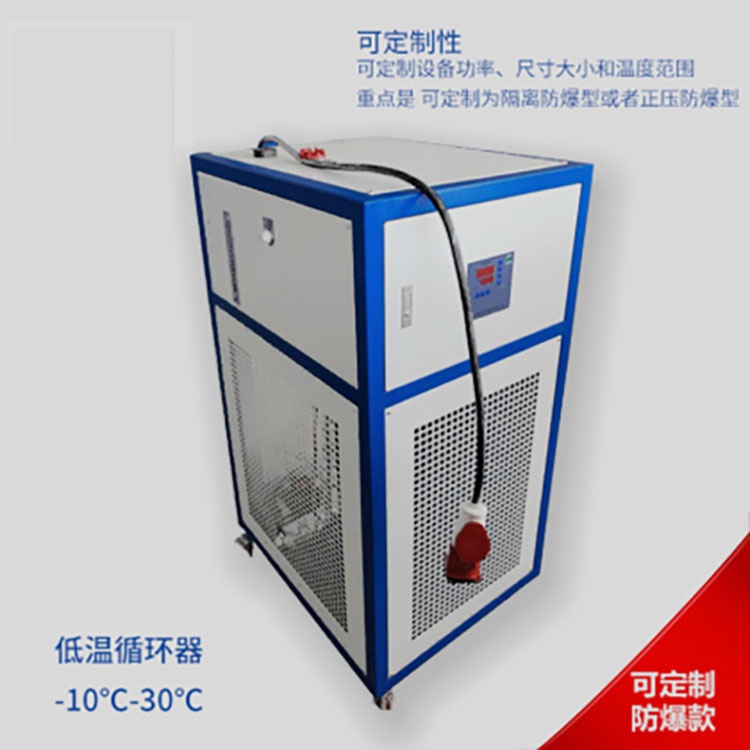
Temperature range from -10℃ to 200℃, with good performance, high precision, and intelligent temperature control.
Higher refrigeration power from 0.5 to 1200kW, with high production stability and reproducible results
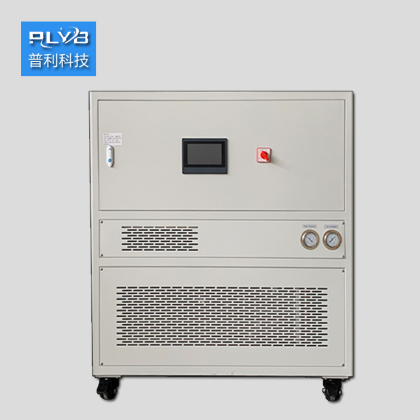
Multi-functional alarm systems and security features, utilizing plate heat exchangers and tubular heaters to enhance heating and cooling speeds.
7-inch, 10-inch color TFT touch screen graphical display, equipped with a magnetic drive pump, no shaft seal leakage issue.
Fully enclosed system, extends the life of the heat-conducting liquid, wide temperature range, no need to replace the liquid medium
High-temperature cooling technology, capable of directly cooling from 200 degrees Celsius.
Such principles and functions offer numerous advantages to users: since only the heat-conducting medium within the expansion chamber comes into contact with oxygen in the air (and the temperature of the expansion chamber is between room temperature and 60 degrees), it can reduce the risk of oxidation of the heat-conducting medium and absorption of moisture from the air.
No thermal medium evaporates at high temperatures, and continuous temperature control from -20 to 300 degrees, -40 to 300 degrees, -60 to 300 degrees, and -80 to 300 degrees can be achieved without the need for pressure.
Utilizing a fully enclosed pipeline design with a plate-type heat exchanger, it reduces the demand for heat-conducting fluid while enhancing the system's heat utilization, achieving rapid temperature changes. The heat-conducting medium is contained within a sealed system featuring an expansion vessel. The medium in the expansion vessel does not participate in the circulation. Whether at high or low temperatures, the expansion vessel maintains a temperature between room temperature and 60 degrees, mitigating the risk of moisture absorption and evaporation during operation.
Product Specifications