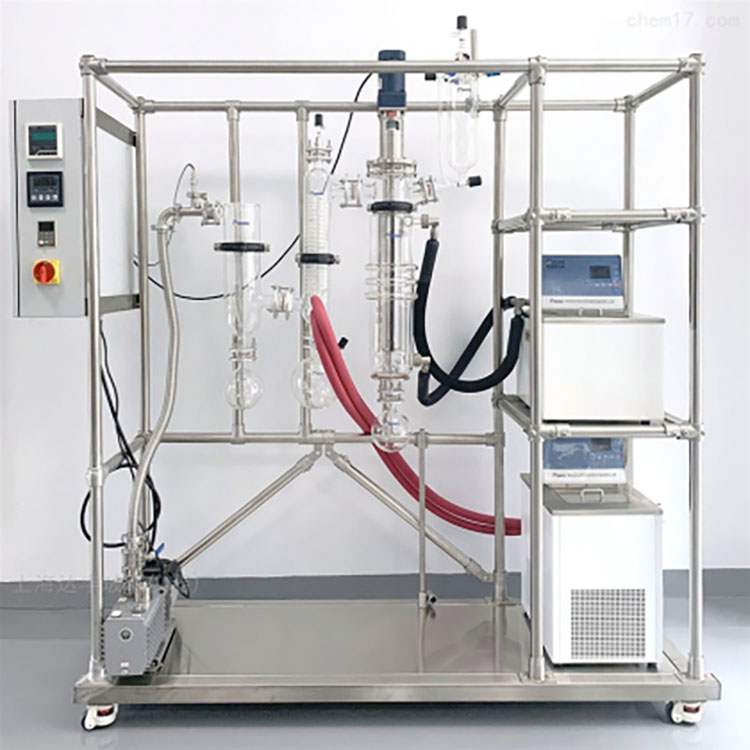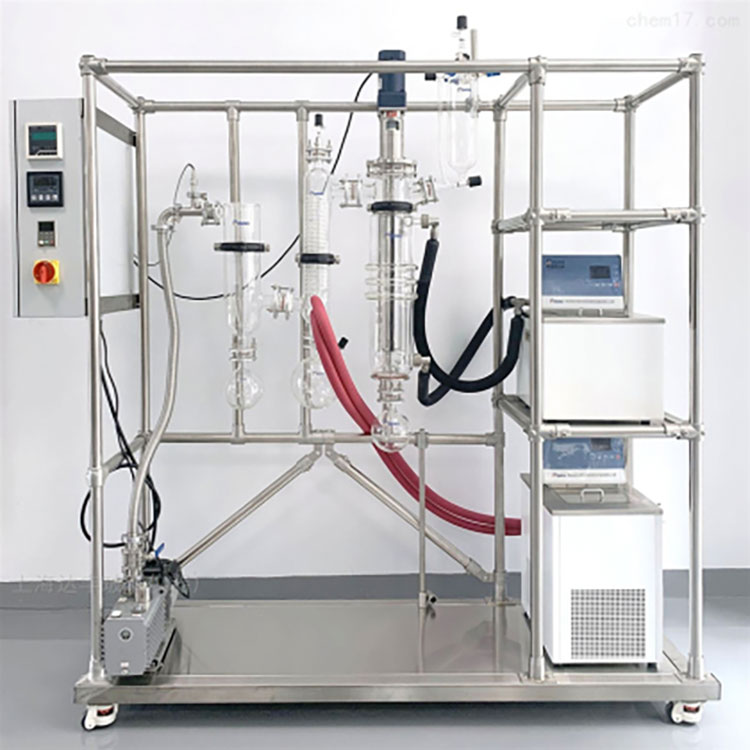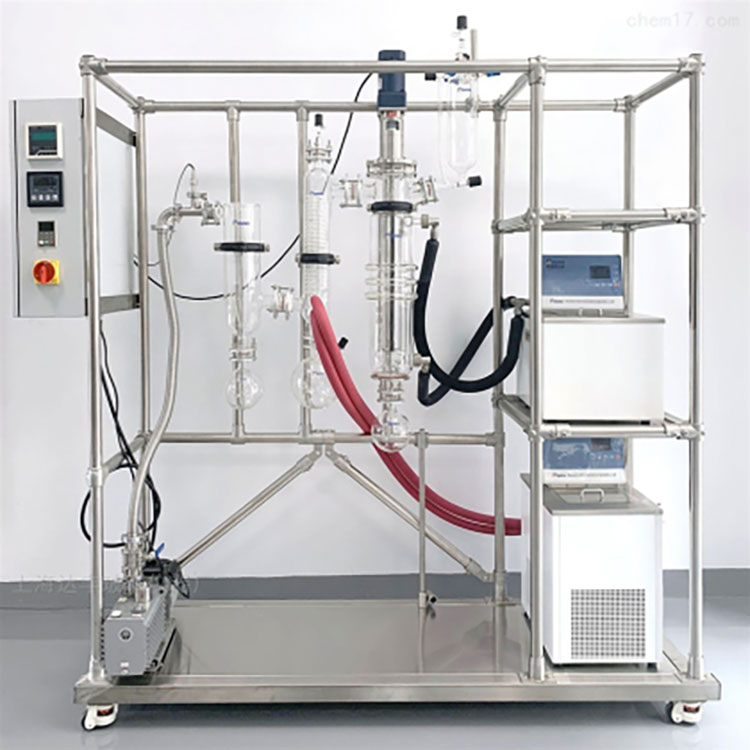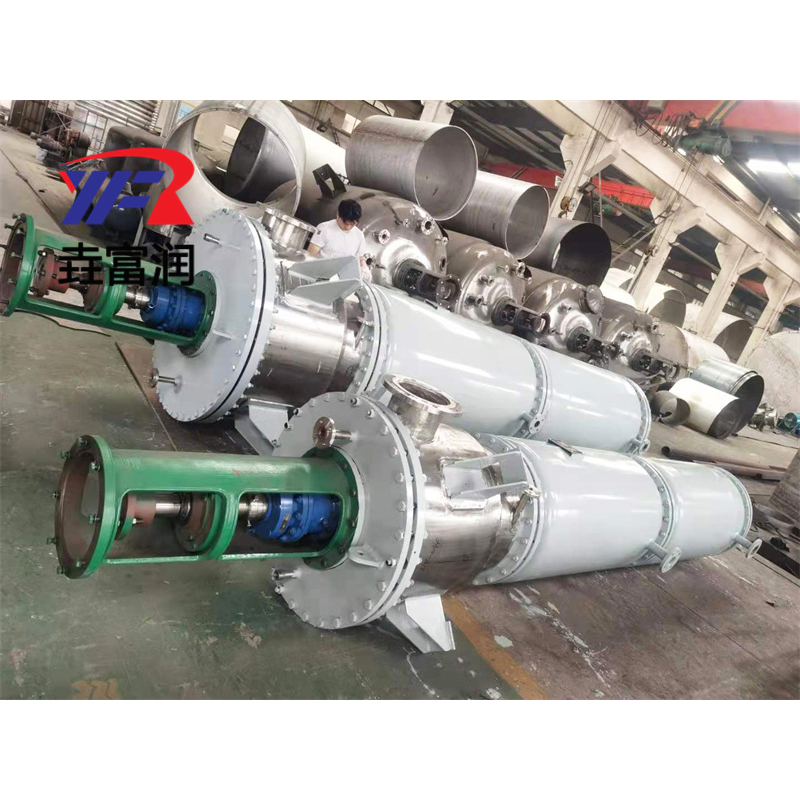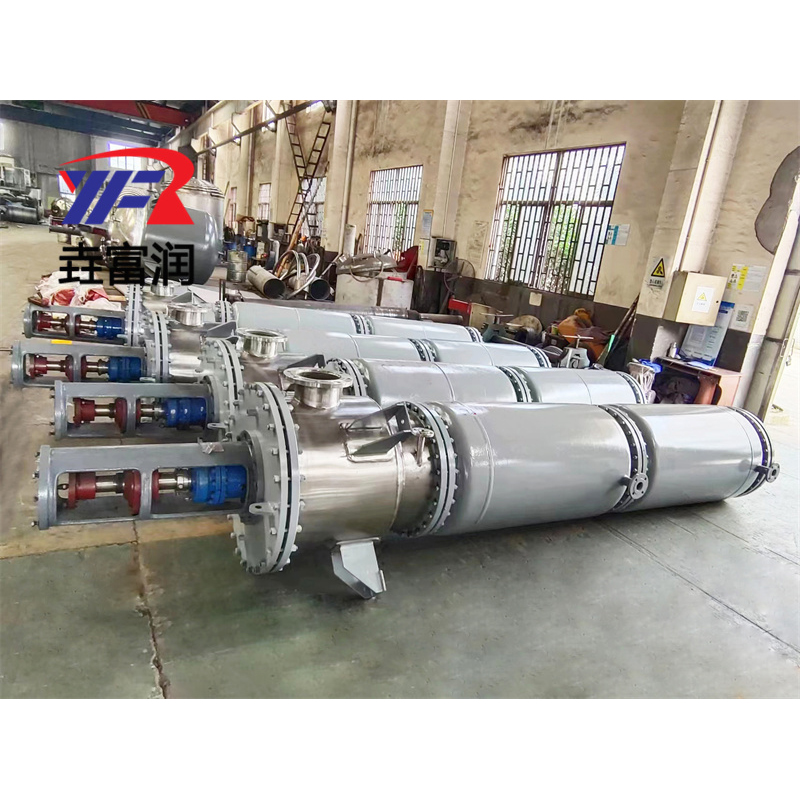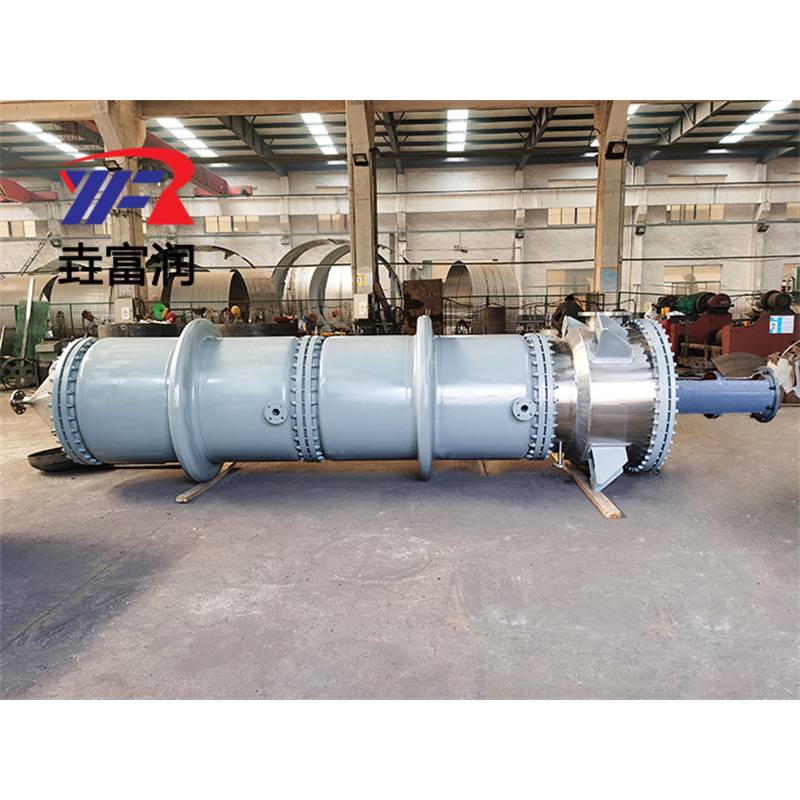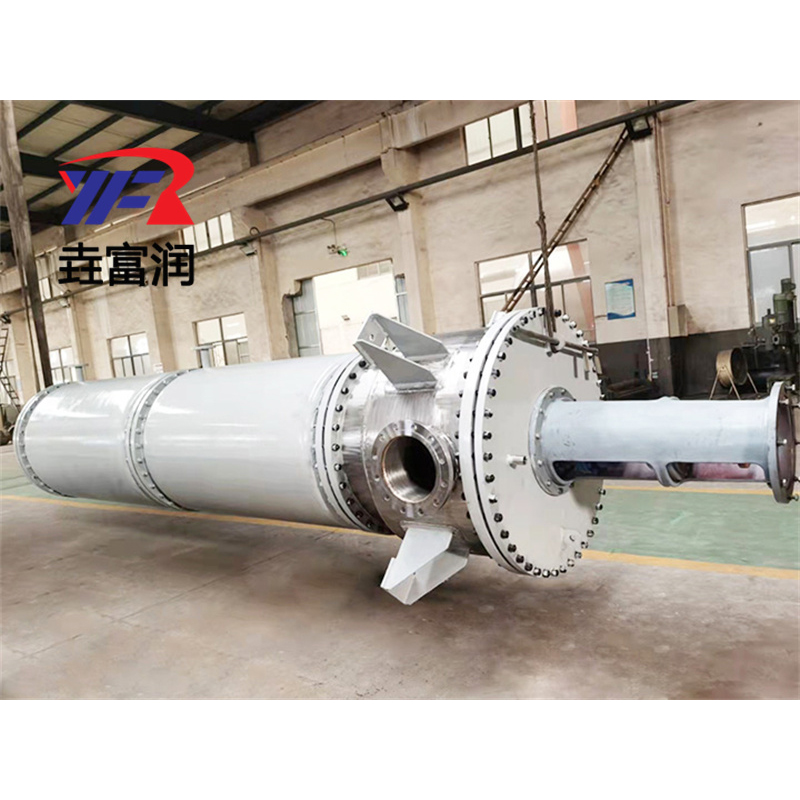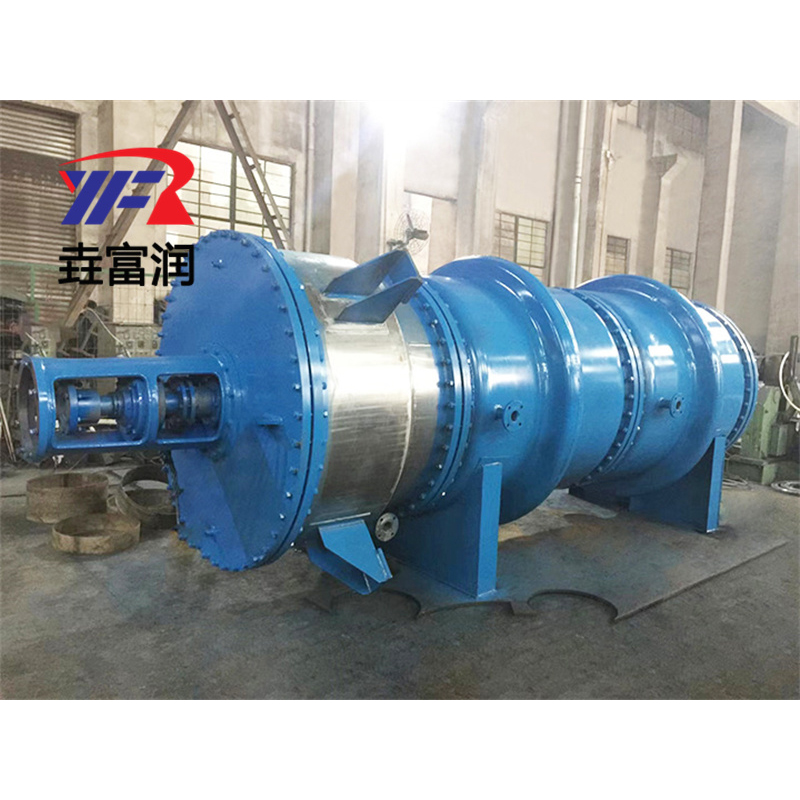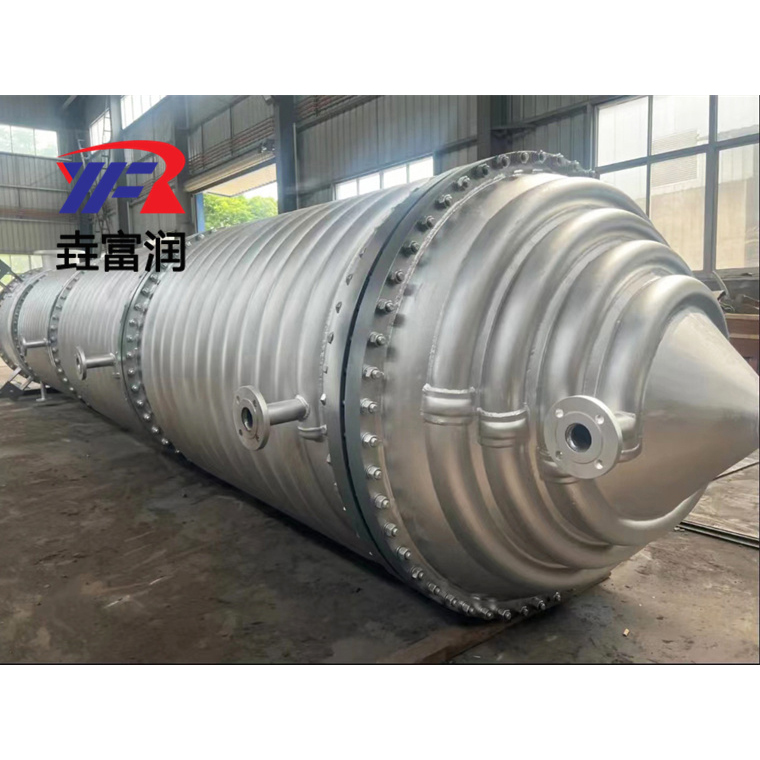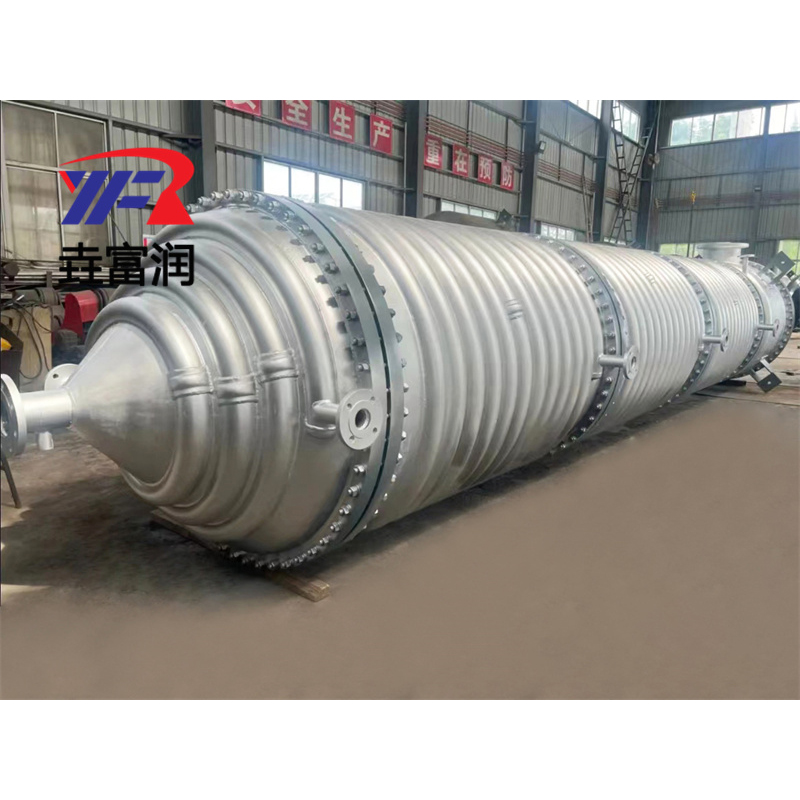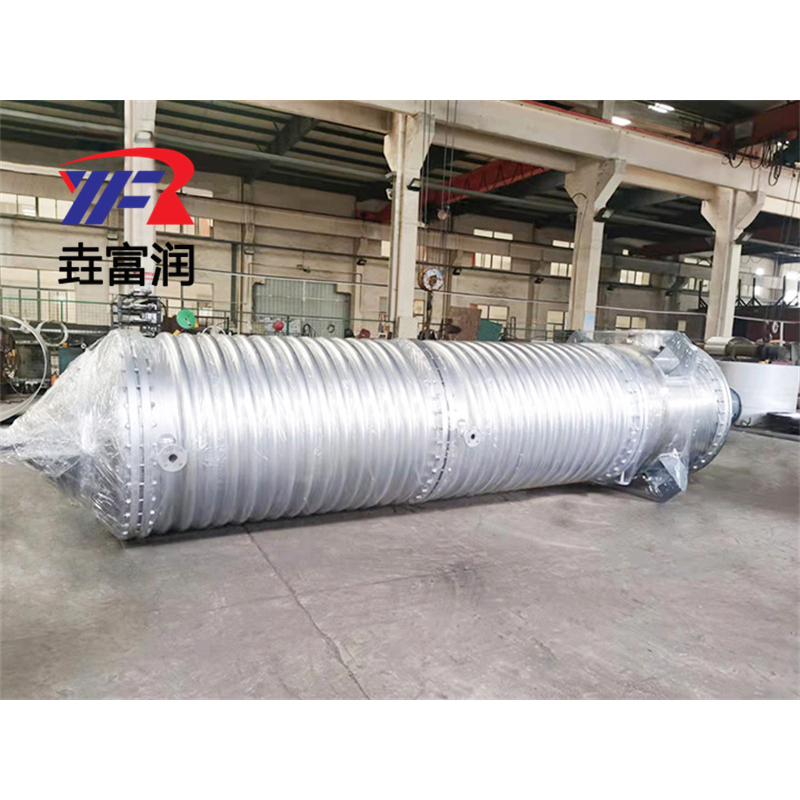

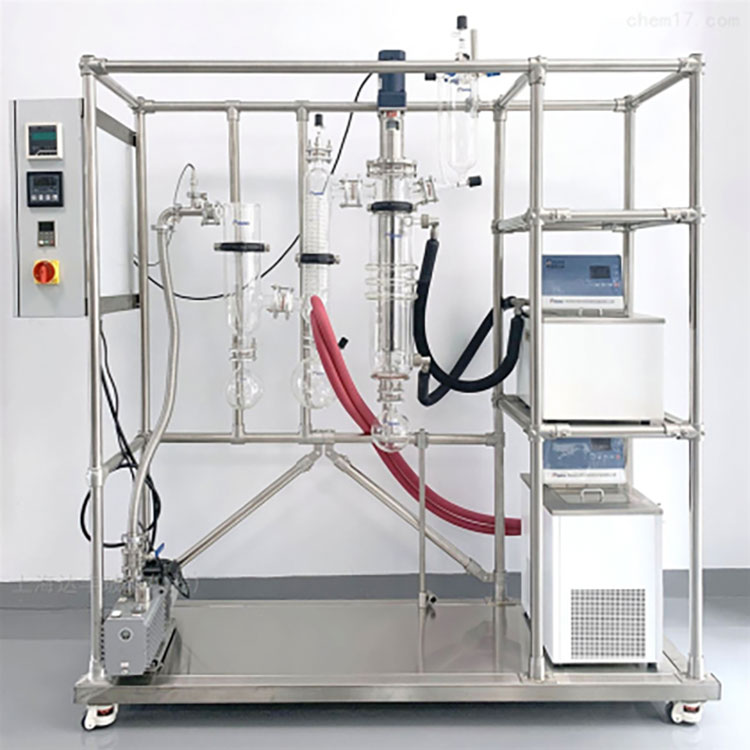


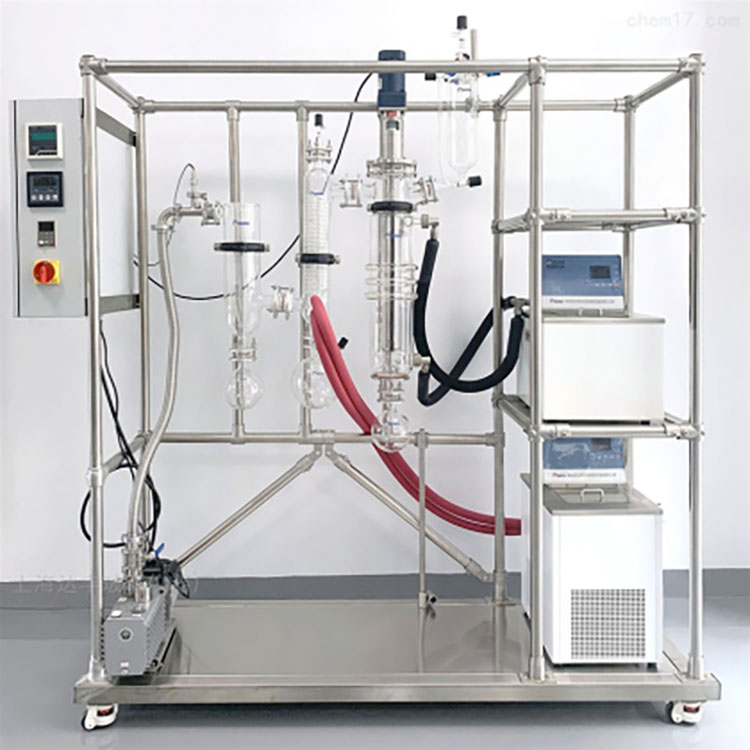
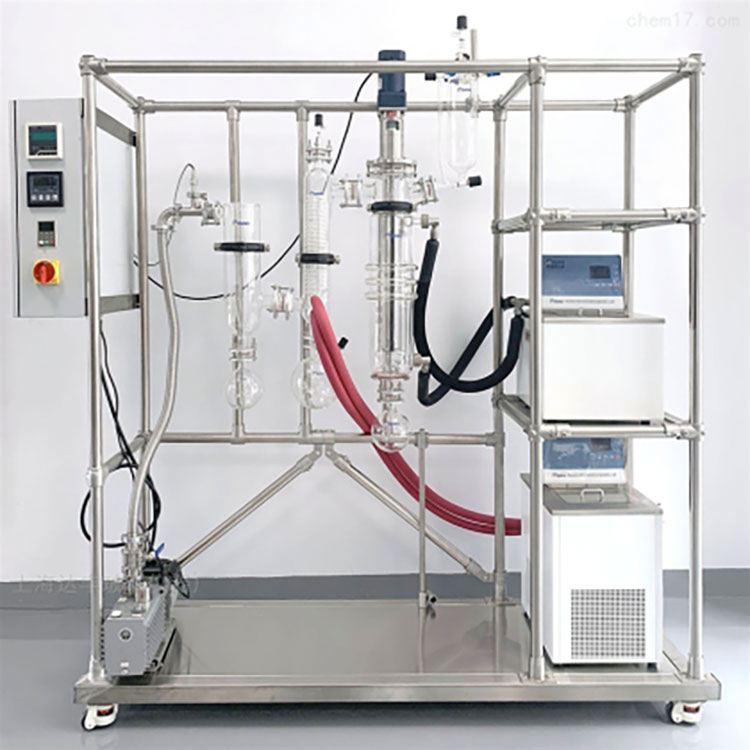


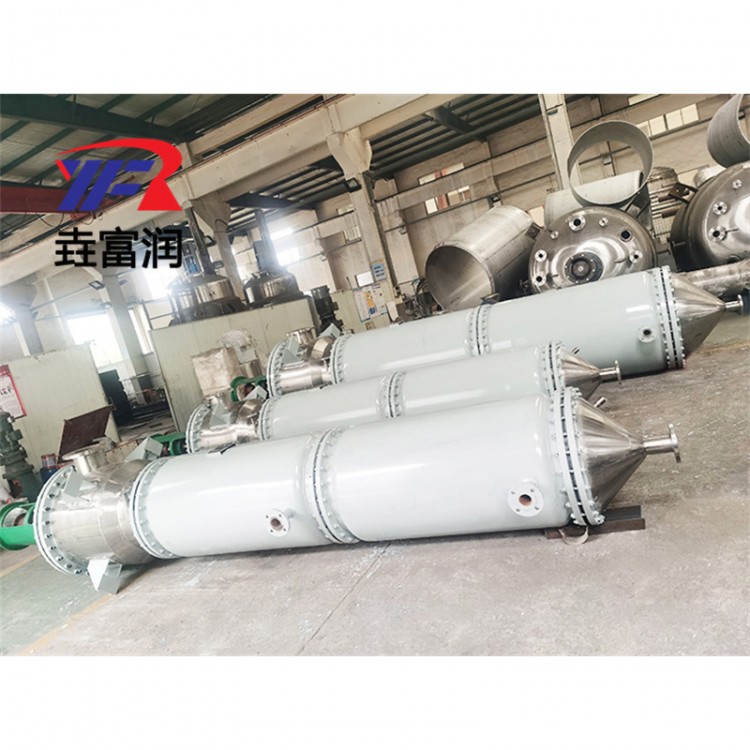
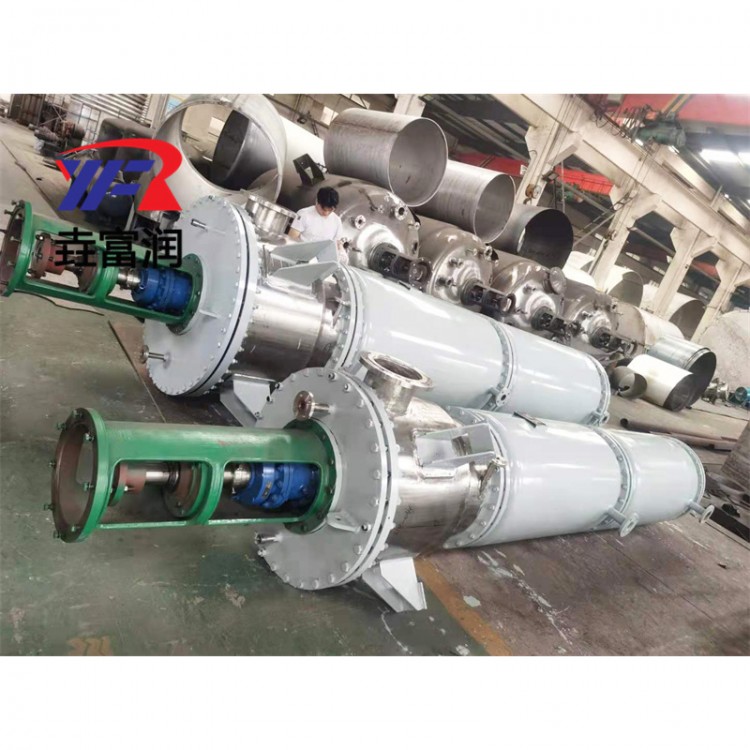
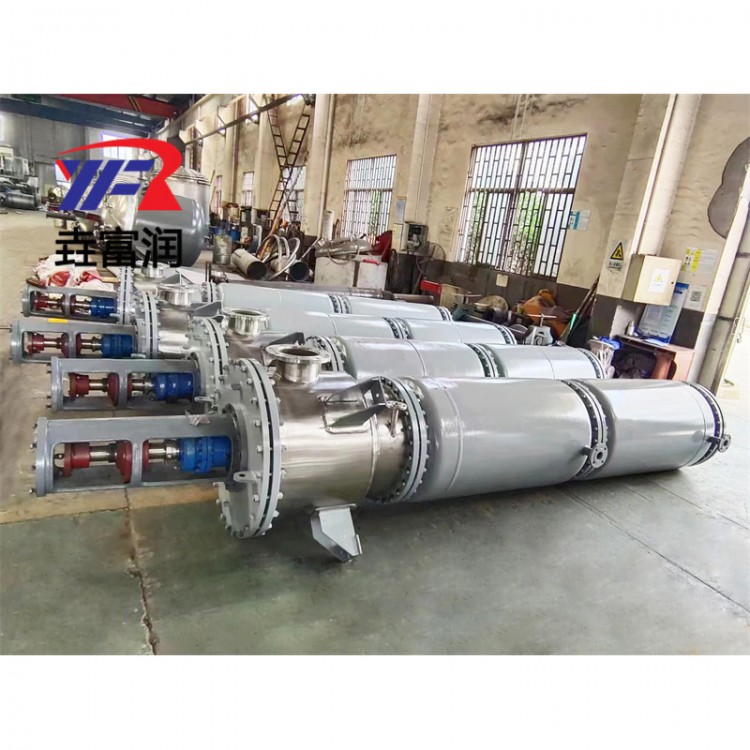
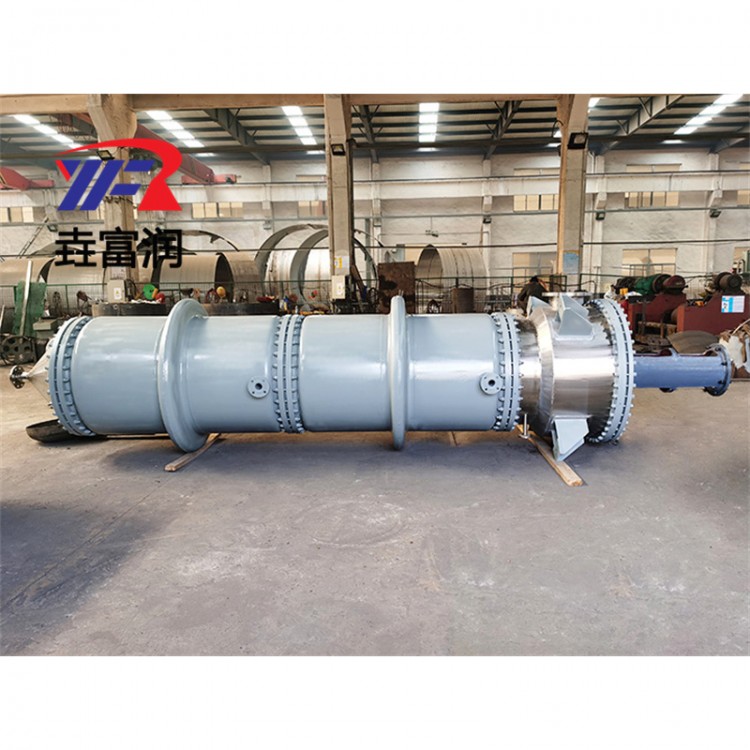
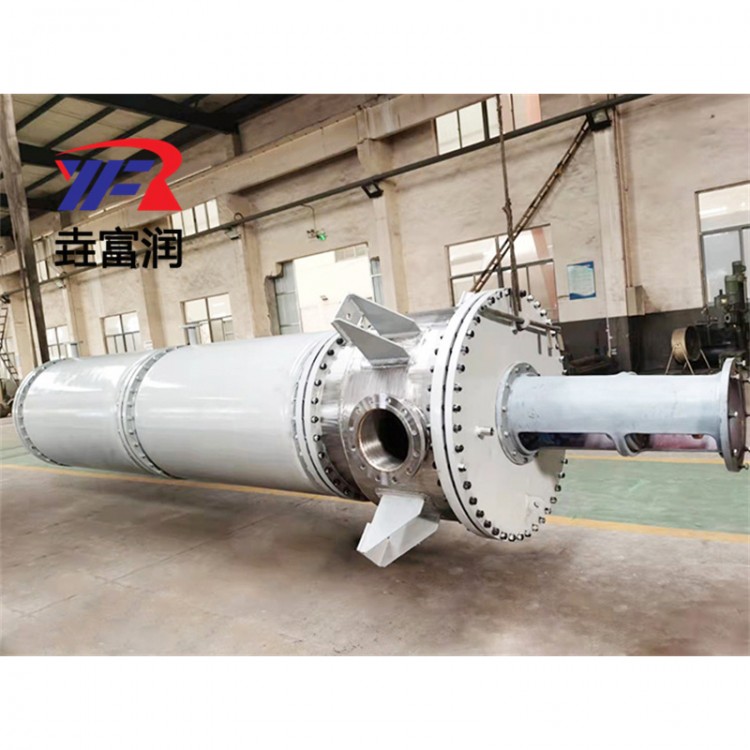






Glass Coating Film Evaporator Brief Introduction:
The PLDC series of刮膜式薄膜蒸发器 utilizes a scraper system to forcibly form a liquid film for evaporation or distillation, making it an evaporating and distilling equipment. It can also be used for deodorization, degassing reactions, as well as heating and cooling unit operations. It is widely applicable in industries such as food, light industry, petrochemical, environmental protection, and more. This system is also suitable for the process of recovering organic solvents from industrial waste liquids.
Features:
The scraper system is made of PTFE material and SS316L stainless steel, offering excellent corrosion resistance.
2. The system's maximum temperature reaches up to 200°C.
3. The scraper system forces the liquid into a film by rotation, enhancing evaporation efficiency and reducing operating time.
4. High-precision glass tubes ensure a complete, integrated film formation on the heating surface.
5. The main evaporation unit is made of high borosilicate glass, allowing for a clear observation of the entire process.
6. All parts in contact with liquids and gases are made of PTFE or high borosilicate glass, offering complete resistance to corrosion.
7. Specifications available according to customer requirements: 60-300.
8. Customizable centrifugal self-cleaning roller system available, suitable for PLDC-80, PLDC-100, PLDC-150, and PLDC-200 series.
Glass Film Evaporator PLDC-80 Technical Specifications:
Effective Evaporation Area: 0.1 M²
Condensation Area: 0.15 M²
Inner diameter of drum body: 80mm
Constant pressure feeding leak volume: 1L
Handle Flow: 0.3~4.0 KG/H
Motor Power: 220V/140W
High RPM: 600 rpm
Product Specifications
A film evaporator is a type of evaporator characterized by the liquid material flowing in a film-like manner along the wall of the heating tube for heat transfer and evaporation. Its advantages include high heat transfer efficiency, rapid evaporation speed, and short material residence time, making it particularly suitable for the evaporation of heat-sensitive substances.
Performance Features:
Low vacuum pressure drop:
Material vapor gas is delivered to an external condenser from the heating surface, with a certain pressure difference. In a typical evaporator, this pressure drop (Δp) is usually quite high, sometimes even to an unacceptable degree. However, in a刮板式薄膜蒸发器 (scraper plate film evaporator), there is a larger gas transverse space, and the pressure inside the evaporator can be considered almost equal to that in the condenser, thus resulting in a very small pressure drop, with a vacuum level of up to 5mmHg.
Low operating temperature:
Due to these characteristics, the evaporation process can be maintained under higher vacuum conditions. With the increased vacuum, the corresponding material boiling points rapidly decrease, allowing operations to be conducted at lower temperatures, thereby reducing product thermal decomposition.
Short heating time
Due to the unique structure of the刮板式薄膜蒸发器, the scraper has a pumping effect, resulting in a short residence time of the material inside the evaporator; in addition, the high-speed turbulent flow of the film on the heated evaporator prevents the product from adhering to the evaporator surface. Therefore, it is particularly suitable for the evaporation of heat-sensitive materials.
High evaporation intensity:
The reduction of material boiling point increases the temperature difference with the heat medium; the刮膜器刮刀 function decreases the thickness of the liquid film in turbulent state, reducing thermal resistance. Meanwhile, it suppresses the formation of scale and deposits on the heating surface during the process, accompanied by good heat exchange, thereby improving the overall heat transfer coefficient of the刮板式薄膜蒸发器 scraper.
Operational flexibility
The刮板式薄膜蒸发器的performance makes it suitable for handling materials that are heat-sensitive, require a smooth evaporation process, and have high viscosity that increases dramatically with concentration, ensuring a stable evaporation during the process. It can also be successfully applied to the evaporation and distillation of materials containing solid particles, crystals, polymers, and scaling.