








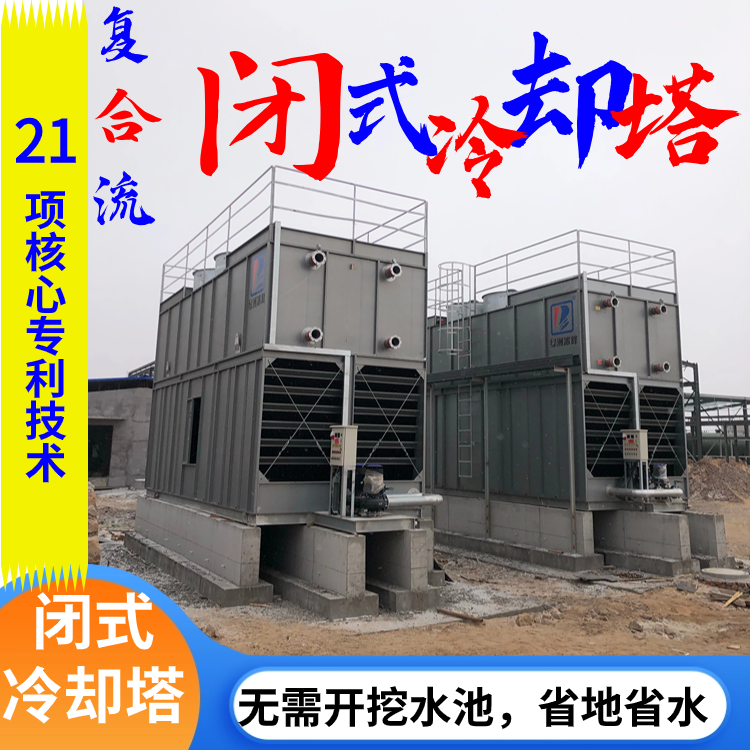
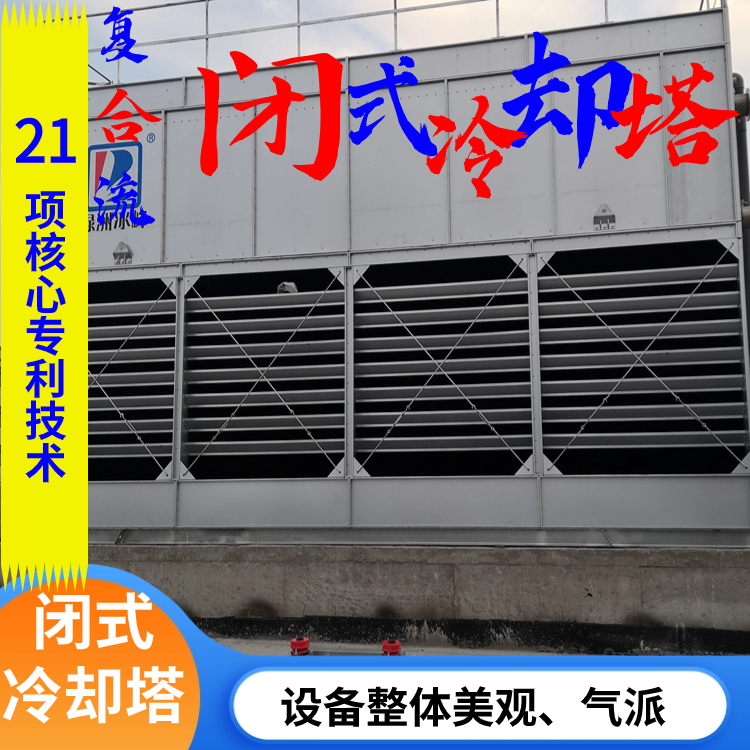

Crossflow closed-circuit cooling tower
I. Overview of Overflow
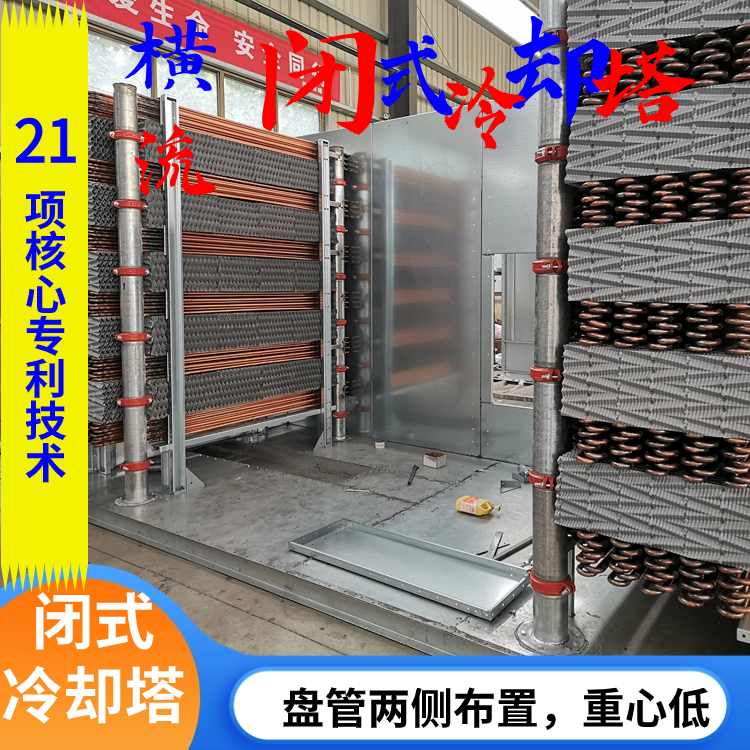
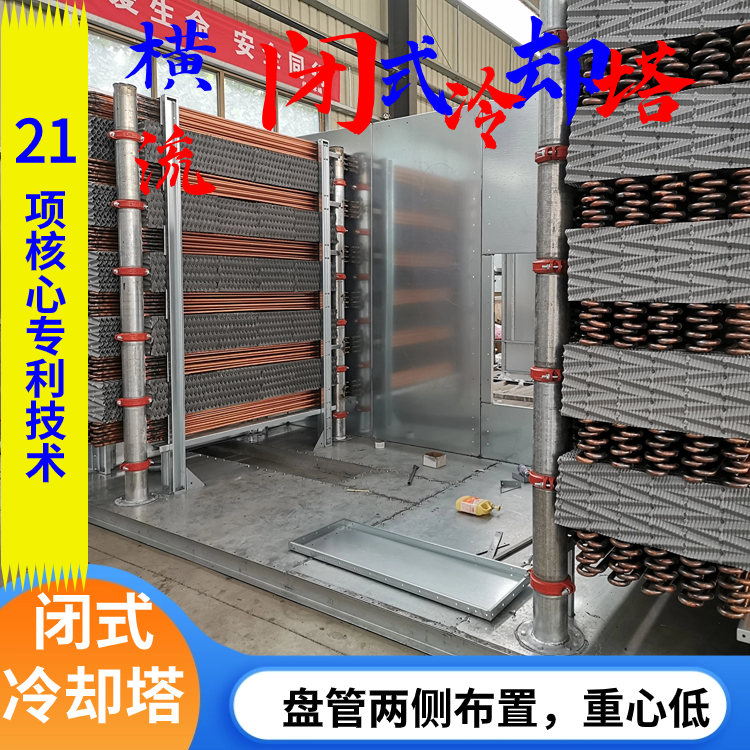
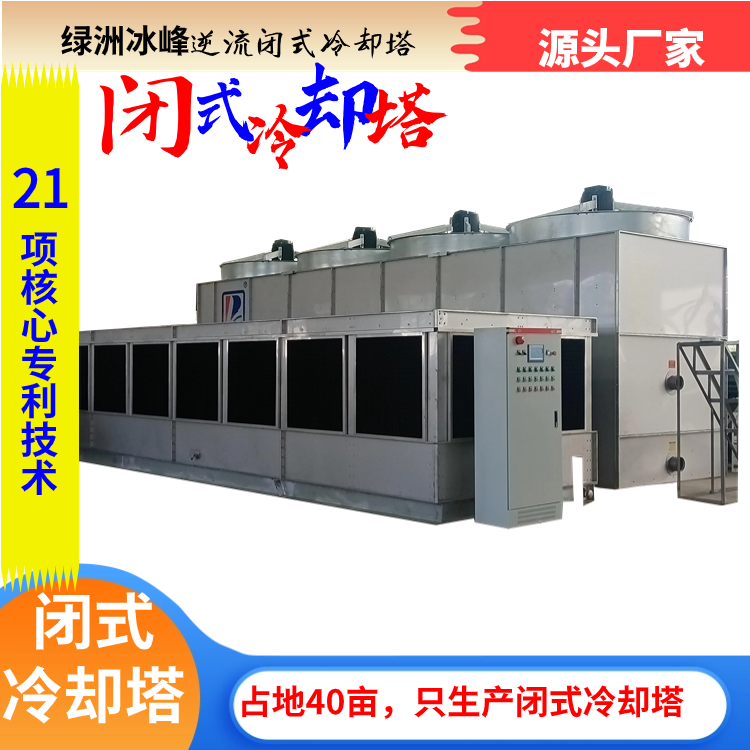
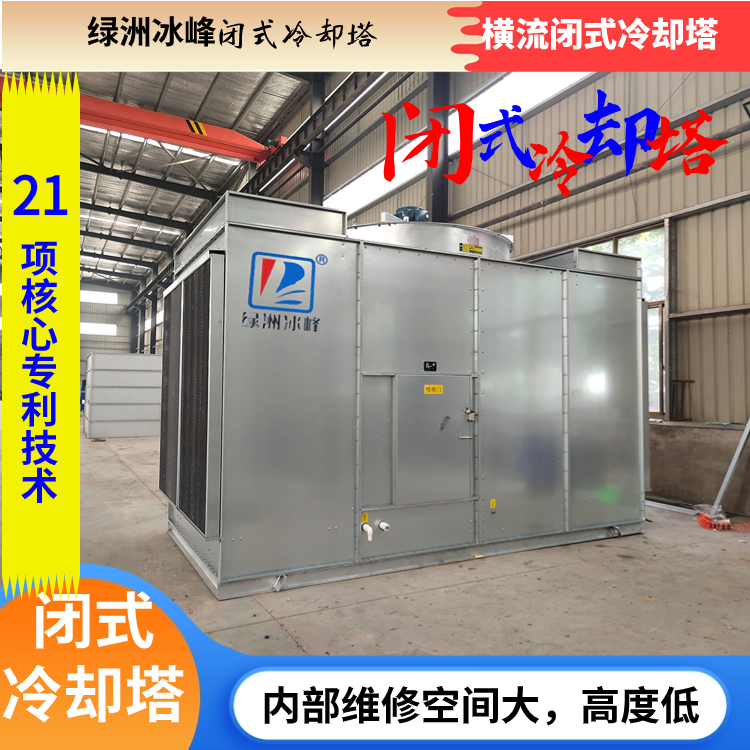
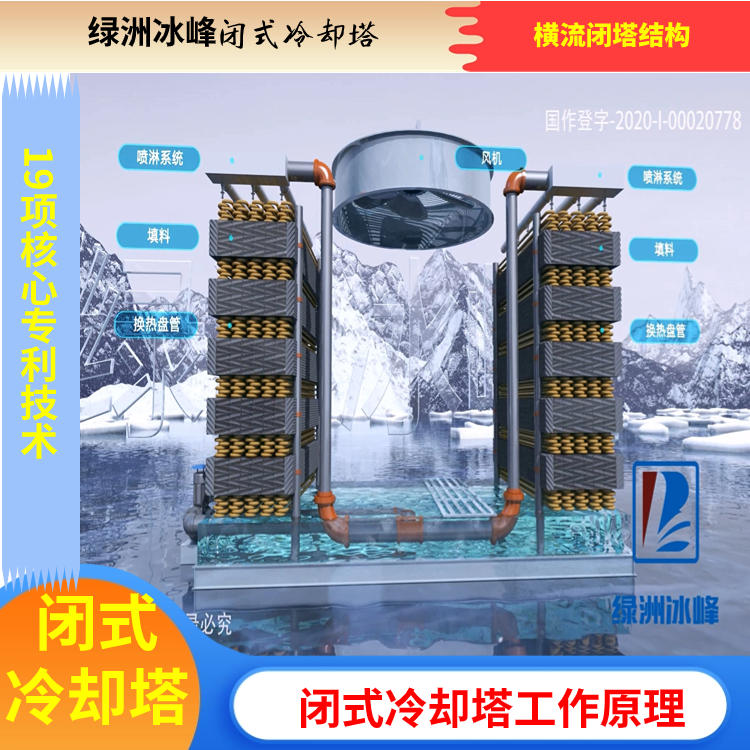
Closed-loop cross flow cooling tower, named due to the spray water flowing across the direction of the hot air. The spray water flows from top to bottom, and the wind enters horizontally from the side, passing through the heat exchanger coils in the middle, where it exchanges heat with the falling spray water, thus reducing the temperature of the spray water.
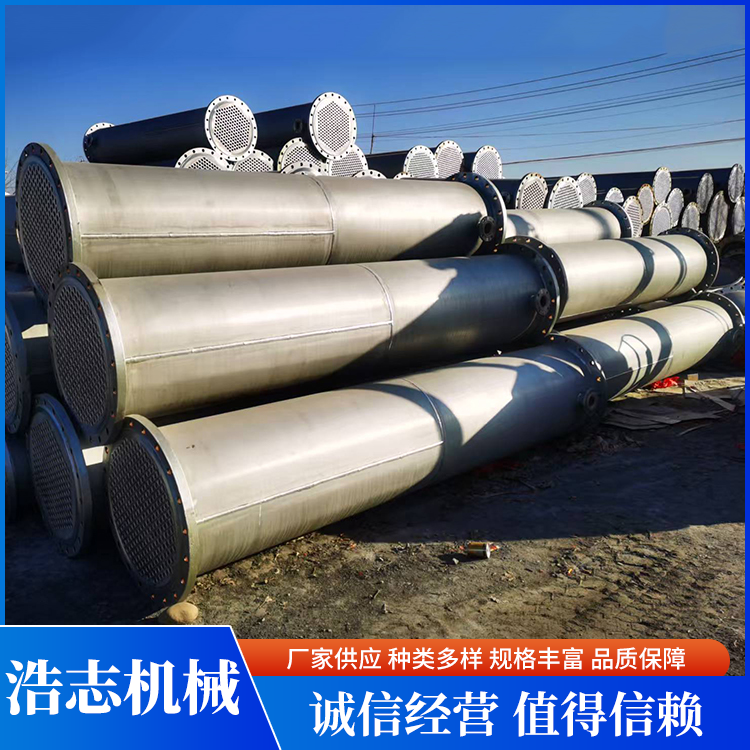
Primarily composed of heat exchanger coils, spray irrigation water system, exhaust system, and frame housing.
Section 2: Process Workflow
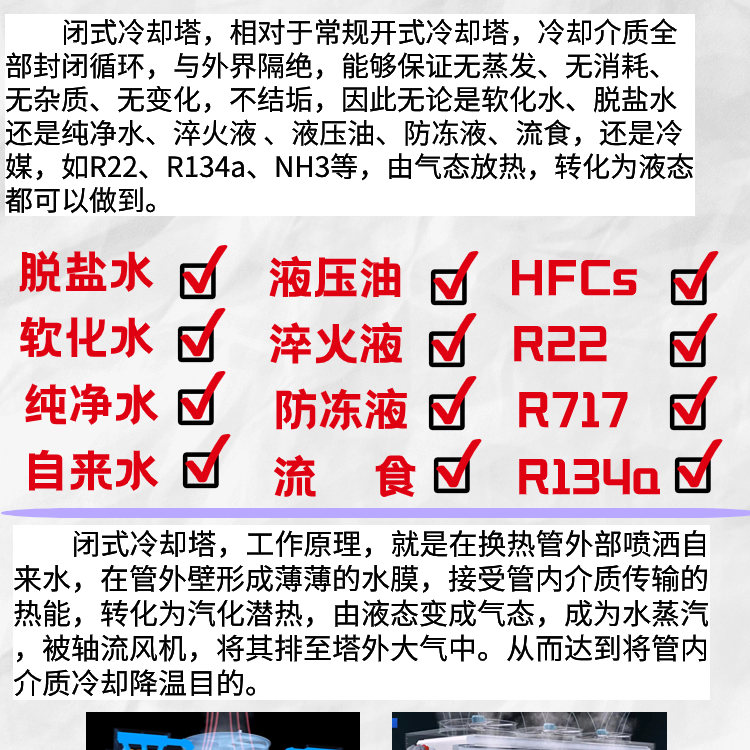
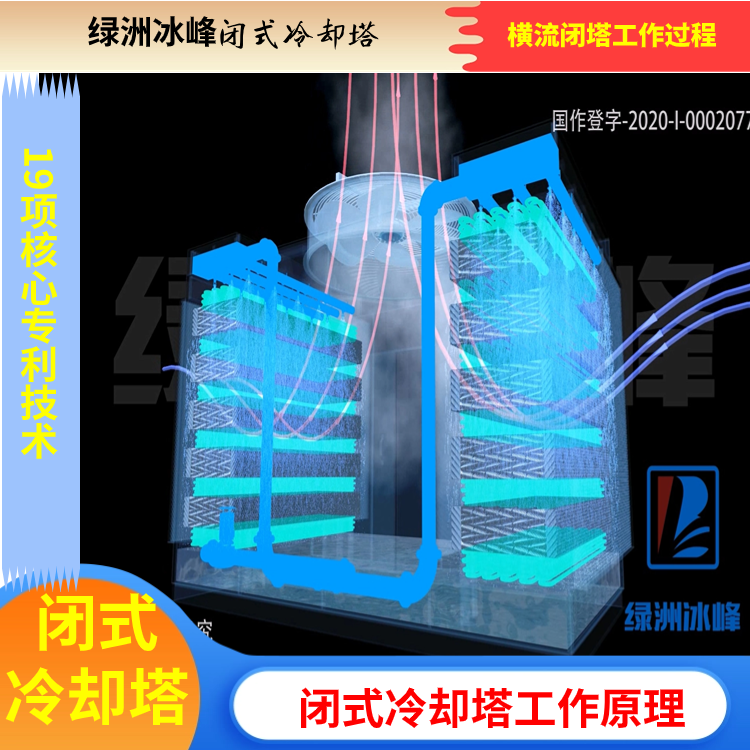
The spray pump draws water from the water tank, pumps it to the upper part of the heat exchange coil, and then sprays it in an umbrella-like pattern. It covers the outer surface of the pipe material continuously and evenly, forming a thin water film. Part of the water absorbs the heat energy of the high-temperature refrigerant inside the pipe, converting it into latent heat of vaporization, which then evaporates into a gas state. The refrigerant inside the pipe is cooled and condensed into a liquid state. The water that does not evaporate falls back into the spray water tank.
Airflow system, the tower top fan is an intake type, drawing air from inside the tower and discharging it outside. The chilled dry air entering from the side into the heat exchanger coils carries away the evaporated water vapor, increasing the air humidity and temperature, which is then exhausted outside the tower by a fan located between the two heat exchanger coils.
In the sprinkler tray, a float valve is installed. When the water level is low, it automatically replenishes the supply to maintain a consistent water level in the tray.
III. Operating Principle
Closed-loop water system: The cooled water from the coil flows out of the tower and is sent to the heat source (the cooled equipment) by the system's circulating pump. After being heated by heat exchange, the water then enters the coil for cooling again.
External recirculating water system: After the external spray water contacts the coil and packing to exchange heat for cooling the internal circulating water of the coil, it falls into the lower water trough and is then pumped back to the spray water trough for recirculation by the spray water pump.
The internal circulation water is cooled through a coil, exchanging heat and mass with the external spray water and air, thus preventing direct contact between the cooled water and air, which could lead to water quality contamination. The heat exchange effect is more pronounced as the spray water has been pre-cooled by PVC packing.
IV. Brand Advantages
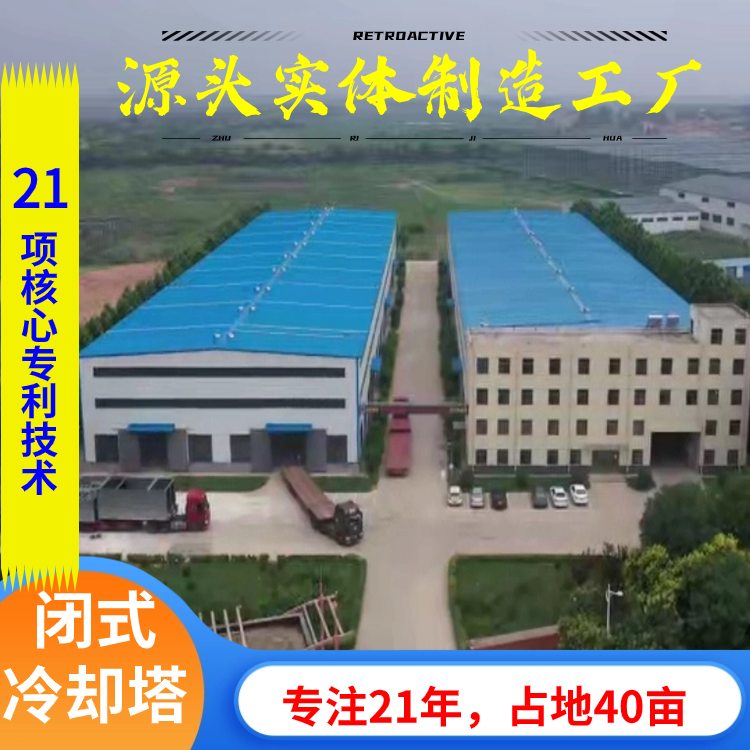
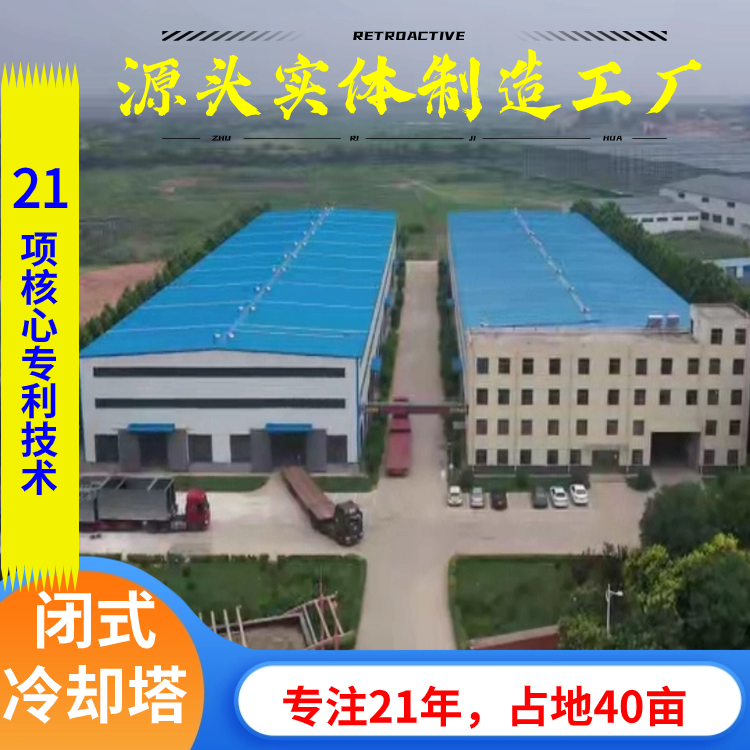
Focused for 21 years, we are professionals due to our dedication, boasting extensive experience and superior quality.
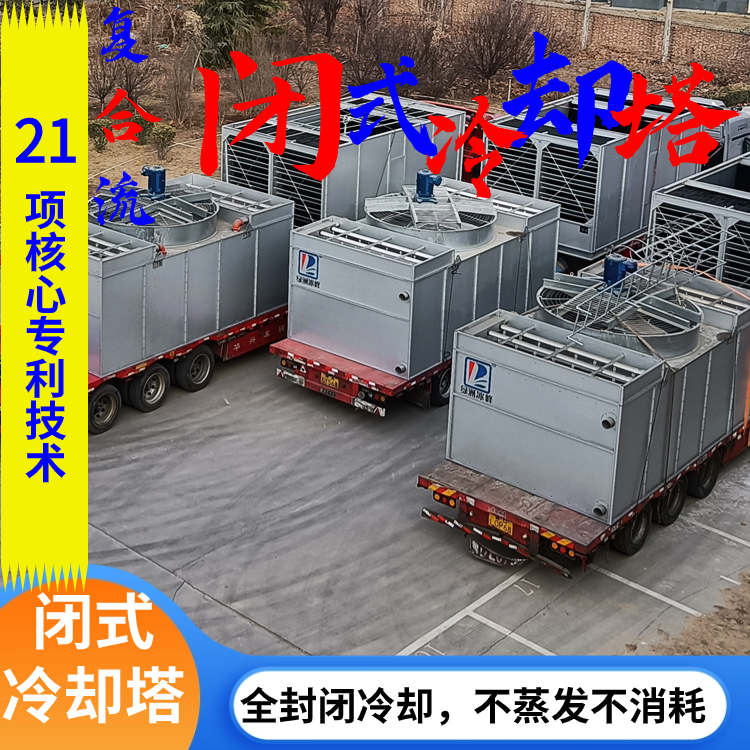
21 patents, patent-protected, reliable technology, excellent performance, stable operation
40 acres in size, robust in strength, powerful backing, long-term collaboration, worry-free after-sales