




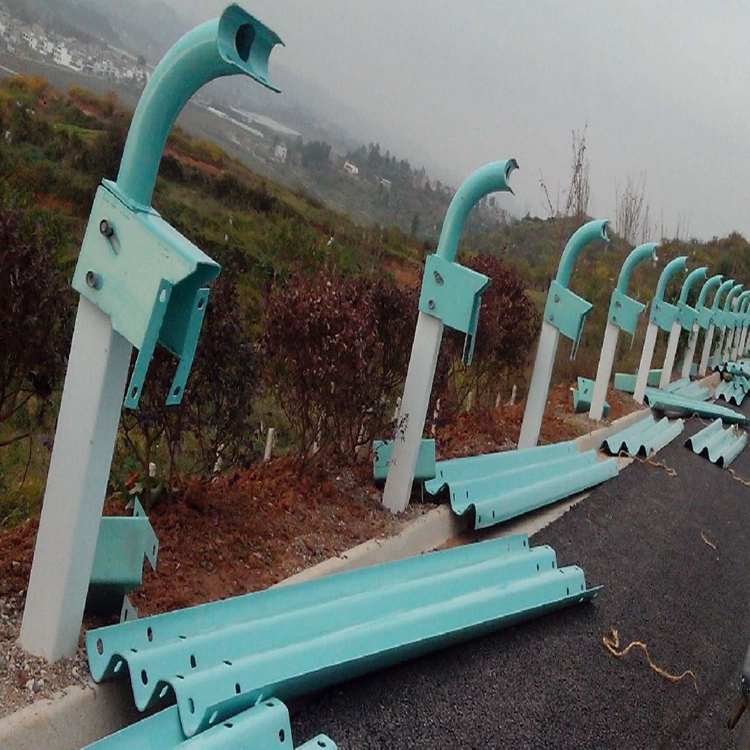

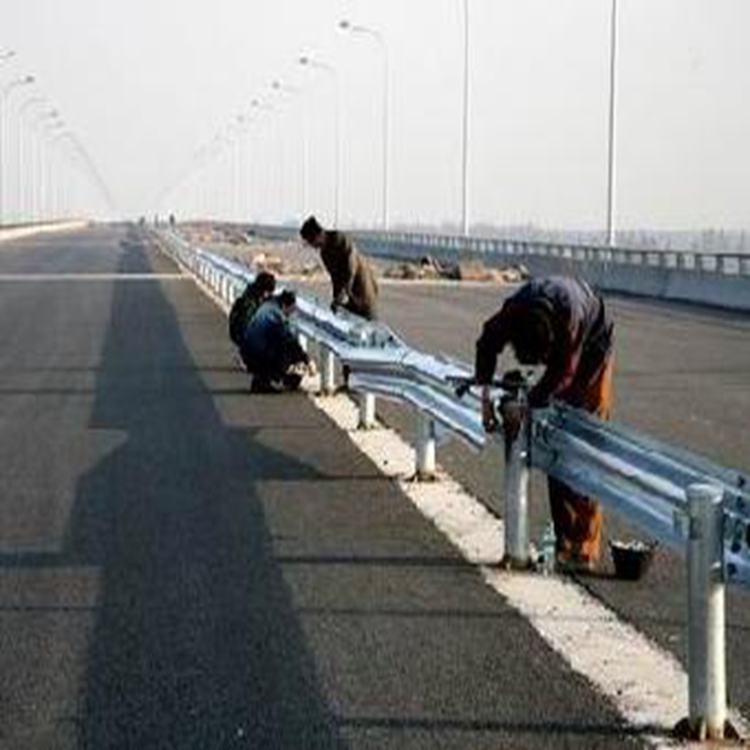
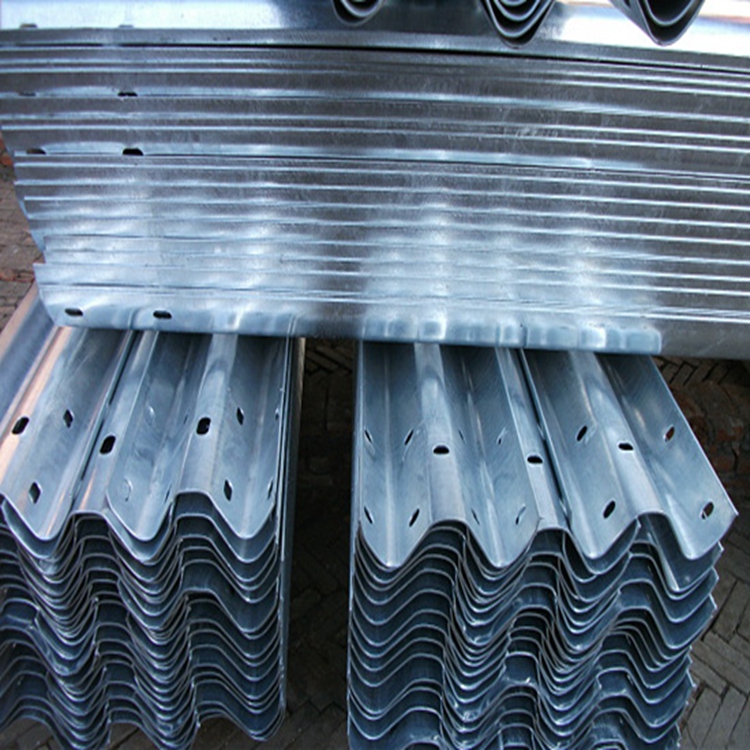
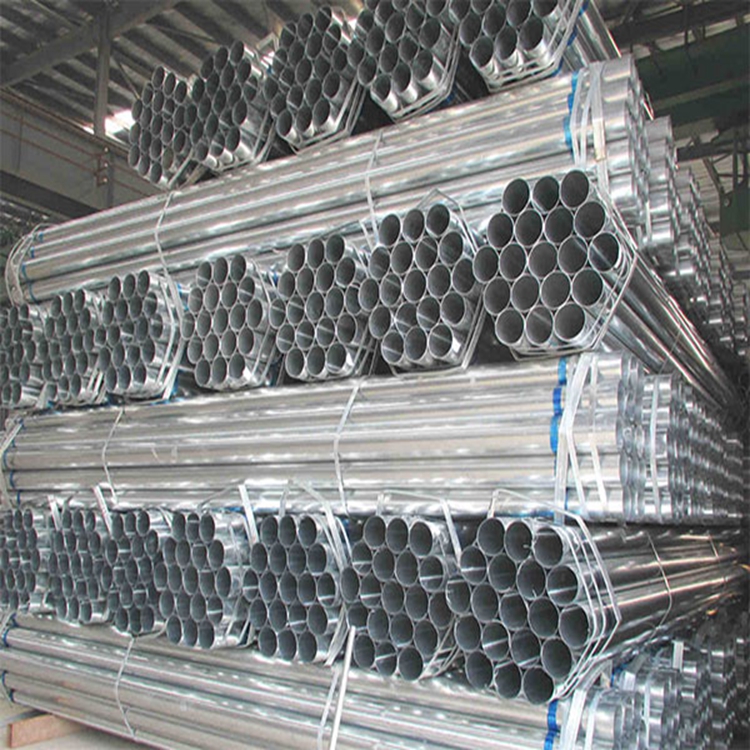
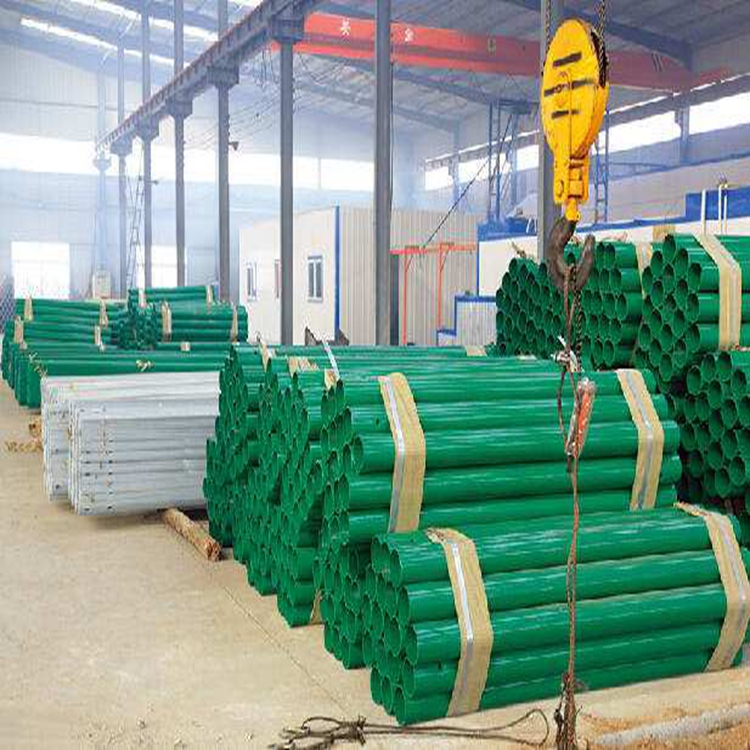
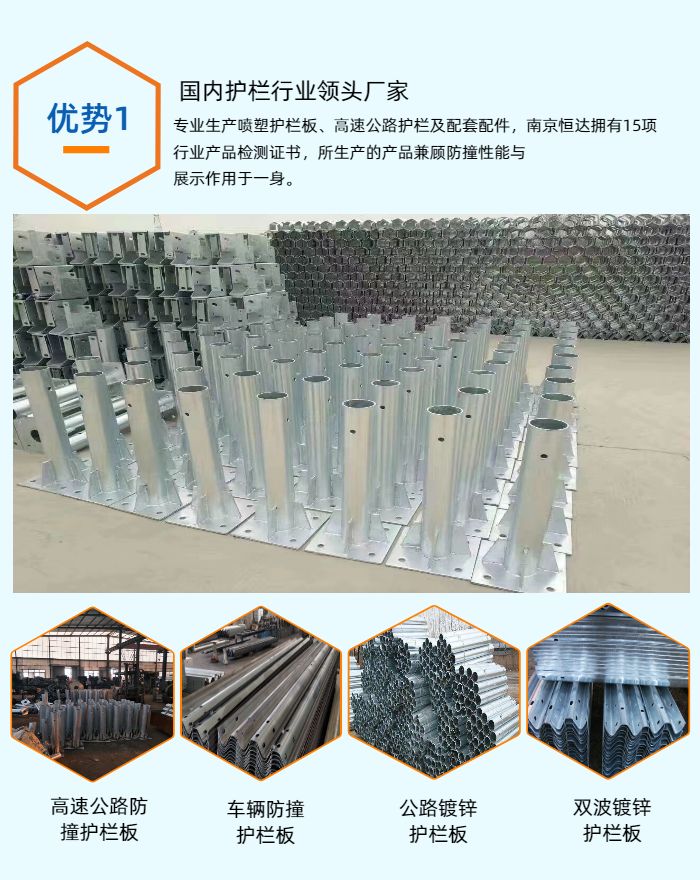
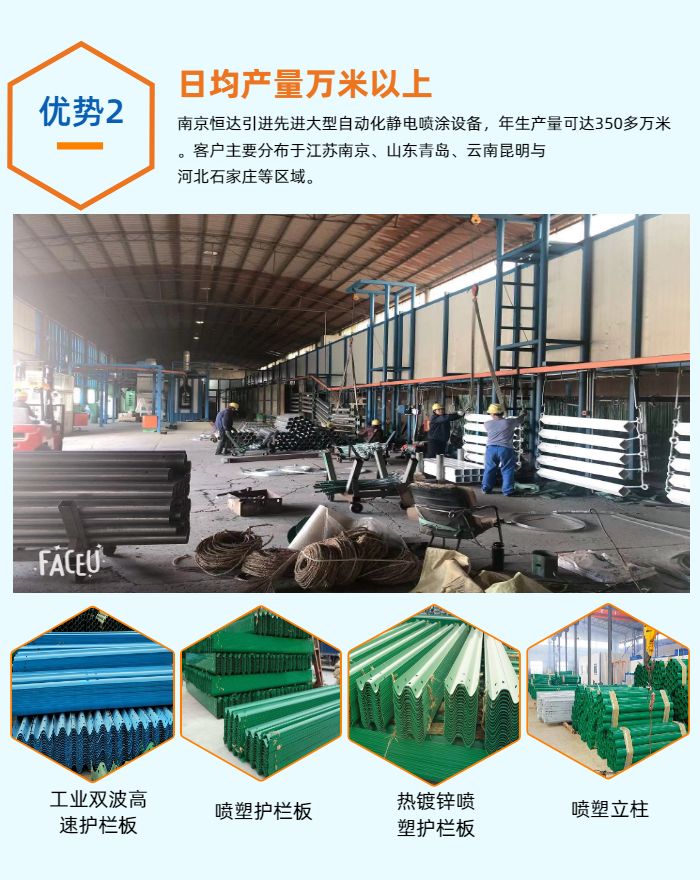
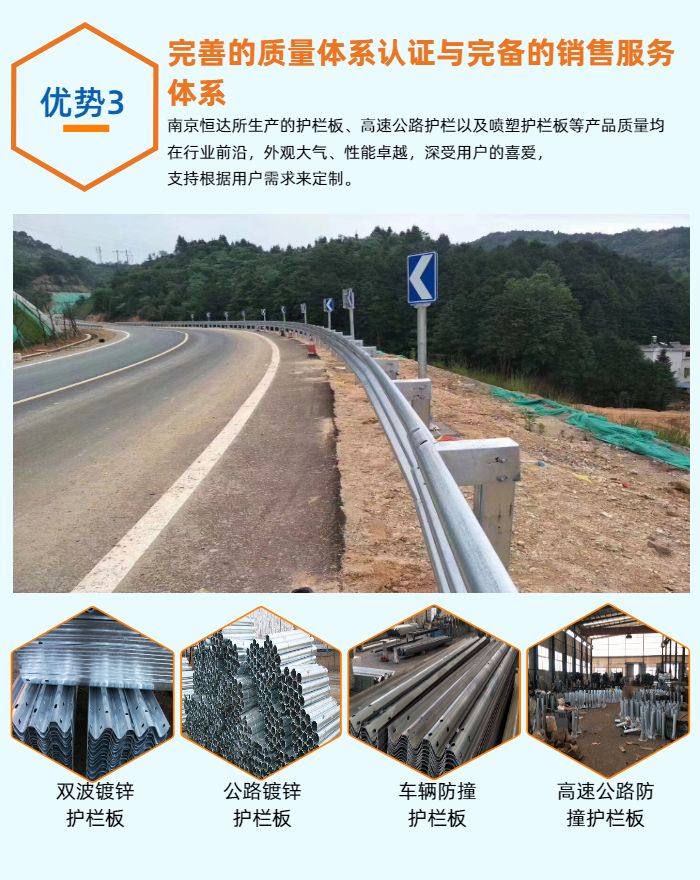
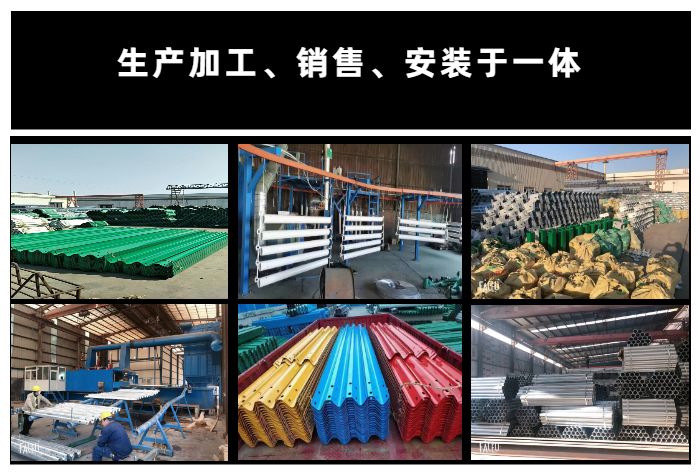
Commonly used on ordinary highways and county roads are B-grade barriers, manufactured by barrier panel producers. B-grade requirements are not as high as A-grade. B-grade can be said to have continued the industry standards from 1995, using 3.0 barrier panels, 114*4.5 posts, highway barrier panels. The posts used for pile driving are typically 1800-2000mm in height, while concrete embedment is usually 800-1000mm. Connected with brackets, bolts are 45 steel, with AB anti-theft features, post cap thickness of 3.0, barrier panel manufacturer, and gasket thickness of 4.0.
Above units are in millimeters. The anti-corrosion galvanized layer must reach 600g/㎡. The 4.0 thickness guardrail panels are produced using 4.15 steel strip, and the 3.0 thickness guardrail panels are produced using 3.15 steel strip. The reason for the higher height of the guardrail panels is twofold: first, due to the inherent tolerance of the steel itself, and second, because there is some loss in the thickness of the panels during the pickling process.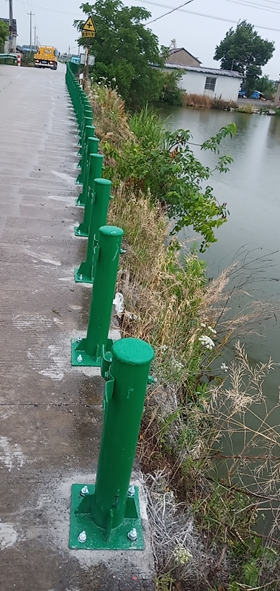
Rigid guardrails are a type of barrier structure that is essentially non-deformable, with the concrete wall-style barrier being its primary form. For rigid guardrails, highway guardrail panels absorb collision energy through changes in wheel rotation angles, vehicle displacement and deformation, and friction between the vehicle and the guardrail or the ground. During the collision, the degree of vehicle deformation depends on its own stiffness, the collision energy, and the duration of the collision impact.
When the angle of vehicle collision is large, it often leads to severe consequences. Rigid guardrails are mainly installed on sections that require strict prevention of vehicles from veering off the road to avoid secondary accidents. They have slightly lower requirements for passenger safety. Rigid guardrails can be further divided into concrete wall guardrails, concrete beam-column guardrails, and composite guardrails based on different structures.
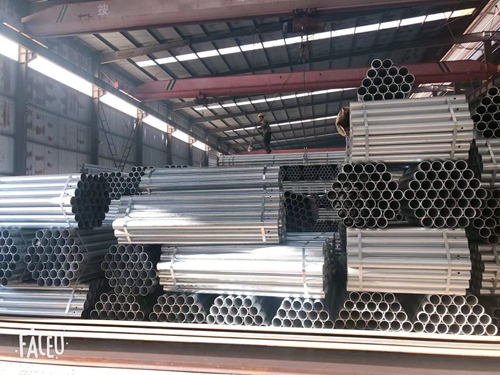
What requirements should highway guardrails meet to pass the inspection?
#Highway Guardrails #Improper or loose installation of highway guardrails poses significant safety risks. Therefore, quality inspections of installed highway guardrails are necessary to meet acceptance standards. So, what standards must highway guardrail construction meet to be deemed acceptable? Let's learn together: The guardrail posts and post caps are securely installed with no visible defects such as塌边, deformation, or cracking at the top. The guardrail overlaps are accurately aligned, smooth, with tight washers and securely fastened bolts.
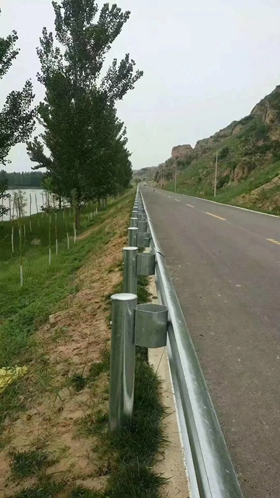
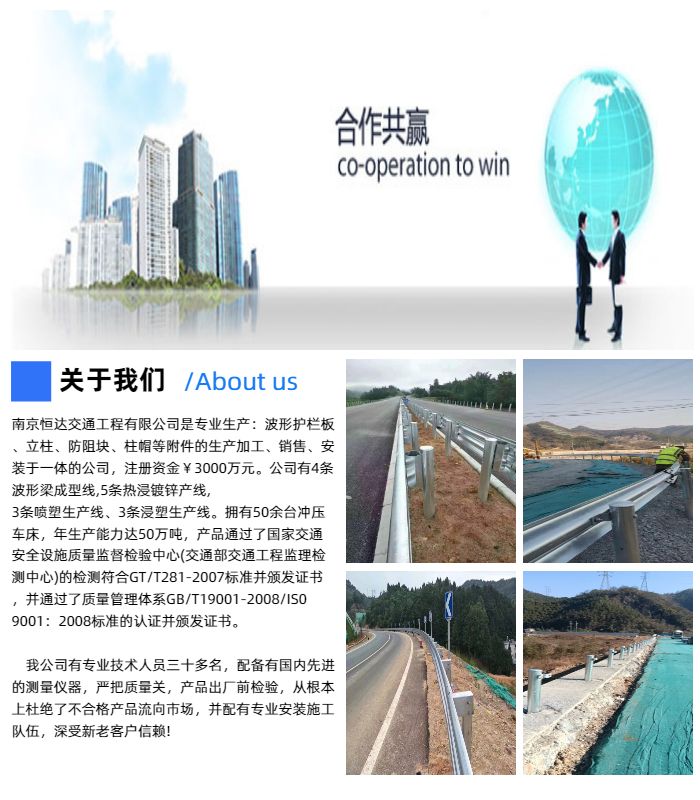
Guardrail Panel Manufacturer - Nanjing Hengda Traffic Engineering - Lao Gao Guardrail Panels are provided by Nanjing Hengda Traffic Engineering Co., Ltd. The Lao Gao Guardrail Panels by Nanjing Hengda Traffic Engineering are newly upgraded and launched this year. The images above are for reference only. Please call the contact number on this page or the image for more information. Contact person: Xu Xinshui.