






High-strength polymer mortar
High-strength polymer mortar is a new type of concrete repair mortar that combines the bonding properties of high molecular materials with the durability of inorganic materials; it boasts high compressive strength, rapid curing, and excellent bonding performance. It exhibits excellent water retention, crack resistance, high alkaline resistance, and UV resistance. It is easy to handle, can be applied on moist substrates, and is environmentally friendly. It simplifies and streamlines the construction process, ensures durability in sync with concrete, shortens the project timeline, and guarantees cost-effectiveness.
I. Application Scope
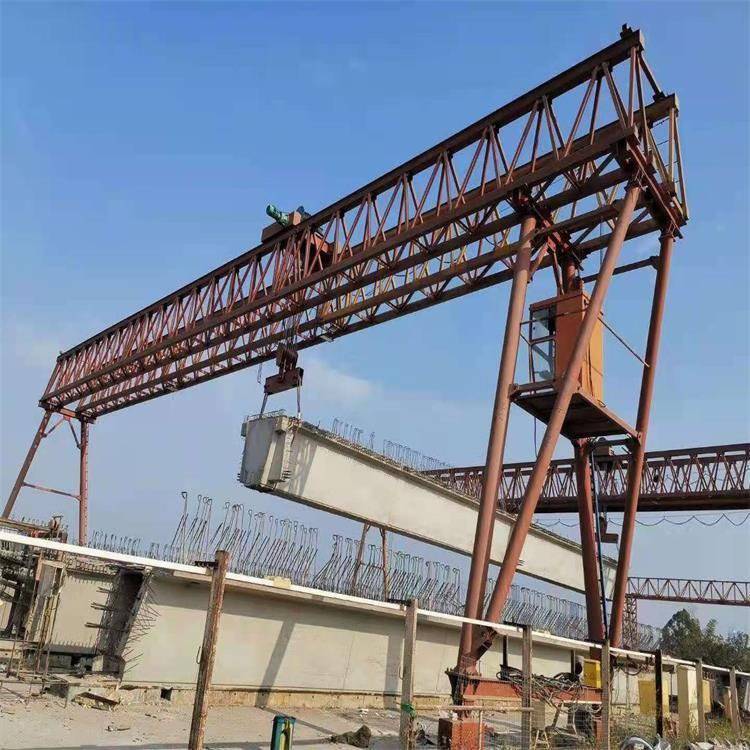
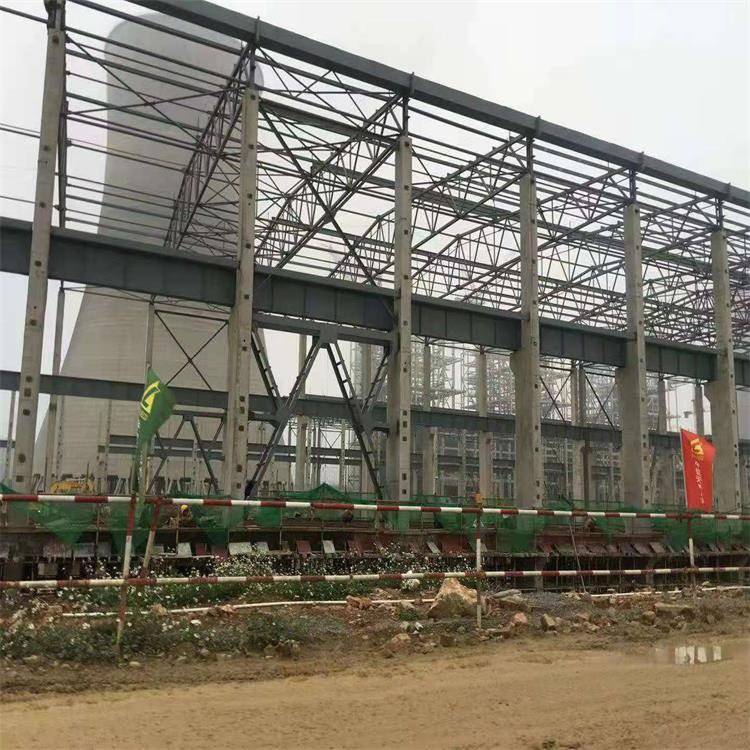
Suited for concrete structure repairs in industrial, municipal, bridge, and residential construction.
Part II: Categories
Polymer-modified materials for concrete structure repairs are categorized into single-component and double-component types.
One-component: "Consists of cement, fine aggregate, polymer powder, and additives."
Two-component: Composed of powdered materials consisting of cement, fine aggregates, polymer emulsion, and additives.
Three performance indicators
High-strength polymer mortar is divided into three categories.
Structural Repair-Specific: Designed for repairing concrete structures with a strength grade of C60 or below.
Steel strand-specific: Suitable for reinforcing mesh with polymer mortar overlay method.
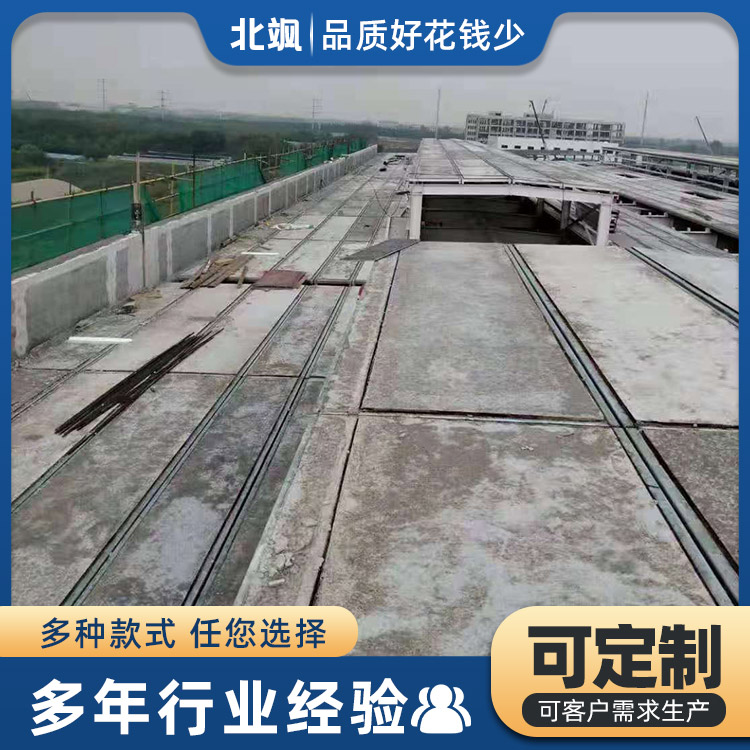
High-Speed Rail Specific: Suitable for repairing concrete structures of prestressed beams and track slabs on high-speed rail lines, especially for strength grades C50 and above.
Serial Number | Project | Technical Specifications | |||
Structural Repair-Specific | Steel strand for special use | High-speed Rail-Specific | |||
1 | Appearance | Powder is uniform and free of lumps. Liquid is well-mixed without any sediment. | |||
2 | Viscosity mm | 50-80 | |||
3 | Setting Time | Initial Set | ≥45 | ≥45 | ≥45 |
Final Coagulant | ≤24 | ≤24 | —— | ||
4 | Compressive Strength MPa | 7d | ≥20.0 | ≥30.0 | 8h≥25.0 |
28d | ≥60.0 | ≥60.0 | ≥60.0 | ||
5 | Flexural strength MPa | 7d | ≥8 | ≥6 | 24h≥10 |
28d | ≥12 | ≥10 | —— | ||
6 | Tensile bond strength MPa | 28d | ≥2.5 | ≥2.5 | ≥2.5 |
7 | Shrinkage rate % | 28d | ≤0.1 | ≤0.1 | ≤0.1 |
*Note 1: For materials requiring rapid setting and early strength, the setting time shall be determined separately by both parties based on supply and demand. *Note 2: If the tensile bond strength of the mortar body does not meet the requirements of Table 1-6, it can be used in conjunction with an interface agent. *Note 3: Refer to GB/T 50476 - Code for Design of Durability of Concrete Structures for requirements related to durability indicators. | |||||
I. Application
The reinforcement method using stainless steel wire mesh is suitable for reinforcing all structures prone to bending. Particularly applicable to the representative bending structures of civil engineering, such as the flat beams of reinforced concrete bridges, it is also used in the central parts of bridge piers and the main tower axes, as well as road cracking areas. It maintains the same system as previous reinforced concrete structures. The basic principle of this reinforcement method is that the stainless steel wire mesh is adhered to the original concrete through excellent adhesion and tensile strength of the permeable polymer mortar, forming an integrated whole. The stainless steel wire mesh enhances rigidity, increases load-bearing capacity, and prevents durability reduction caused by the polymer mortar.
2. When concrete exhibits honeycomb, voids, cracks, or damaged protective layer with exposed reinforcement, it can be repaired and reinforced with polymer mortar patches; thickening the protective layer, leveling uneven surfaces, and repairing old concrete surfaces; enhancing the durability and extending the lifespan of concrete; offering excellent waterproofing, crack resistance, aging resistance, and alkali resistance; and providing strong adhesion to various materials.
II. Usage
1. Surface Requirements and Treatment: The base surface should be smooth, rough, clean, and free of oil stains and loose dust. There should be no sanding, hollowing, or cracking. Before construction, it should be pre-washed with high-pressure water and kept moist, but without standing water. A bonding agent can be applied beforehand during the interface bonding process.
Material Preparation: Weigh and mix the powder and water in a mass ratio of 100:13. Add 90% of the actual water amount to the powder and mix thoroughly. Then, gradually pour the remaining 10% water while stirring to ensure no lumps form. The mixed paste should be used up within 0.5-1 hour.
3. Application: First, apply an interface treatment agent (ratio of A:B = 3:1) evenly on the moist concrete base surface. The area of polymer mortar application should not be too large at one time; it should be applied in strips and blocks, with each block not exceeding 10 square meters. The interval between the staggered application should be no less than 24 hours. When applying in layers, the joint positions should be staggered from each other.
4. After polymer mortar is spread, it should be immediately pressed and leveled in one go, avoiding repeated pressing. If air bubbles are found, they should be pierced and pressed tight, ensuring a dense surface. When the thickness of the surface layer on the vertical or overhead surface exceeds 10mm, it should be constructed in layers. The thickness of each layer should be between 5-10mm, and the next layer can only be applied after the previous one is touched and feels dry.