









What is a thermoplastic elastomer?
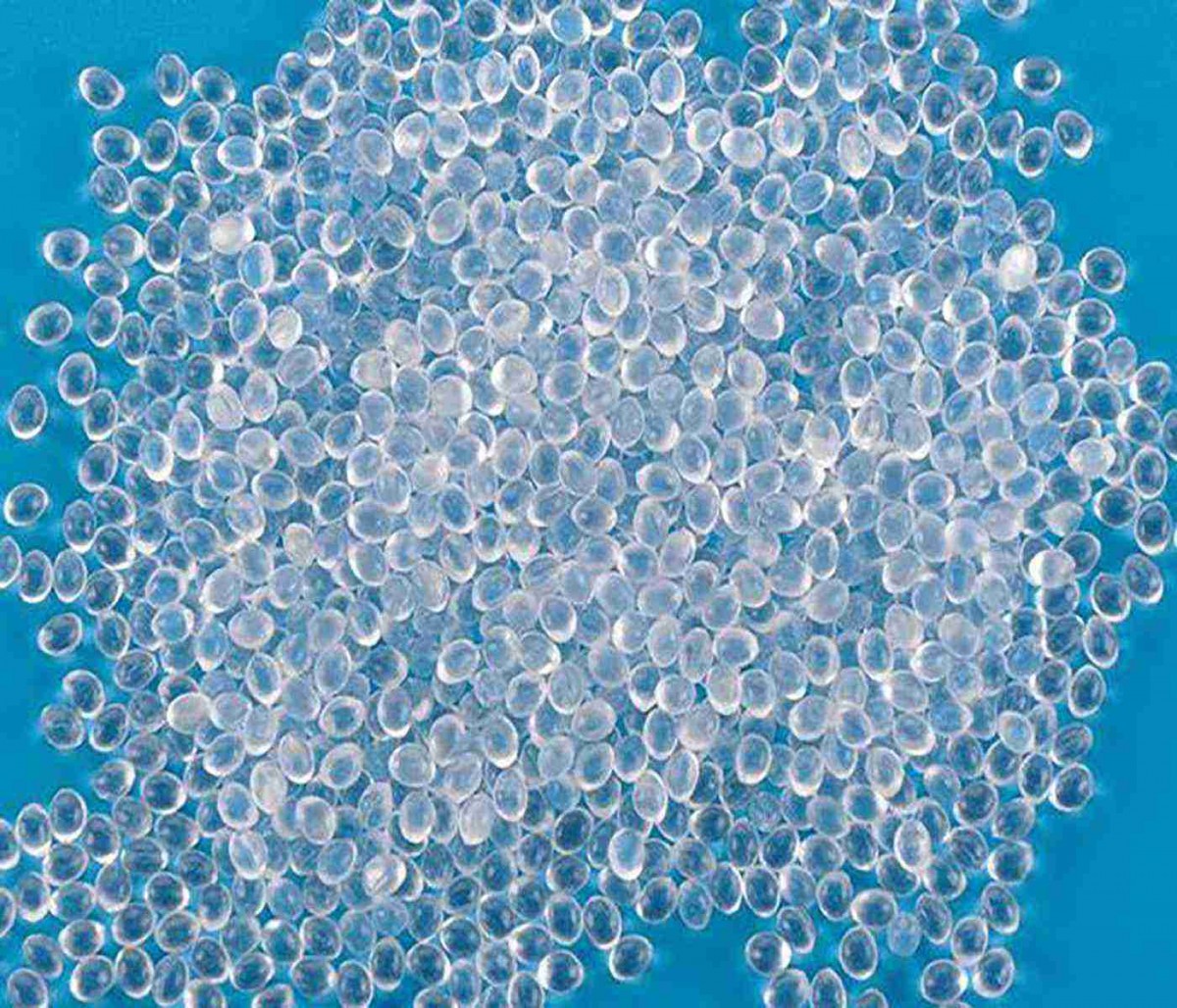
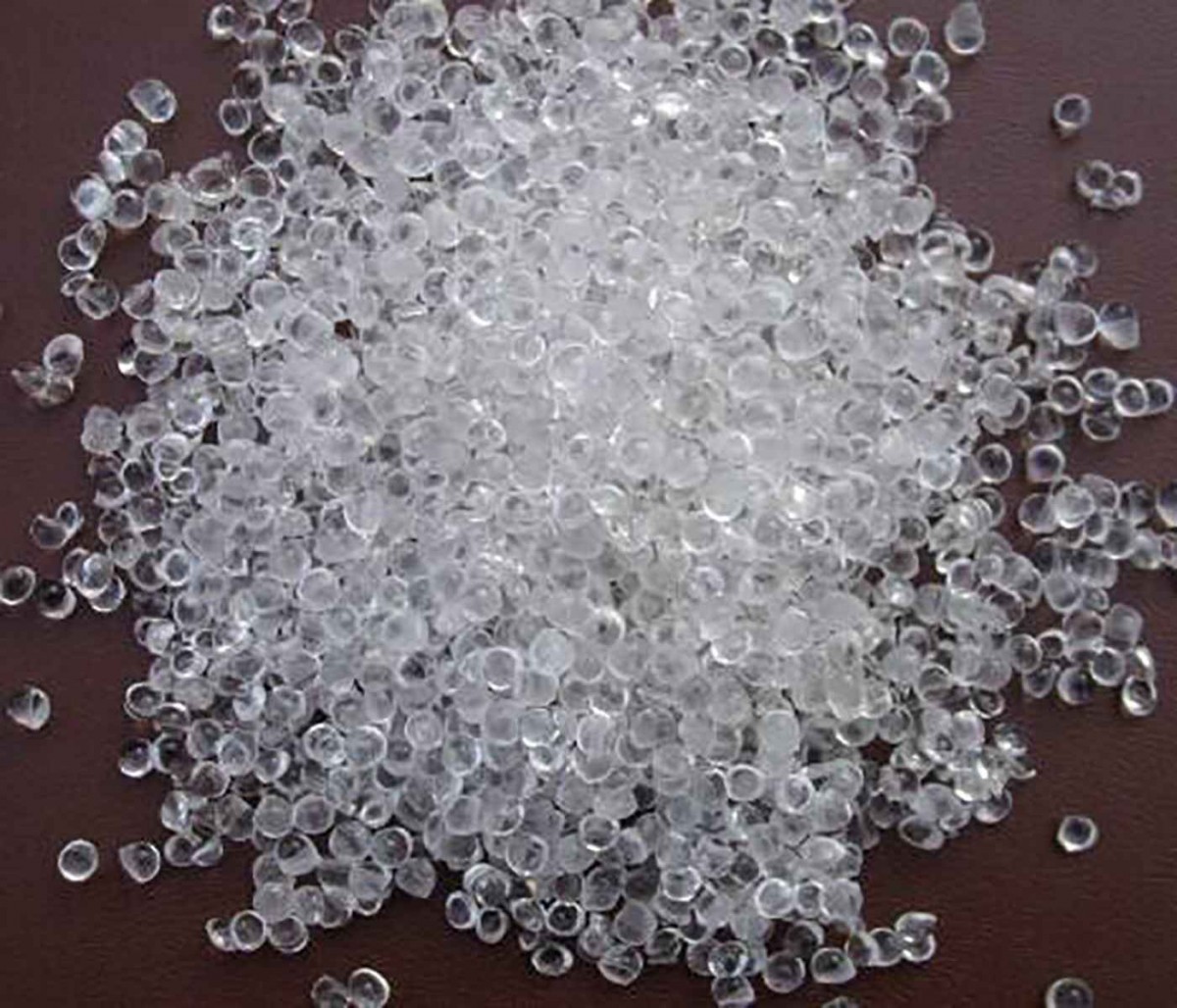
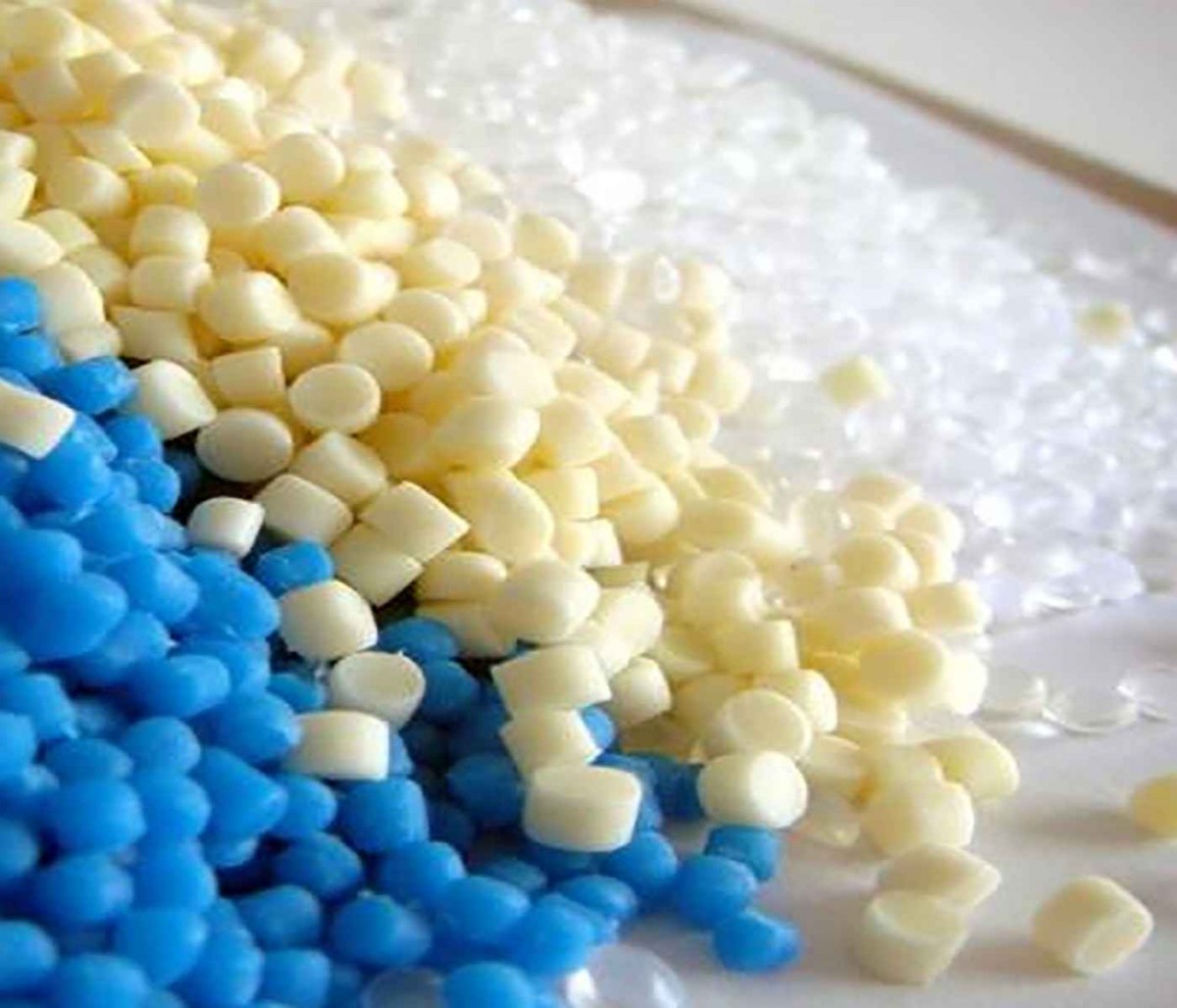
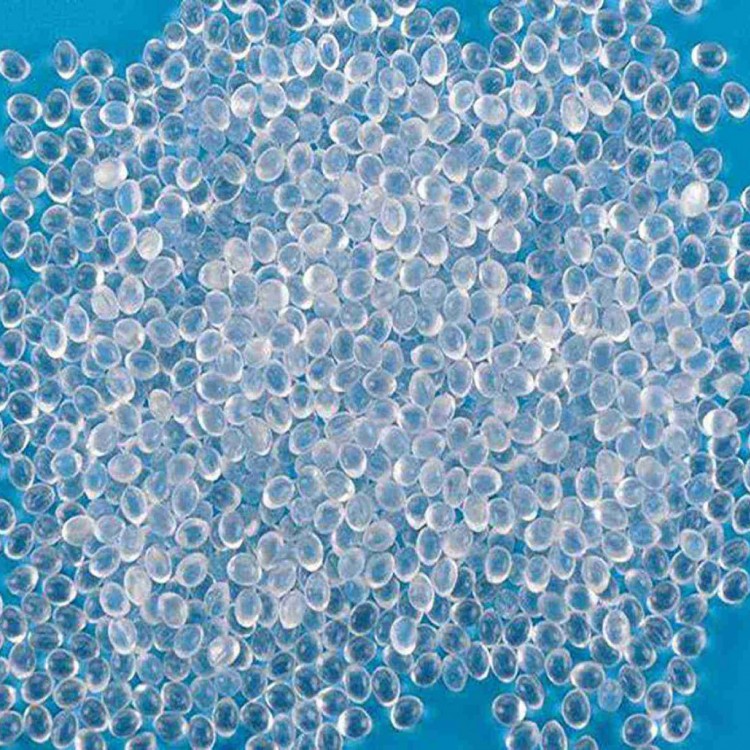
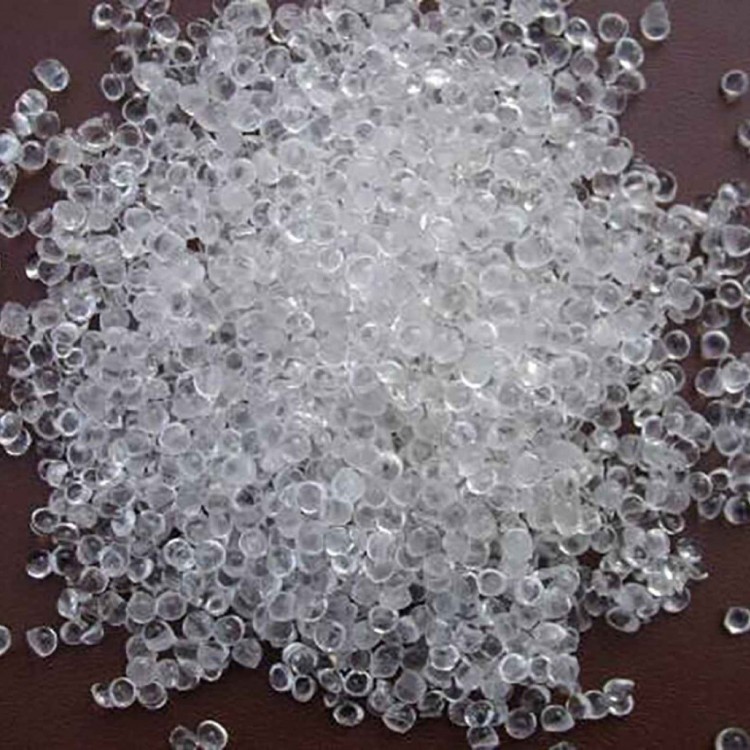
Thermoplastic Elastomers (TPE), also known as synthetic rubber or artificial rubber, includes materials like BR, EMA, EMMA, CPE, OBC, POE, PBE, POP, SBR, SBS, SFBS, SSF, URLY, NIS, SIS, SBR, TPET, PEET, POTP, RTP, PSIV, TPU, and PV. These materials combine the high elasticity, resistance to aging, and oil resistance of traditional cross-linked vulcanized rubber with the ease of processing and wide range of processing methods of common plastics. TPEs have emerged as a new material replacing traditional rubber. Fluororubber, silicone rubber, butadiene rubber, nitrile rubber, and various other plastic materials are also included.
Thermoplastic elastomer plastic material
Thermoplastic elastomers are categorized into the following types:
Styrenic Block Copolymers (SBS, SIS, SEBS, SEPS, TPS)
Thermoplastic elastomers of the diene type (TPO, TPV, TPB, TPI)
Thermoplastic elastomers of vinyl chloride derivatives (TPVC, TCPE)
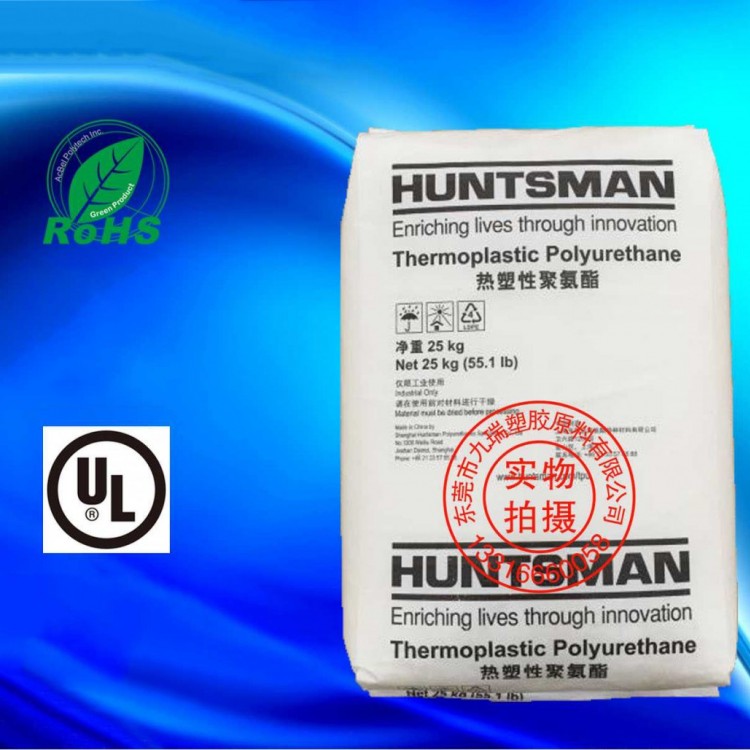
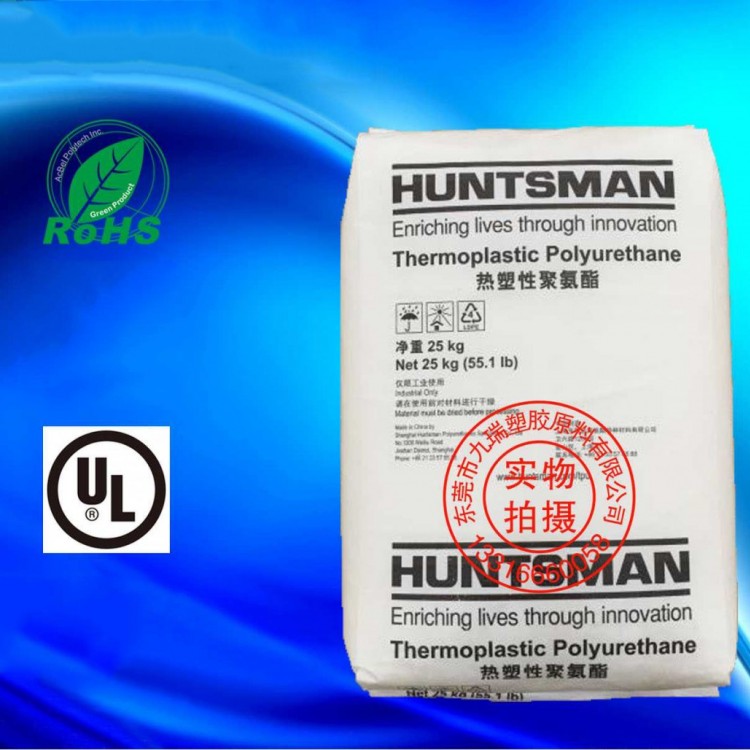
Thermoplastic elastomers of polyurethane type (TPU, PU):
Thermoplastic elastomers of polyamide type (TPAE)
Thermoplastic Elastomers (TPEE)
Thermally reversible covalent cross-linked thermoplastic elastomers (CPD, DCPD)
Metallocene-catalyzed polyolefin thermoplastic elastomers (TPE/TPR)
Shell-type thermoplastic elastomer (TPE/TPR)
Bio-based Thermoplastic Elastomers (TPE/TPR); New Thermoplastic Vulcanizates (TPV).
Properties of Thermoplastic Elastomers
1. Excellent impact and fatigue resistance properties.
High impact strength and good low-temperature toughness.
3. Excellent resistance to chemicals, oils, solvents, and weather conditions.
High tear resistance and excellent wear resistance.
5. Comfortable texture, exquisite appearance.
6. Wide hardness range: OA-100A-90D
7. Thermoplastic elastomer materials can be processed on general thermoplastic plastic molding machines, such as injection molding, extrusion, and blow molding. The processing process is non-toxic and environmentally friendly, and can also be vulcanized using rubber injection molding machines, with the vulcanization time reduced by half.
8, Scrap and recycled thermoplastic elastomers can be directly processed on the machine after crushing, saving costs.