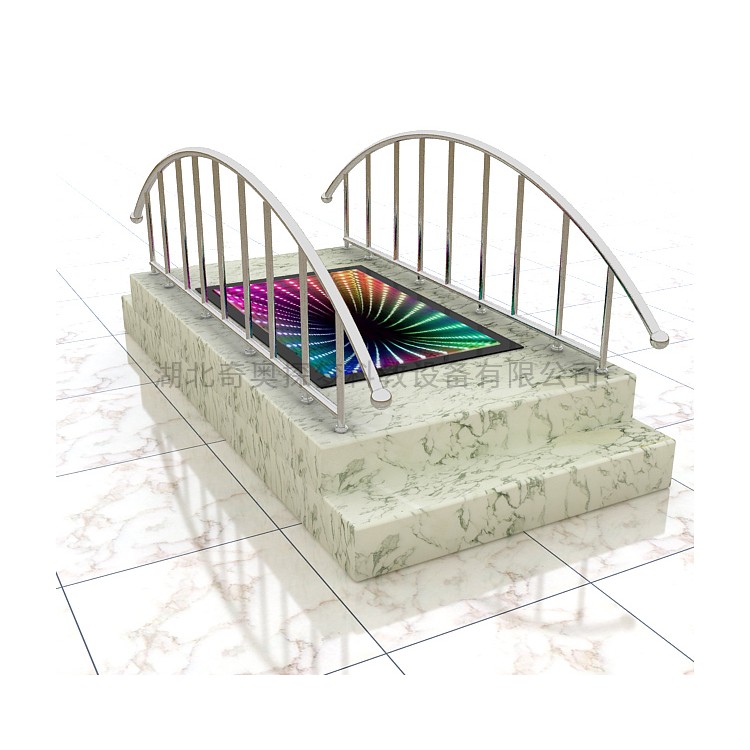
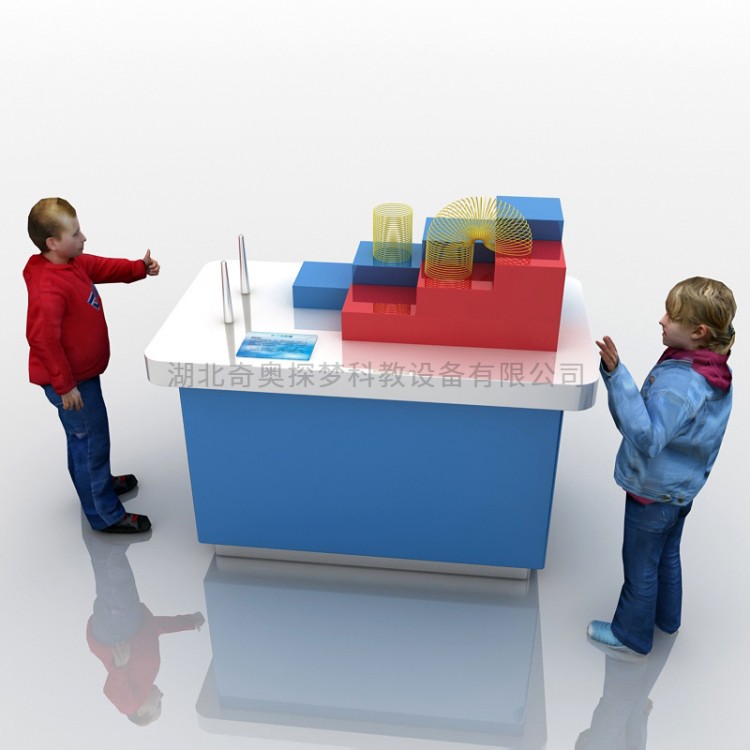















"The 'Campus Science Museum' events primarily take the form of targeted and scattered activities. Two approaches can be considered: First, actively integrate subject teaching, organize the content of teaching for each grade and subject, identify relevant content to the 'Campus Science Museum,' wholesale science equipment for schools, and then develop a teaching plan to distribute to teachers. Suggest that they fully utilize the museum's functions by designing scientific equipment as teaching aids, leading students to engage in activities around one or two exhibits in the museum. For some smaller, lighter equipment, even borrowing them to the classroom for teaching is possible, thus unveiling the mystery of the science museum. This integration of science equipment with subject teaching maximizes the educational function of the museum. This is also the main advantage of the 'Campus Science Museum' over large-scale science museums; only by integrating with subject teaching in a timely manner can the valuable scientific equipment avoid becoming mere 'toys'."
The Technology Interaction Room features interactive exhibit and educational functions, embodying the essence of a small science museum. The interactivity of its exhibits is a key distinguishing factor of a small science museum from other laboratories. Many exhibits in the Technology Interaction Room are interactive, showcasing complex and profound scientific principles through simple and intuitive physical models. Essentially, it's about appreciating the profound from the simple, and learning through entertainment, aiming to promote science popularization. Establishing a school science museum can satisfy students' thirst for scientific knowledge, ignite their interest in science, and promote quality education and the development of students' scientific literacy activities. It allows every student to personally experience scientific activities and conduct relevant practical research.
The role of the Science Museum in enhancing the national scientific literacy
The Evolution of the Science Museum
Throughout the over 300 years of development of the Science Museum, the Natural History Museum was one of the earliest forms of today's science and technology museums. In the late 17th century, driven by the Renaissance spirit of Europe, a group of scientific giants profoundly realized the importance of popularizing scientific knowledge among the masses, believing that "knowledge is for all people." Under this educational philosophy, many scientists gathered together the specimens of animals, plants, minerals, and royal collections collected for scientific research and experiments, and批发 youth science education equipment, to exhibit them to the public for viewing and study. This aimed to educate the public, broaden horizons, and disseminate knowledge, thereby forming the form of the Natural History Museum as a science and technology museum. Around the 18th century, many countries such as Britain, France, and the United States established similar places to the Natural History Museum for public science education. In the early 19th century, with the drive of the Industrial Revolution, the power of technological progress was highly valued. To promote the achievements of the Industrial Revolution, some industrial nations established museums to display and collect industrial equipment, scientific instruments, and achievements of the industry, which were known as Science and Industry Museums. In the late 19th century, scientists like Oscar von Miller, a German electrical engineer, and the youth activity center science education equipment wholesale, proposed the idea of displaying dynamic exhibits and interactive exhibits during the construction of the Deutsches Museum. At the same time, American philosopher John Dewey proposed the educational philosophy of "learning by doing." Guided by this new educational philosophy, the Deutsches Museum was a pioneer in displaying dynamic exhibits and interactive exhibits, transforming the historical trend of science education venues from static displays to dynamic participation. This shift led early science and technology museums from a focus on collection and research to an educational track, profoundly changing the nature of science education venues and paving the way for the construction of modern science and technology museums.
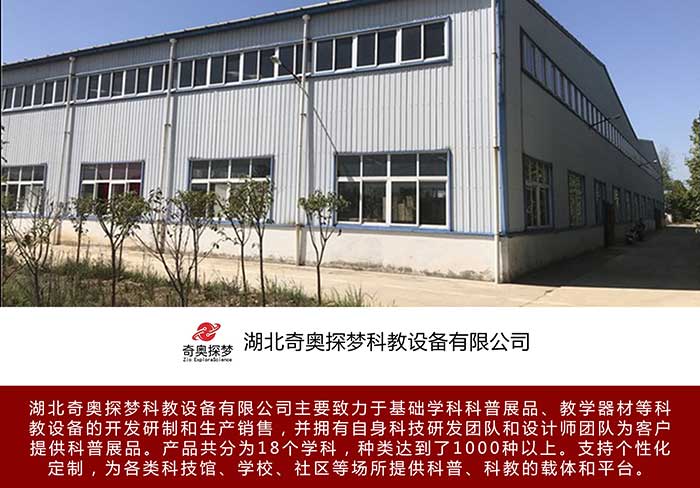
Youth Activity Center Science Education Equipment Wholesale - Qiaoao Dreaming Science & Technology - Zhejiang Science Education Equipment Wholesale, provided by Hubei Qiaoao Dreaming Science & Education Equipment Co., Ltd. With great enthusiasm and passion, Qiaoao Dreaming has dedicated itself to the field of educational toys. We always prioritize customer satisfaction and value creation, aiming to win the market with quality and service. We sincerely hope to cooperate with all sectors of society to achieve success and create brilliance together. For related business inquiries, please contact Manager Peng.