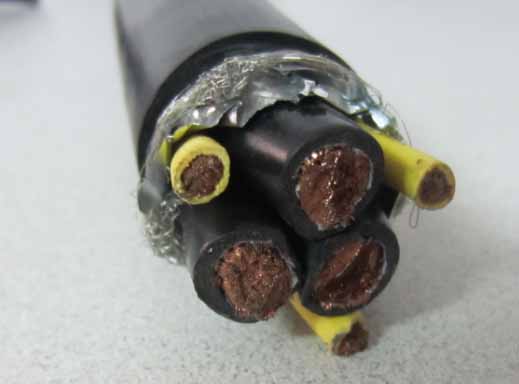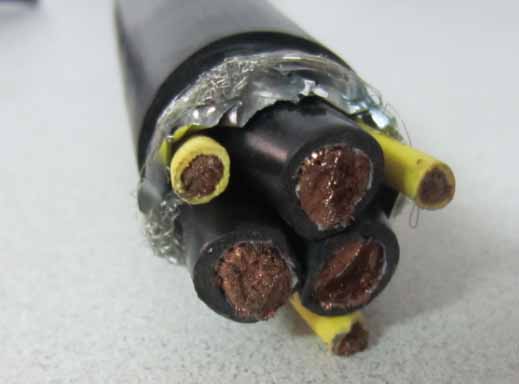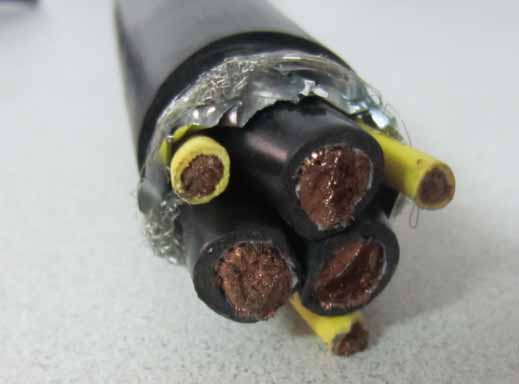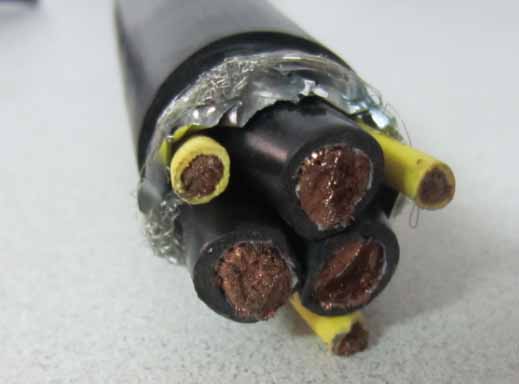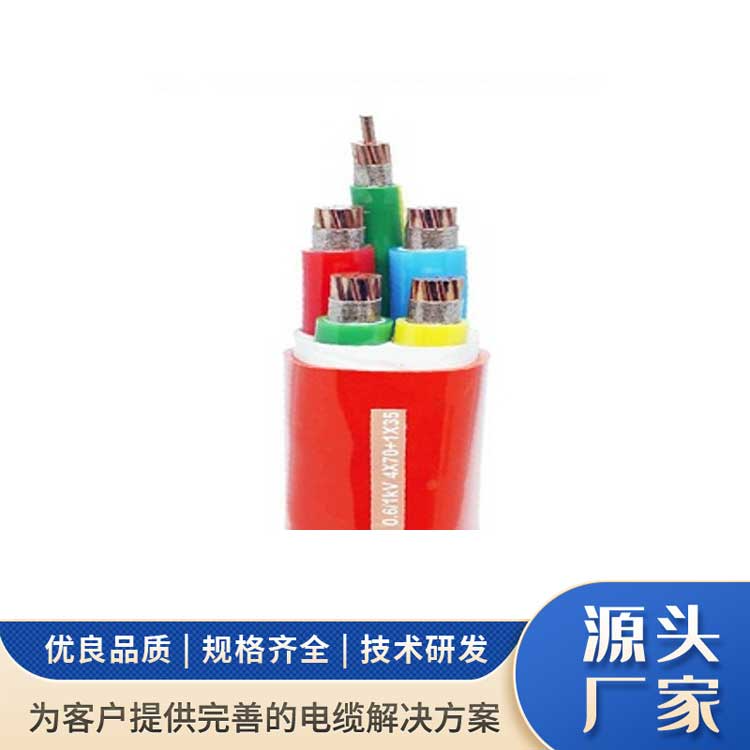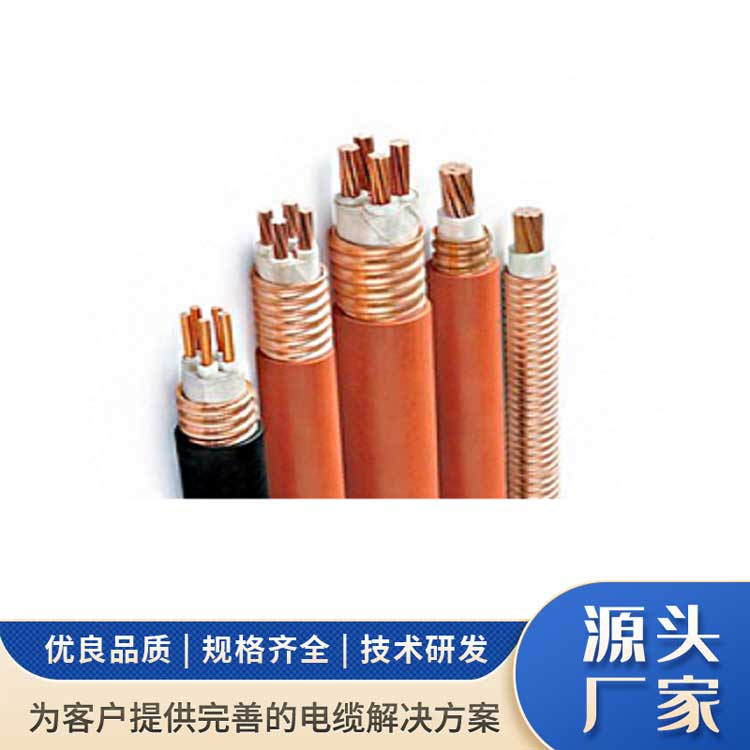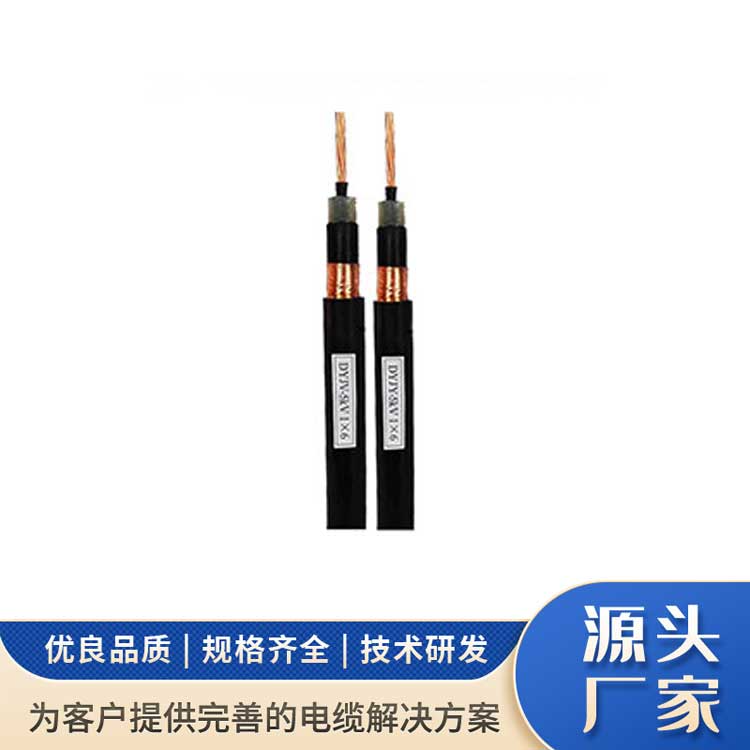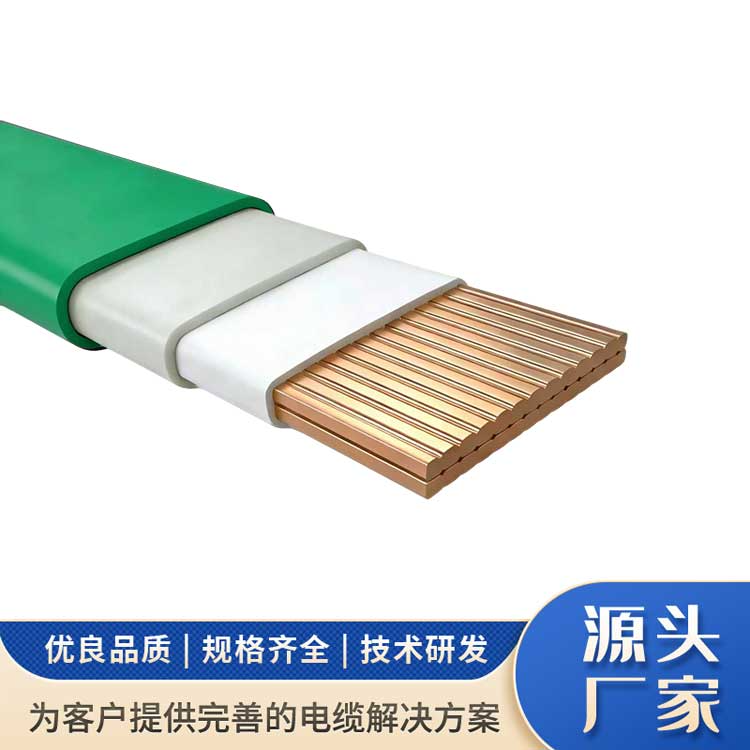

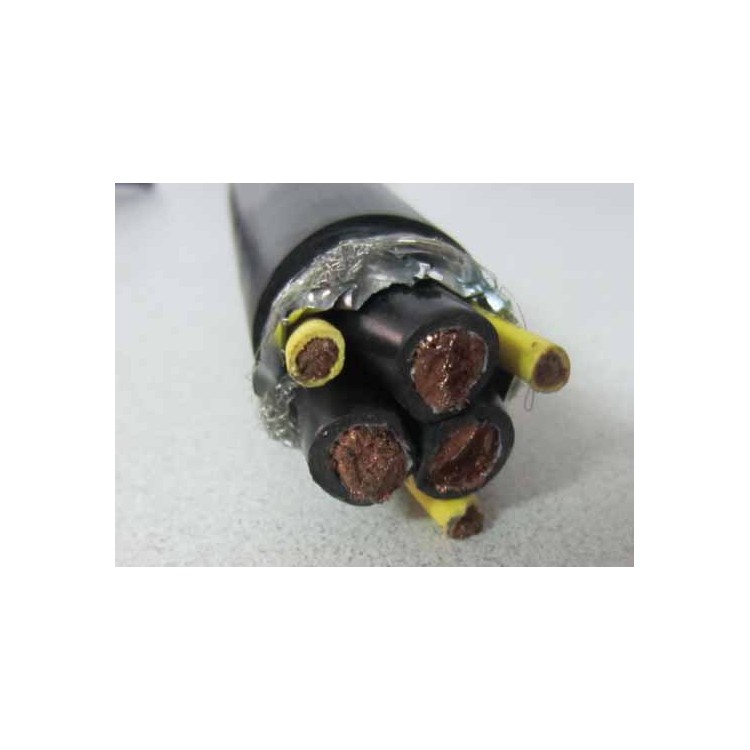

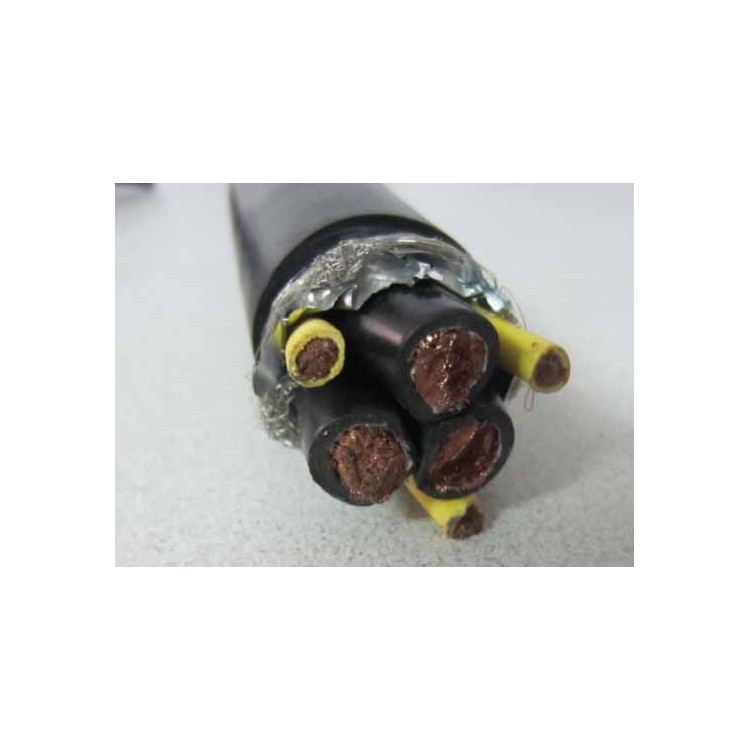
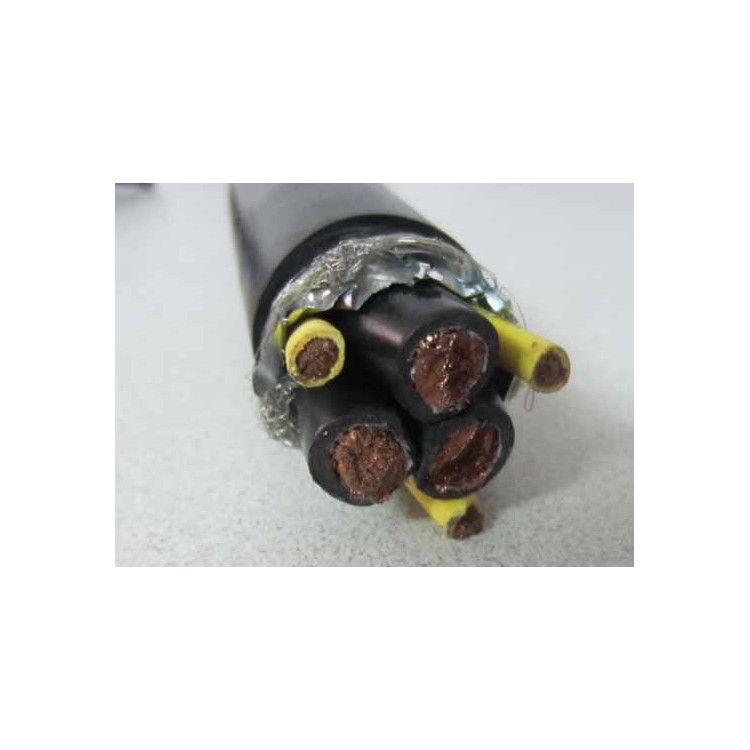
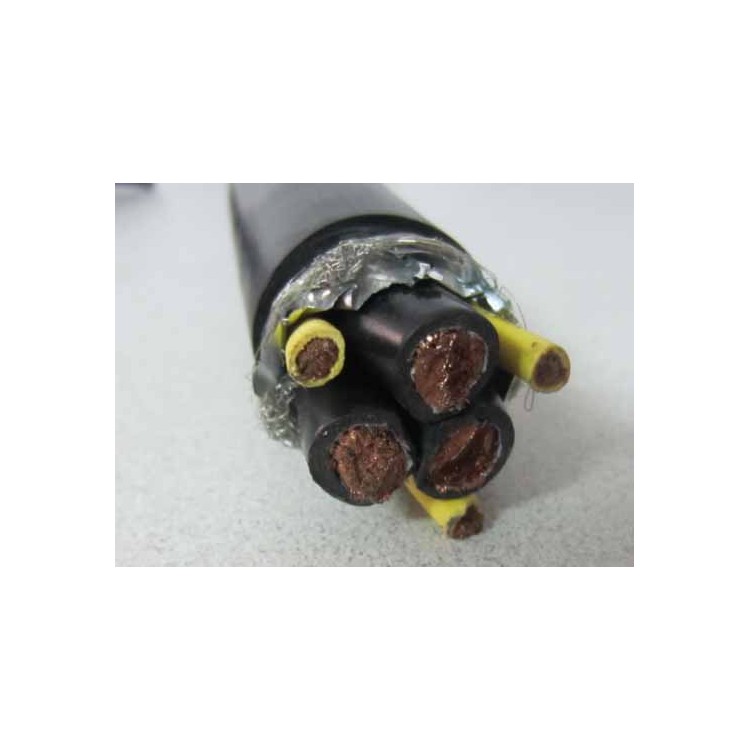


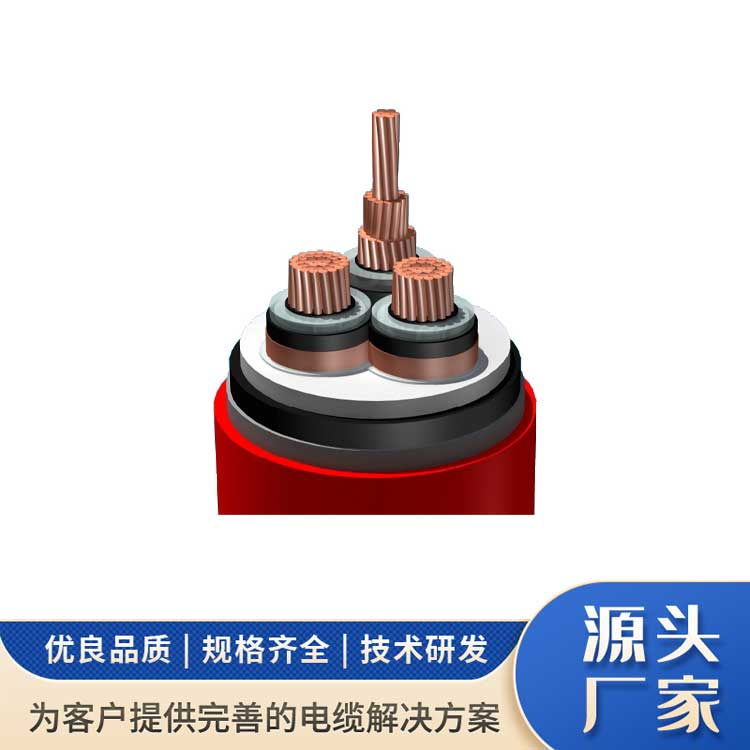
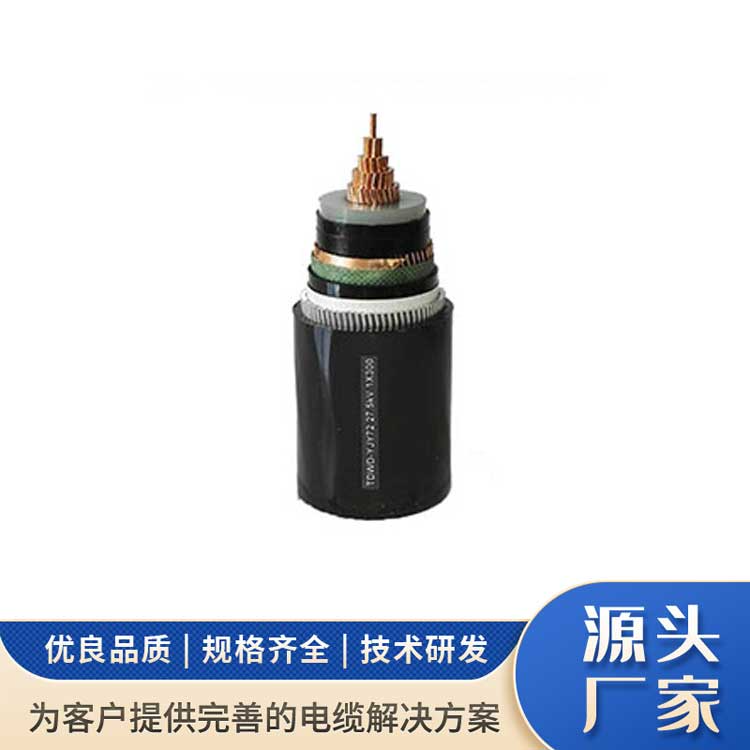
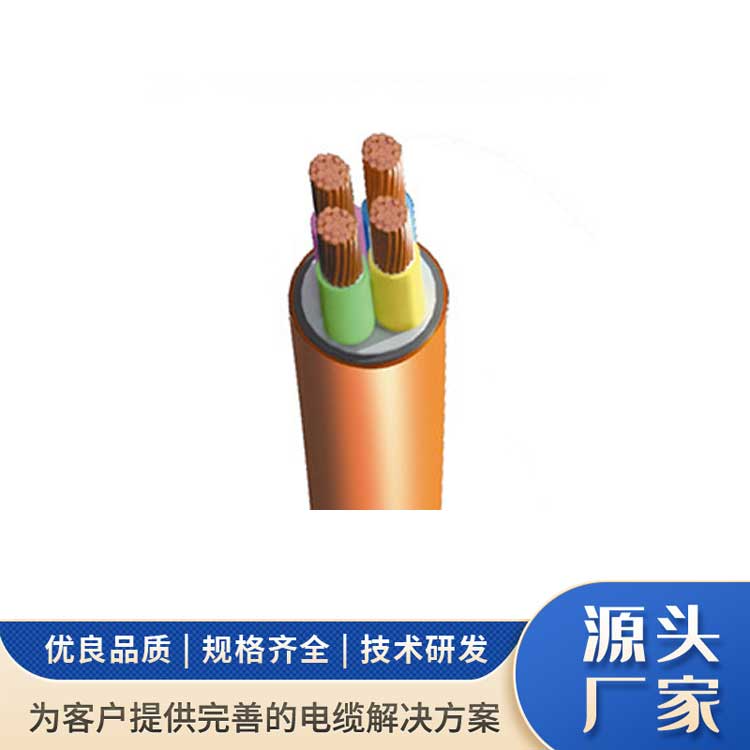
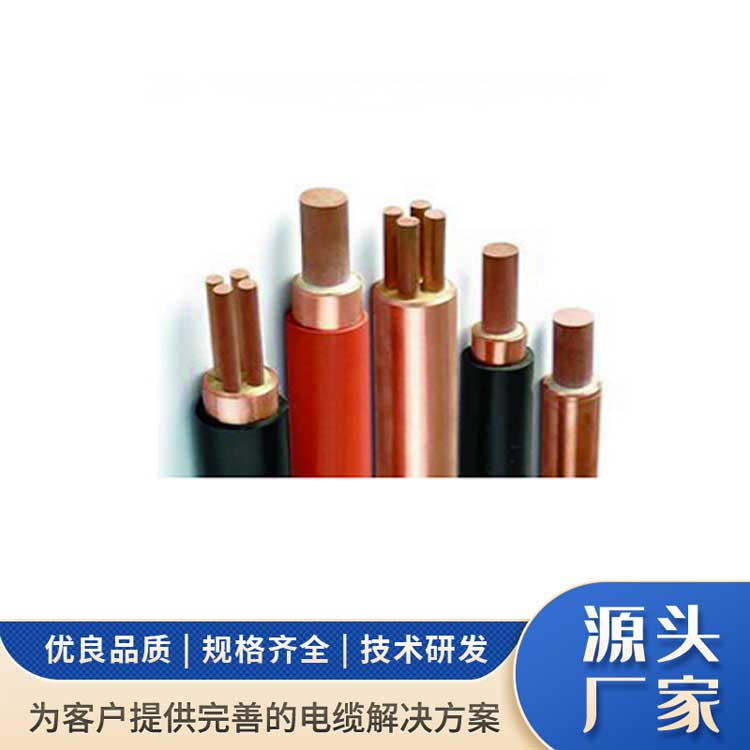
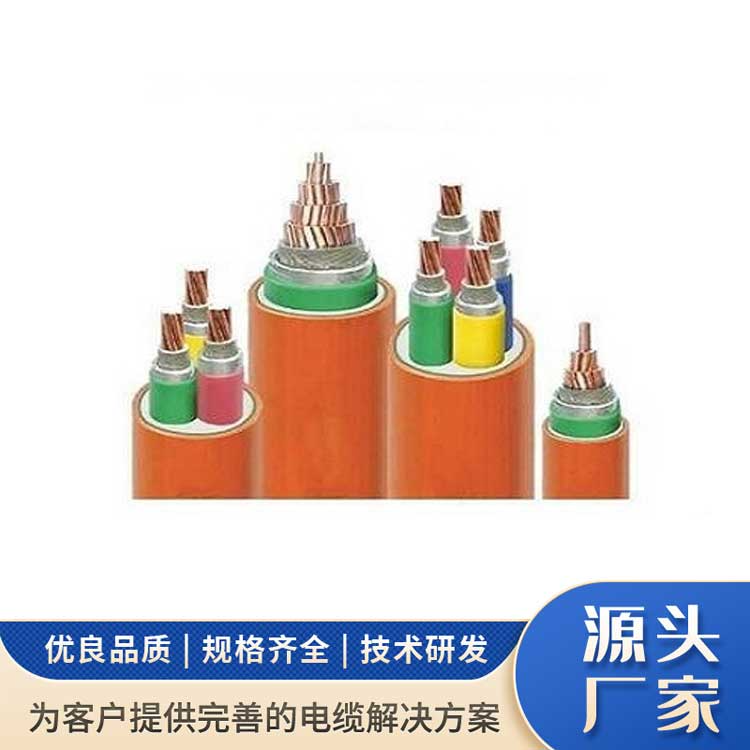





This product is suitable for power lines rated at 0.6/UV and below for transmitting electrical energy. It boasts strong electromagnetic interference resistance, lightning strike protection, and balanced potential, making it particularly ideal for sensitive electronic facilities such as computer centers, aerospace monitoring centers, and intelligent buildings.
— Production Execution Standard GB/T12706-1-2002
Model Name
Model Name: 垮
Copper Aluminum
VVP
VVP22 VLVP
VLVP22 Copper and Aluminum Core Polyvinyl Chloride Insulated Metal Shielded (Steel Tape Armored) Polyvinyl Chloride Sheathed Power Cable
YJVP
YJVP22 YJLVP
YJLVP22 Copper-aluminum core cross-linked polyethylene insulated metal sheathed (steel tape armored) polyvinyl chloride jacket power cable
Note: 1. This product can be designed with flame-retardant properties to meet the user's requirements. Simply add "ZR--" before the original model number when placing an order.
NH--Indicates refractory type:
2. The metallic shielding of the cable can be made in two forms as per customer request: wire braid or metallic tape wrap.
3. For cables with a soft-core conductor, add the letter "R" after the original model number.
III. Specifications
Model Core Count Nominal Section Area
Copper Aluminum
VVP
YJVP VLVP
YJLVP 1 4〜300
VVP VLVP 2 4〜185
VV22P VLV22P 3
YJVP YJLVP 3+1 1
YJV22P YJLV22P 4 4-185
IV. Terms of Use
1. High conductor long-term allowable operating temperature: Polyvinyl Chloride insulation at 70°C; Cross-linked Polyethylene insulation at 90°C.
2. In case of cable short circuit (duration not exceeding 5 seconds), the conductor's temperature shall not exceed: 16°C for polyvinyl chloride insulation : 25°C for cross-linked polyethylene insulation.
3. The installation environment temperature should not be below 0°C.
4. The cable bend radius allowance is as follows: armored cable not less than 20 times the cable outer diameter; unarmored cable not less than 15 times the cable outer diameter; soft-core conductor cable not less than 10 times the cable outer diameter.
V. Approximate Outer Diameter of Cable
The outer diameter of VVP and VLVP cables is increased by 1 to 1.5mm compared to that of VV and VLV cables.
The outer diameter of VJVP type cables is 1~1.5mm larger than that of YJV type and Y/V type cables.
VV22P and VLV22P cables have an outer diameter increased by 1 to 1.5mm compared to the VV22 and VLV22 cable types.
The VJV22P and YV22P cable outer diameters are increased by 1 ~ 1.5mm respectively, based on the outer diameters of the YJV22 and Y-ILV22 cable types.
Section 6: Main Technical Parameters
1、20Refer to the DC resistance of the conductor at C for 0.6/1 kV polyvinyl chloride insulated and sheathed power cables.
Insulating Resistance
Serial Number Performance Polyvinyl Chloride Insulation Cross-linked Polyethylene Insulation
Volume resistivity (at 20°C, when the cable is in operation) 1013
10|0
Insulation Resistance Constant (20°C) - Cable Operating Temperature: 36.7
0.037 3.67
3. The finished cables undergo AC voltage test with an AC voltage of 3.5kV at 50Hz for 5 minutes, and the insulation should not be pierced.
4. The fire-resistant cable should meet the fire-resistant requirements of Class A or B tests as specified in IEC60331 or GB12666.6.
5. Flame-retardant cables shall meet the flame-retardant performance requirements of either Category A, B, or C as specified in IEC60332 or GB/T18380.3 standards.
Section 7: Delivery Length
1. Per the agreement between both parties, delivery of cables of any length is permitted. 2. Length measurement error is not to exceed ±0.5%.