















How to obtain CE certification for mechanical products
Mechanical CE CertificationWhat is it, and how to obtain a mechanical CE certification?

Mechanical CE certification falls under the EU's Machinery Directive MD, and is required for machinery products exported to or sold within the EU. The European Machinery Directive 2006/42/EC sets broad safety objectives for manufacturers and distributors of various machinery and equipment. The EU Machinery Directive mandates that manufacturers demonstrate compliance of their products with various EU regulations related to the machinery they produce.
Independent certification providers can assist manufacturers with the analysis and testing processes required for product approval. Once approved, product information can be marketed for online sales in the EU and the European Economic Area (EEA).
Mechanical CE Certification Scope
Directive 2006/42/EC covers the design, manufacture, and sale of machinery and equipment akin to machinery, interchangeable equipment, safety components, lifting accessories, mobile machinery drives, chains, ropes, and belts.
Mechanical specifications include the following:
Distinguish between machinery categories with high potential hazards to operators/users (Annex IV) and other categories
Defined the basic information security management requirements for machines (Attachment 1)
Establish a compliance declaration and CE marking program based on the type of machine for manufacturers.
This constitutes a mandatory requirement for free distribution of these products within EU member states.
Mechanical CE Certification Compliance Assessment
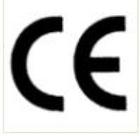
Manufacturers must provide a conformity declaration and affix the CE mark on the machine to ensure the product meets all basic safety and health requirements of relevant EC directives. For partially completed machines, the conformity declaration and CE mark will be replaced by a combined declaration and assembly instructions.
For machinery listed in Attachment 4 of the Chinese Machinery Directive with high potential market risks, if there is no unified standard or a unified standard has not been established, it should be informed to the institutions involved in the assessment of the eligibility of students for such machinery/components that this standard does not cover all health and safety technical requirements related to countries.
Mechanical CE Certification Standards
All machinery must have a documented risk assessment to identify all applicable hazards, and in addition, this directive stipulates the basic health and safety requirements to be considered. These hazards and needs must be mitigated and resolved by adhering to standards. The list of "Harmonized Standards"[We can obtain tooltips about "Harmonized Standards", such as "standards specifically prepared to support this directive and adopted as national standards by all EU Member States". Find them here.]
Standards supporting mechanical instructions are categorized as A, B, or C classes, reflecting their generality or specificity. Class A standards are very general and cover the risks of all ENISO12100 machines. Class B standards address specific aspects, such as protection or emergency stop, and can be applied to various machines. Class C standards are product standards, meaning they are related to specific types of machines.