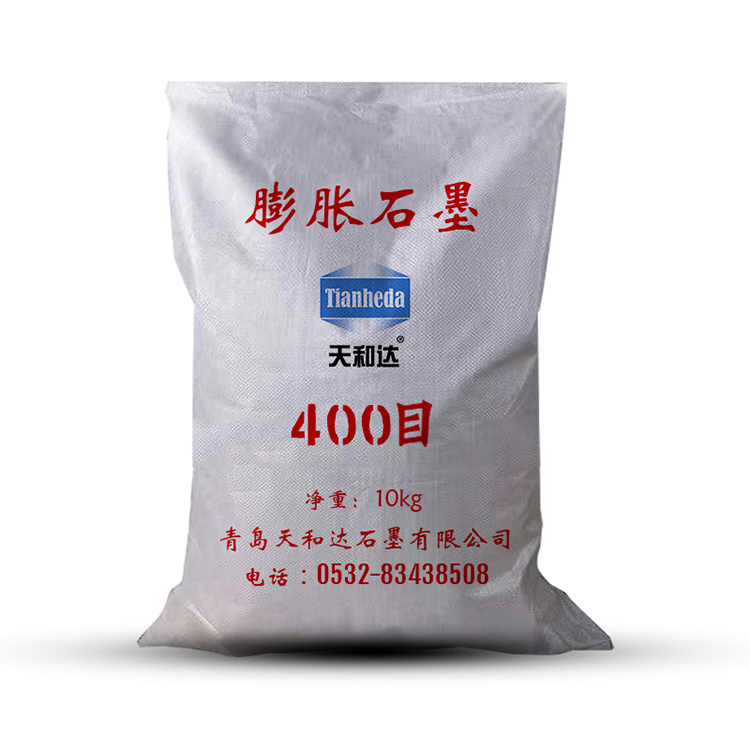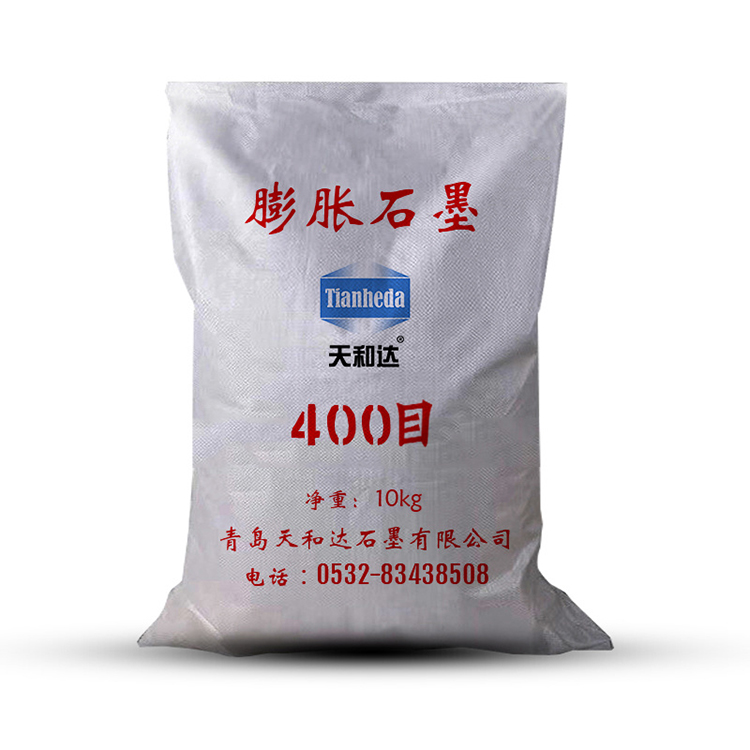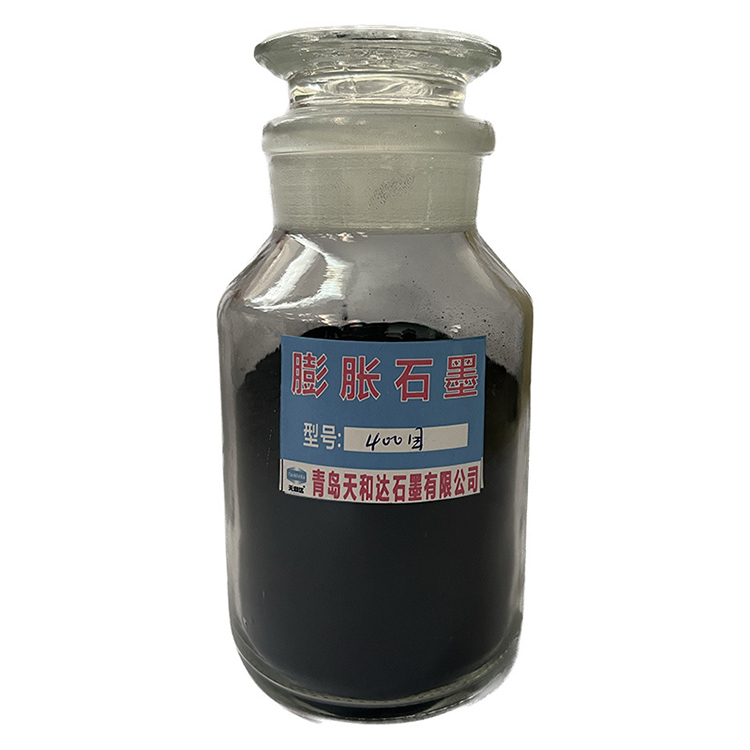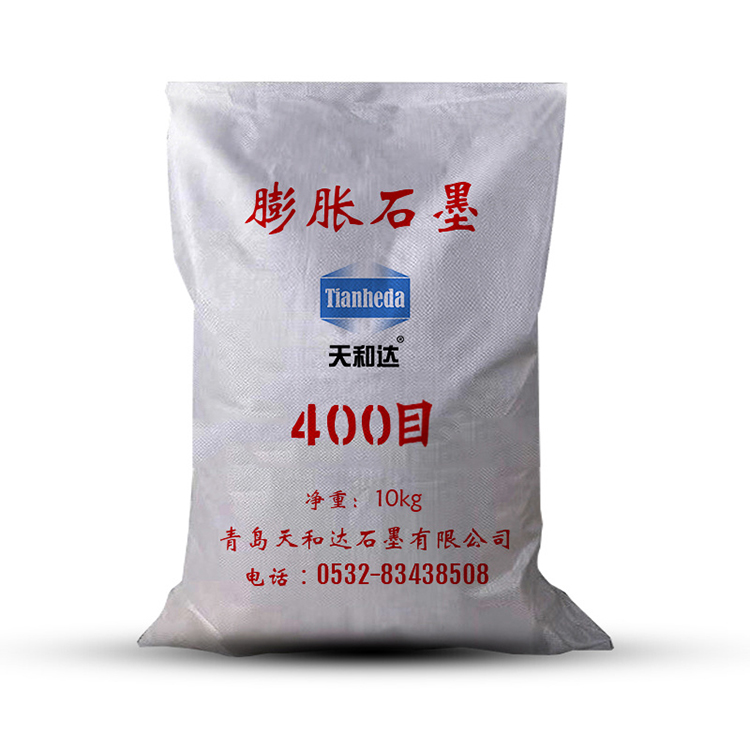

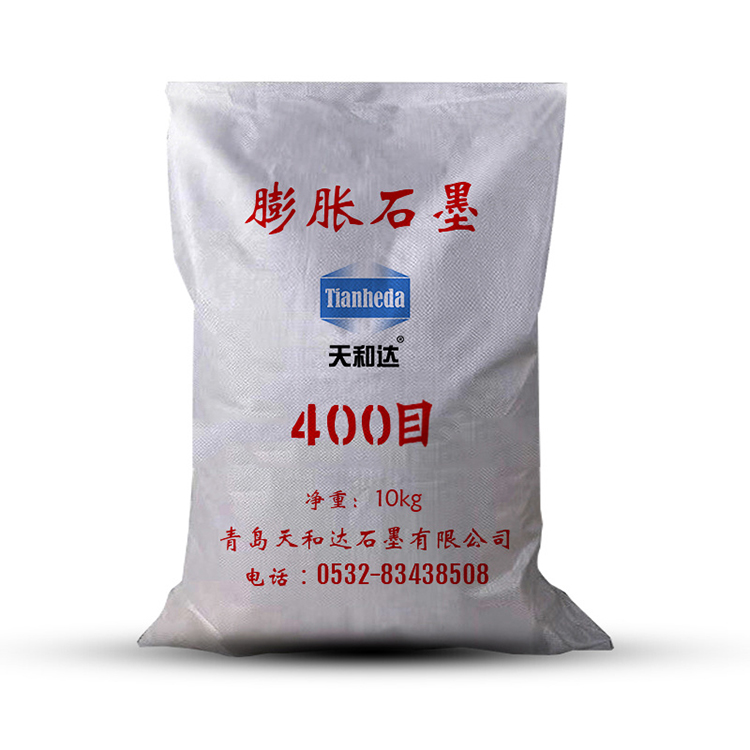

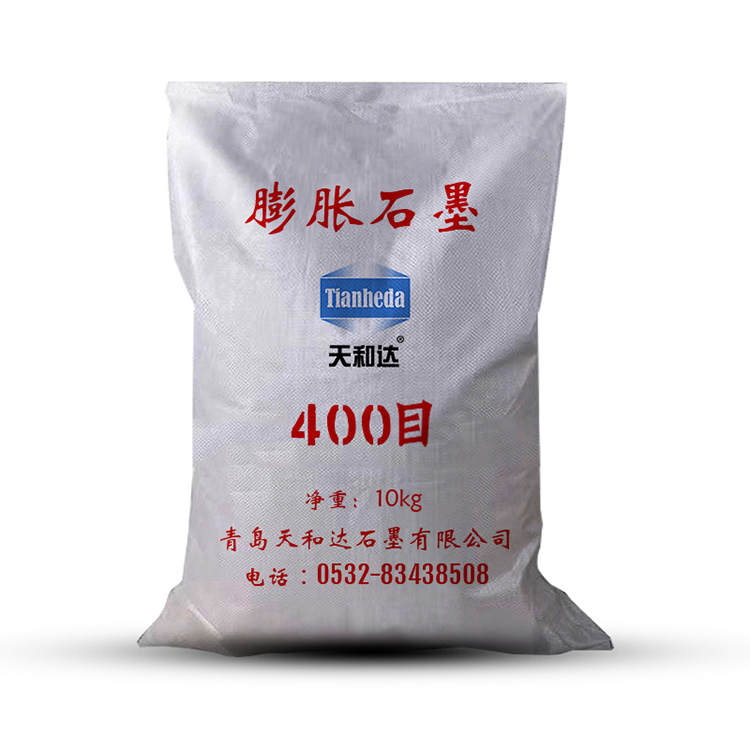
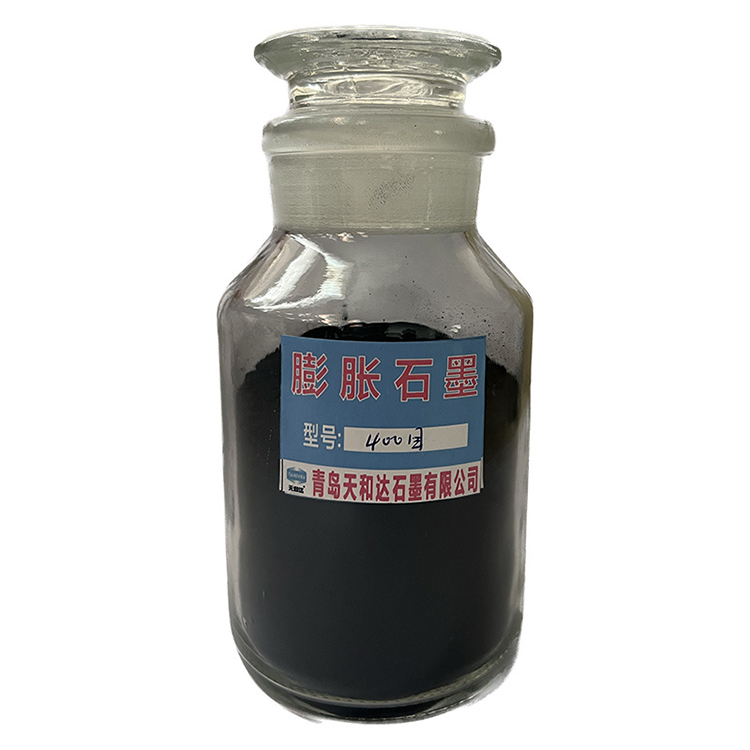
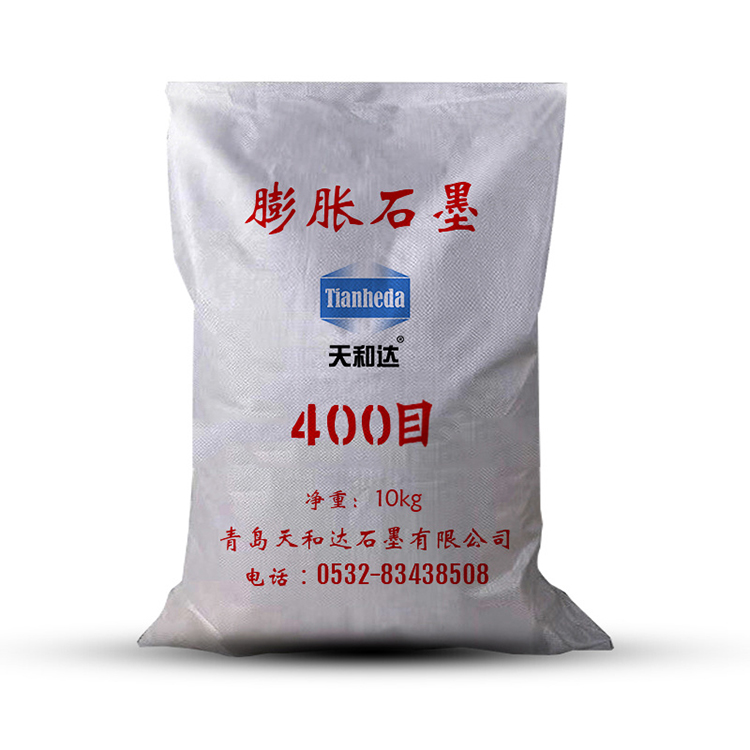











Expanding graphite has hydrophobic and oleophilic properties.Selectively remove non-aqueous solutions from water, such as floating oil from seas, rivers, and lakes. Expanding graphite forms a certain amount of winding space when absorbing oil, which can store oil substances far exceeding its total pore volume. After absorbing a large amount of oil, it can aggregate into lumps, float on the liquid surface, making it easy to collect and can be recycled and reused. Since expanding graphite is primarily composed of pure carbon, it is non-toxic and chemically inert, thus it does not cause secondary pollution in water. Additionally, expanding graphite can be used for oil removal from industrial wastewater emulsions and for removing substances that are soluble in oil, and it has good adsorption effects on many other organic or inorganic harmful components. Besides selective adsorption in the liquid phase, expanding graphite also has a certain degree of removal effect on atmospheric pollutants such as SOx and NOx produced by industrial emissions and vehicle exhausts. [2]
Expanding Graphite is used for treating waste water from woolen textile dyeing factories. Under static conditions, the chemical oxygen demand (COD) in the wastewater...The average COD removal rate reached 40% and the chromaticity was reduced by an average of 40%. In on-site applications, the average COD removal rate from wastewater was 20%, with a 20% average reduction in chromaticity. Field tests indicate that expanded graphite has unique application prospects in the treatment of greige fabric dyeing wastewater.
Expanding graphite as an adsorbent, self-made adsorption column for wastewater treatment facility.The results show that with flow rates maintained at 70L/h, filling densities at 9g/L, and adsorption processes limited to 2m, the standards for reinjection of oil field wastewater are met while also satisfying economic requirements.
Sealing Materials
Expanding graphite can be processed into flexible graphite for use as a sealing material. Compared to traditional sealing materials...(Compared to materials like asbestos, rubber, cellulose, and their composites), flexible graphite has a wider temperature range of use. In air, it can operate between -200℃ and 450℃, and up to 3000℃ in a vacuum or reducing atmosphere. It also has a low coefficient of thermal expansion, remains non-fractile and non-rupturable at low temperatures, and does not soften or creep at high temperatures. For these reasons, it is known as the "King of Seals." It is currently widely used in industries such as petrochemicals, machinery, metallurgy, and atomic energy.
Biologicalyi - one
Expanding graphite boasts excellent biocompatibility, non-toxicity, odorless properties, and no side effects.It is a category of very important biomaterials.
Expanding graphite asyi Absorption performance of the dressing on simulated body fluids, and its effectiveness against microorganismsThe study of the adsorption inhibition properties of bacteria, etc., shows that expanded graphite exhibits significantly higher adsorption capacity for simulated body fluids compared to water and NaCl solutions, and even more so than common greased gauze and non-stick gauze. The contact angle value with human plasma is close to 90°, indicating that expanded graphite, when used as a dressing, has less adhesive properties on the wound, facilitating dressing changes and reducing patient discomfort during the process. It also exhibits adsorption effects on six types of bacteria in solid-phase contact, with inhibition rings forming, and is non-selective to bacterial types, suggesting that the antibacterial effect primarily stems from physical adsorption. With its excellent adsorption and drainage properties, permeability to air and water, reduced adhesiveness to wounds, non-blackening properties, and ability to adsorb and inhibit a variety of bacteria, the expanded graphite composite material can serve as a superior wound external dressing, effectively replacing conventional gauze dressings and providing excellent results for burns and other wounds.
High-energy battery materials
Adding expanded graphite to the zinc anode of rechargeable zinc-manganese batteries can reduce polarization during the charging process of the zinc anode.Enhanced electrode and electrolyte conductivity, dendrite inhibition, excellent shaping properties, and suppression of anode dissolution and deformation, extending battery life. Additionally, lithium can form Graphite Intercalation Compounds (GICs) with graphite via gas, liquid, solid-state, and lithium salt electrolysis methods, which possess lower electrode potentials and excellent insertion/extraction reversibility.
Expanding Graphite Modified Activated CarbonPolytetrafluoroethylene composite electrodes served as the cathode, Ti/IrO2/RuO2 as the anode, Na2SO4 solution as the electrolyte, and the degradation of 4-chlorophenol was investigated in a cotton fabric diaphragm electrolytic system. Results showed that when the addition amount of expanded graphite was 20% of the carbon material, and the ratio of polytetrafluoroethylene to carbon material was 1:4, the electrode exhibited excellent degradation of 4-chlorophenol in the cathode chamber at a current density of 39 mA/cm², electrolyte concentration of 0.05 mol/L, initial 4-chlorophenol concentration of 100 mg/L, initial pH of 11, and electrode spacing of 4 cm. After 120 minutes of electrolysis, the degradation rate of 4-chlorophenol reached 98.7%.