









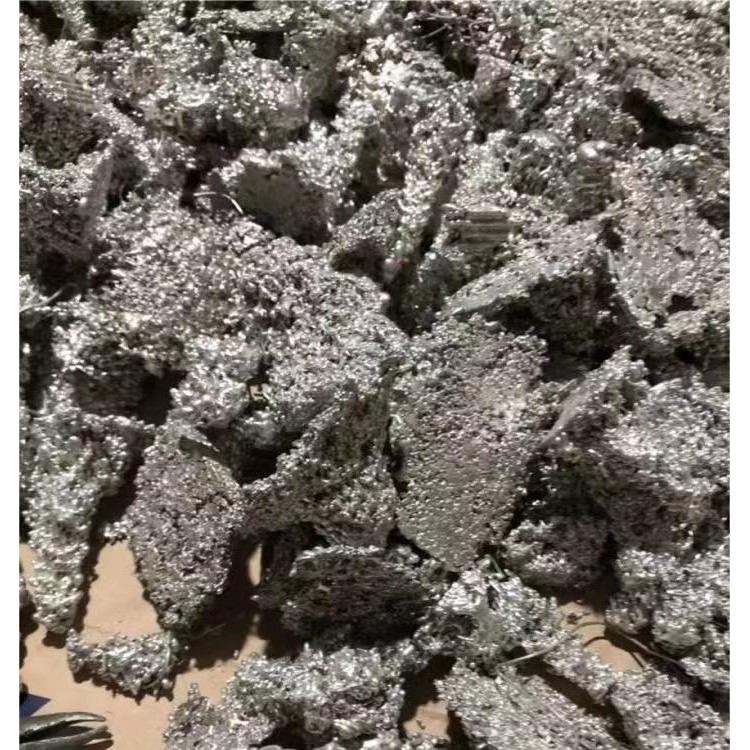
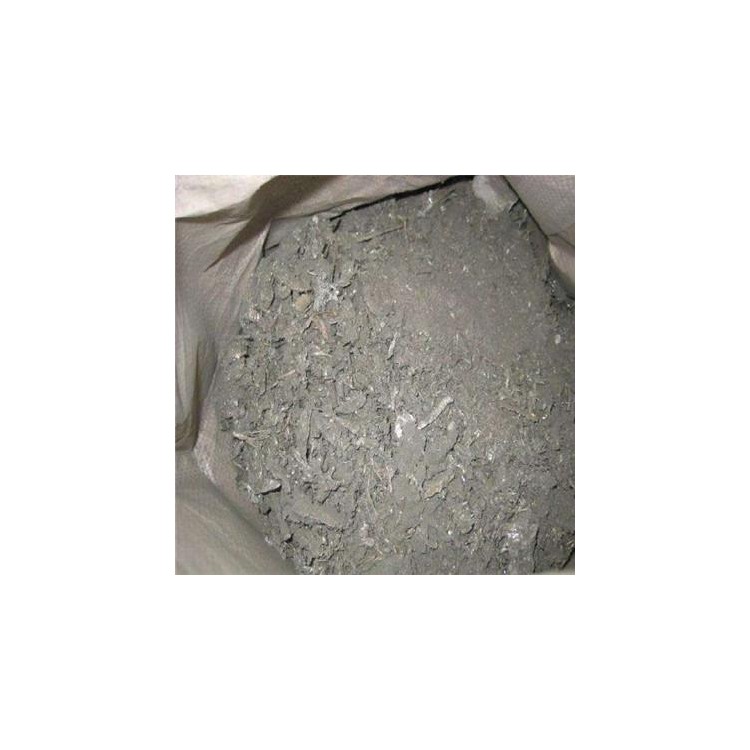

Lead-tin slag is a common waste product, originating from numerous industrial processes. Due to its potential threat to the environment and human health, many people seek to recycle it. This article will provide a detailed overview of on-site lead-tin slag recycling, including recycling prices and services. If you have lead-tin slag to recycle and want to learn more about it through this article, please continue reading.
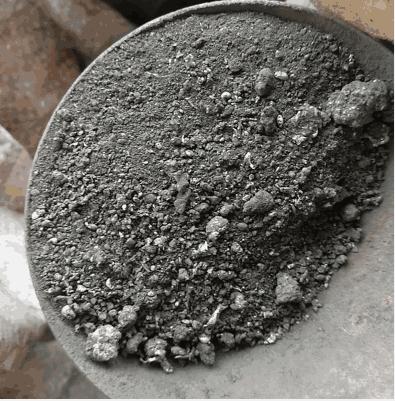
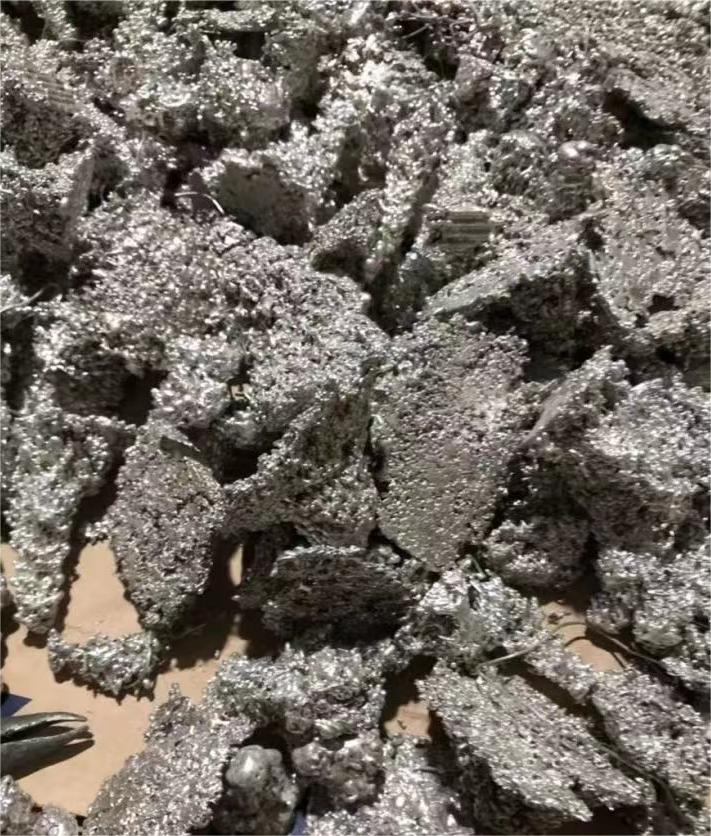
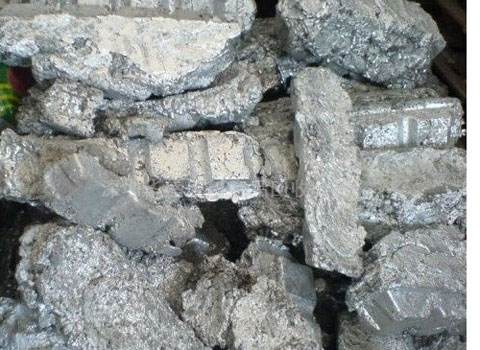
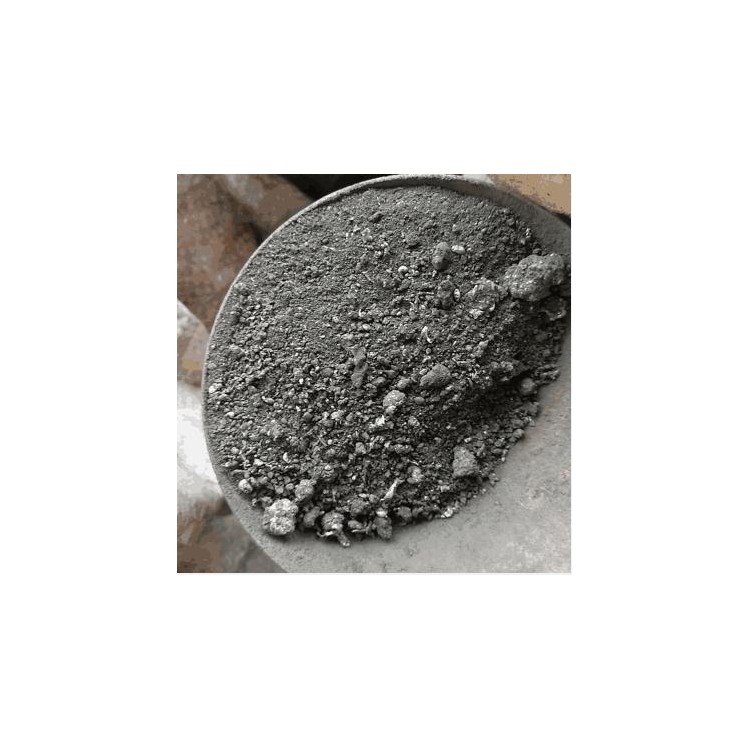
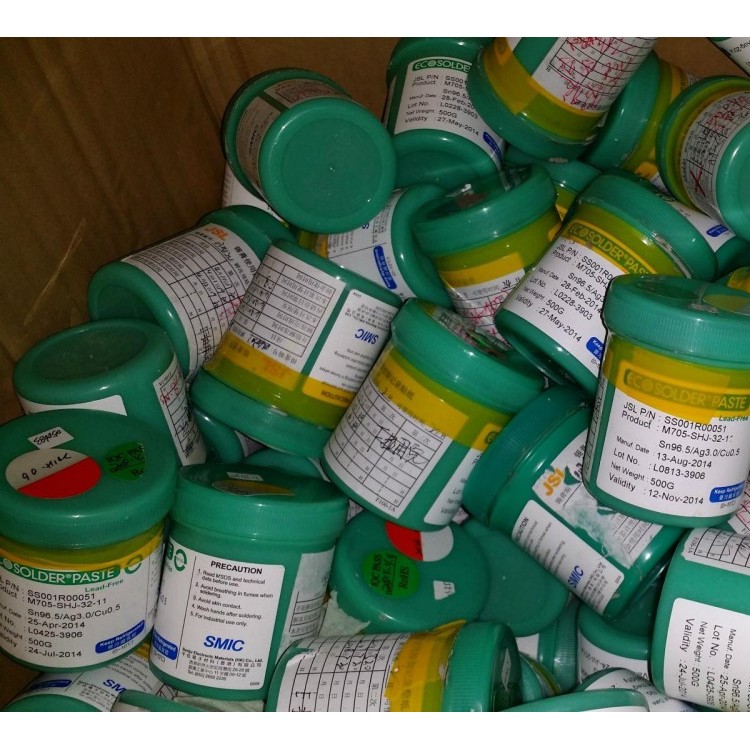
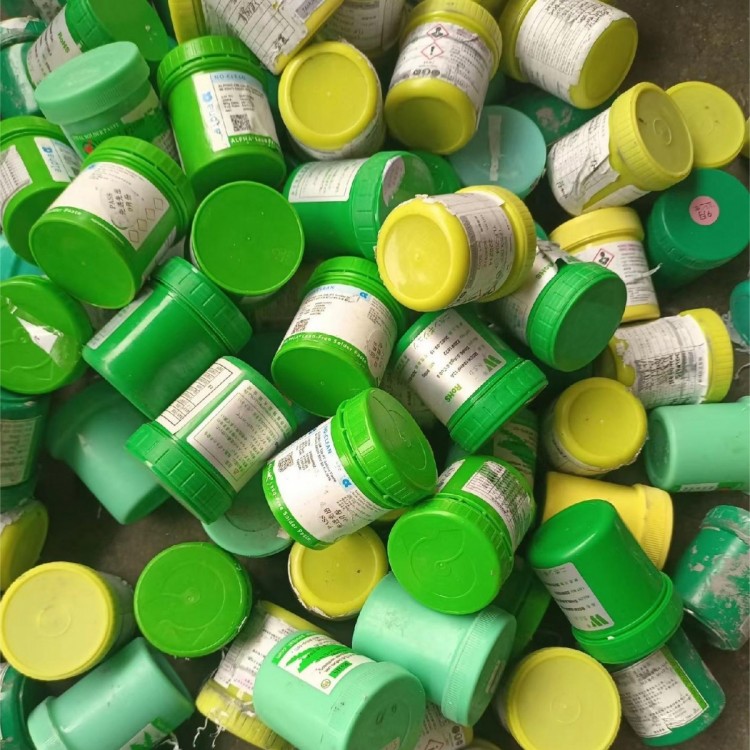
Before we begin, let's first understand what solder slag is. Solder slag is a waste material composed of lead and tin alloys, often produced in industrial processes such as welding, battery manufacturing, and printing. Due to the value of lead and tin, recycling solder slag not only reduces environmental pollution but also yields some economic benefits.
Regarding the recycling price of lead-tin slag, we first need to understand the market conditions. The recycling price is influenced by various factors, such as the purity of the slag, market supply and demand, and local recycling industry competition. Generally, the higher the purity of the slag, the higher the recycling price. Typically, the price is calculated per jin. The price may fluctuate due to market changes; please consult our service department for accurate recycling price information.
If you have lead-tin slag for recycling, you can opt for our on-site collection service. This service is convenient and fast, saving you both time and effort. Many recycling companies now offer on-site collection, so all you need to do is contact us to schedule a collection time. We will send staff to your location for the collection.
Before scheduling an on-site collection, please check the following points. Firstly, accurately estimate the quantity and weight of the lead-tin slag, as this will aid in calculating the recycling price. Secondly, clearly mark and categorize the types of lead-tin slag for the collectors to handle and sort more effectively. Make sure you have confirmed the recycling price with us to avoid unnecessary troubles due to price disputes.
In addition to on-site collection services, you can also opt to transport lead-tin slag to a recycling center for processing. Recycling centers typically have specialized equipment for handling and sorting discarded lead-tin slag. Larger recycling centers may even offer to purchase the slag, allowing you to receive economic compensation for the waste.
Recycling lead-tin slag is not only environmentally friendly but also brings you certain economic benefits. By properly recycling and processing lead-tin slag, we can reduce the exploitation of natural resources and minimize the negative impact on the environment. Additionally, recycling lead-tin slag also contributes to energy conservation and the reduction of harmful emissions.
Summarizing, this article provides a detailed overview of lead-tin slag door-to-door collection, including pricing and services. The collection price of lead-tin slag is influenced by various factors, such as purity and market supply and demand. Door-to-door collection service is a convenient and quick option, and you can arrange for collection by contacting us. Additionally, you can also choose to deliver the lead-tin slag to a recycling center for processing. Recycling lead-tin slag not only contributes to environmental protection but also brings you certain economic benefits.
Through this article's introduction, we hope you have a better understanding of lead-tin slag recycling. Should you have any further questions or need more information, please feel free to consult us. Recycling lead-tin slag is a beneficial and responsible action; we hope you will actively participate.