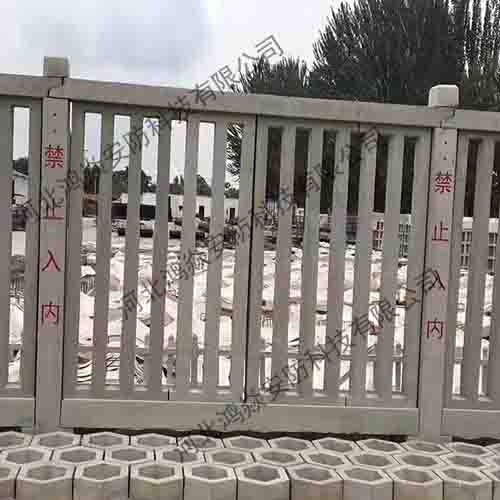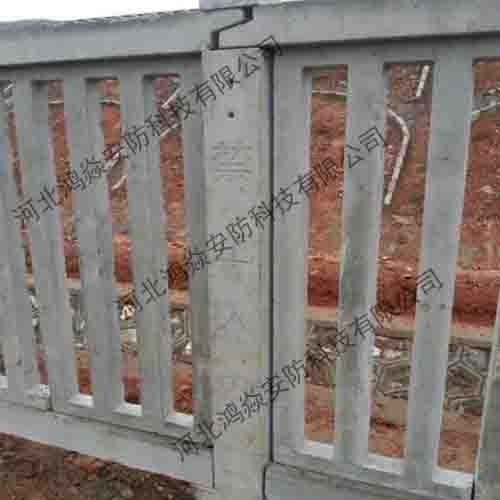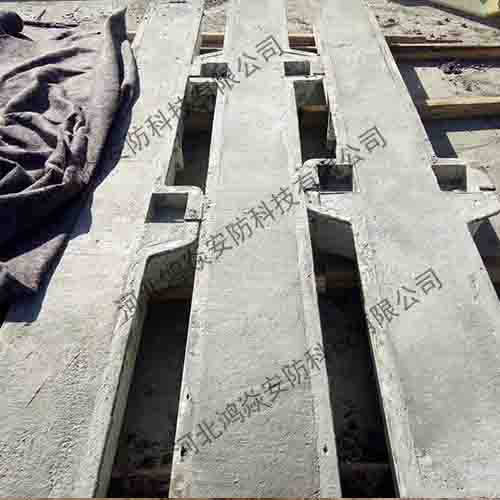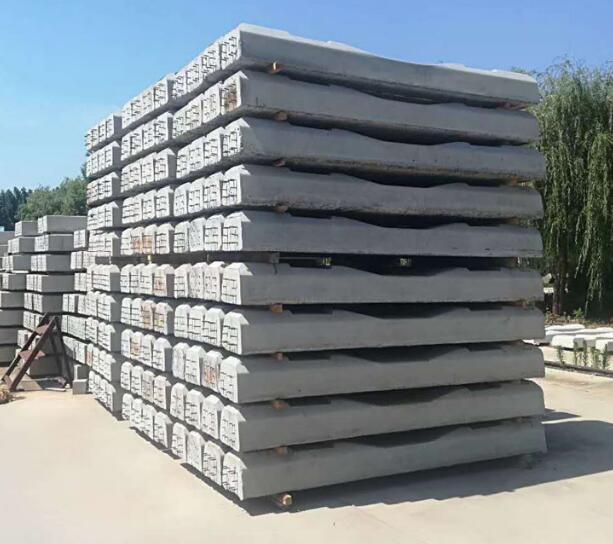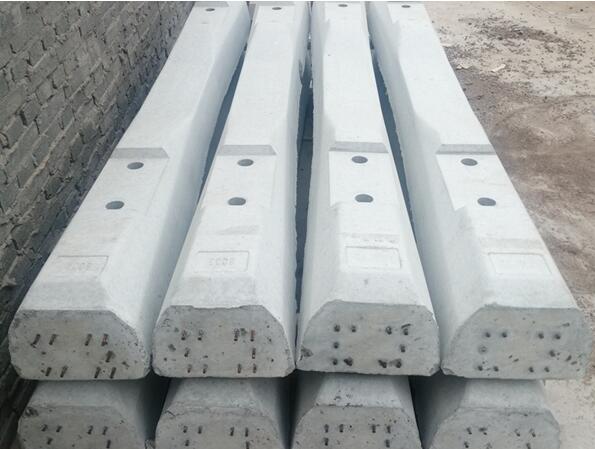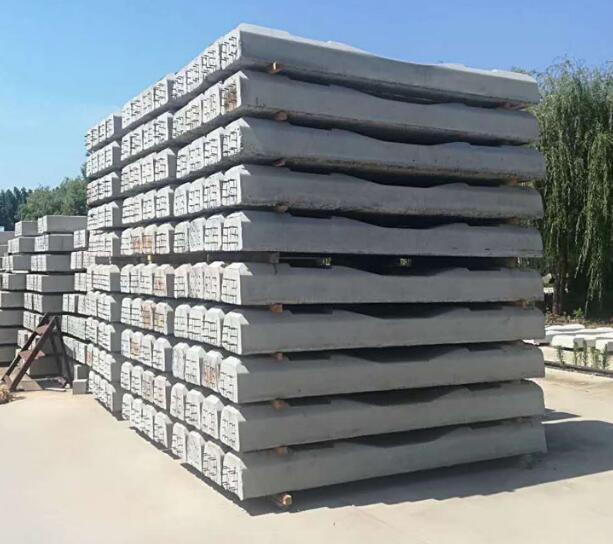

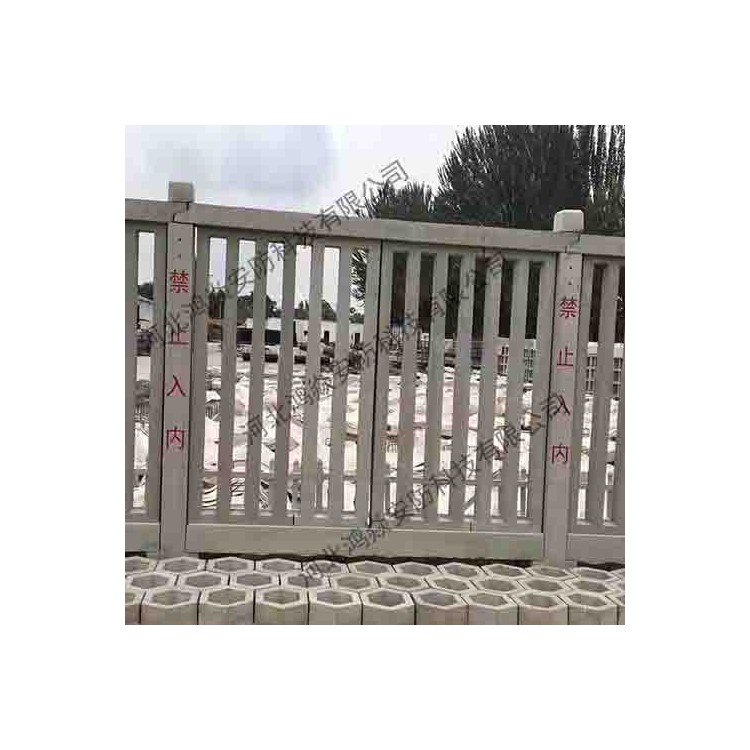






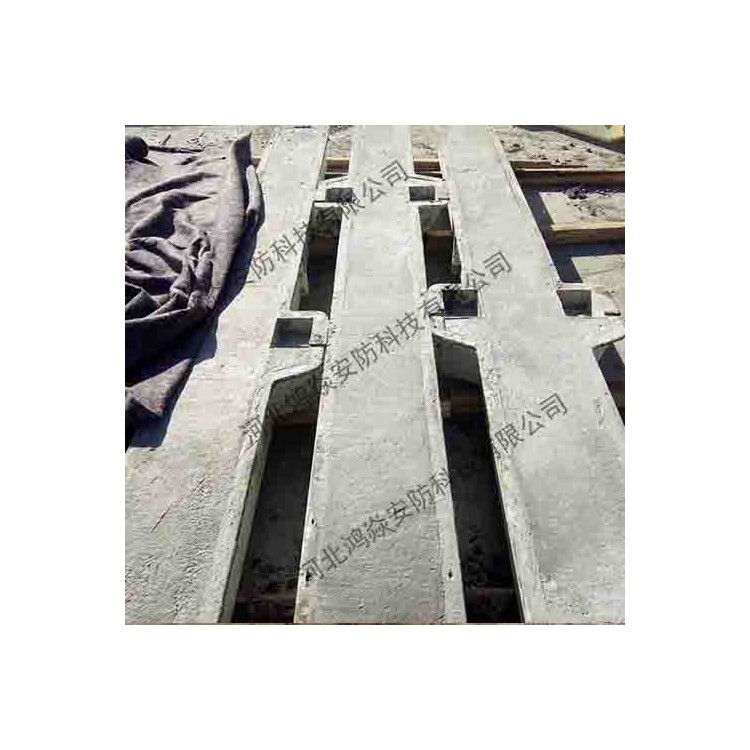
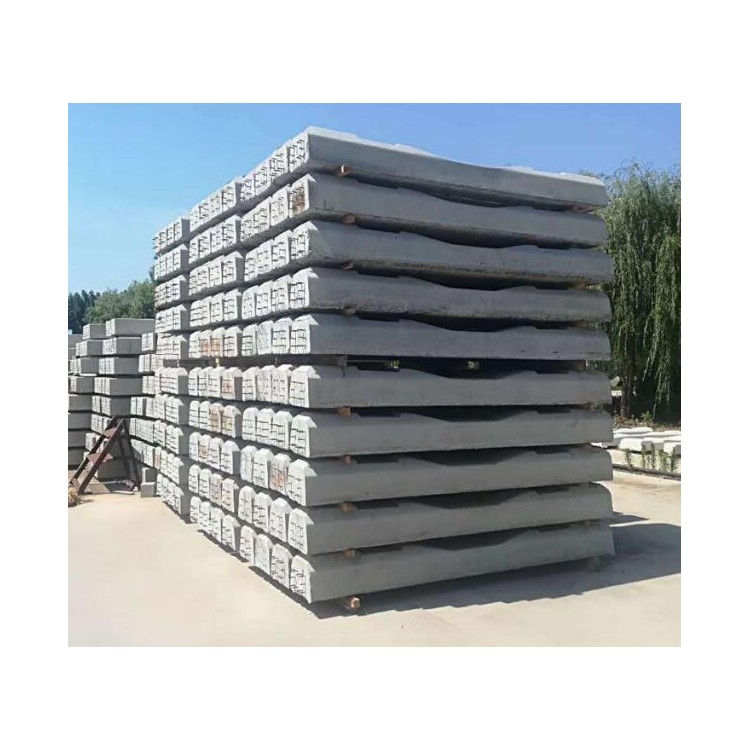
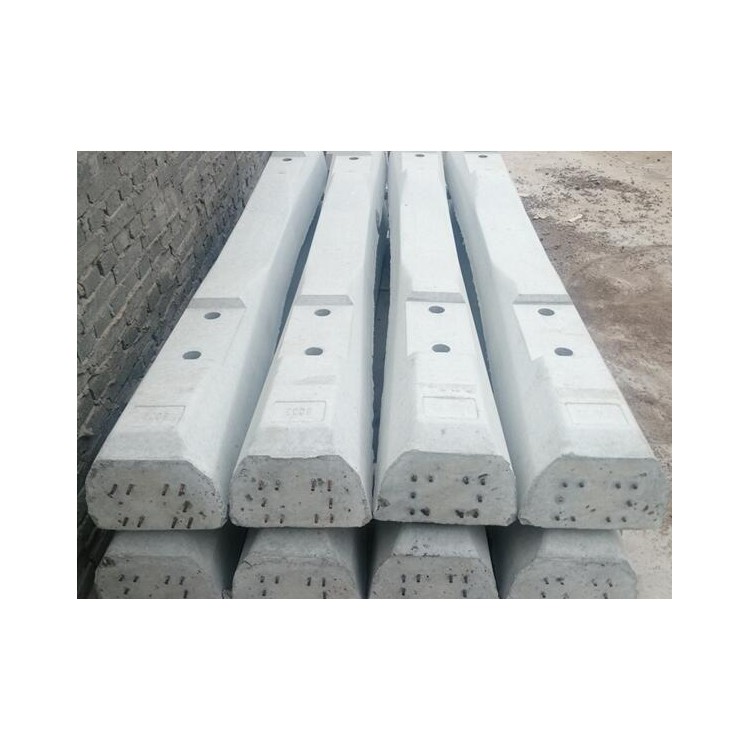
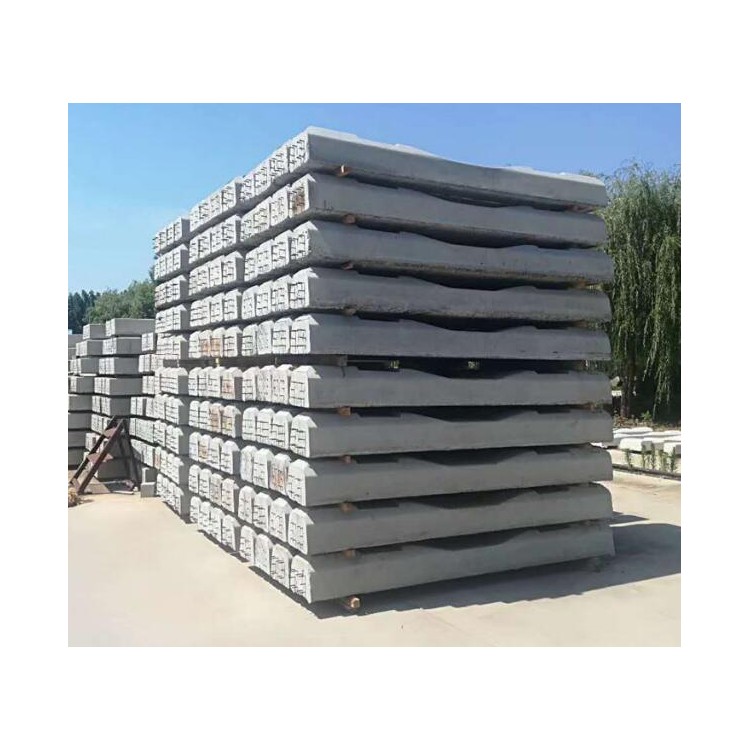
Beijing High-Speed Rail Concrete Guardrails, 2.2M Rail Roadside Cement Fencing, Under Bridge Barrier
Railway Protection Fence - Adopted Technical Standards
2.1 General Reference Drawings for Railway Engineering Construction (Railway Line Fencing) (Open Line (2012) 8001), (Bridge Under Fencing Open Line (2012) 8002).
2.2 The service life of the metal mesh panel is designed for 15 years.
3. Railway Protection Fence Technical Requirements
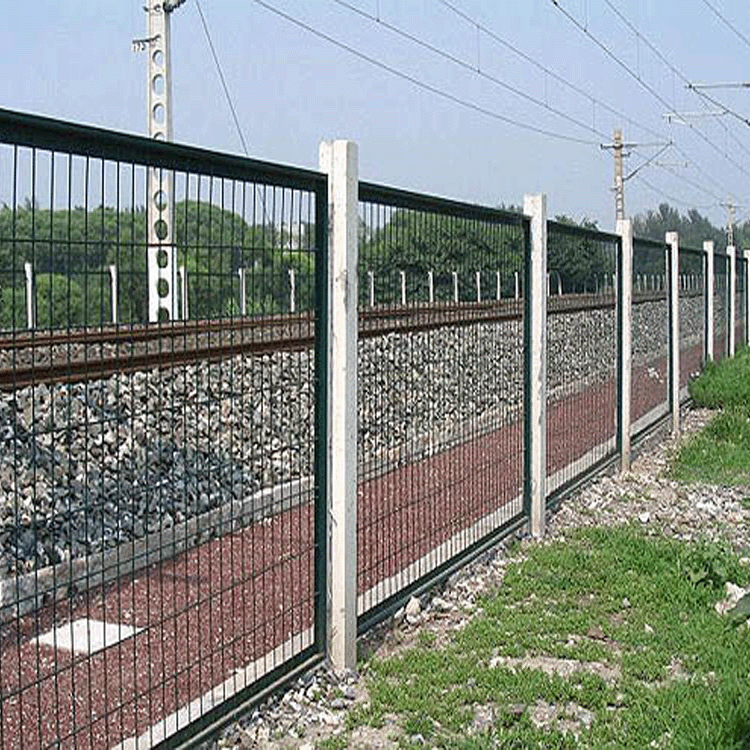
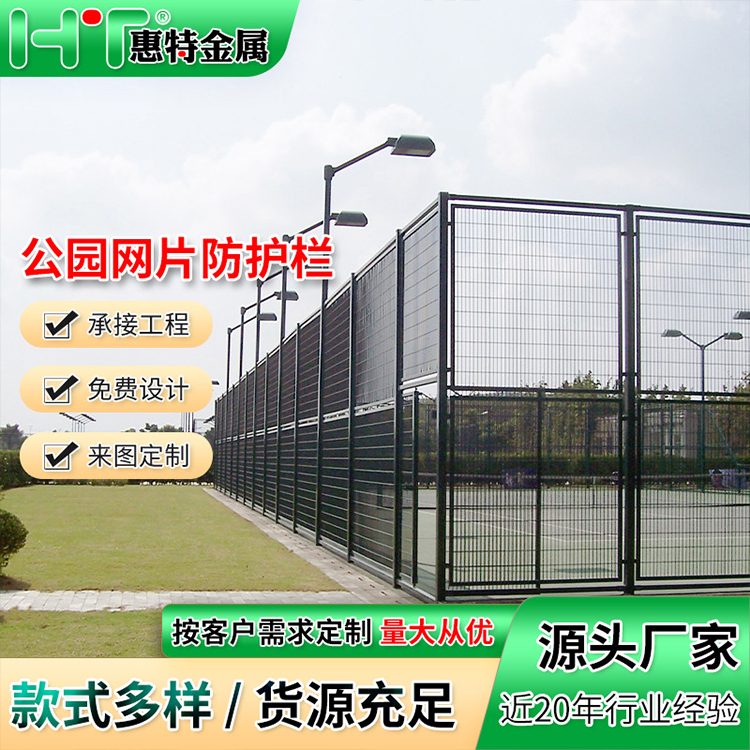
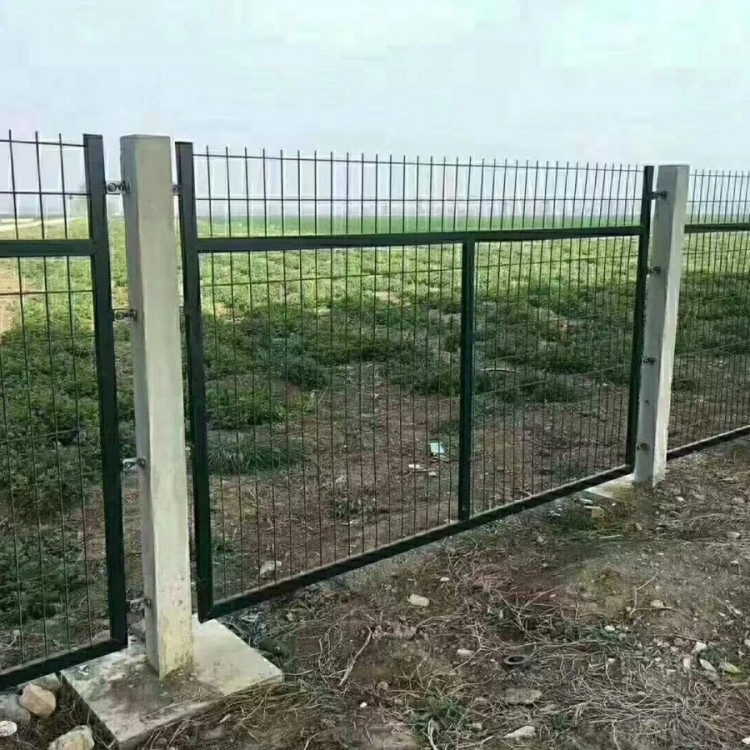
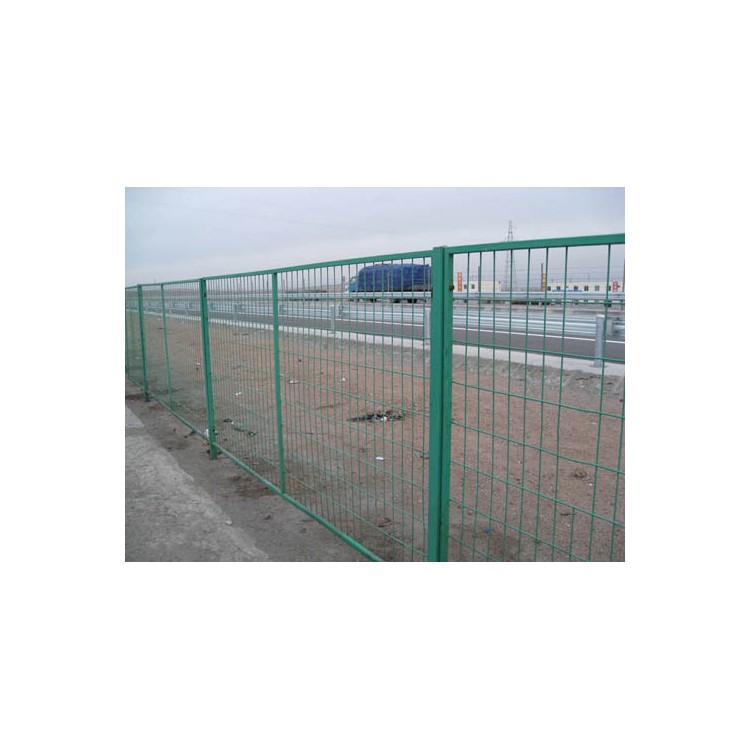
3.1 Reinforced concrete pillar metal mesh fence consists of pillars, mesh panels, and connecting parts, with a protective height of 1.8 meters.
3.2 Piling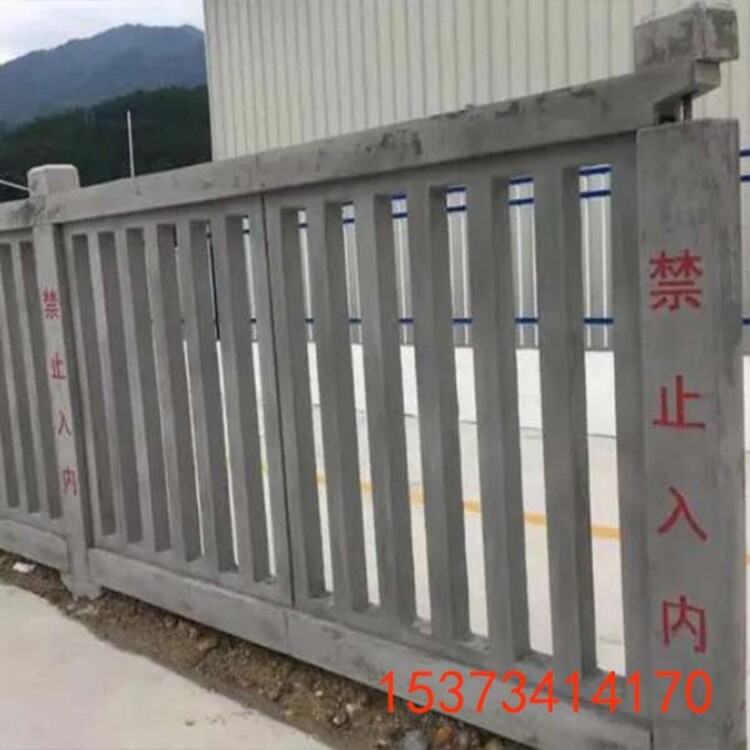
Poles are prefabricated with C30 reinforced concrete, with a cross-sectional size of 120mm*120mm and a height of 2.2m. During prefabrication, a 42mm*42mm square hole is left at the center of the top, 150mm deep. On-site installation involves inserting a 40mm*40mm square tube with a connecting plate and a sealed end, filling the gaps with half-seal water material. The square tube specifications are 40mm*40mm with a thickness of 2.5mm. The rectangular tube is inserted to a length of 150mm, with the exposed section bent outward at 30 degrees, reaching a vertical height of 300mm.
3.3 Metal Mesh Sheets
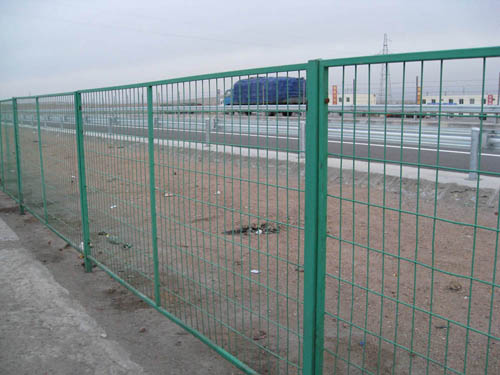
Metal mesh panels are constructed with Q235 rectangular tube frames, 30mm x 50mm in size, and 2.0mm thick. The internal wire mesh is made of cold drawn HPB300 6.5mm high-tensile steel wire, 75mm x 150mm in size (diameter 4.0mm), with a 30° outward fold at the top and a vertical height of 300mm.
3.4 Connector plates and bolts.
Pole connecting plates and mesh connecting plates are made of 90° bent Q235 steel plates with a thickness of 4.0mm, available in three types: A, B, and C, depending on the application location. Both the connecting plates and bolts are made of Q235 steel and are galvanized, with a zinc coating of 270g/m².
Connect plate precision requirements: Length tolerance ≤ 1.0mm, width tolerance ≤ 0.5mm, thickness tolerance ≤ 0.5mm, hole position deviation ≤ 1.0mm.
3.5 The metal mesh and grille door mesh should be fully galvanized and then undergo hot-dip galvanizing (or spray painting) treatment after forming. The galvanizing amount should be 270g/m2, the immersion coating thickness should be 0.8mm to 1.2mm, and the spray painting color should be chosen as black green. The coating should be even, with consistent color, smooth surface, free of drips, lumps, powder bubbles, and iron leakage defects.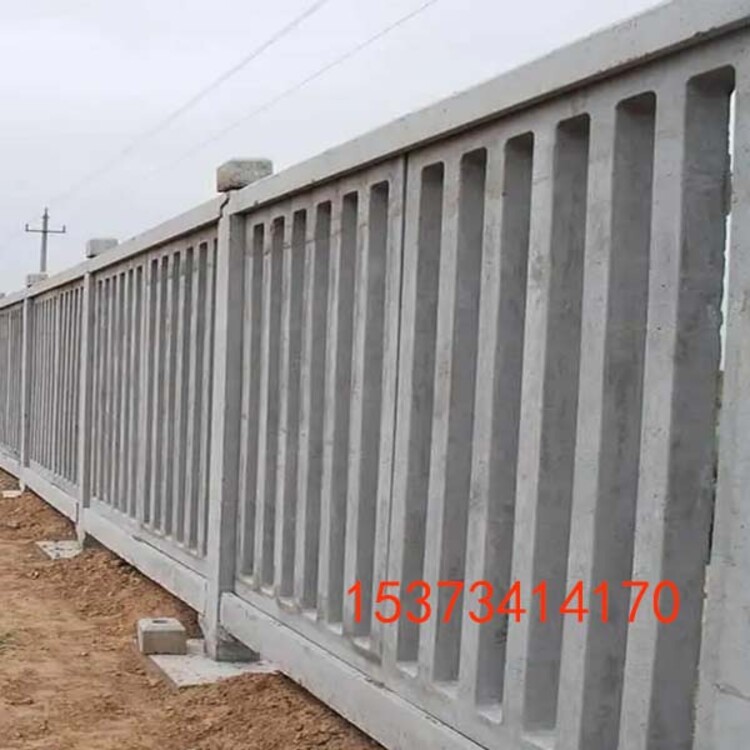
Mesh manufacturing precision requirements: Length tolerance ≤ 2.5mm, height tolerance ≤ 3.0mm.
Sheet flatness requirement: Elevation or depression ≤5.0mm.
Cold drawn steel wire diameter tolerance before galvanizing ≤0.06mm. Welded wire mesh tolerance ≤3.0mm.
When welding the connecting plates of the welding mesh, the welding position of the connecting plates should be strictly controlled at the designed location, with the position error ≤ 1.5mm.
The welding of rectangular tube frames with connecting plates, wire mesh with steel plates, and wire mesh with rectangular tube frames should be done using resistance welding. If brazing is used, appropriate brazing rods should be selected to minimize deformation. After welding, slag should be cleaned up. Deformation caused by welding should be flattened. To ensure sufficient strength of the wire mesh itself, the strength of the welding points should be greater than 1kN, and the number of dropped welding points should be less than 4%.
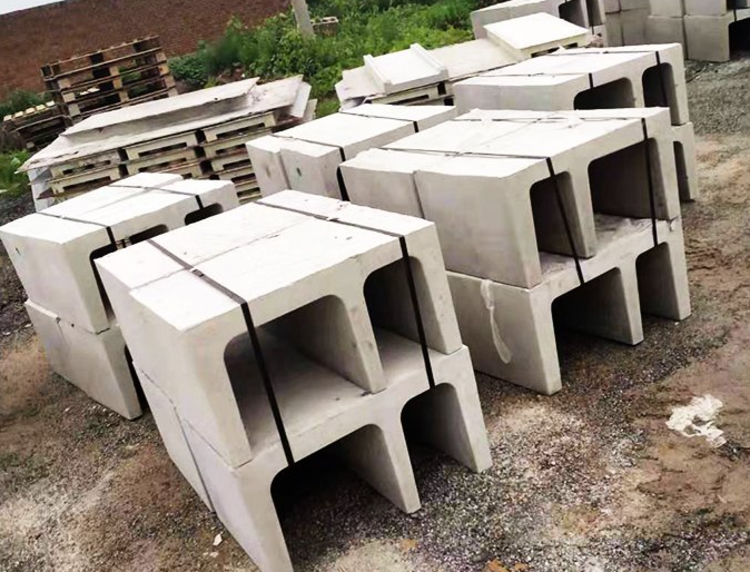
Related Products: Rail Isolation Fence, Reference Diagram for Rail Line Protection Fencing