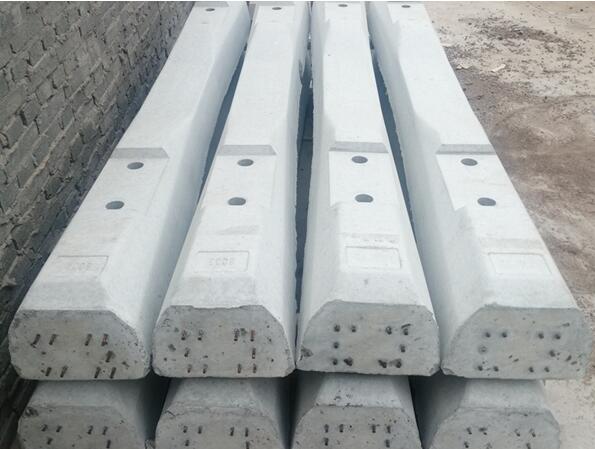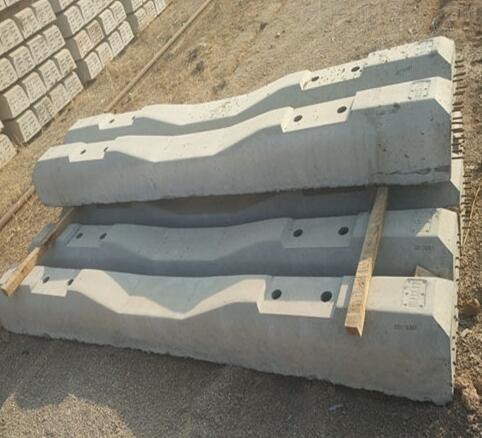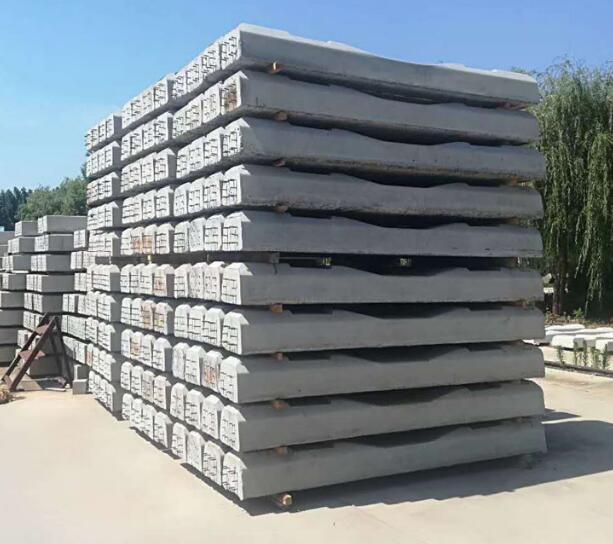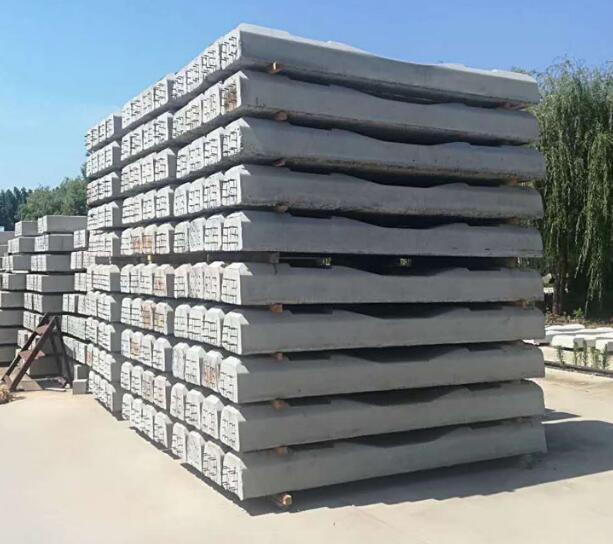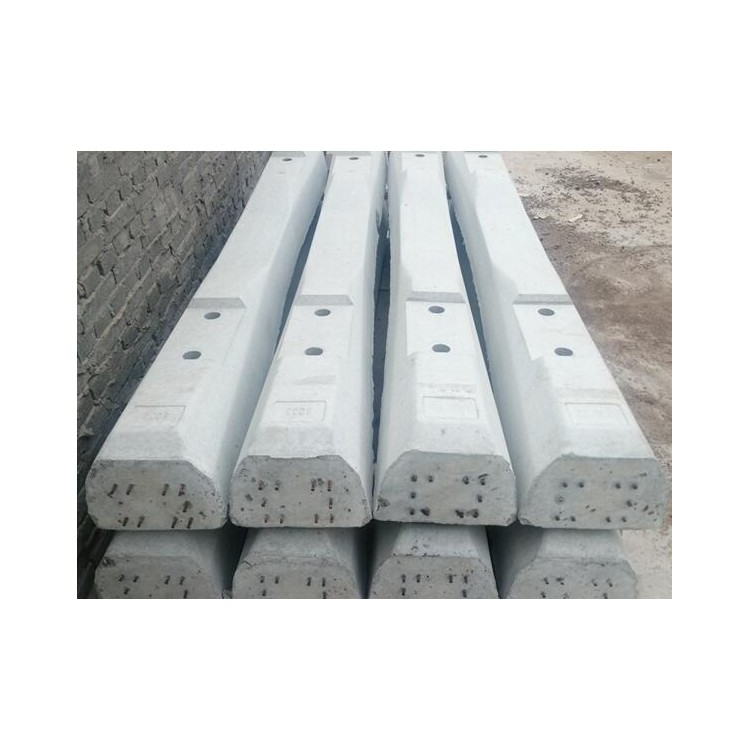

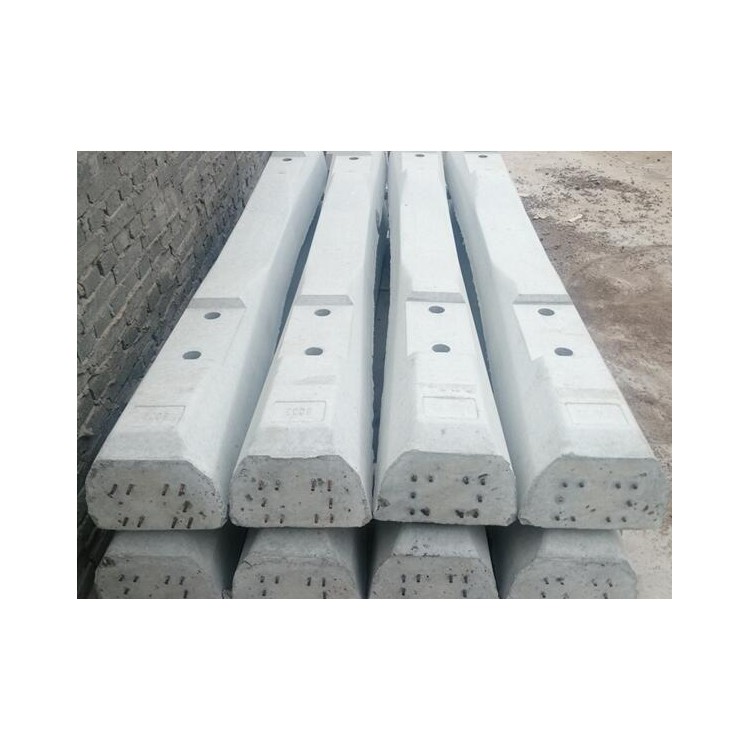









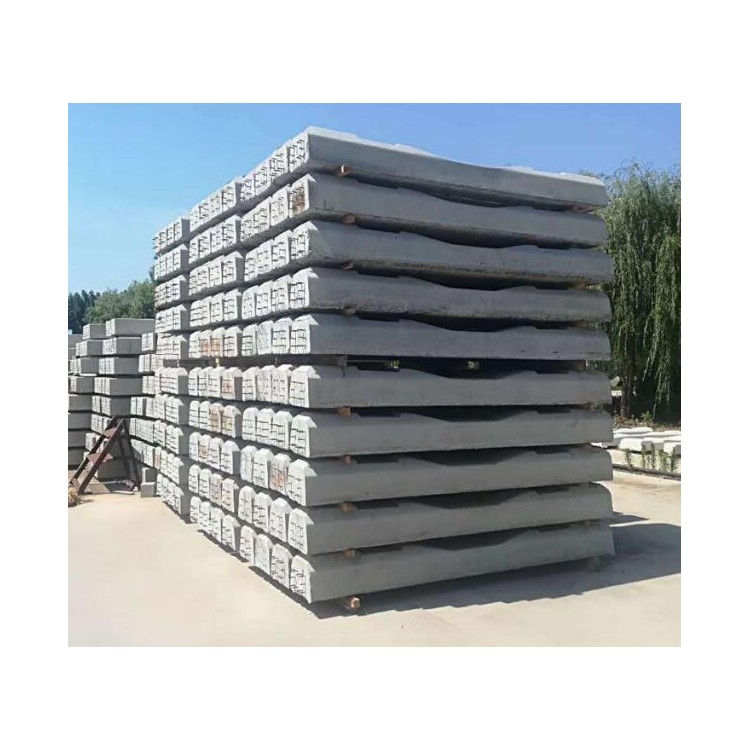
Manufacturer Model Ⅲ Railing Sleepers, a type of sleeper, widely used, typically 2.6 meters in length, featuring:
Feature 1: Enhanced structural integrity and track reinforcement. The increased length and appropriately widened base have resulted in a larger under-slab support area, end-side area, and single sleeper weight. Consequently, this significantly reduces cumulative deformation in the bed tracks, thereby improving track stability.
Feature Two: WithCompared to Type II rail sleepers, the bearing capacity of the bottom and middle sections has been increased by 43% and 65% respectively, thereby enhancing the overall strength of the rail sleepers.
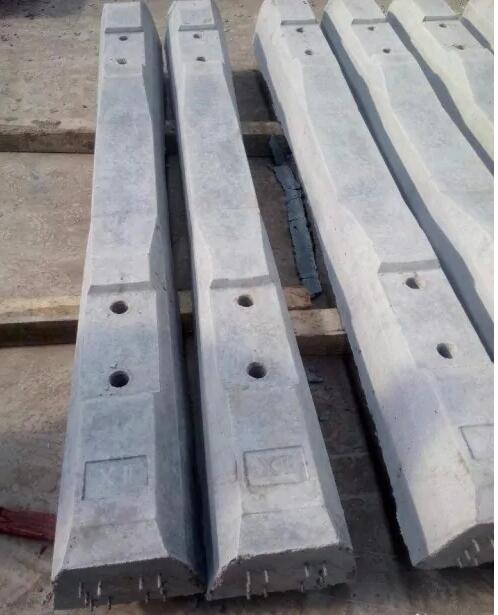
Feature Three: Utilizes bolt-free fasteners, preventing longitudinal and lateral movement of the track, maintaining the track's geometric dimensions and thereby reducing maintenance requirements.
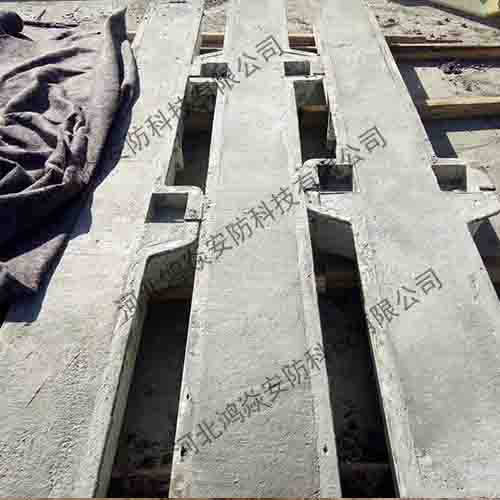
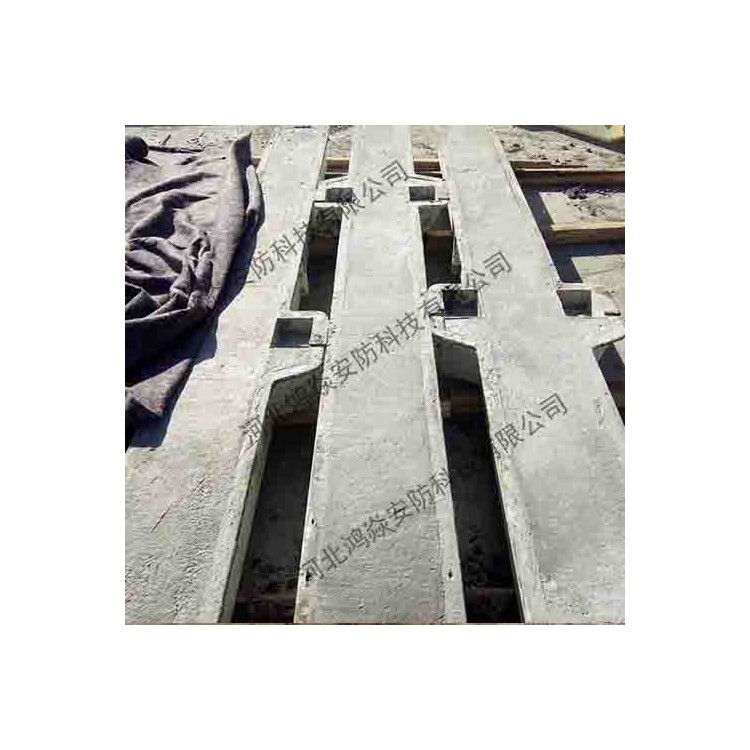
Passenger Dedicated Lines feature ballasted crossing sleepers, which are a type specifically used on passenger dedicated lines. As for its appearance, the image above has already showcased it, allowing everyone to understand its look. However, some fundamental aspects still require an introduction and explanation, as well as details related to the crossing sleepers themselves. Let's delve into the specific content below.
Rim sleepers, which are typically used on railway switch tracks, have a different structure from standard sleepers. Currently in China, wooden rim sleepers are predominant, but concrete and steel rim sleepers are also being developed.
Wooden cross tie: Its cross-section is similar to that of a common wooden tie, and its length is12 grades, ranging from 2.6 to 4.8 meters, with each grade differing by 0.2 meters. The connection with the pad board is made through threaded dowels.
Concrete turnout sleepers: ItThe maximum length is 4.9 meters, and it has increments, each step differing by 0.1 meters, but it takes the form of no shoulders. The top surface of the concrete crossover ties is flat, and it also includes components such as plastic sleeve pipes.
Steel crossover sleepers: Developed primarily to meet the installation requirements of electrical conversion equipment, their outer width must be well-controlled to ensure sufficient tamping space between adjacent sleepers.
The spacing of the sleepers is also a crucial aspect; it must be well-controlled to ensure the uniform rigidity of the substructure beneath the track. Additionally, the track gaps should be centered in the spacing.