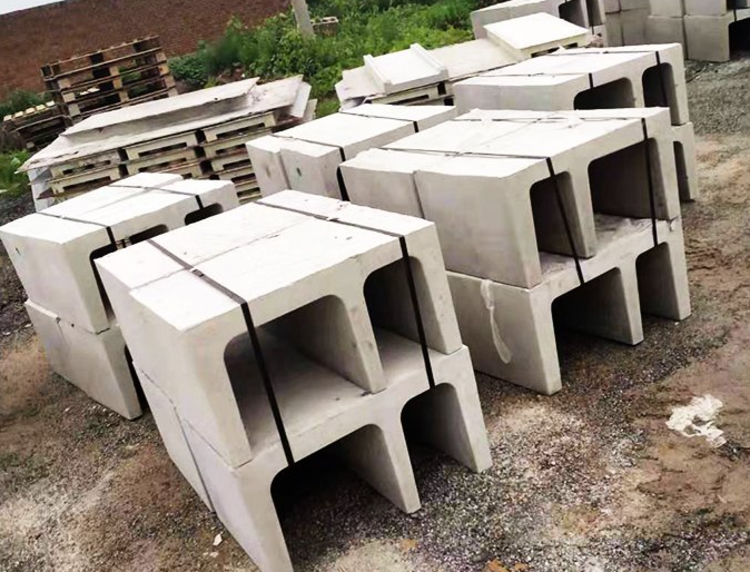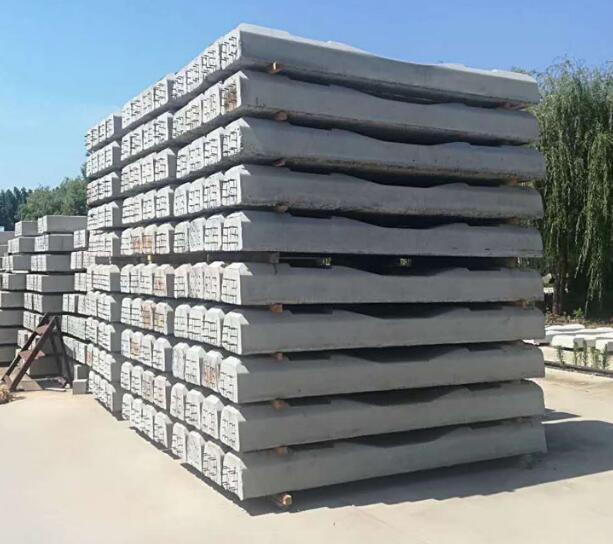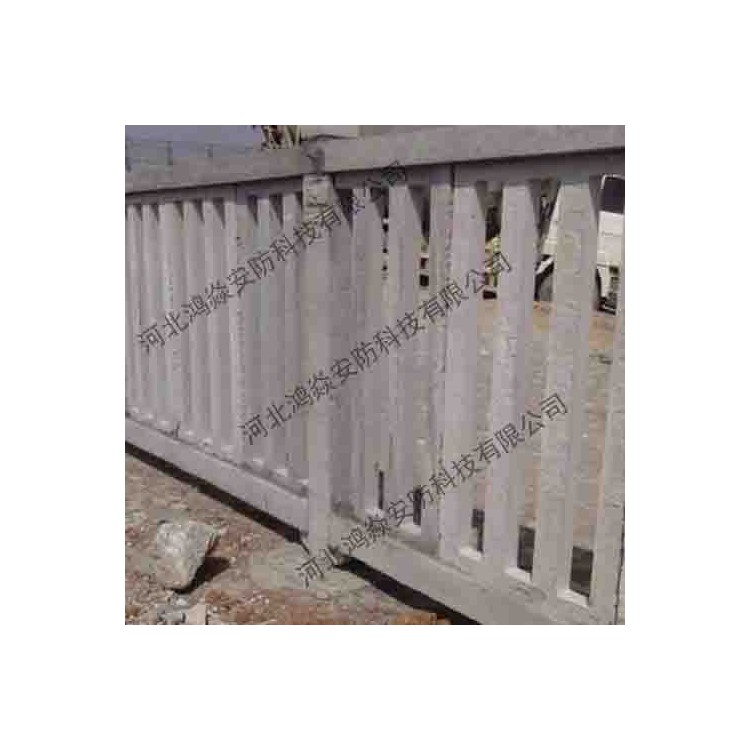

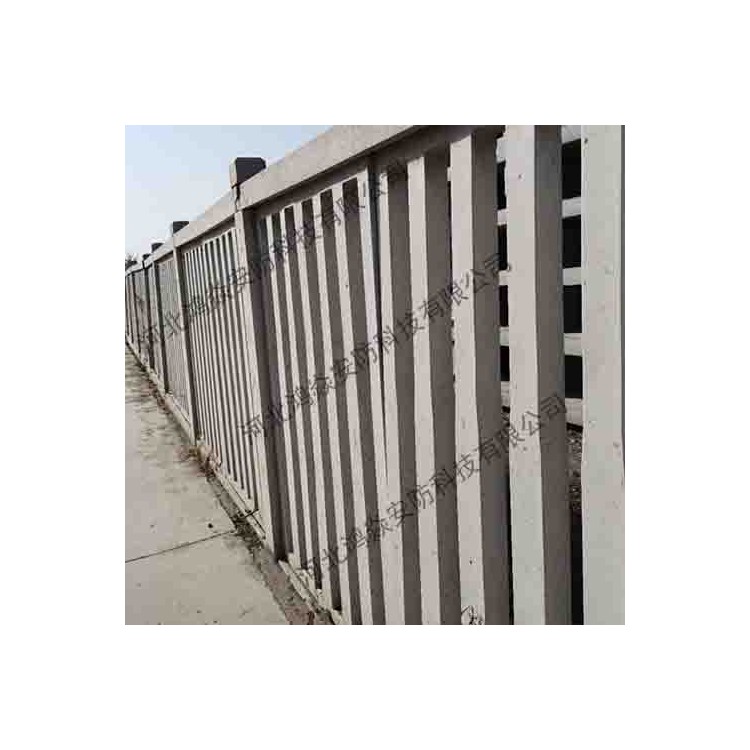









Manufacturer [153*7341*4170]Railroad Concrete Ballast Fence (Highly Praised) High-Speed Rail Cement Ballast Cable Duct Manufacturer Taiyuan
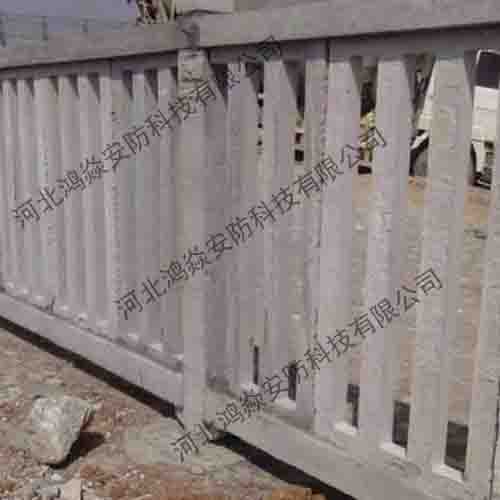
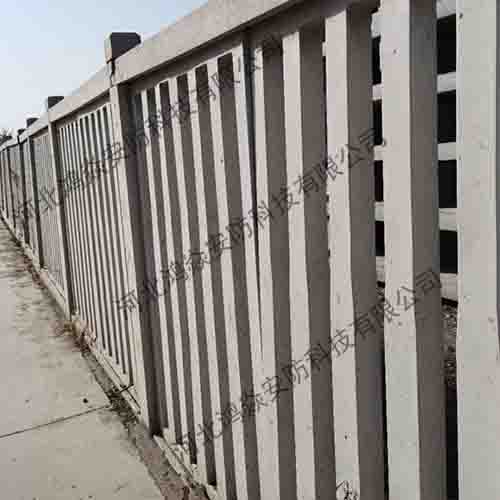
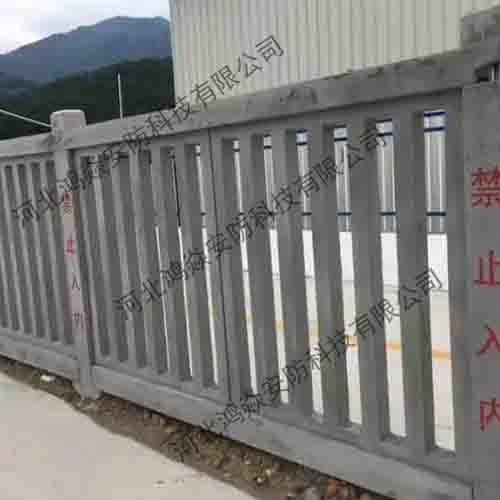
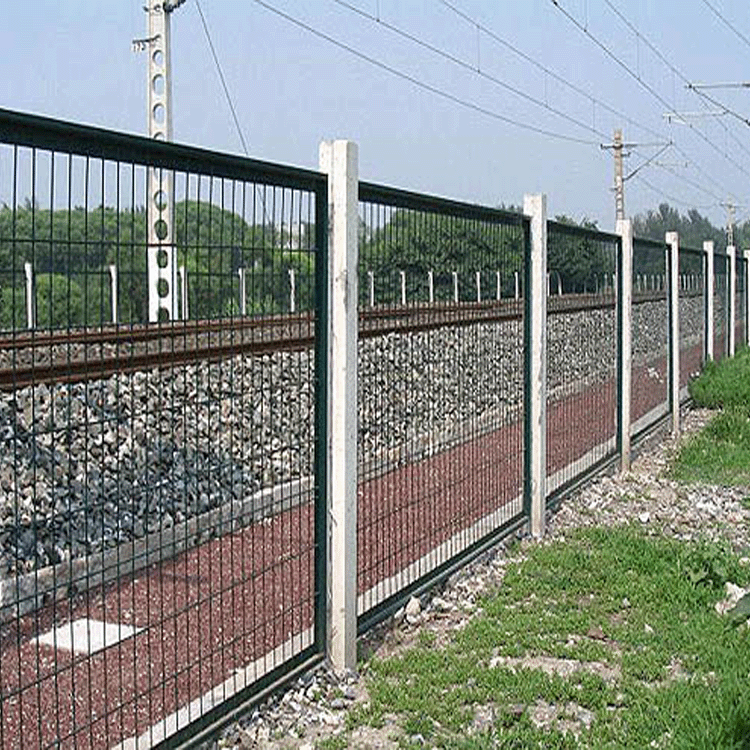
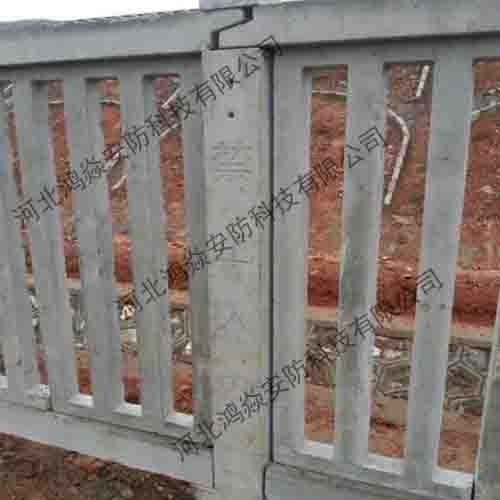
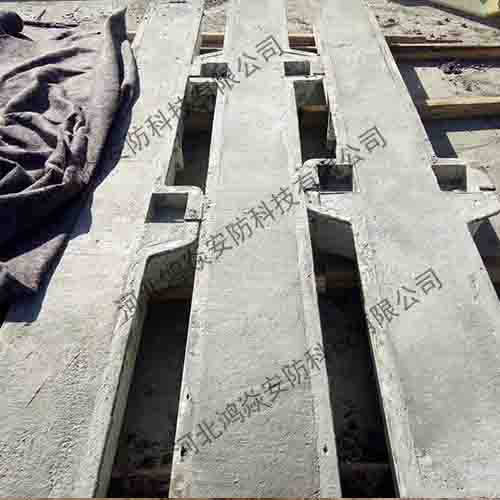
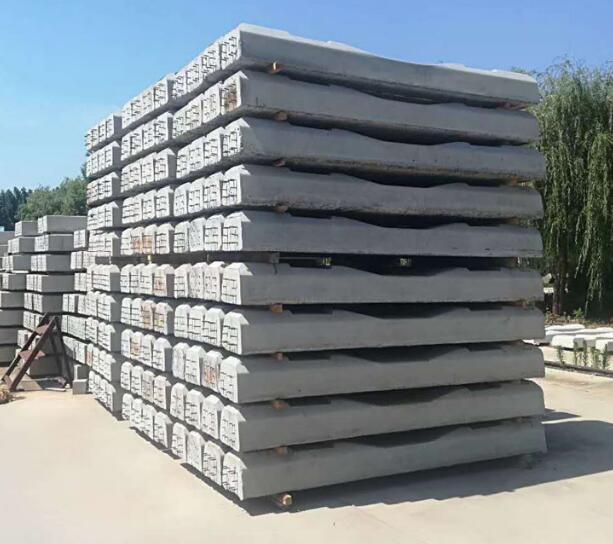
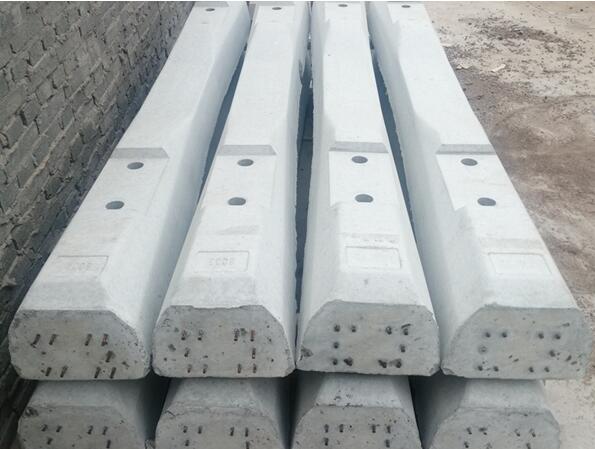
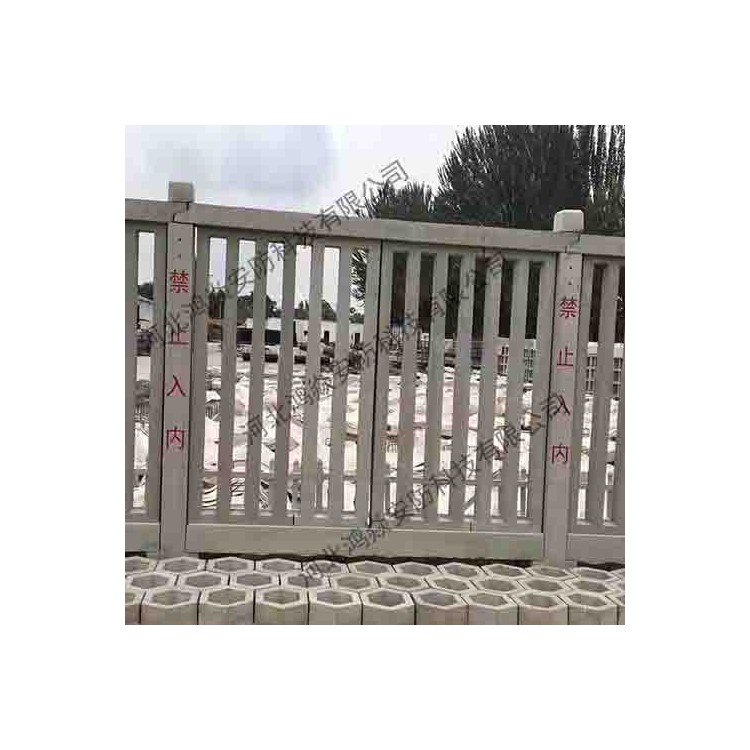
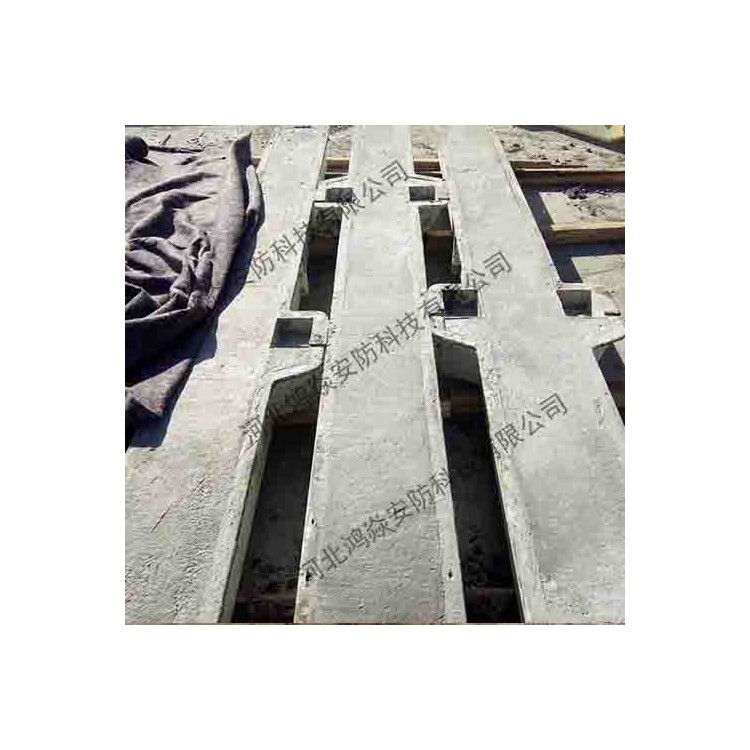
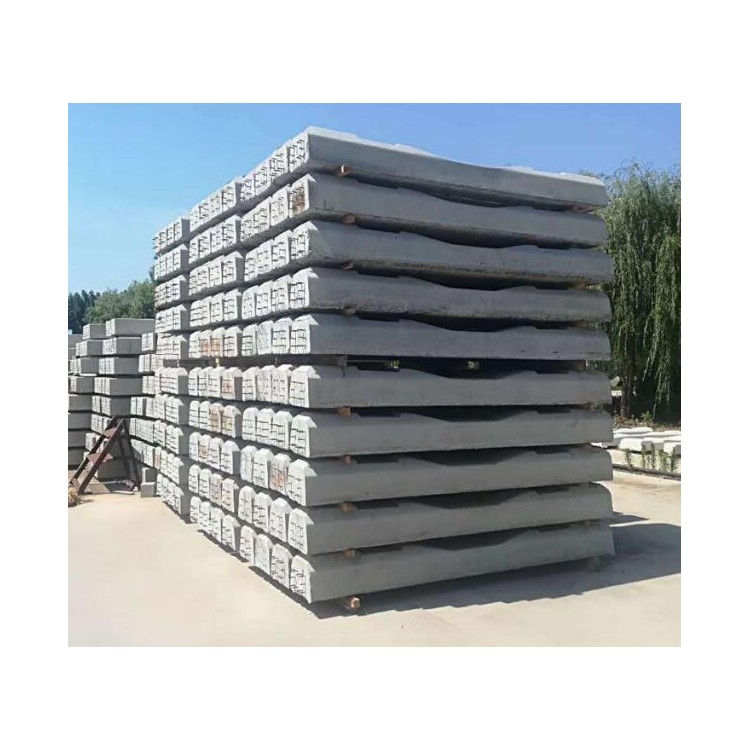
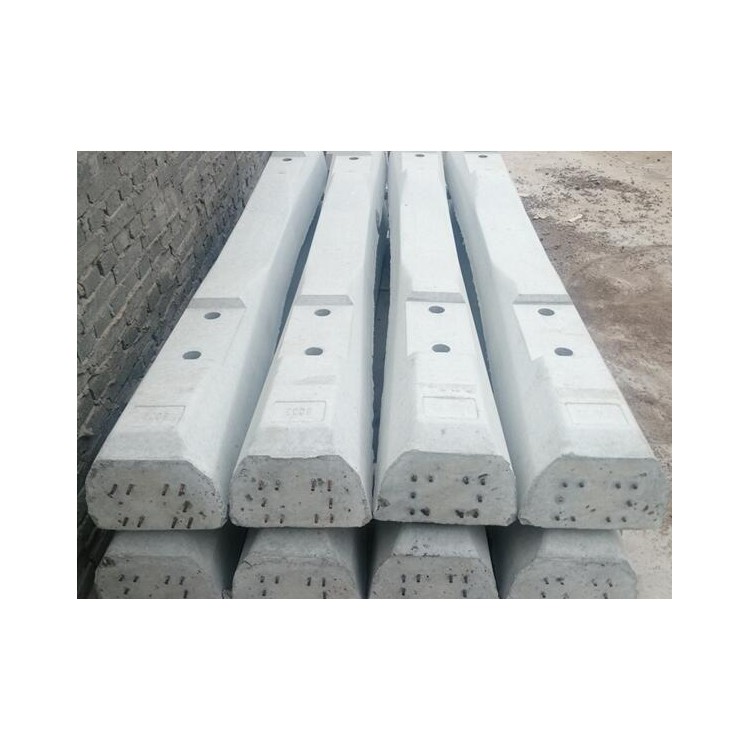
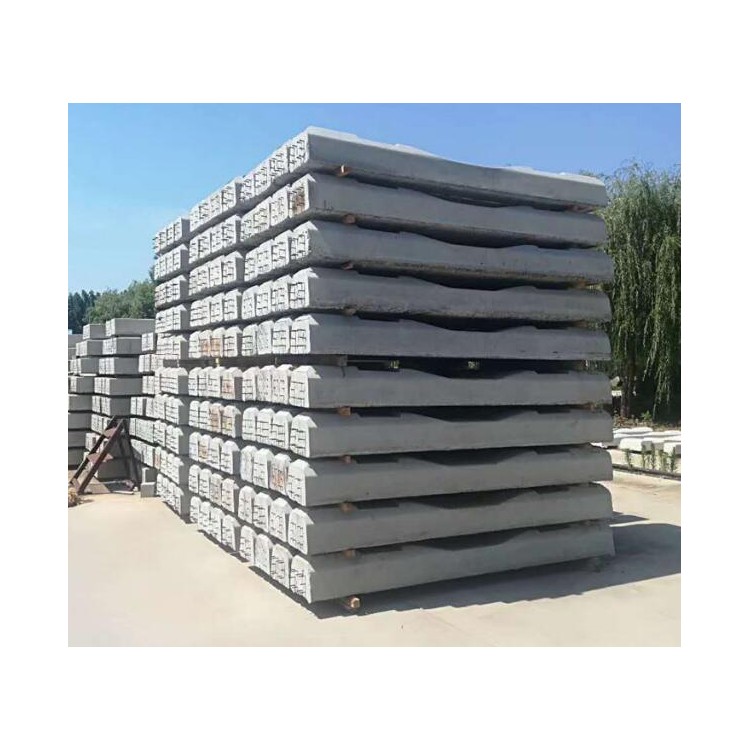
One kilometer of railway cement protection fence consists of 333 units. Each unit includes one post, one top rail, one bottom rail, one cap, two fence panels, and a roll of barbed wire. The price per kilometer is approximately $250,000 to $300,000, subject to changes due to factors such as season and raw material prices. Please call the company's customer service for the railway cement protection fence price. Our prices are fair, and our product quality is reliable.
2012 "Railway Line Protection Fence" [General Reference Drawing (2012) 8001]!
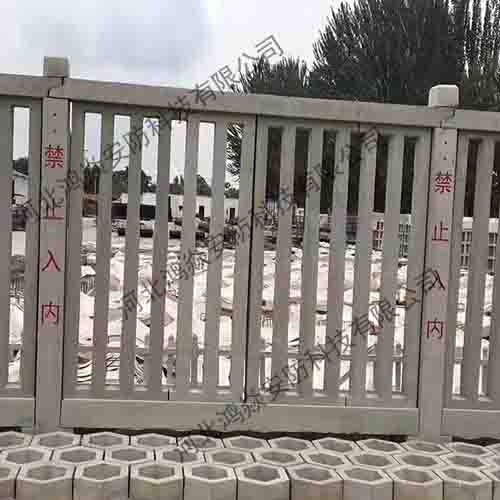
Assembly Regulations: The railway fence specifications have been revised from the previous welded wire mesh fence, razor wire mesh fence, and other products to a defensive, long-lasting option: reinforced concrete fence + a protective fence with a 0.5-meter-high razor wire roll cage. Detailed contents are as follows: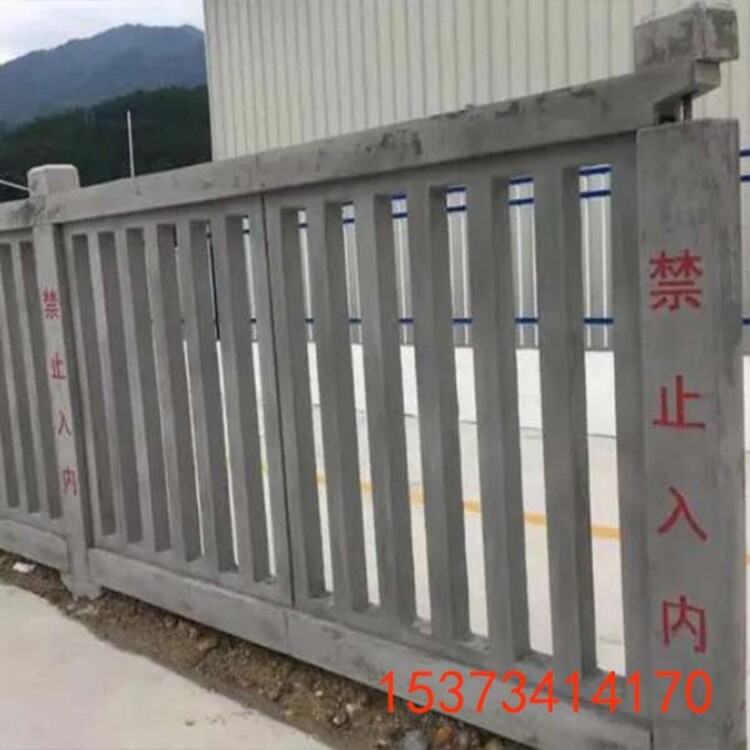
(1) The barbed wire roll cage is formed by wrapping the blade wire around the coil, with adjacent circles connected by a barbed wire clip at 120° intervals. When opened, it forms a snake-like mesh. When closed, the diameter of the blade wire coil is 50cm, and the spacing between each intersecting circle when opened is 20cm, with a diameter of no less than 45cm.
(2) The blade wire mesh is formed by mechanically rolling stamped steel sheets onto steel wire. The blade width is 22mm, the vertical spacing between the two blades is 15mm, the longitudinal spacing of the blades is 34mm, and the core wire diameter is 2.5mm. The blades are cut from 0.5mm thick Q195 steel plate, and the core wire is processed from HPB300 ø6.5mm high-strength steel wire.
(3) The barbed wire roll cage is connected by barbed wire clips to the longitudinal tension bars fixed on the supports. The connection between the longitudinal tension bars and the supports is made using ø2.5mm cold drawn galvanized steel wire, twisted around twice and then tightened. The supports are positioned at the columns and mid-span of the 3m span security fence, with additional spans only at the upper part of the columns. The supports and the security fence are connected using support clamps.
(4) The lower edge of the barbed wire roller is 0.05 meters vertically from the top edge of the reinforced concrete protective fence.
The prefabricated railway line protection fences should be transported to the site for installation in accordance with the "Management Method for Railway Line Protection Fences."
A 2.2m high reinforced concrete barrier with barbed wire roll is used on flat terrain. This barrier offers good stability and is suitable for most areas, but has poor climbing ability; ground slopes should not exceed 12°. For slopes of 6° or less, the barrier unit length is 3.0m, while for slopes between 6° and 12°, the barrier unit length is 1.59m.
Step-type concrete guardrails with a height of 2.2 meters and wire mesh rolls are used on sloping sites with significant elevation changes and slopes exceeding 12°. Standard reinforced concrete guardrails are no longer suitable for such terrain variations, and special guardrails are required to alleviate the issue of the lower rail being too high off the ground due to the increased slope.
8001 Rail Line Protective Fence
Design for sparsely populated areas: When railways cross mountainous areas, deserts, or other locations where there is no human or animal traffic year-round, the cost of setting up reinforced concrete guardrails is high and the utilization rate is low. In accordance with the principle of economic rationality, it is advisable to consider installing 1.8-meter-high reinforced concrete pillar metal mesh guardrails in these areas.
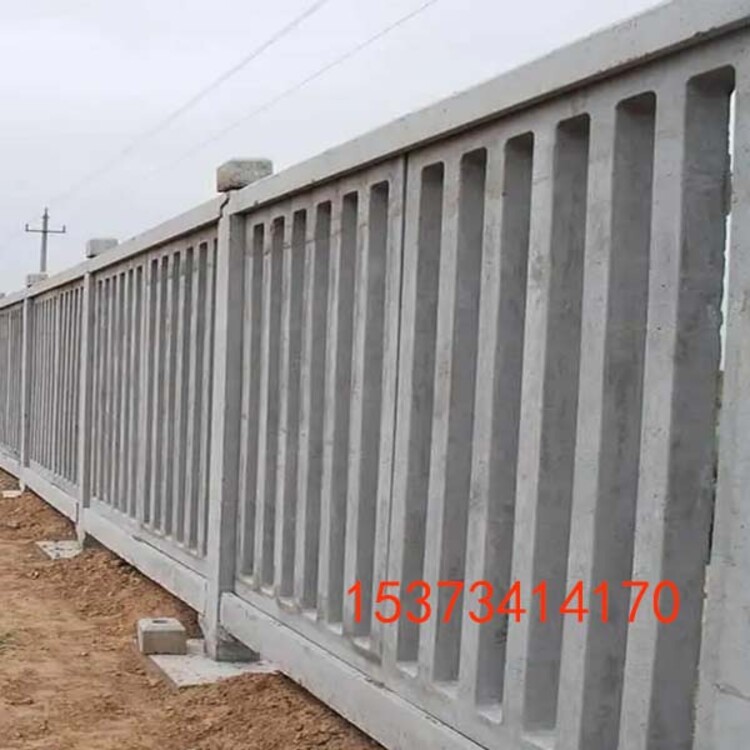
Population-dense areas and special location arrangements
For special locations near villages and towns, densely populated areas, both ends of stations, and both sides of elevated interchanges underpasses, a 2.2-meter-high reinforced concrete barrier with barbed wire rolls can be considered. Alternatively, individual structural designs can be adopted for the fence, with enhanced strength and a height not less than 2.7 meters.