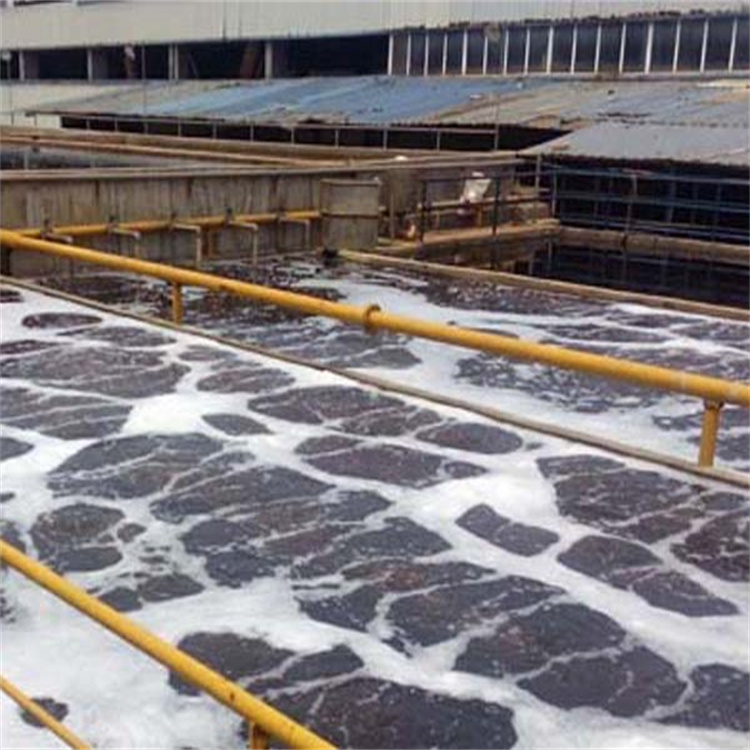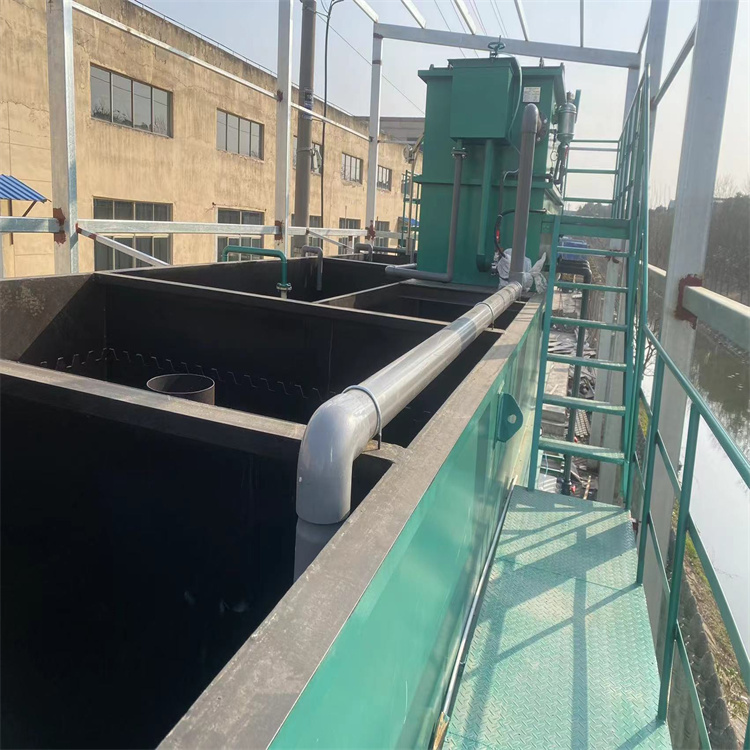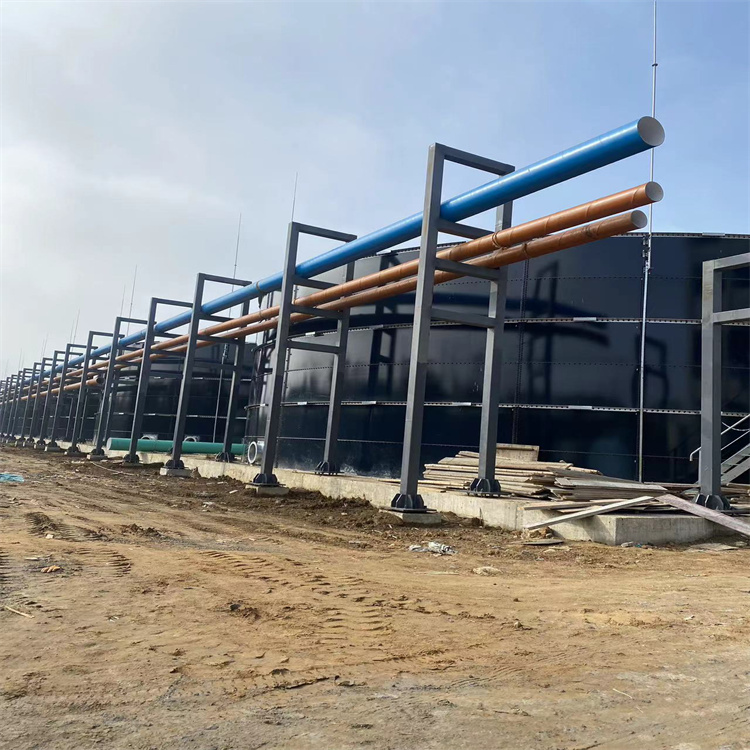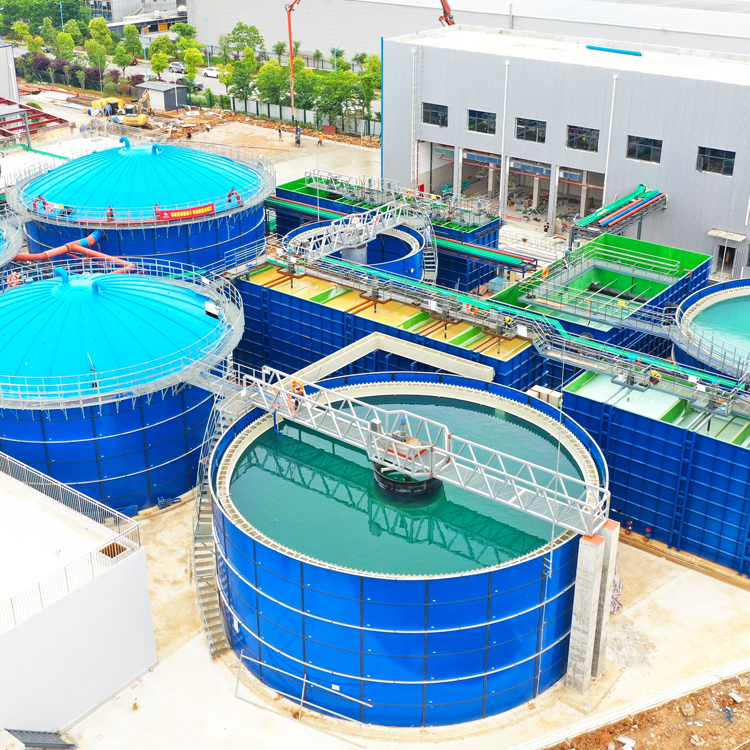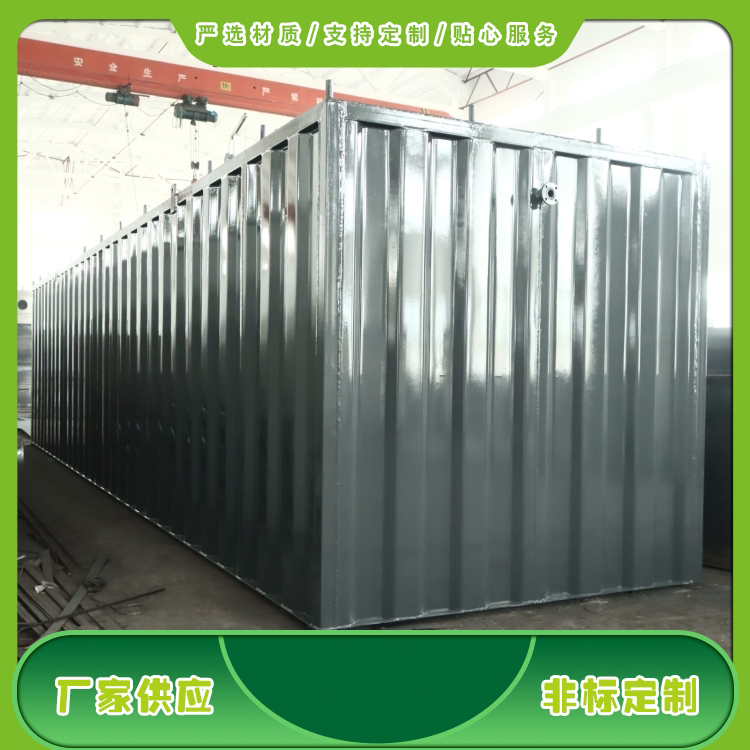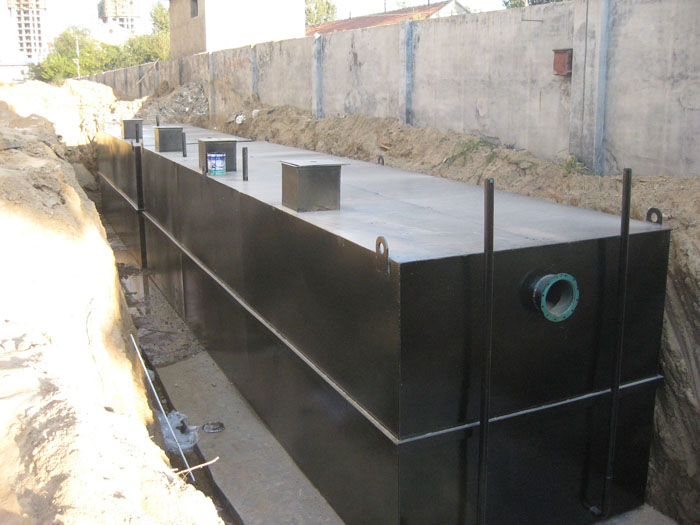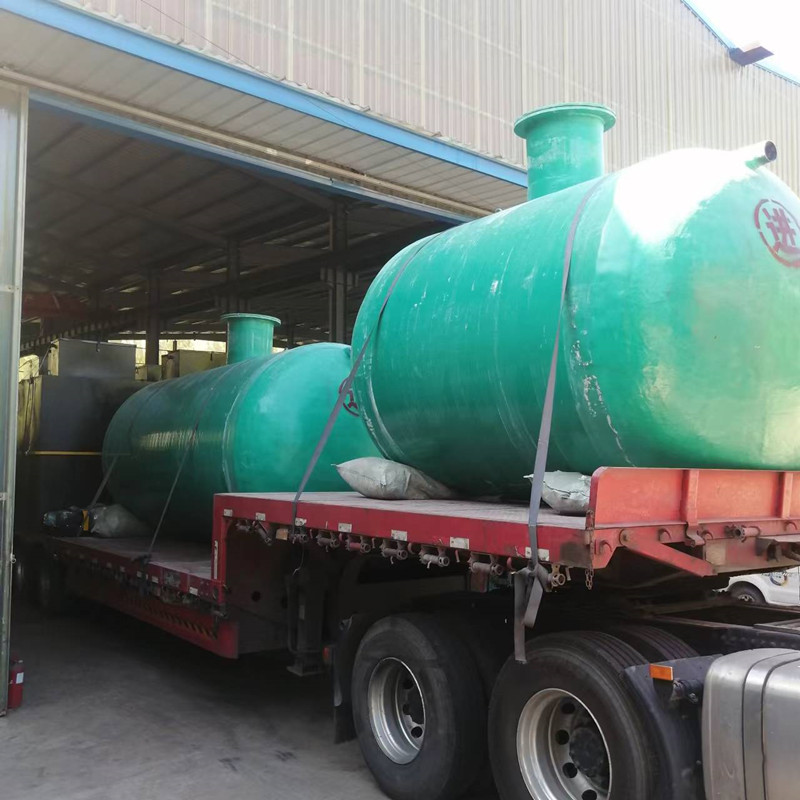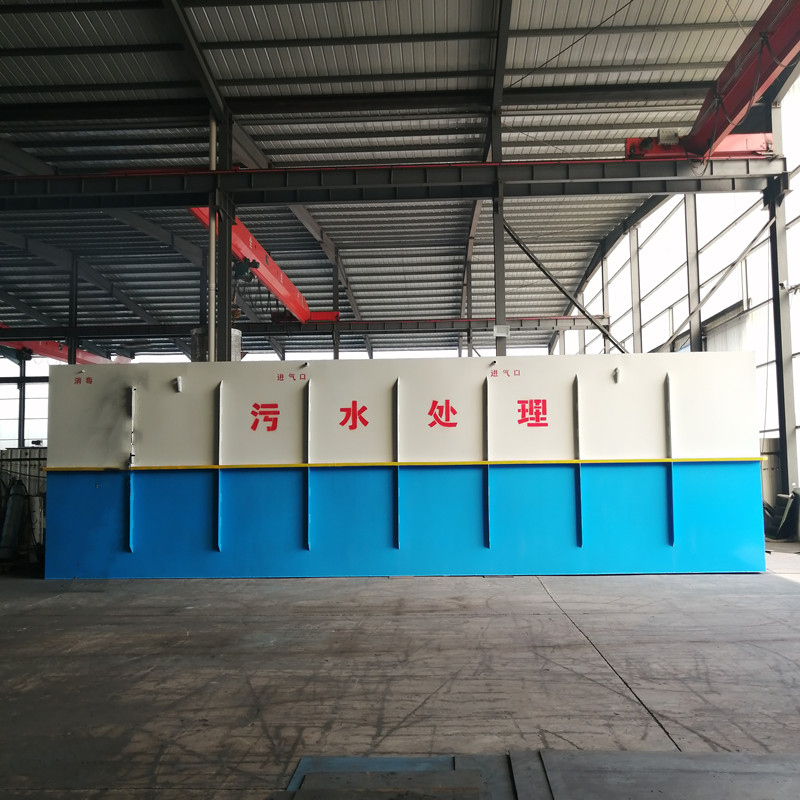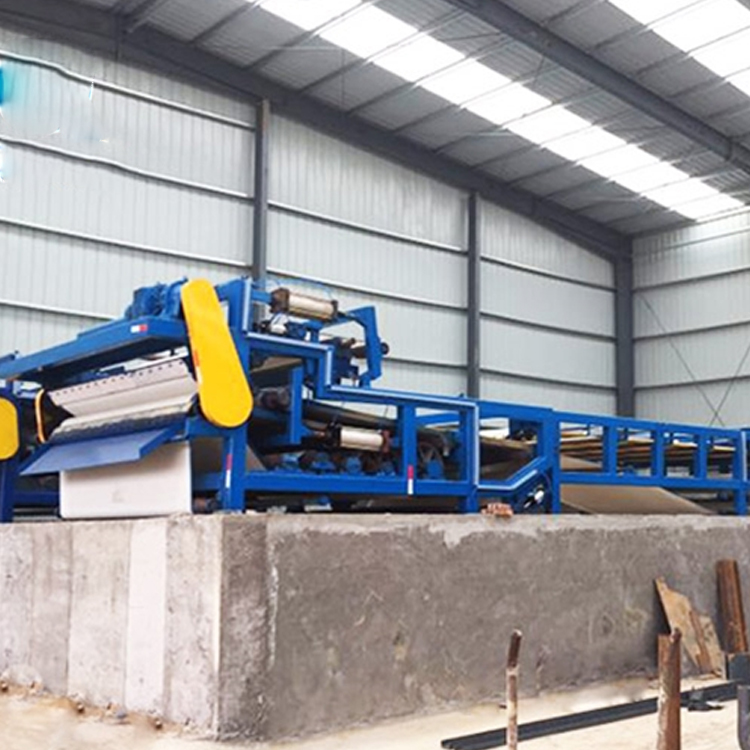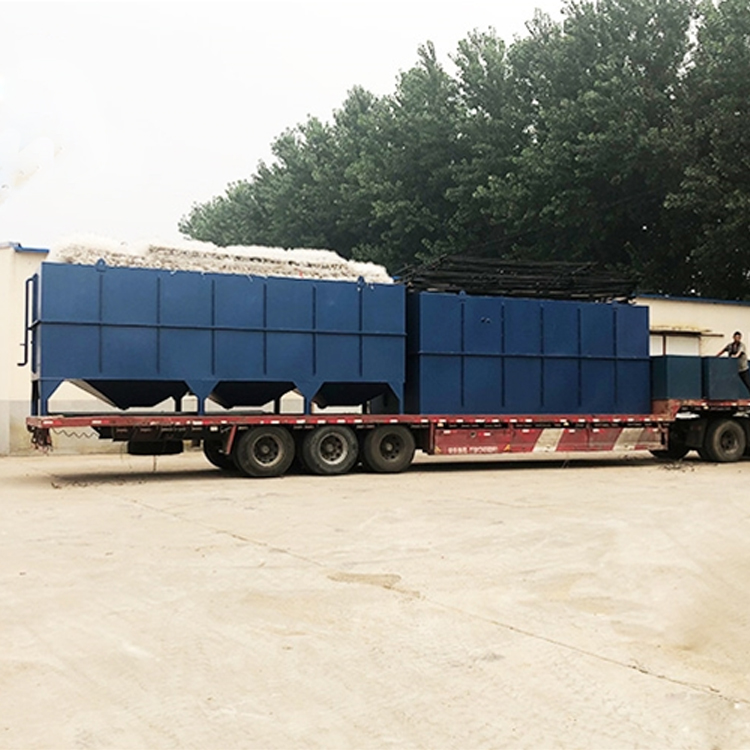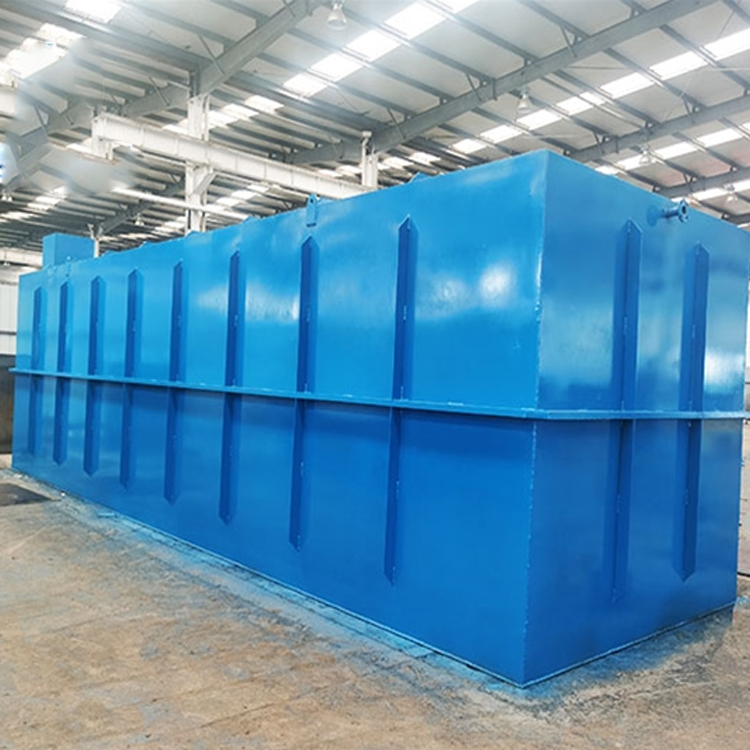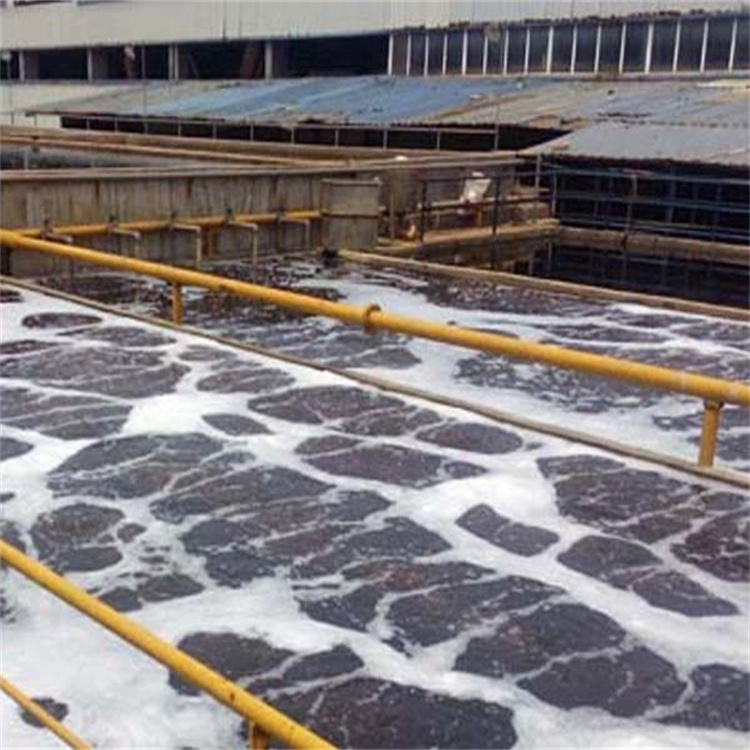


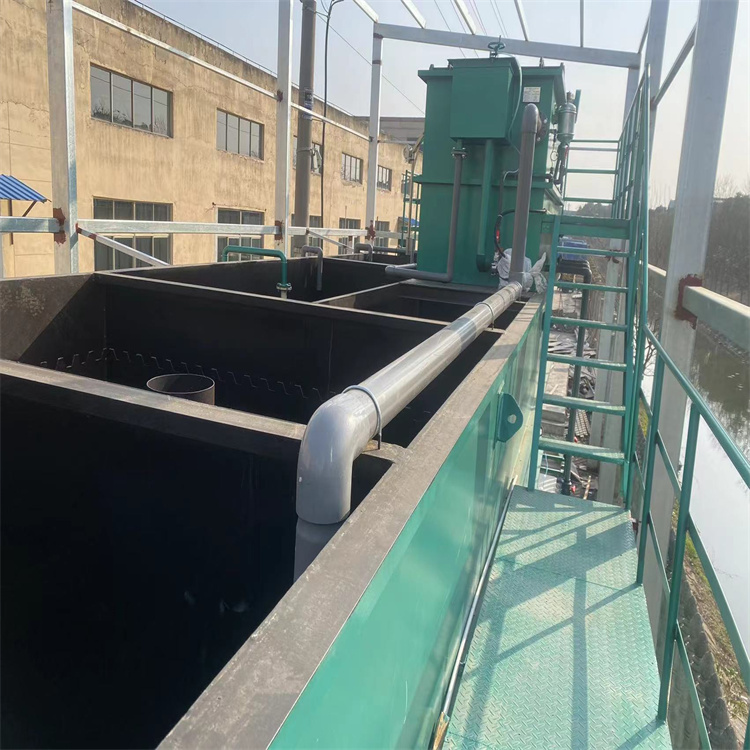
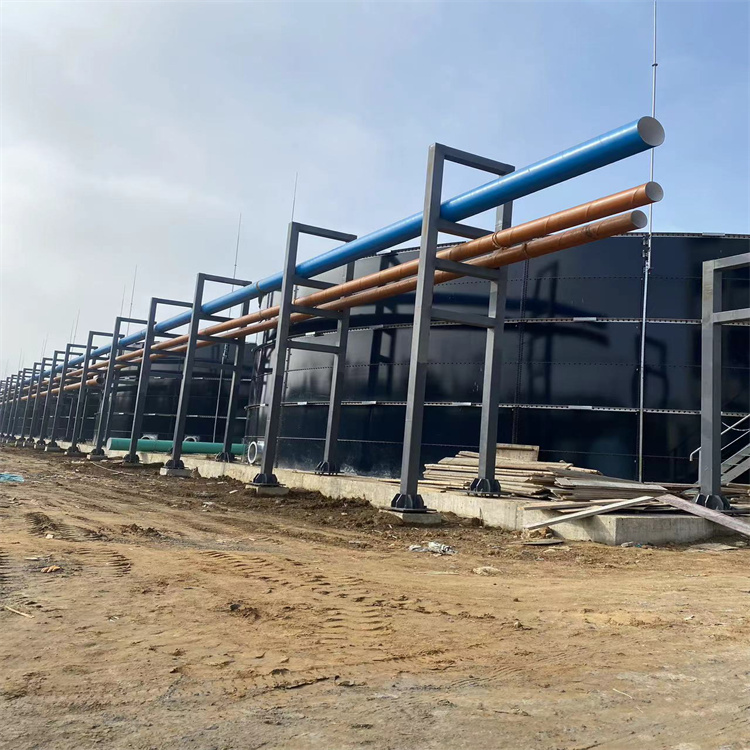


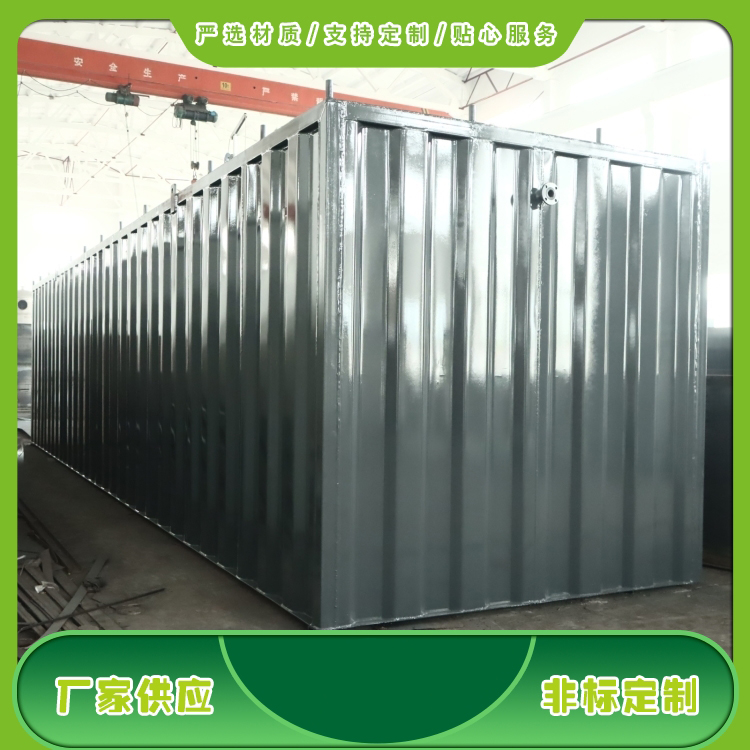
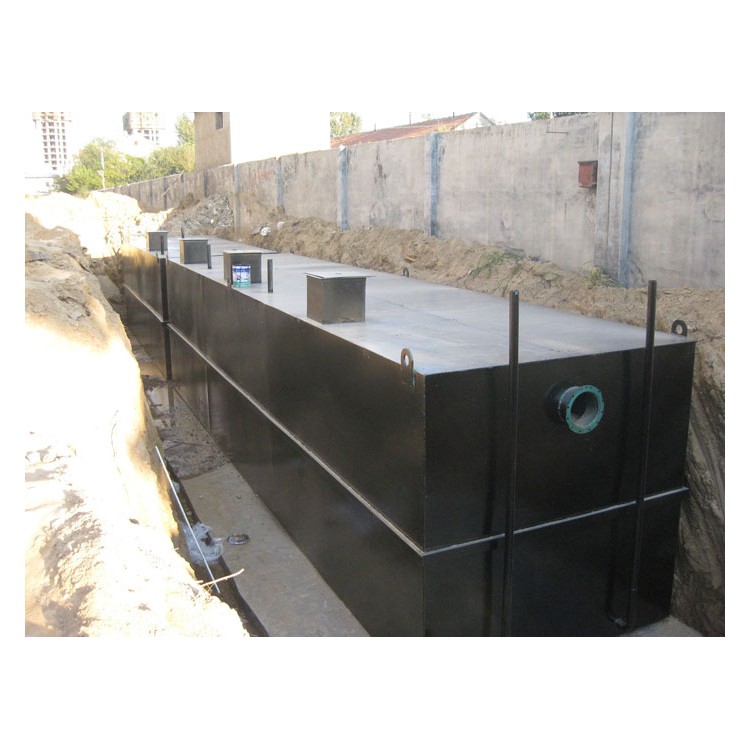
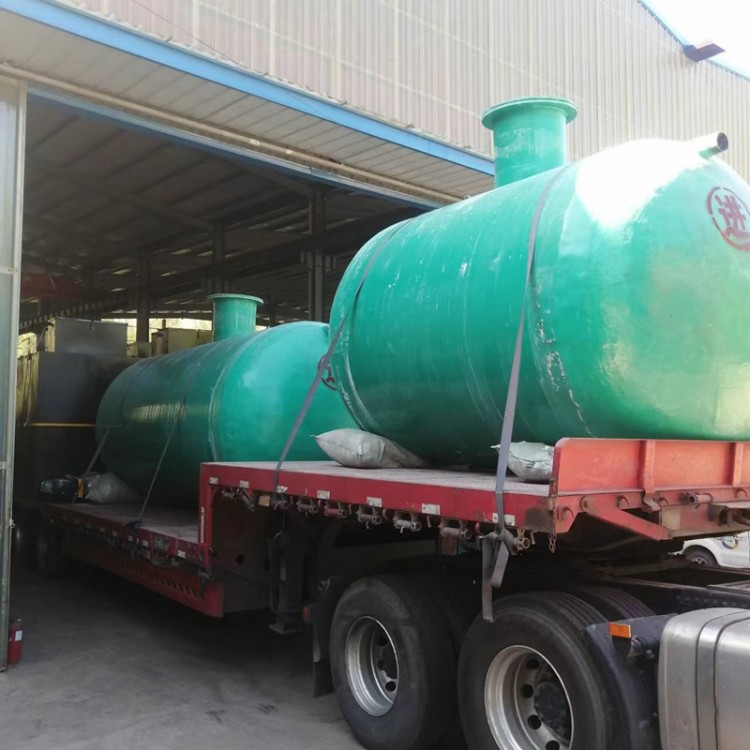





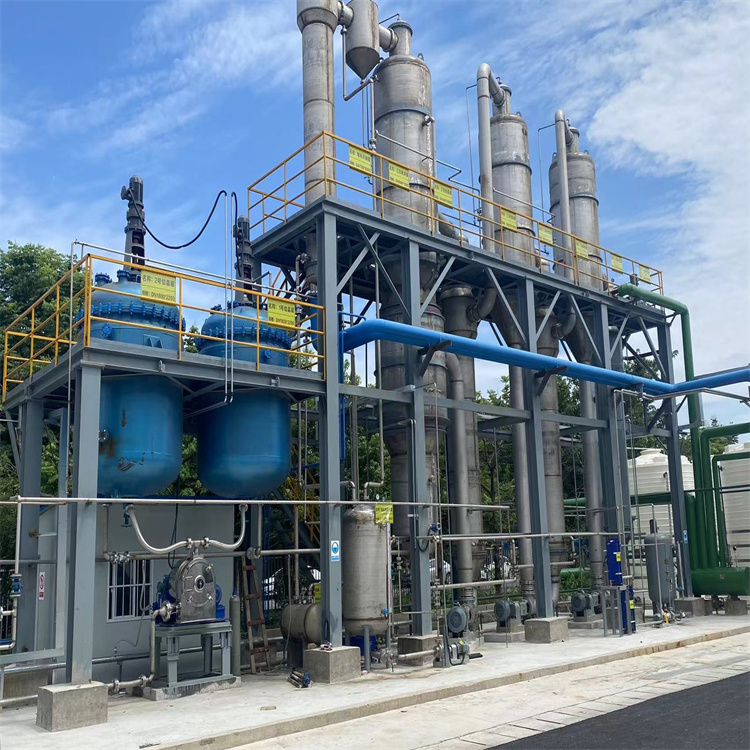
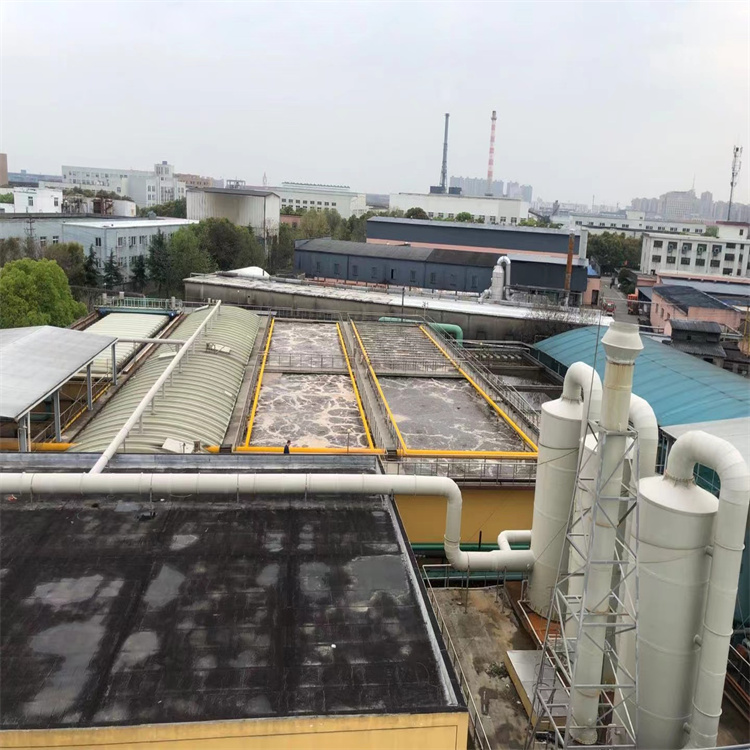
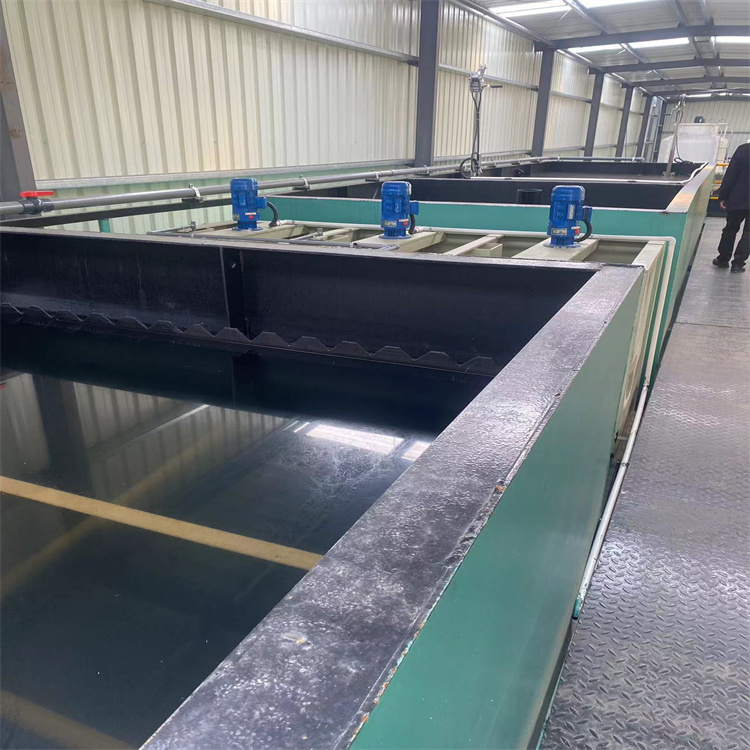
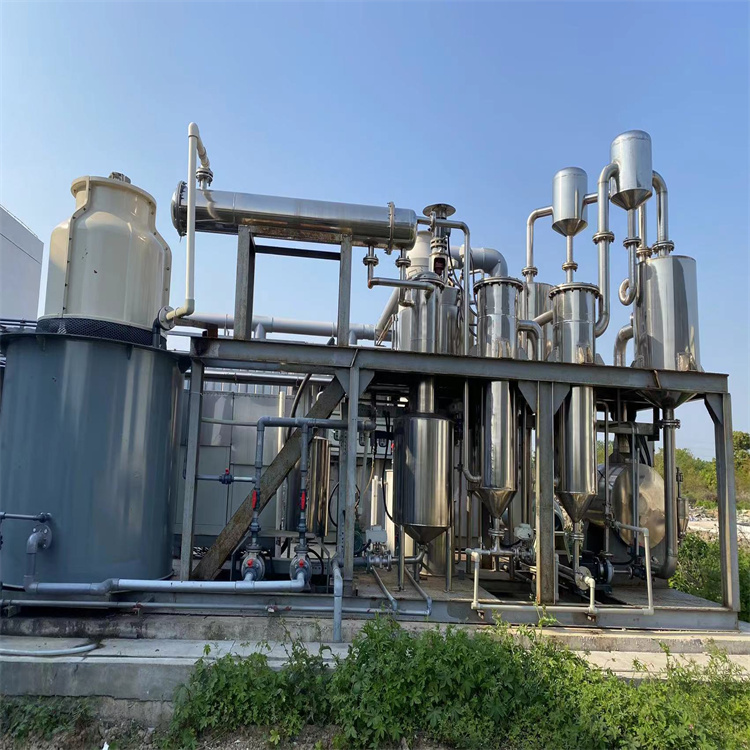
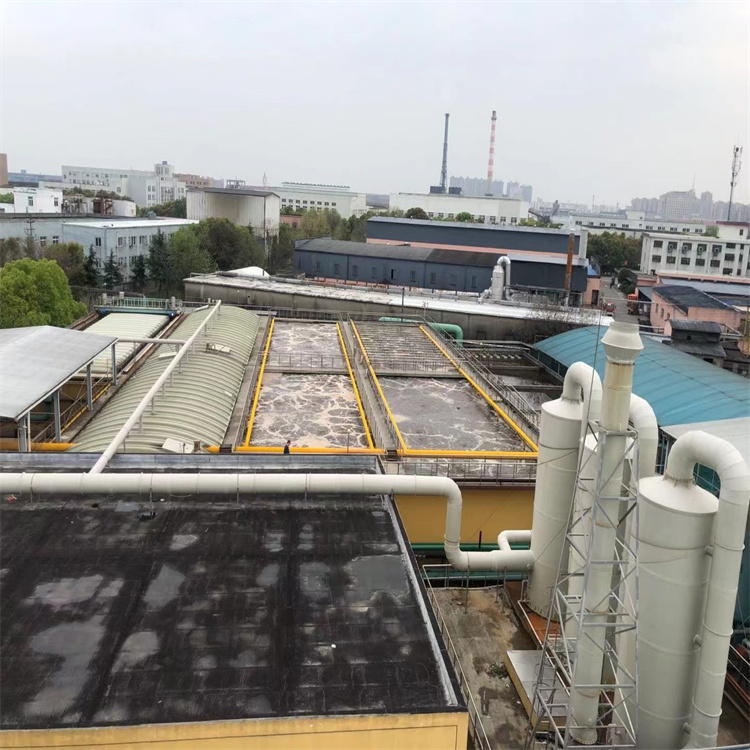
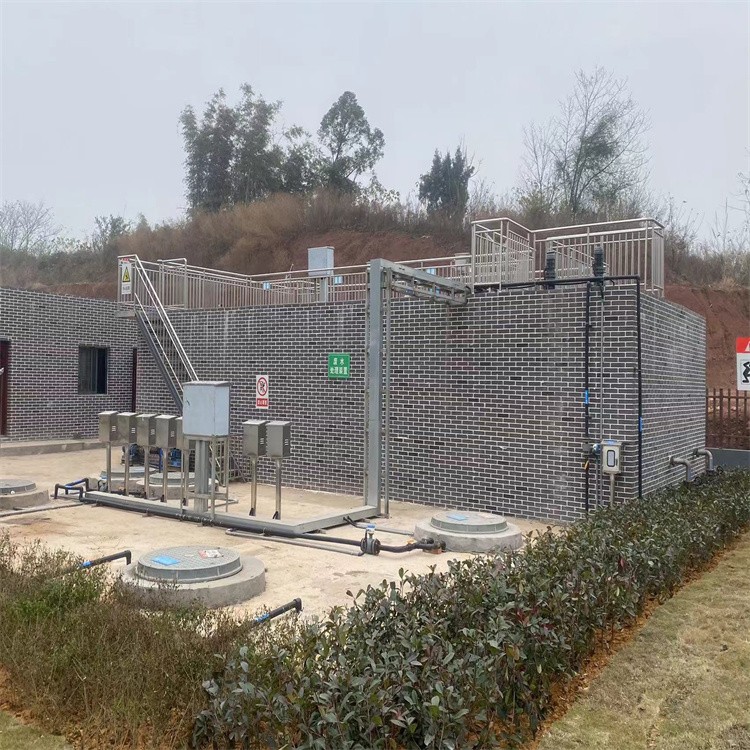
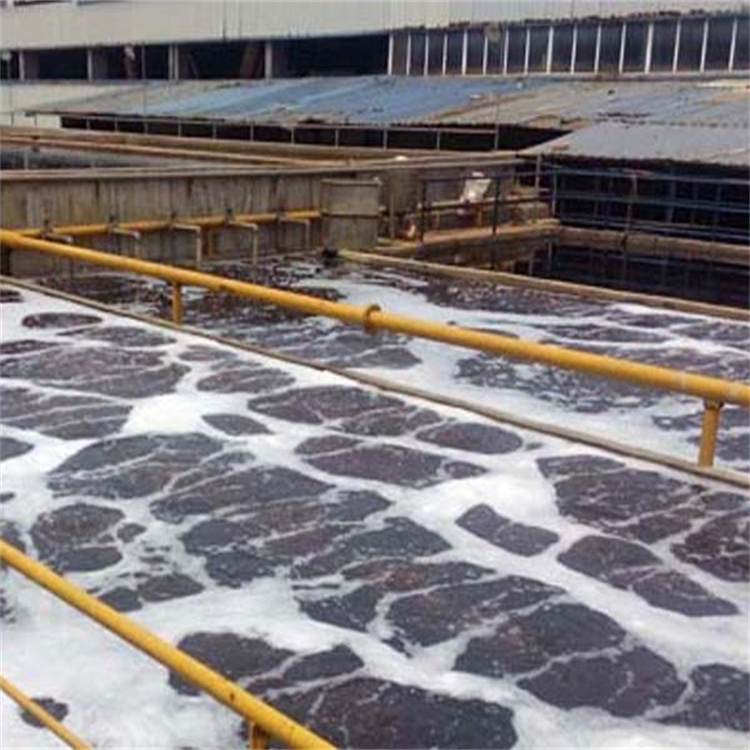
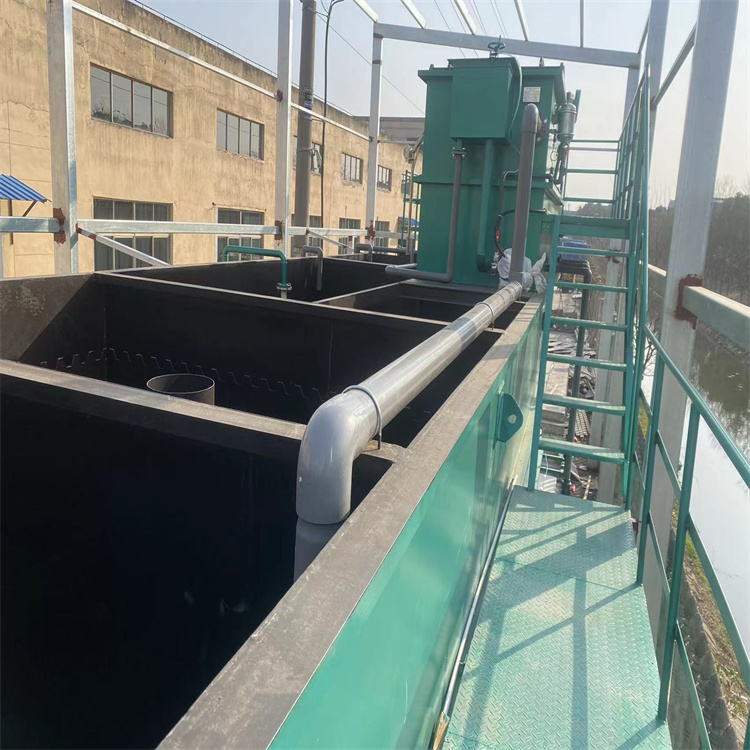
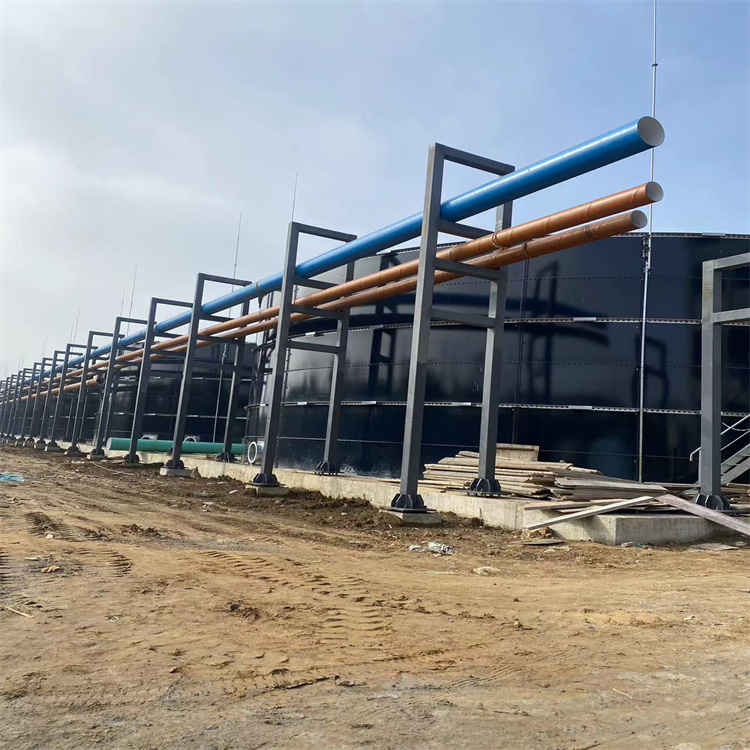
Product Description: 1. Cleaning Water for Washing Parts; 2. Wastewater from Electroplating; 3. Other wastewater, including rinsing of workshop floors, cleaning water for plate washing, condensate from ventilation equipment, and all kinds of tank liquids and effluents caused by leakage or improper operation management of electroplating tanks.
I. Source of Electroplating Wastewater
1. Laundry Cleaning Water; 2. Waste Electroplating Solution; 3. Other Wastewater, including washing of workshop floors, cleaning water for plates, condensate from ventilation equipment, and all kinds of tank liquids and effluents caused by leakage or improper operation management of plating tanks. 4. Equipment Cooling Water, which remains unpolluted during use, except for the rise in temperature.
II. Composition of Electroplating Wastewater
In addition to cyanide (CN-) and acid-base wastewaters, heavy metal wastewaters are a category of wastewater with significant potential hazards in the electroplating industry. Classified based on the heavy metal elements contained in the wastewater, they are generally divided into chromium (Cr) wastewater, nickel (Ni) wastewater, cadmium (Cd) wastewater, copper (Cu) wastewater, zinc (Zn) wastewater, gold (Au) wastewater, silver (Ag) wastewater, and others.
III. Electroplating Wastewater Treatment Methods
Chemical Oxidation Method: This method utilizes the property of certain toxic and harmful substances dissolved in wastewater that can be oxidized or reduced in redox reactions. By adding oxidizing or reducing agents, these substances are converted into non-toxic and harmless new substances, or transformed into gases or solids that are easily separated and removed from the water, thereby achieving the purpose of treating these toxic and harmful substances. This method is known as the redox method.
Chrome-contaminated wastewater: Under acidic pH conditions of 2-3, reduce hexavalent chromium to trivalent chromium with sulfite, then adjust pH to 8-10.5 to form hydroxide precipitate.
2. Cyanide-containing Wastewater: Under alkaline conditions, the cyanide radical in the wastewater is oxidized and decomposed into non-toxic substances. The reaction principle is that, under alkaline conditions, sodium chlorate is used as an oxidizing agent to convert the cyanide radical into nitrogen gas, hydrogen gas, and carbonates.
3. Copper Pyrophosphate Wastewater: Utilizing the principle that the solubility product of heavy metal sulfides is very small, add Na2S to break the complex in the reaction sedimentation pool. Then, automatically add lime through the pH control system to adjust the pH to 10.5. The phosphate ions in the wastewater react with calcium ions to form basic phosphates. After the reaction is complete, the wastewater is allowed to settle, with the supernatant flowing into the comprehensive wastewater regulating pool, and the settled sludge being discharged by gravity into the sludge transition pool.
4. Copper and Nickel Acid-Base Comprehensive Wastewater: The wastewater containing nickel and acid-base from the neutralization pool after breaking down chromium is combined, then lifted to the mixing pool. In the mixing pool, it is mixed with the wastewater after breaking down cyanide, and sodium hydroxide is added to adjust the pH to around 10.5. It then flows into the reaction pool, where nickel, chromium, and other ions form a precipitation of solubility product. Lime and flocculants are added to increase the particle size in the water under the action of the flocculant, and then accelerated precipitation separation is achieved in the sedimentation pool by utilizing the principle of shallow sedimentation, thereby removing heavy metals.
Section 4: Wastewater Recycling Process
Wastewater is pumped into the recycled water system after physical and chemical treatment. Chromium-containing wastewater is directly reused for pretreatment process water after treatment to meet standards. The treated acidic and alkaline wastewater and zinc-containing wastewater are filtered through multi-stage sedimentation and then enter the recycling system. In the pretreatment unit of the recycling system, the treated wastewater meets standards and is pumped into a multi-media filter to retain and remove angular particle suspended solids, insoluble organic matter, colloidal particles, microorganisms, and other impurities. The carbon filter can adsorb some heavy metal ions and soluble organic matter in the water, and can adsorb residual chlorine that cannot be removed in the preliminary filtration stage, preventing the decomposition of the residual chlorine into the membrane module, which requires the residual chlorine entering the membrane module to be greater than 0.1 mg/L.
Even after undergoing carbon and microfiltration, the wastewater still contains impurities that cannot be directly recycled using reverse osmosis. Microfiltration can only retain particles between 0.1 to 1 um, allowing large molecular organic matter and soluble solids to pass through. To minimize the frequency of membrane cleaning and extend the lifespan of the reverse osmosis membranes, ultrafiltration plays a crucial role as a reliable treatment system. Ultrafiltration membranes can retain particles and solutes with molecular weights between 30,000 and 10,000 that are larger than the membrane pores, while inorganic ions and solutes with molecular weights less than 5,000 can pass through the membrane.
Reverse osmosis membranes can retain various metal and non-metal ions, colloids, and small organic molecules from water. For inorganic ions, particularly in wastewater, the separation rates for divalent and trivalent ions typically reach above 95%.
The box filter press achieves solid-liquid separation by blocking the medium (usually filter cloth) within the equipment. The device creates a pressure difference on both sides of the medium, allowing the liquid to pass through the filter cloth and out through the pipes, while the solids are retained on the filter cloth, gradually accumulating to form a cake.
The advantages of the box filter press include the following:
1. The box filter press is more durable and long-lasting than the plate and frame filter press.
2. High filtration efficiency. With the same number and size of filter plates, the effective filtration area of a box filter press is twice that of a plate and frame filter press.
3. Van bodies are more widely used, applicable in numerous industries such as food processing, metallurgy smelting, and mining.
4. The compartment filter press generally operates at higher temperatures than the plate and frame filter press, thus offering a wider range of applications.
5. The box filter press has better integration of current technology, enabling excellent automation design. Many automated filter presses now use the same filtration mode as the box filter press.