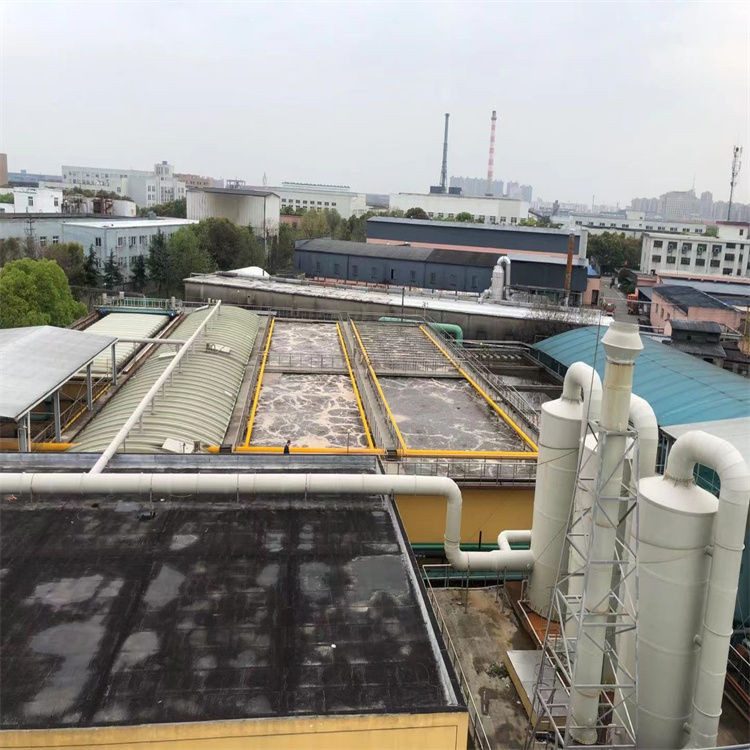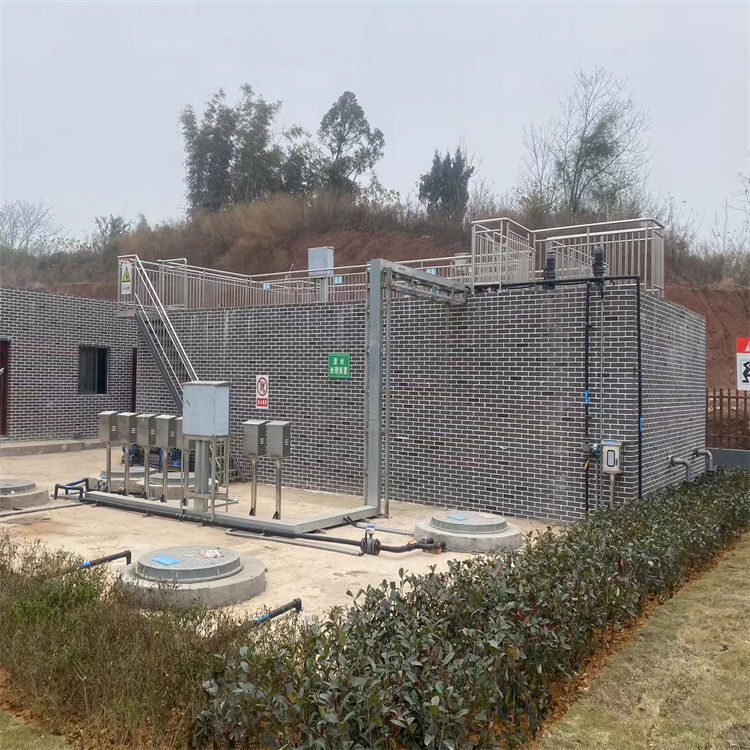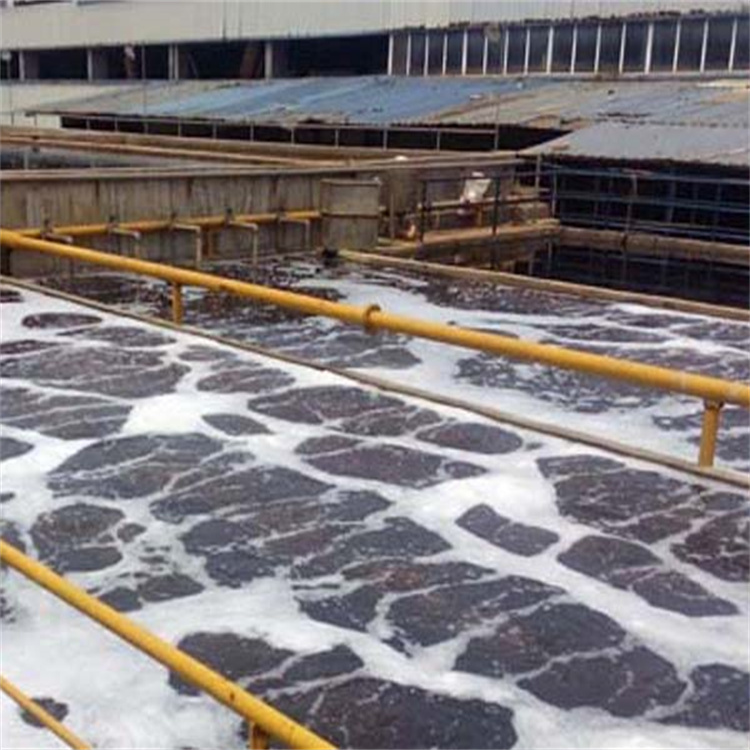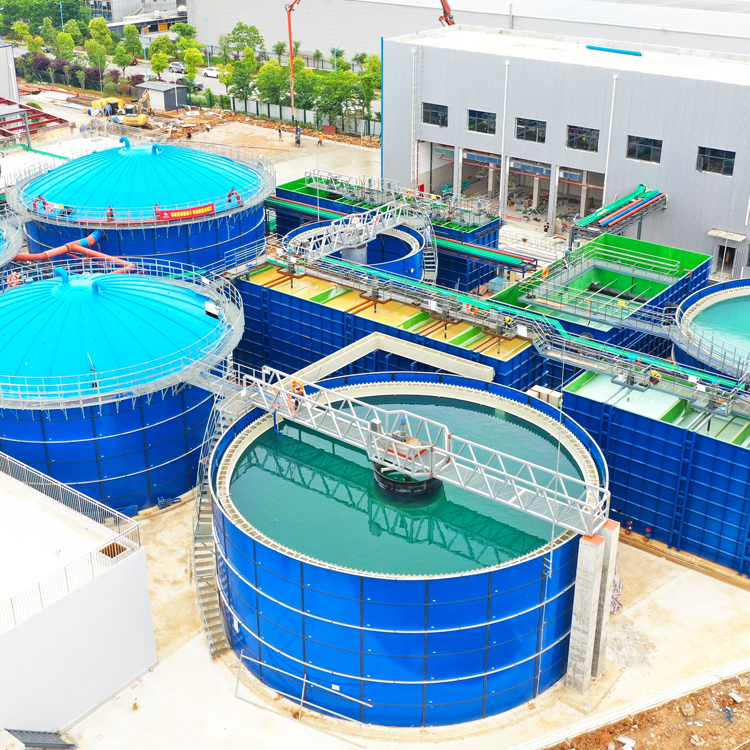

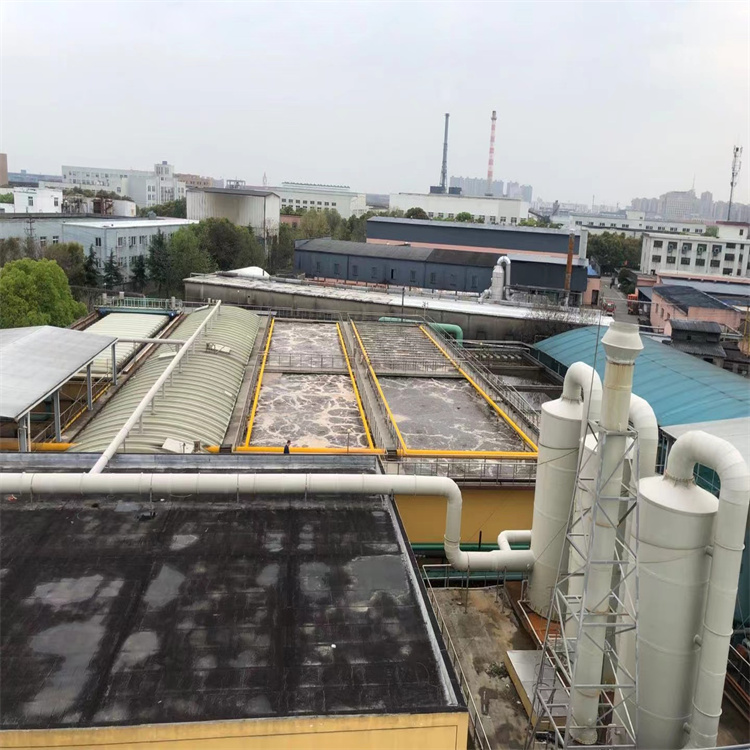
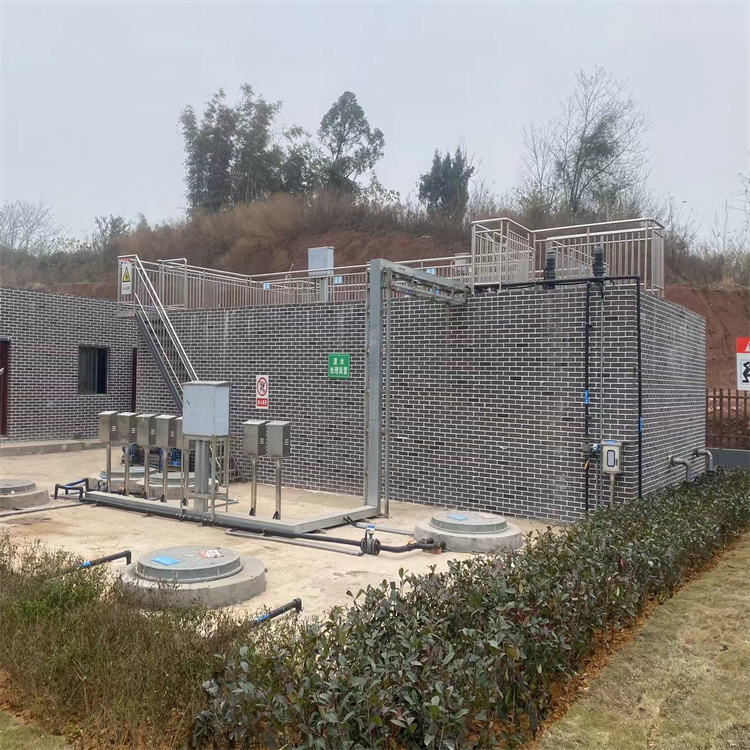
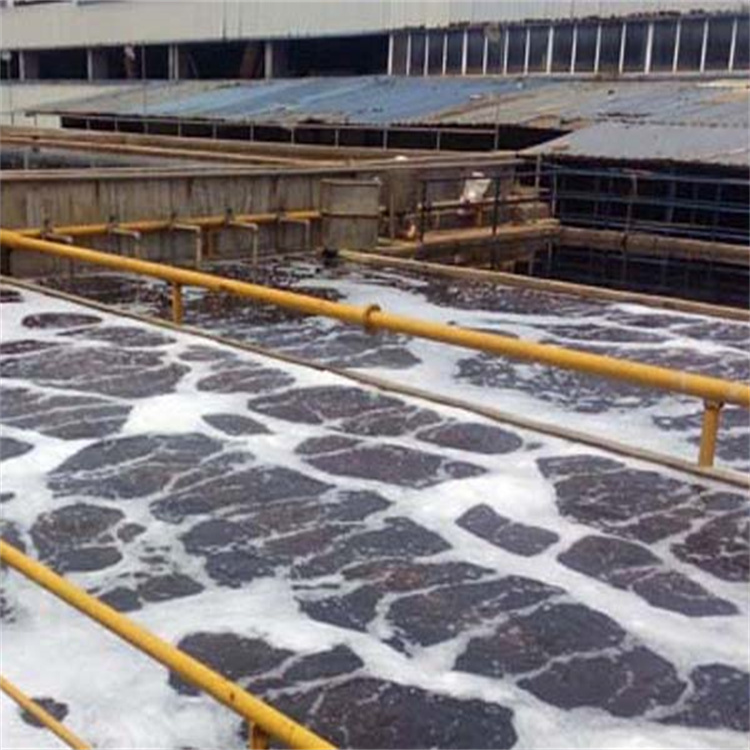


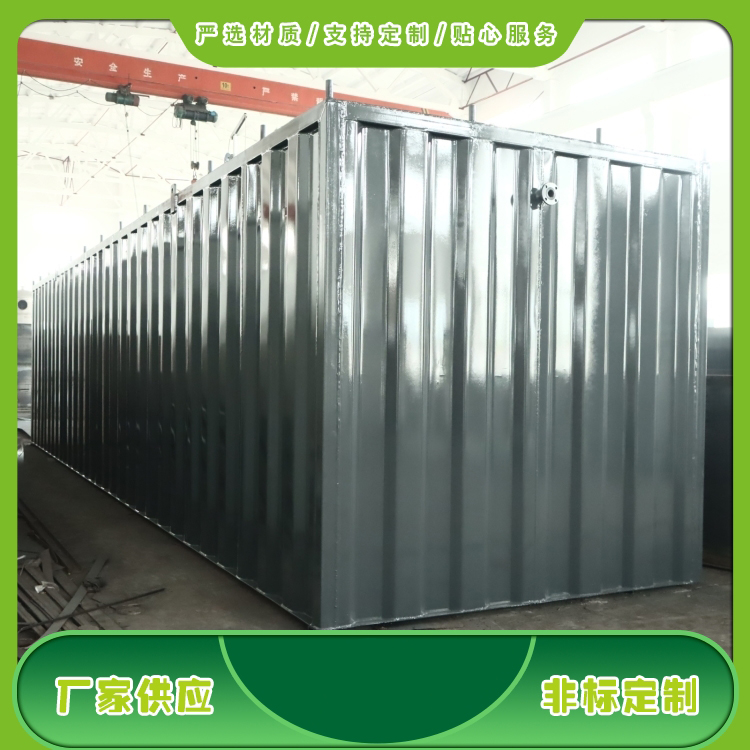
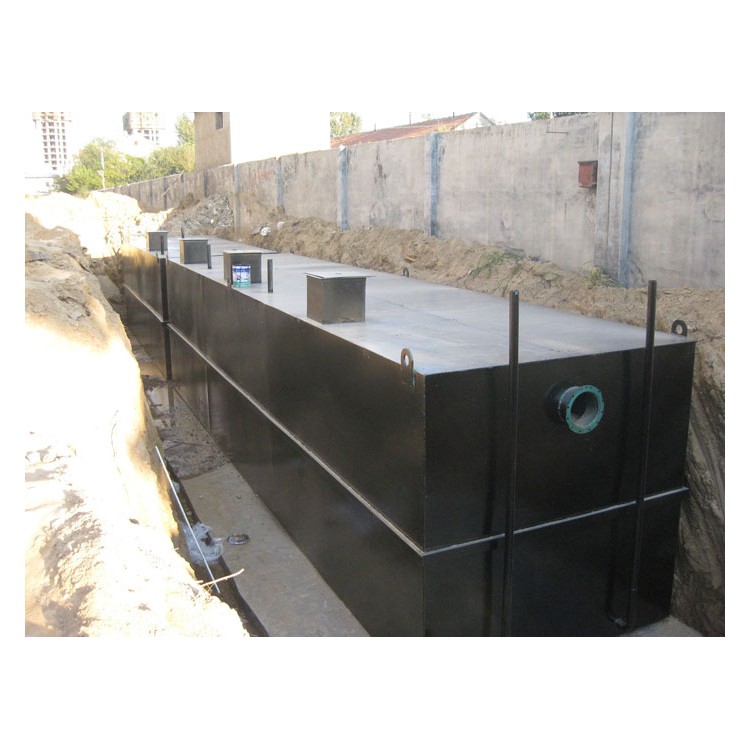
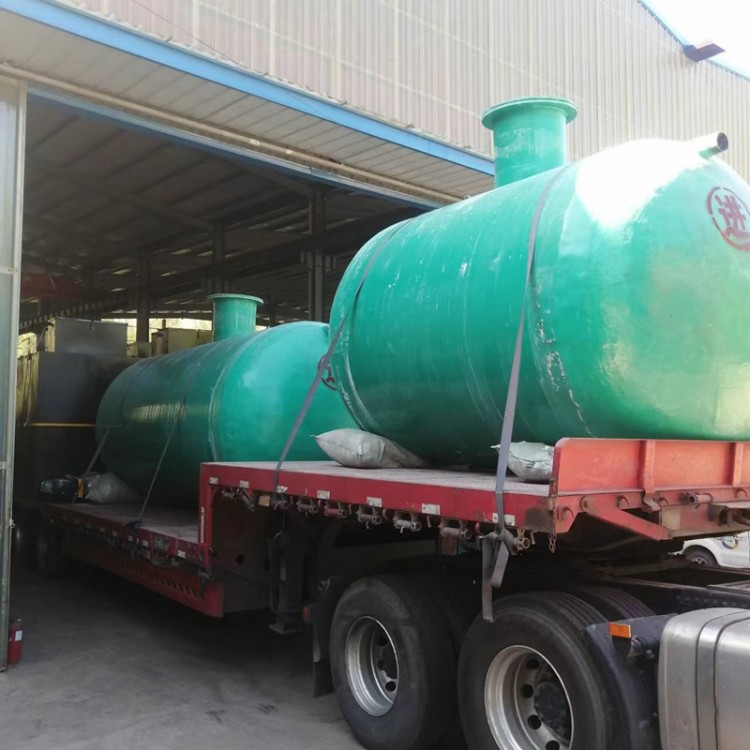





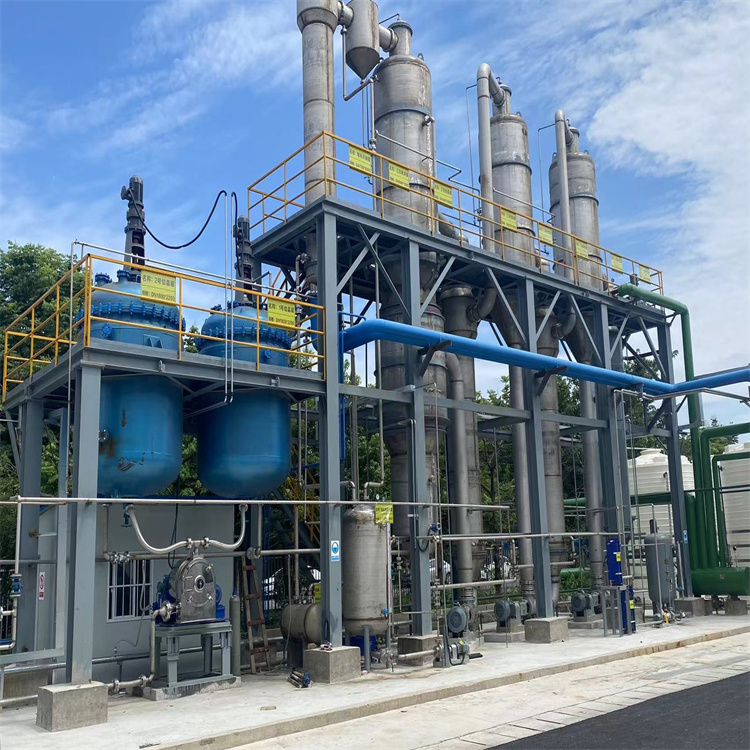
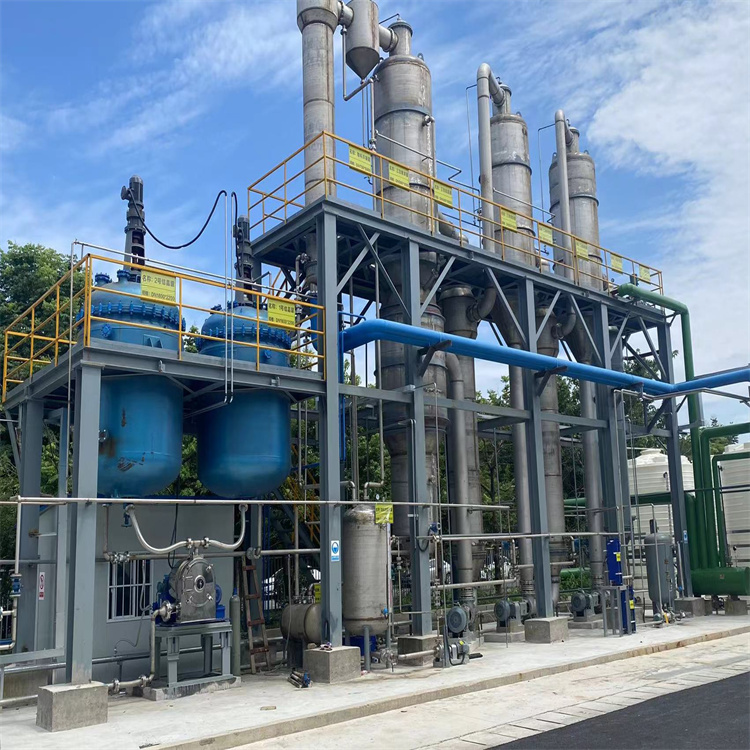

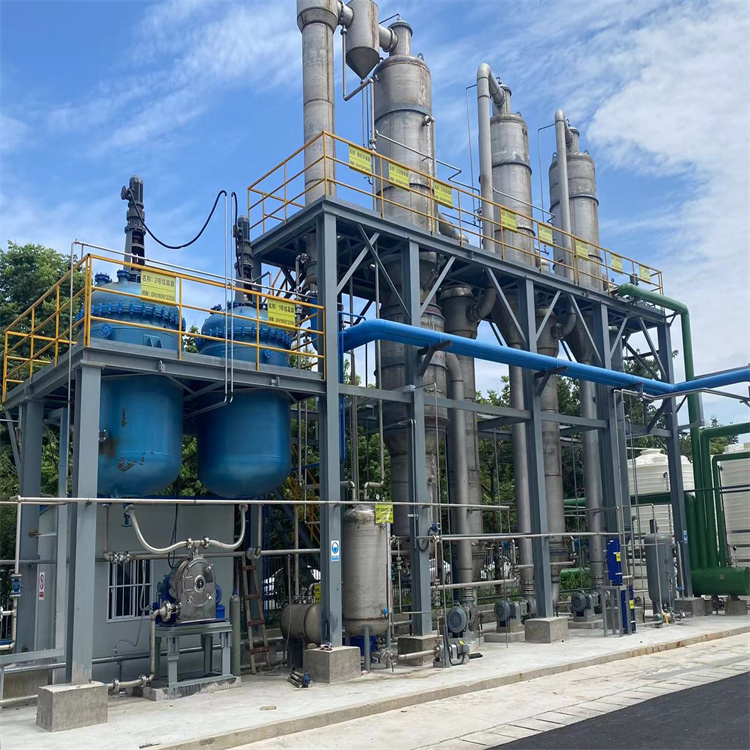
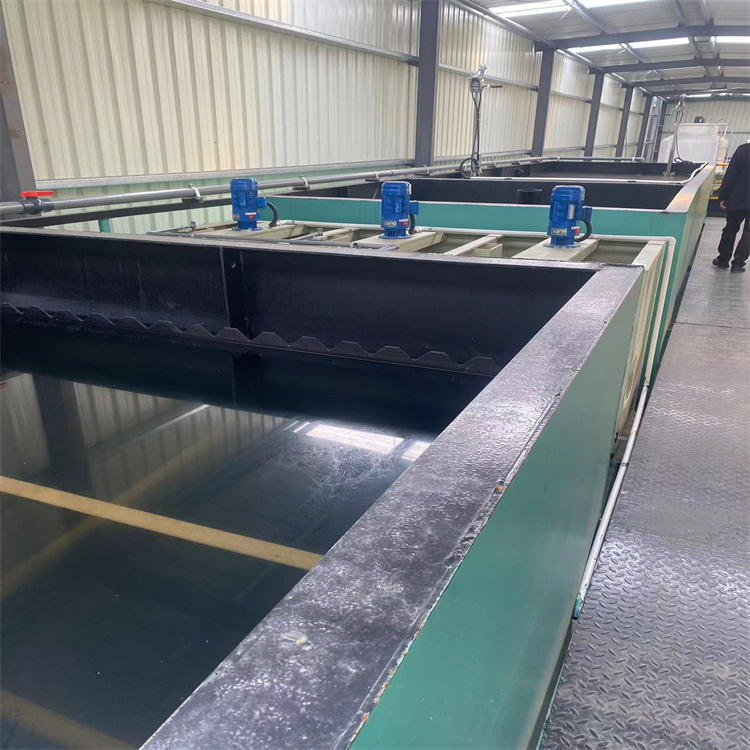
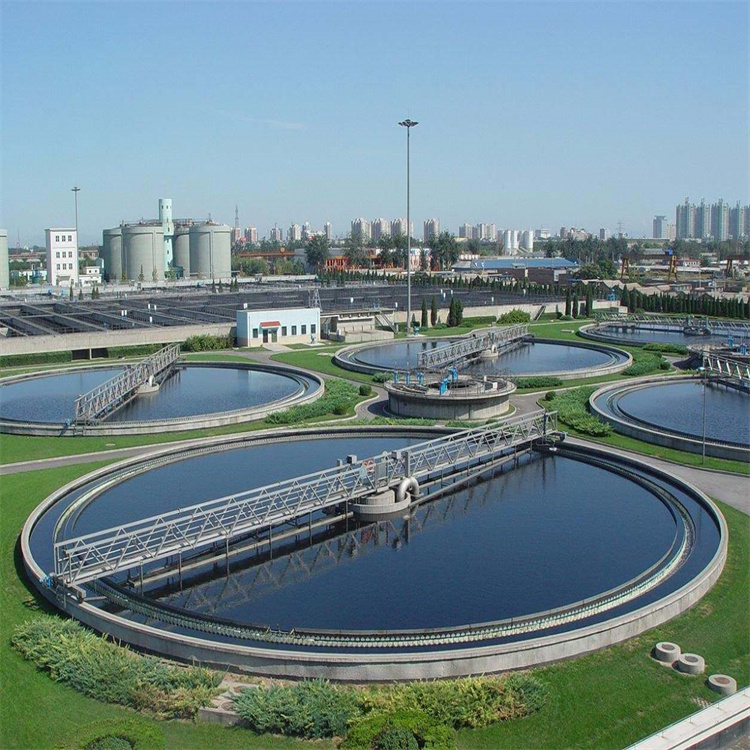
Product Description: Industrial wastewater refers to process wastewater, effluents, and domestic sewage generated from industrial production activities, which contain materials used in industrial production, intermediate products, by-products, and pollutants generated during the production process that are lost with the water.
Industrial wastewater refers to the process wastewater, waste liquids, and domestic sewage generated during industrial production activities. It contains industrial raw materials, intermediate products, by-products, and pollutants produced during the production process that are lost with the water. Below are ten common sources of industrial wastewater and their treatment methods:
Heavy metal wastewater
Heavy metal wastewater primarily originates from enterprises such as mines, smelting, electroplating, electro-deposition, pesticides, paints, and pigments.
Treatment methods for heavy metal wastewater are generally divided into two categories:
a) Convert dissolved heavy metals in wastewater into insoluble metal compounds or elements, which can then be removed from the wastewater through processes such as neutralization precipitation, sulfide precipitation, floatation separation, electrolytic precipitation, diaphragm electrolysis, etc.
b) Concentrate and separate heavy metals from wastewater without altering their chemical form, which can be achieved through reverse osmosis, electro dialysis, evaporation, and ion exchange methods, among others.
Cyano-containing wastewater
Cyanide-containing wastewater primarily originates from electroplating, coal gasification, coking, metallurgy, metal processing, chemical fibers, plastics, pesticides, and chemical industries, and is a highly toxic industrial wastewater.
Treatment methods for cyanide-containing wastewater include alkaline chlorination, electrolysis, pressure hydrolysis, biochemical treatment, bio-iron process, ozone treatment, air stripping, etc.
Phenolic wastewater
Phenol-containing wastewater primarily originates from processes such as ethylene cracking from petroleum, synthetic phenol production, nylon fiber manufacturing, synthetic dyes, organic pesticides, and phenolic resins. For wastewater containing phenol at varying concentrations:
a) High-concentration phenolic wastewater (quality concentration exceeding 1000 mg/L): Phenol must be recovered before treatment.
b) Low-concentration phenolic wastewater (mass concentration below 1000 mg/L): Phenol can be concentrated, recovered, and recycled for reuse.
Methods for recovering phenol include solvent extraction, steam stripping, adsorption, and closed-loop recycling, among others.
Papermaking industry wastewater
Pulp and papermaking effluents primarily originate from the pulp-making and papermaking processes in the paper industry, which both generate substantial amounts of wastewater. These effluents are complex in composition and have poor biodegradability, categorizing them as more challenging industrial wastewater to treat.
The papermaking industry typically recovers fibrous solid substances from white water using flotation, retrieves sodium salts from black water through combustion, adjusts the pH of wastewater with neutralization, removes suspended solids with coagulation and sedimentation, and achieves decolorization with chemical precipitation. The aerobic activated sludge process and fungal treatment usually yield good results as well. Additionally, methods such as reverse osmosis, ultrafiltration, and electro dialysis are also employed.
Dyeing and Printing Industrial Wastewater
Dyeing and finishing wastewater contains dyes, sizing agents, auxiliaries, oils, acids and alkalis, fiber impurities, sandy substances, inorganic salts, etc., characterized by large water volume, high organic pollutant content, high alkalinity, and significant fluctuations in water quality.
Hazardous treatment of dyeing wastewater can be categorized into:
a) Physical Treatment Methods: Sedimentation, Adsorption, etc.
b) Chemical Treatment Methods: Neutralization, Coagulation, and Oxidation processes, etc.
c) Biological Treatment Methods: Activated Sludge, Biological Turnover Discs, Biological Tower Reactors, and Biological Contact Oxidation, etc.
Chemical Industrial Wastewater
Chemical industrial wastewater primarily originates from production effluents discharged by the petrochemical, coal chemical, acid-base, fertilizer, plastic, dye, and rubber industries, among others.
Chemical industrial wastewater is typically treated in three levels:
a) Primary Treatment: Mainly separates suspended solids, colloidal matter, floating oil, or heavy oil in water, which can be achieved through natural sedimentation, floating, and other methods.
b) Secondary Treatment: Primarily involves the removal of biodegradable organic solubles and some colloidal matter, typically processed using biological methods.
c) Tier 3 Treatment: Primarily focuses on removing biologically non-degradable organic pollutants and soluble inorganic pollutants from wastewater, with common methods including activated carbon adsorption and ozone oxidation.
Food Industry Wastewater
The characteristics of food industry wastewater include high organic matter and suspended solids content, prone to spoilage, and generally without significant toxicity.
Food industrial wastewater is generally best treated by biological methods. For high water quality requirements of the effluent or for high organic matter content in the wastewater, two-stage aeration ponds or two-stage biological filter ponds, multiple-stage biological disc reactors, or the combined use of two biological treatment units can be employed. Alternatively, an anaerobic-aerobic sequential biological treatment system can also be used.
Metallurgical Wastewater
Metallurgical wastewater is categorized by its source and characteristics, primarily including cooling water, pickling wastewater, washing wastewater, slag washing wastewater, coking wastewater, as well as condensate, separated, or overflowed wastewater from the production process.
General treatment of metallurgical wastewater involves oxidation-reduction methods, which is to convert toxic and harmful substances dissolved in wastewater into non-toxic and harmless new substances through oxidation-reduction reactions.
In redox reactions: (1) When toxic substances act as reductants, external oxidants such as air, ozone, chlorine gas, sodium hypochlorite, etc., are required; (2) When toxic substances act as oxidants, external reductants such as ferrous sulfate, ferrous chloride, zinc powder, etc., are needed.