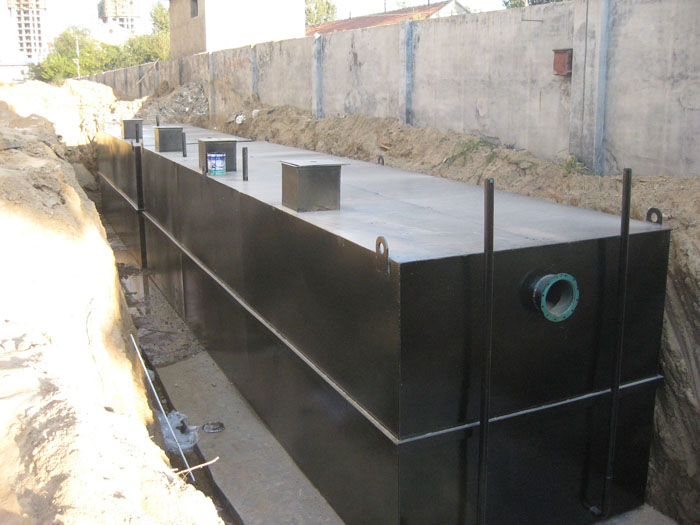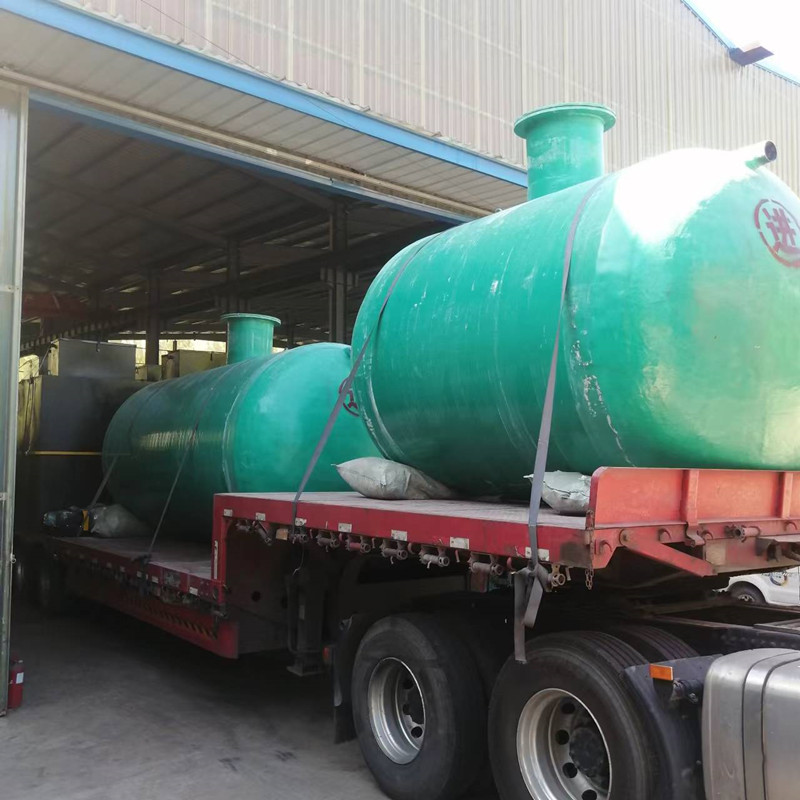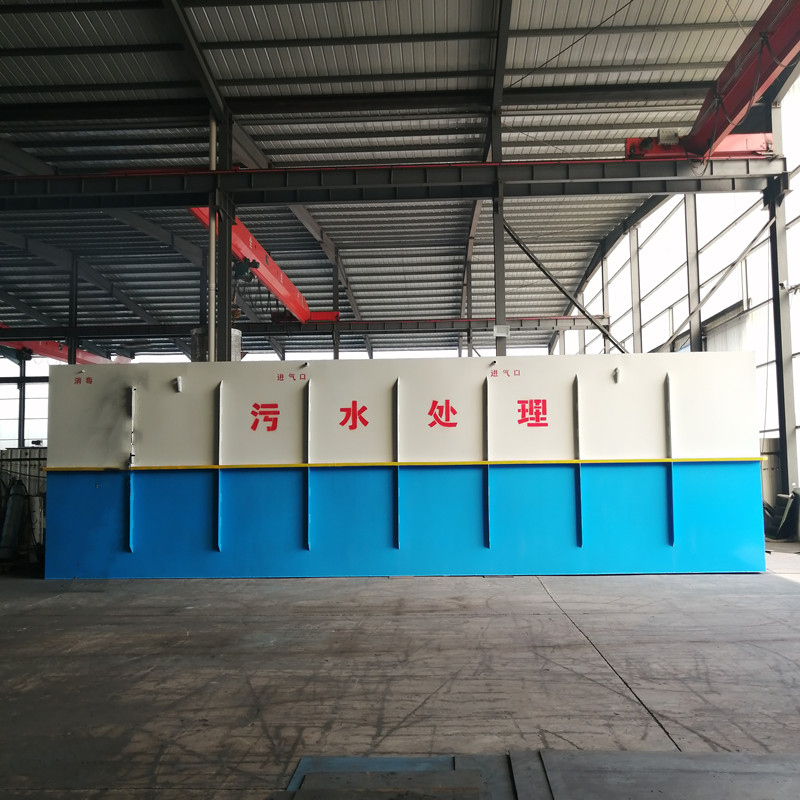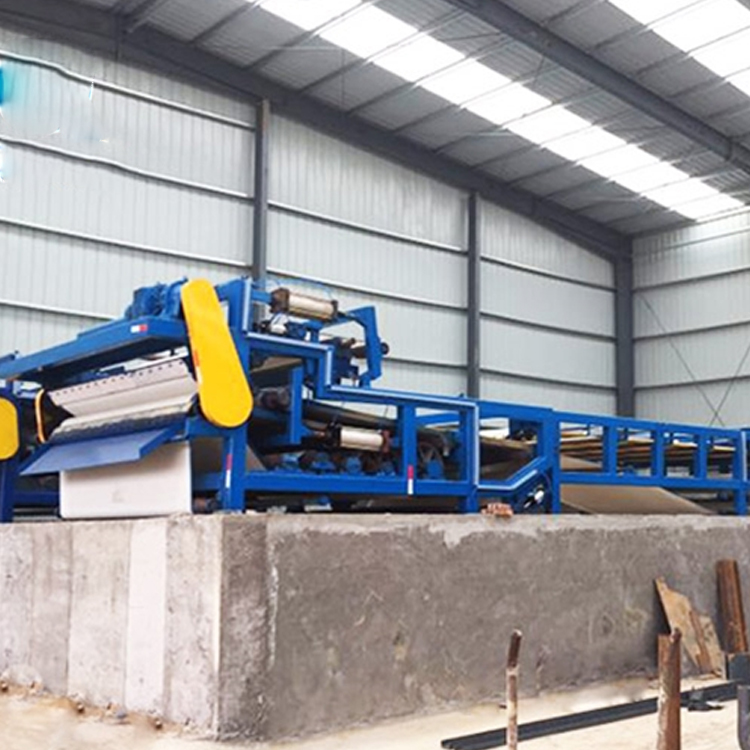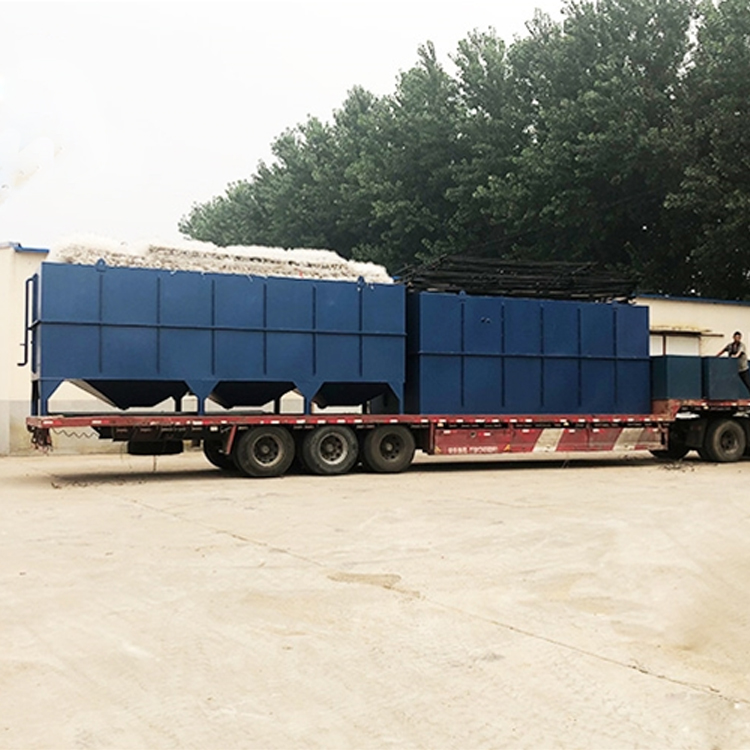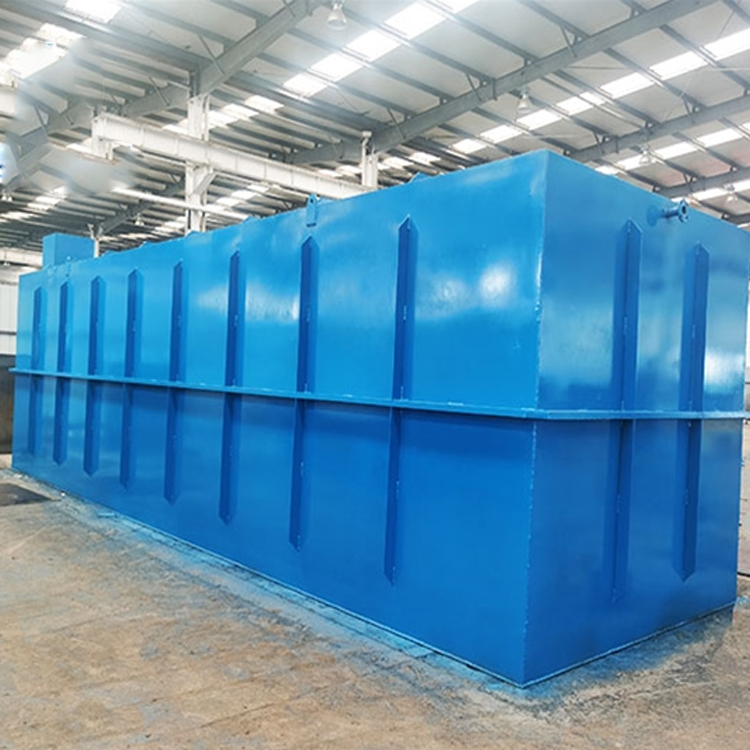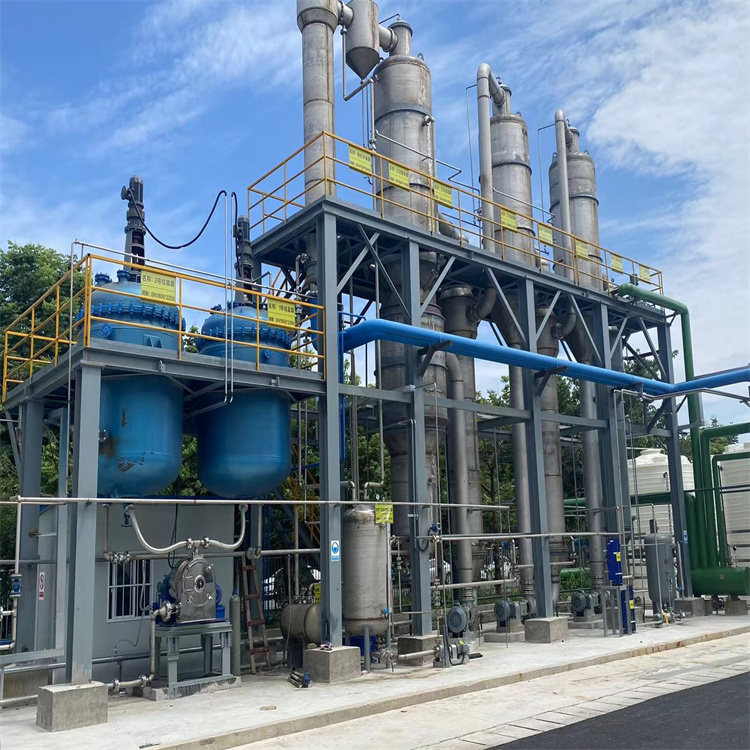









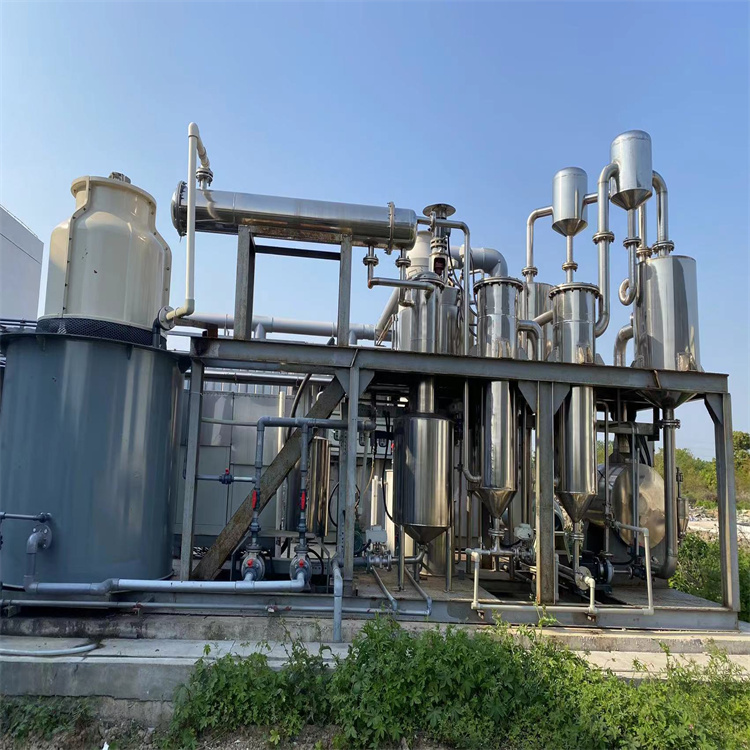
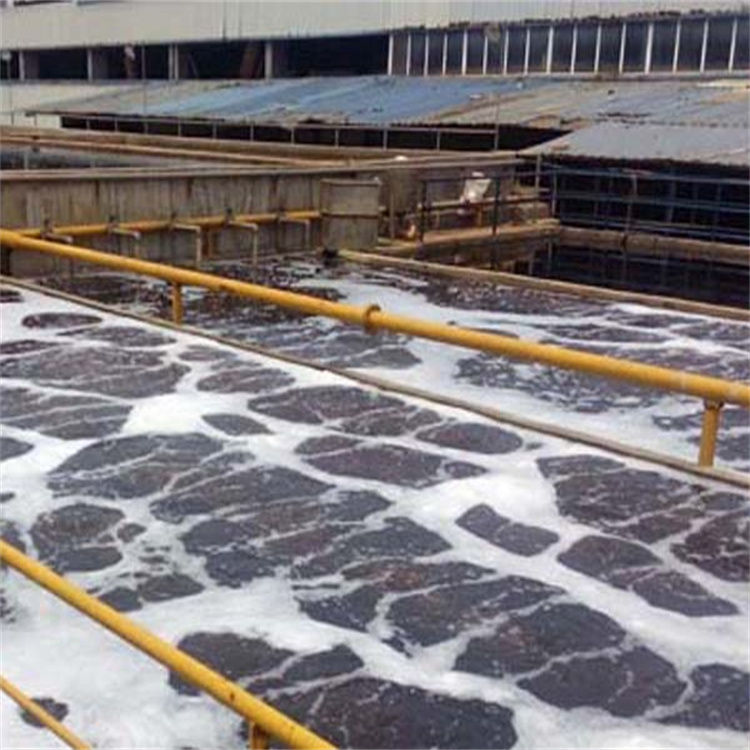
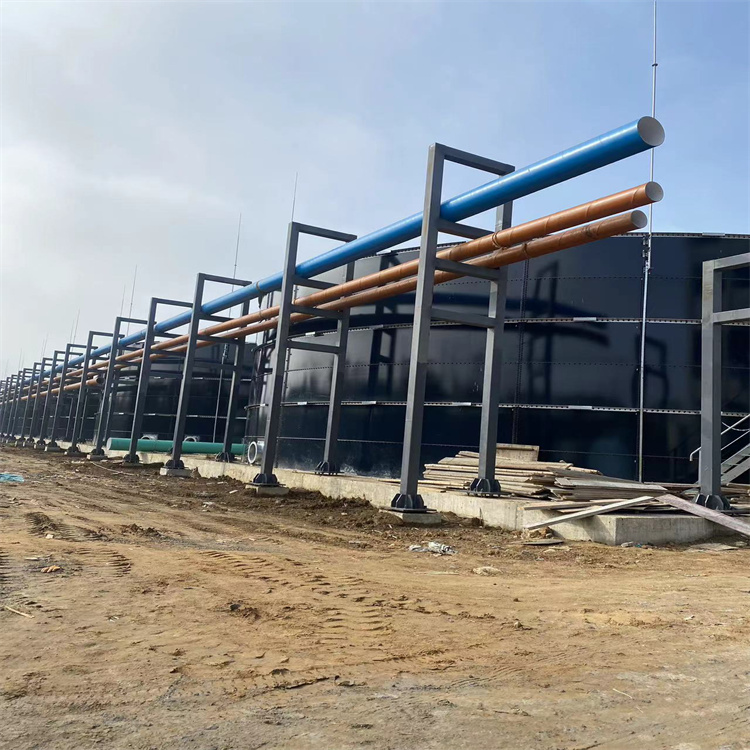
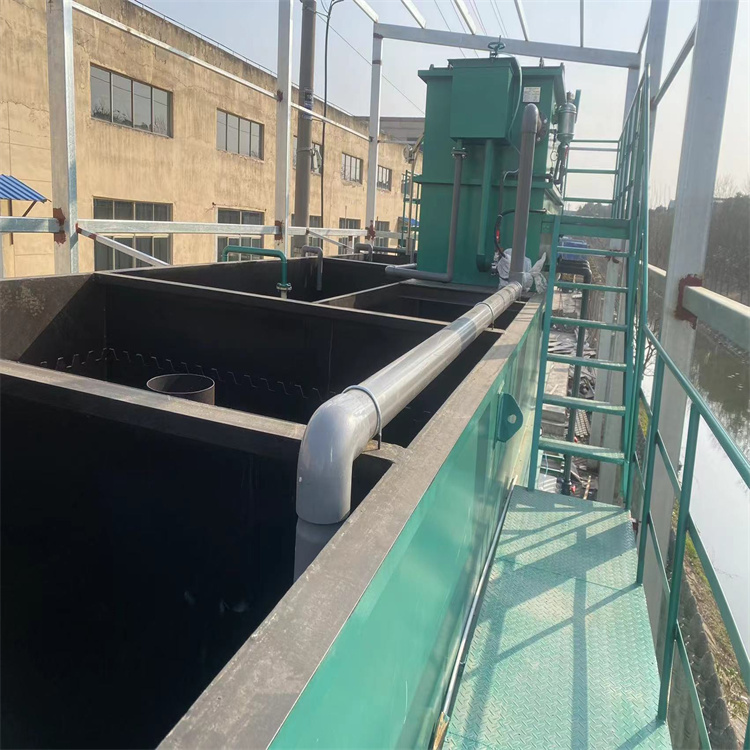
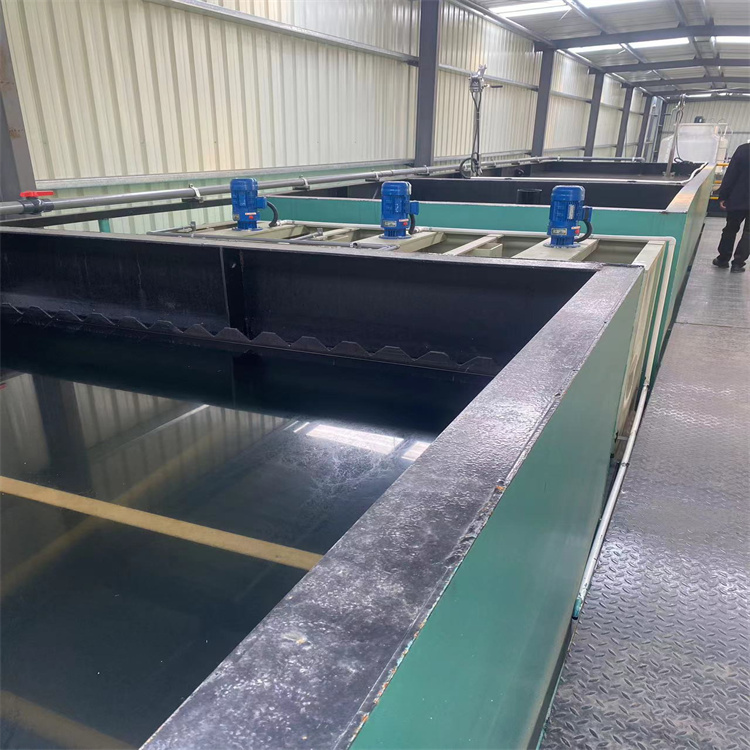
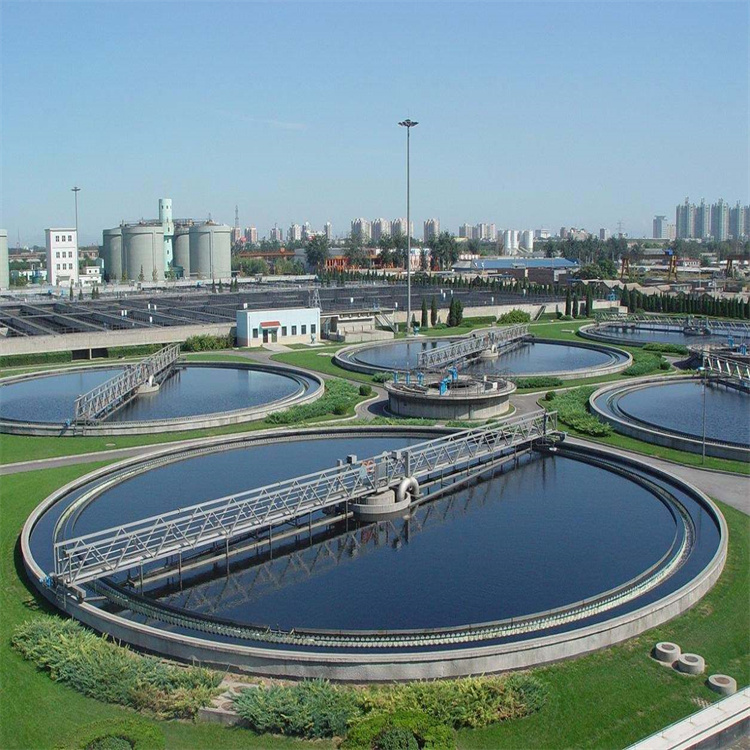
Product Description: Chemical wastewater refers to the waste water produced during the production process of chemical plants, such as wastewater containing oil from facilities producing ethylene, polyethylene, rubber, polyester, methanol, ethylene glycol, oil storage areas, and air separation and compression stations.
Chemical wastewater refers to the wastewater produced during the production process of chemical plants, such as oil-containing wastewater from facilities producing ethylene, polyethylene, rubber, polyester, methanol, ethylene glycol, oil storage areas, and air separation and compression stations. After biochemical treatment, it generally meets the national second-level discharge standards. Currently, due to water scarcity, the water that meets the discharge standards must undergo further advanced treatment to meet industrial water supply requirements and be reused.
Due to the impurities in the water primarily being suspended particles and fine hair fibers, we employ the mechanical filtration principle and use microporous filtration technology to remove the impurities. The filter equipment's operation is controlled by a PLC or a timer relay, enabling automatic backwashing and automatic operation. The pump supplies the necessary water head for the filter, with the effluent directly introduced into the production system.
Microelectrolytic Treatment Technology
Microelectrolysis technology is an ideal process for treating high-concentration organic wastewater. It is used for the treatment of wastewater with high salinity, difficulty in degradation, and high color, which can significantly reduce COD and color, as well as greatly enhance the bio-chemical oxygen demand (BOD) of the wastewater. This technology treats wastewater without electricity by utilizing the "primary battery" effect of the microelectrolysis equipment filled with microelectrolysis media. Once water is introduced, countless "primary batteries" with potential differences reaching 1.2V are formed inside the equipment. The "primary battery" uses the wastewater as the electrolyte, generating an electric current through discharge to carry out electrolytic oxidation and reduction treatment of the wastewater, aiming to degrade organic pollutants. During the treatment process, newly formed species such as [·OH], [H], [O], Fe2+, and Fe3+ can undergo redox reactions with many components in the wastewater, such as breaking the chromophoric groups or auxochrome groups in colored wastewater, even causing chain scission, thereby achieving the dechromatization effect. The Fe2+ is further oxidized to Fe3+, and their hydrates have strong adsorption-agglomeration activity, especially after adjusting the pH with alkali, forming ferrous hydroxide and ferric hydroxide colloidal flocculants. Their flocculation ability far exceeds that of ferric hydroxide colloids obtained through general reagent hydrolysis, effectively flocculating dispersed fine particles, metal particles, and organic macromolecules in water bodies. The working principle is based on the combined action of electrochemistry, oxidation-reduction, physics, and flocculation precipitation. This process boasts wide applicability, excellent treatment effects, low costs, short treatment time, easy operation and maintenance, and low power consumption, making it suitable for extensive application in the deep treatment of industrial wastewater.