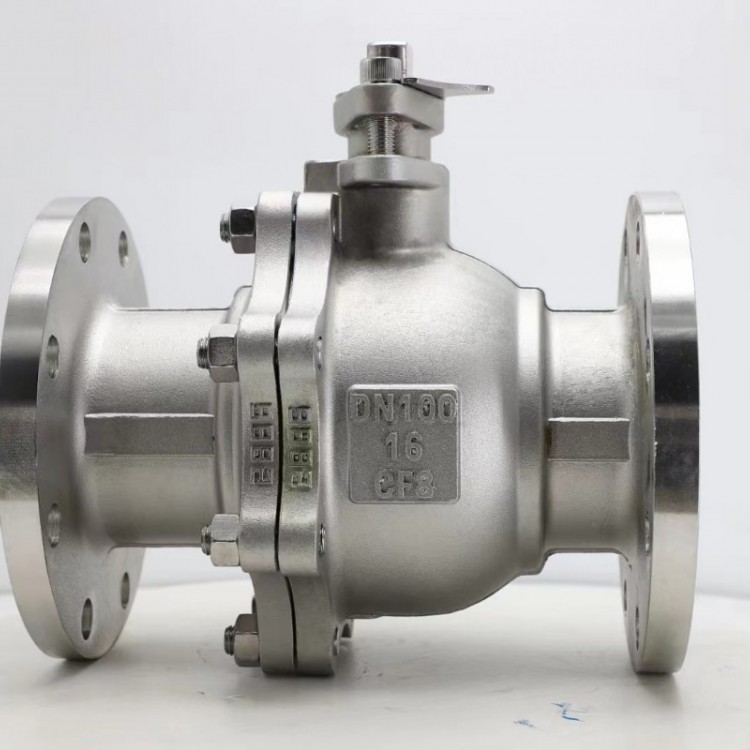
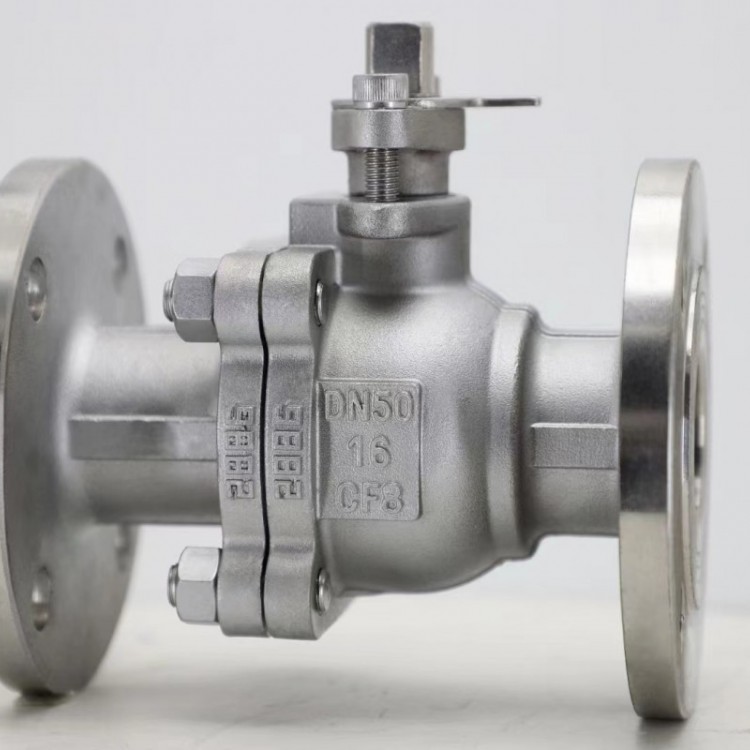












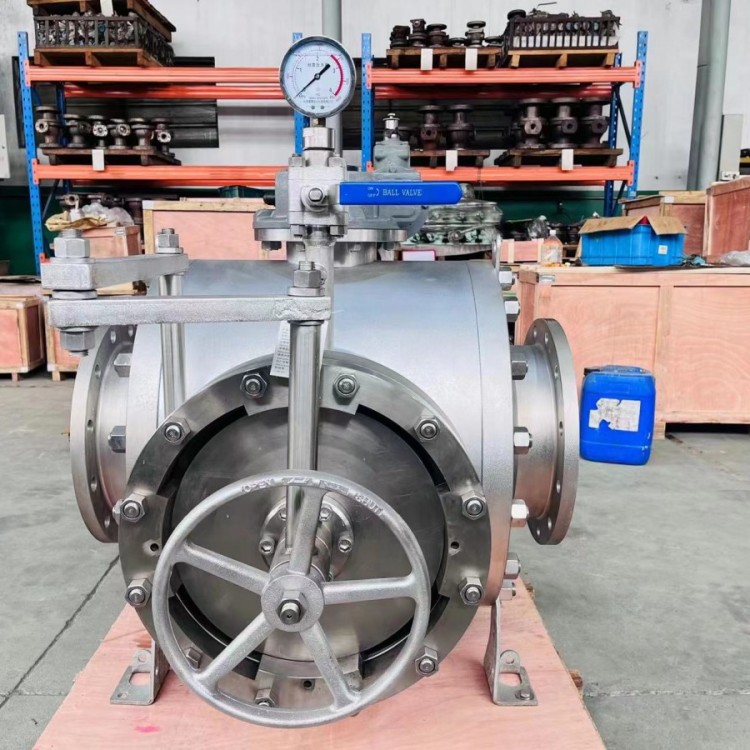
The working principle of the manual ball valve is to allow or block the valve passage by rotating the valve core. The ball valve is easy to operate, compact, available in various sizes, and offers reliable sealing. Its simple structure and ease of maintenance are notable features. The sealing surface and ball are often in a closed state, making them resistant to erosion by the medium. It is widely used across various industries.
The manual ball valve operates as follows:
Process Initiation
At the closed position, the sphere is mechanically pressed against the valve seat by the valve rod.
2 As the handwheel is turned counterclockwise, the valve stem moves in the opposite direction, causing the bottom triangular flat surface to disengage the ball from the valve seat.
The valve stem continues to rise and interacts with the guide pin within the valve stem spiral groove, allowing the ball to start rotating frictionlessly.
4. Until fully open, lift the valve stem to position, and rotate the ball to the fully open position.
Closing Process
When closing, rotate the handwheel clockwise. The valve rod begins to descend, causing the ball to lift off the valve seat and start rotating.
2 Continue rotating the handwheel. The valve stem is acted upon by the pin embedded in the spiral groove on it, causing both the valve stem and the ball to rotate 90° simultaneously.
At the brink of closure, the sphere rotated 90° without contacting the valve seat.
The last few rotations of the handwheel mechanically wedge the triangular flat at the bottom of the valve stem against the ball, pressing it tightly onto the valve seat for a complete seal.
Manual ball valves are suitable for media such as water, gas, oil products, natural gas, and corrosive acidic or alkaline mediums.
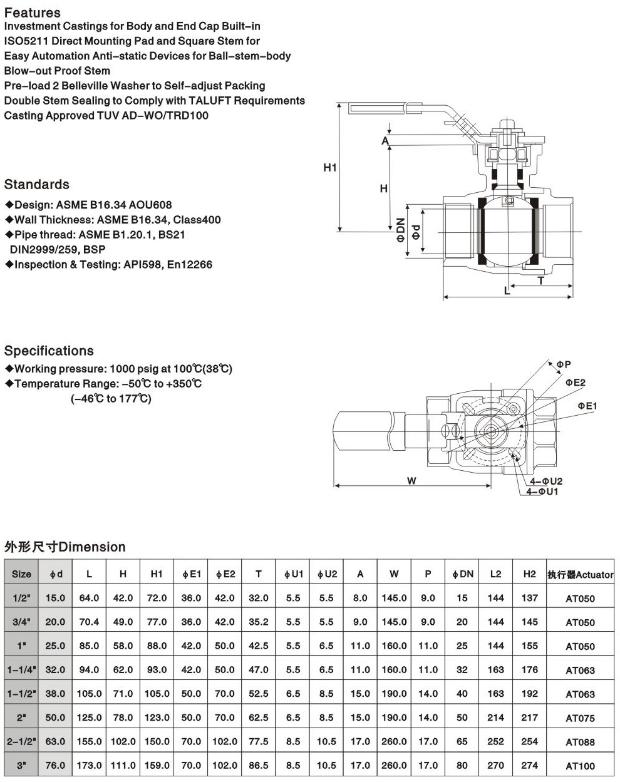
Temperature Range: -196°C to 350°C
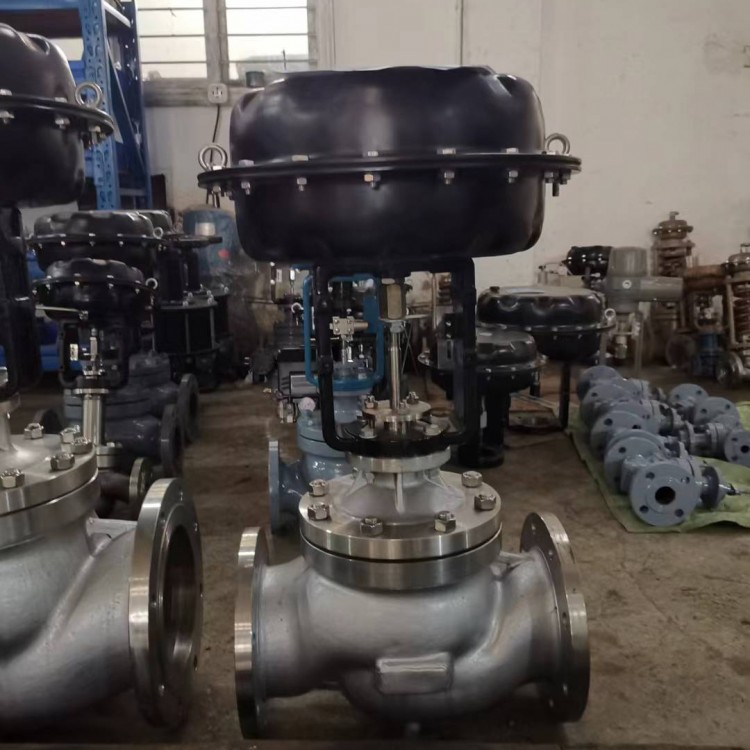
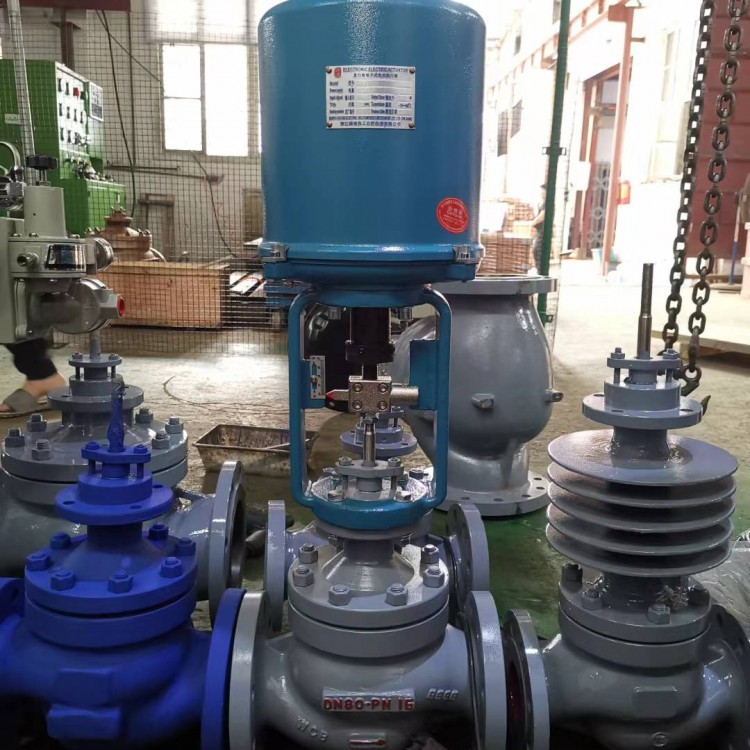
Drive Methods: Manual, Pneumatic, Electric, Hydraulic, etc.
Nominal Bore: DN 15-250 1/2" to 10"

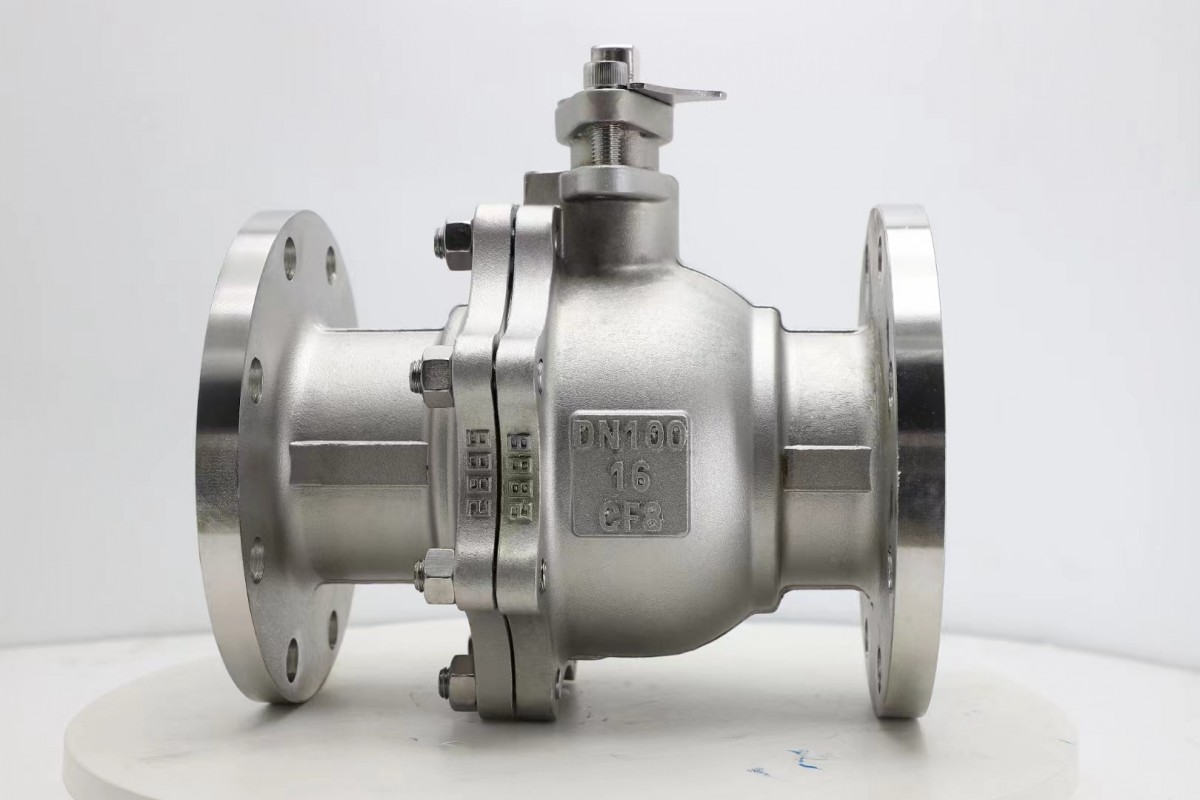
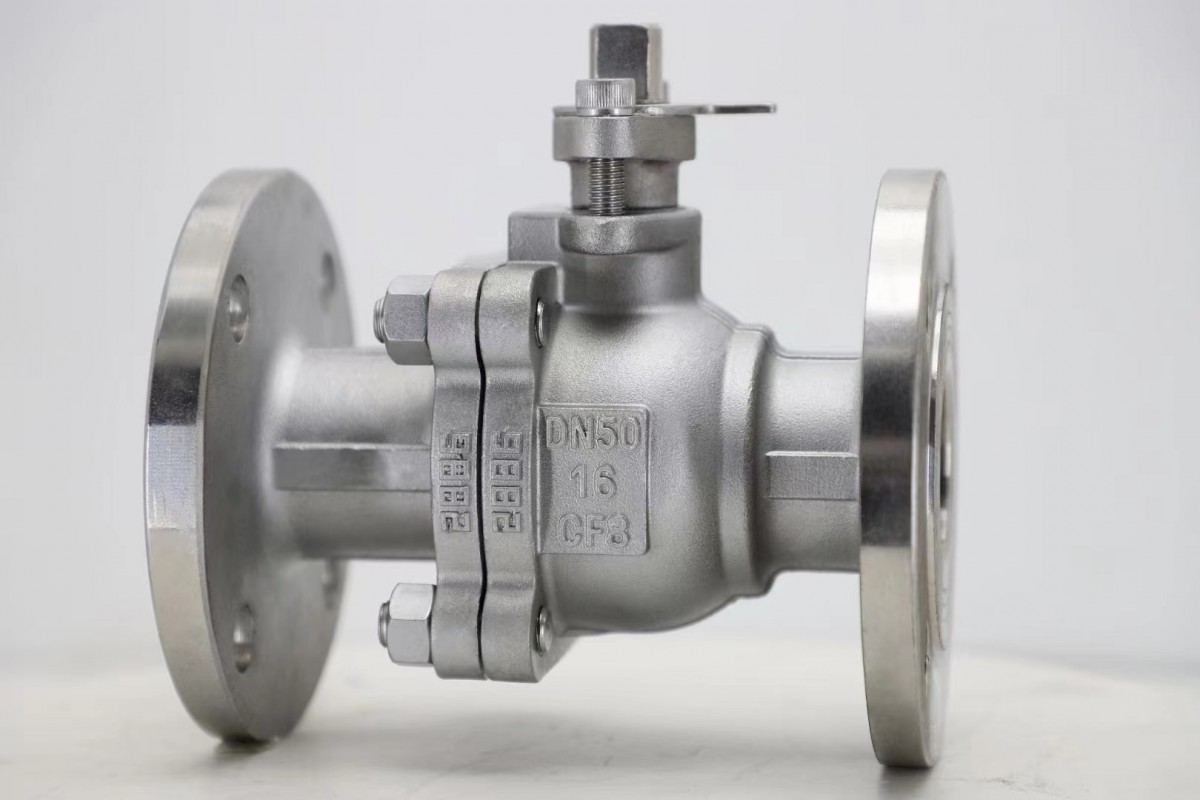
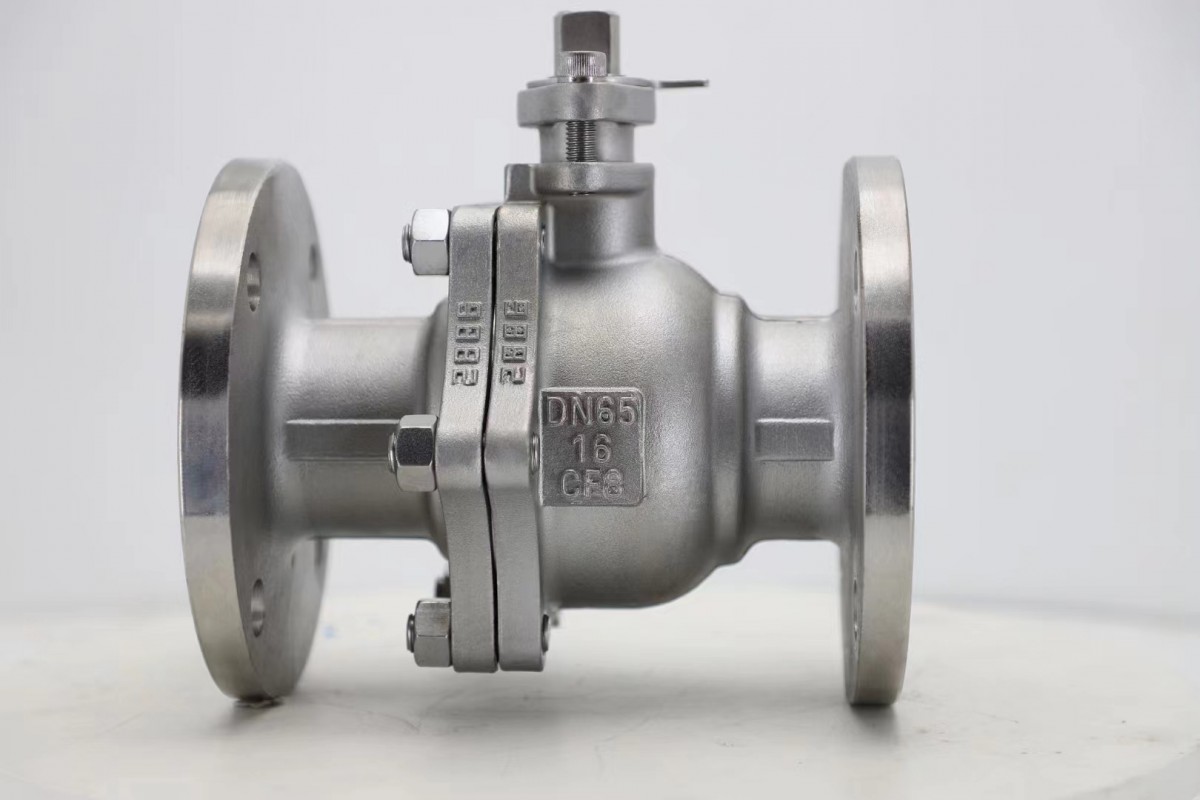
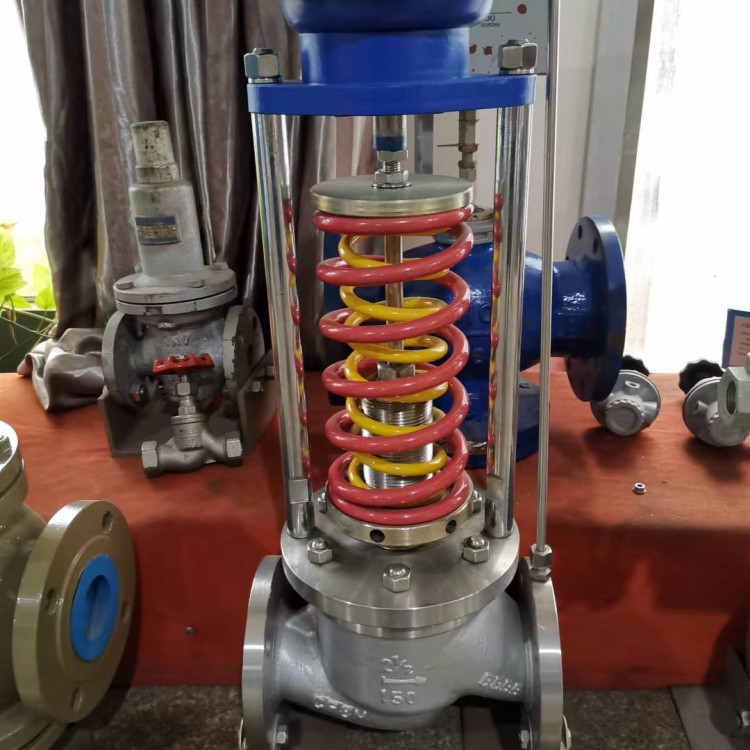
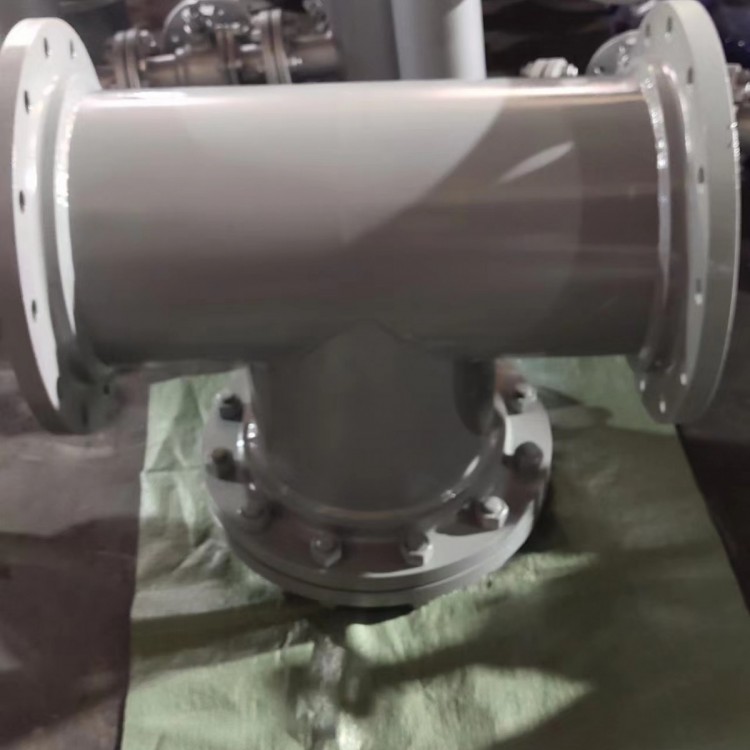
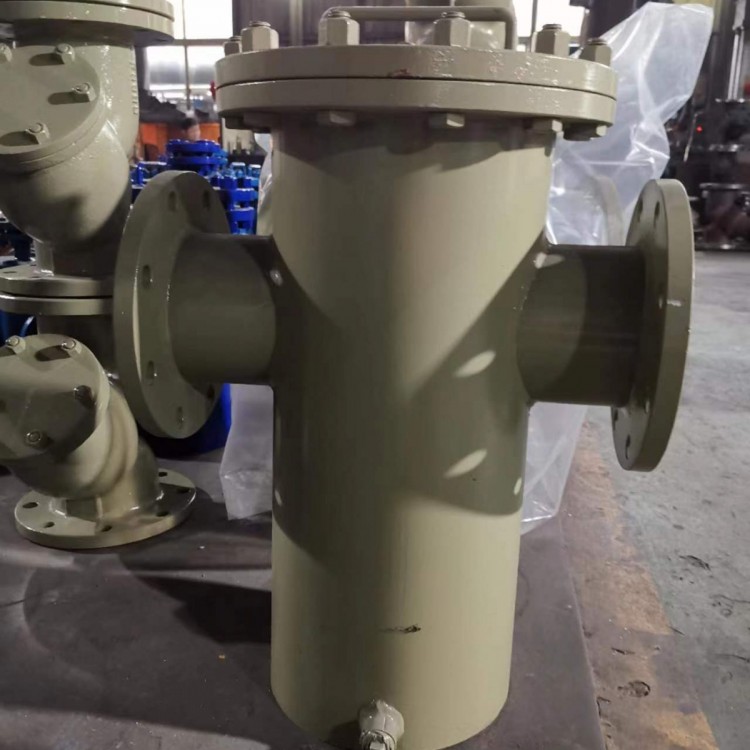
Manual Ball Valve, Manual Flanged Ball Valve Dimensions and Images: