












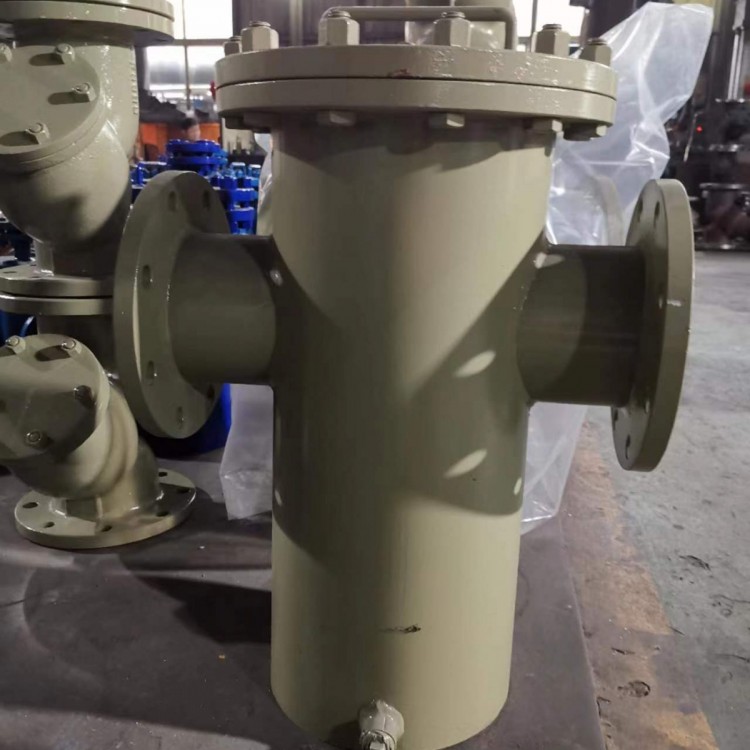
Structural Features
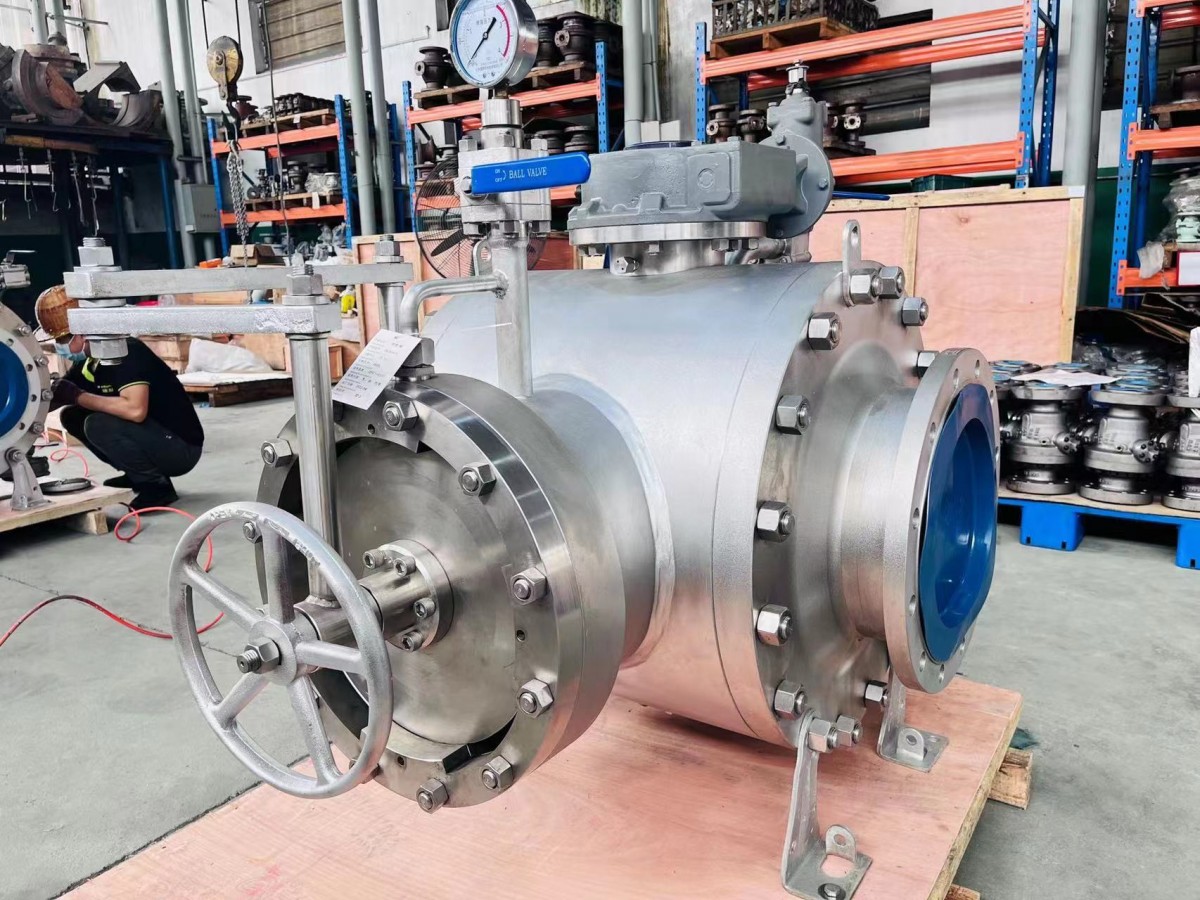
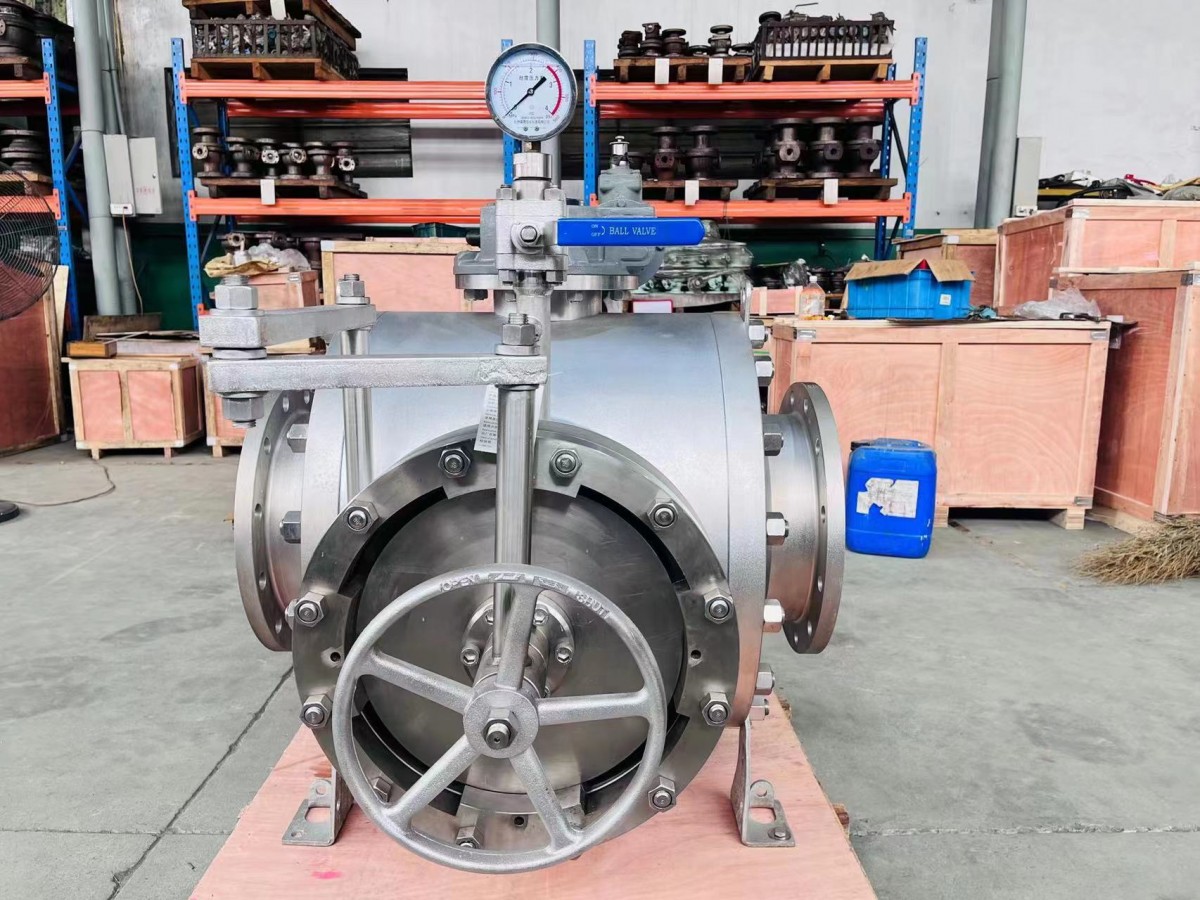
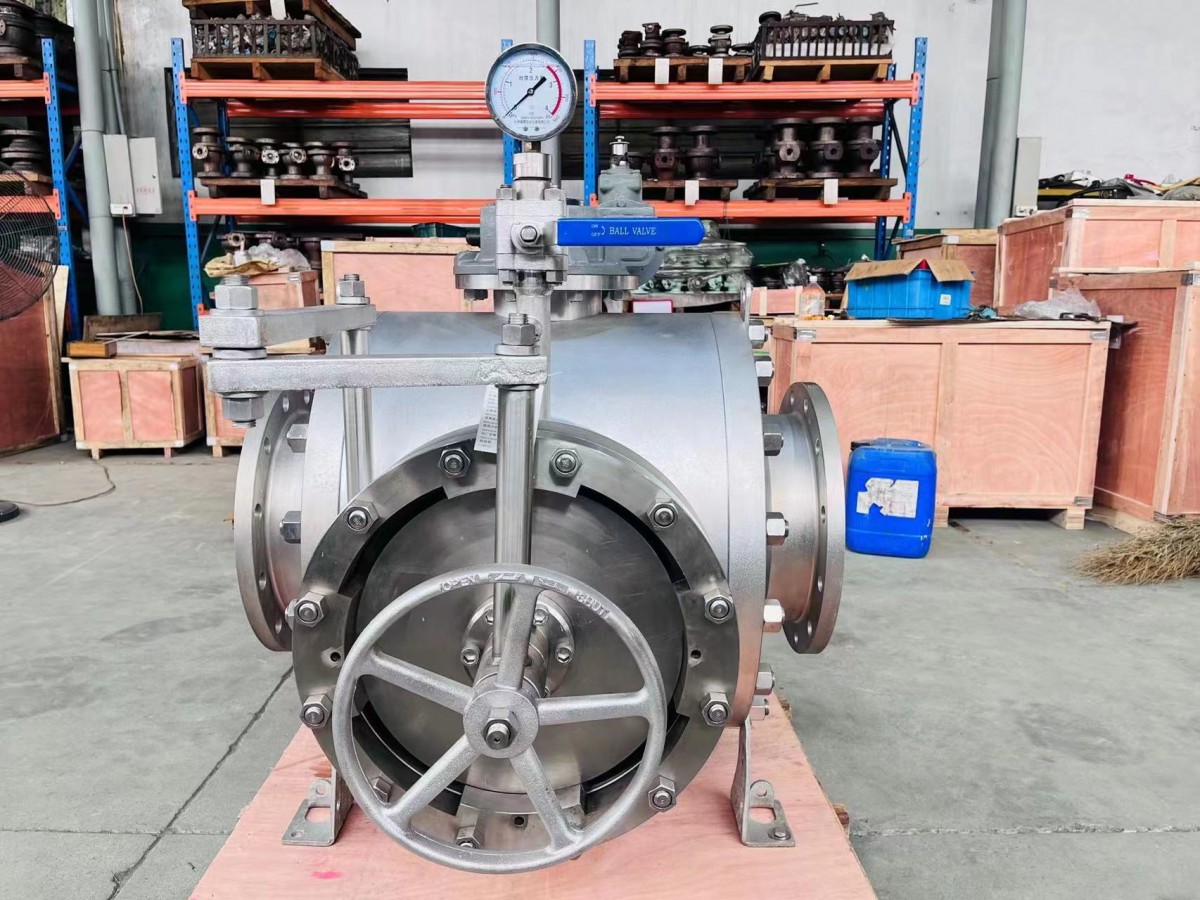
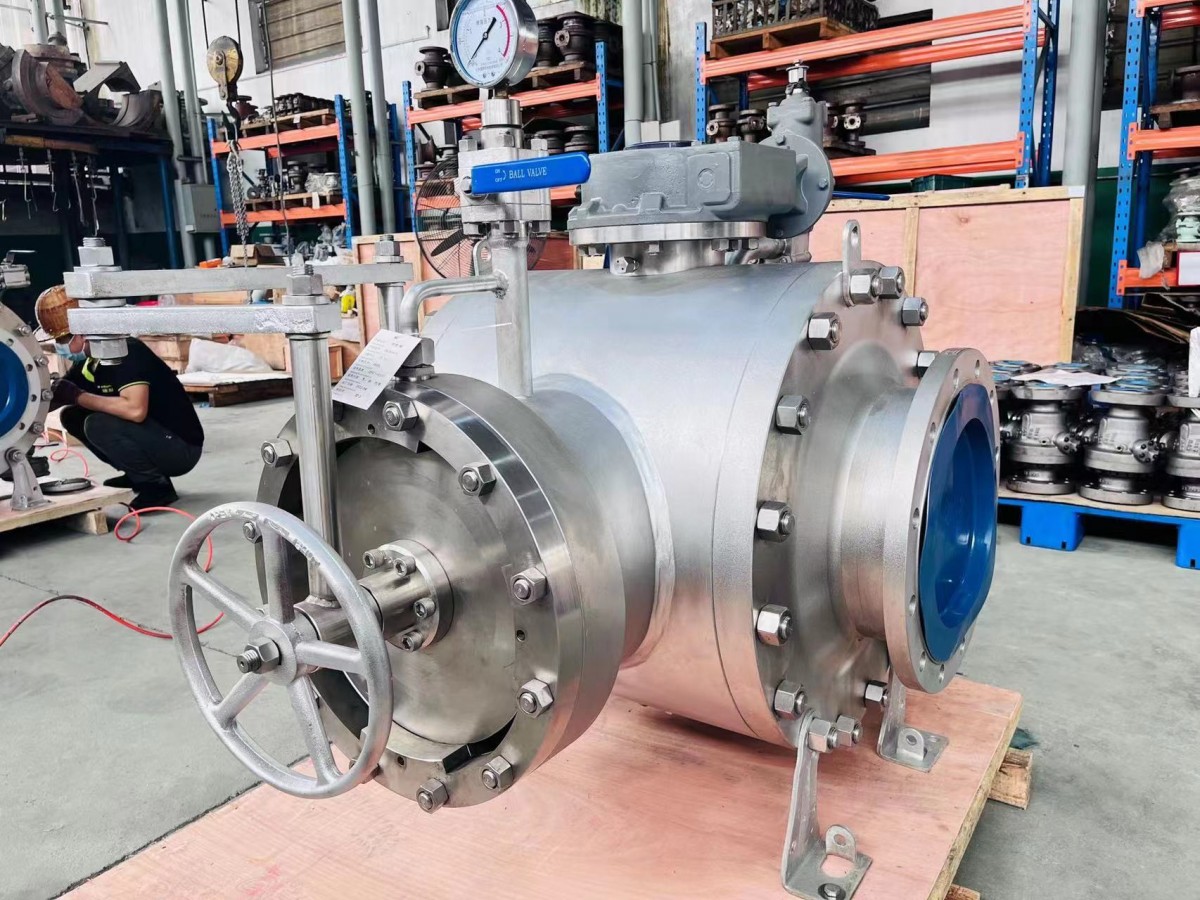
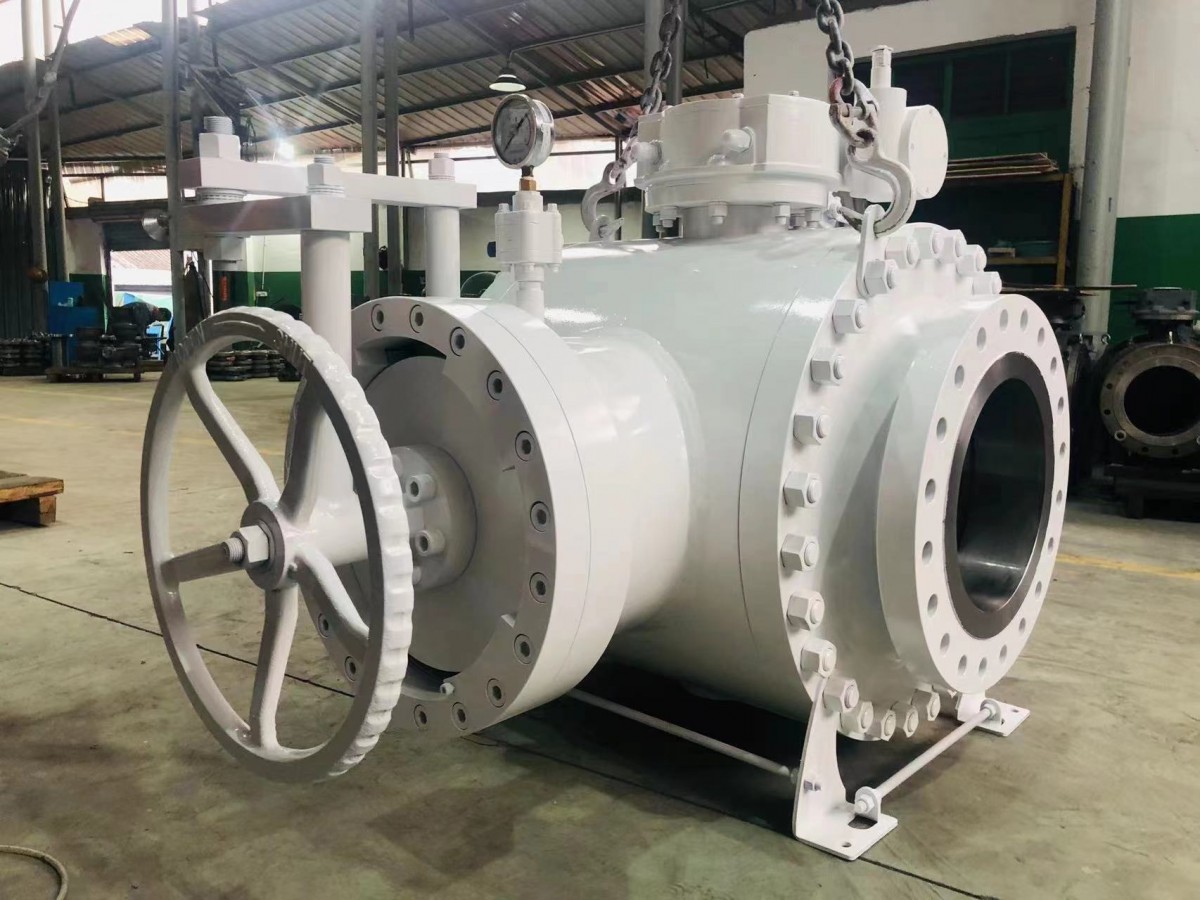
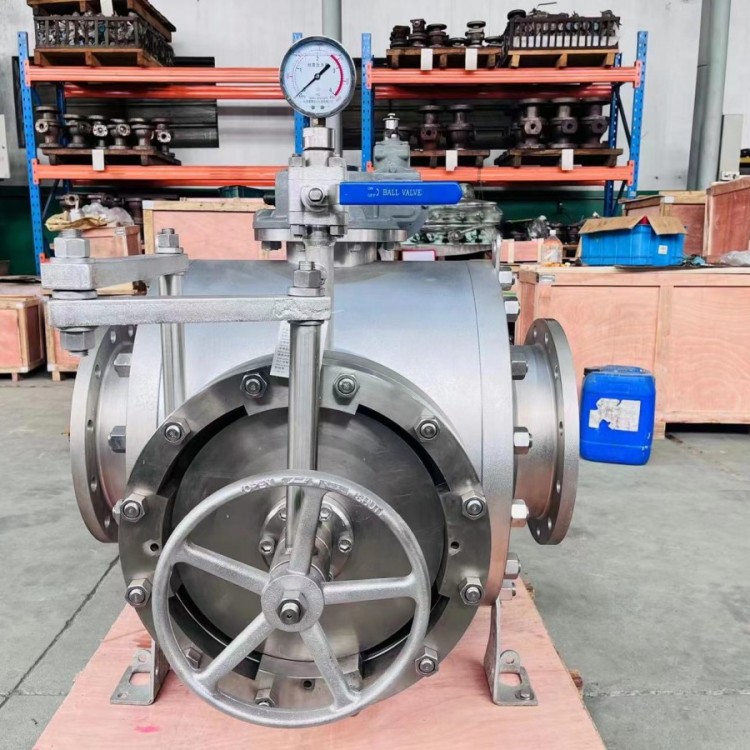
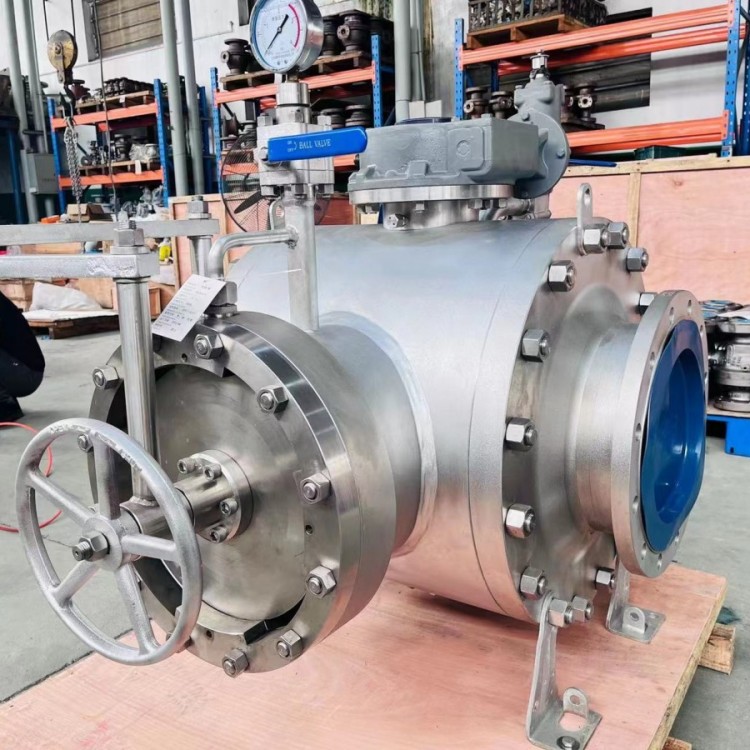
A pig valve is a type of valve primarily used for cleaning pipelines in long-distance pipelines for water, oil, and natural gas, serving as the发射 and reception device for pigs. When paired with the appropriate pigs, it can easily accomplish pipeline cleaning, emptying and isolation, sequential transport of media, and pipeline system testing. It can completely replace the traditional pig launcher and receiver devices that are complex and centered around pig receiving drums. The structural characteristics of the pig valve are a new type of valve that has been innovatively designed by modifying and adding functions to the fixed ball valve principle. It fully inherits the performance features of the two-way cutting ball valve, achieving valve opening and closing through the 90° rotation of the ball core, which facilitates the design of double block and bleed, allowing the valve to vent the cavity medium when fully open or closed. This function is essential for pig valves.
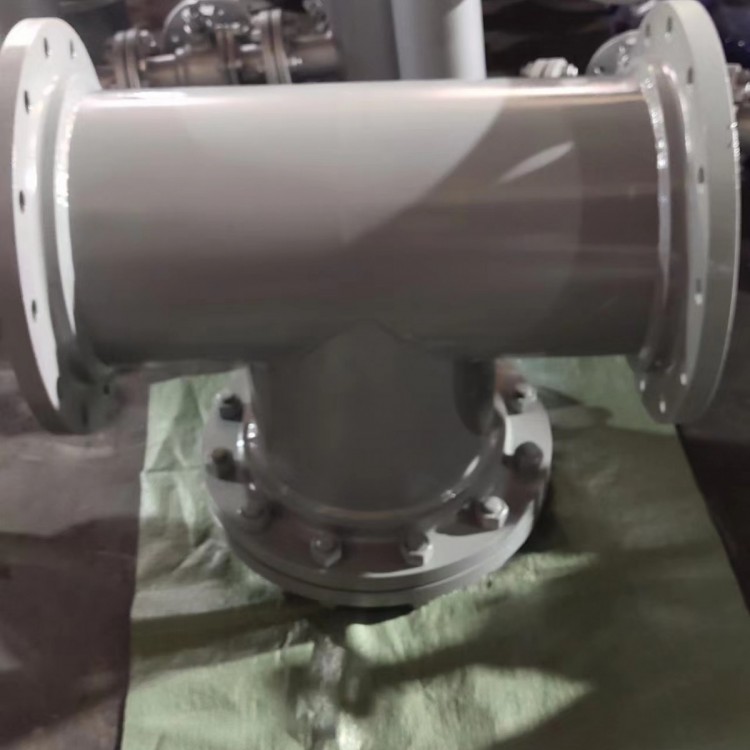
The valve body features a lateral branch pipe, with its center perpendicular to the pipeline center. Quick-open blind plates and vent valves are installed on the branch pipe, facilitating easy insertion of the pig into or extraction from the pigging valve. The ball-shaped through-hole has a larger diameter, and at one end, a baffle is set to block the pig while allowing medium flow.
All pressure tests are conducted and ensure there are no visible leaks in any sealed areas; fire-safe design, where upon the elastomer seat being burned, a metal-to-metal seal forms between the ball valve and seat; high-temperature graphite gaskets are set at the valve body, cover, and stem sections to ensure reliable high-temperature sealing, with fire resistance tests complying with API 6FA and API 607 standards; static dissipative design, with a conductive spring ensuring good conduction between the ball, stem, and body, safely dissipating static electricity generated by friction.