












Product Overview
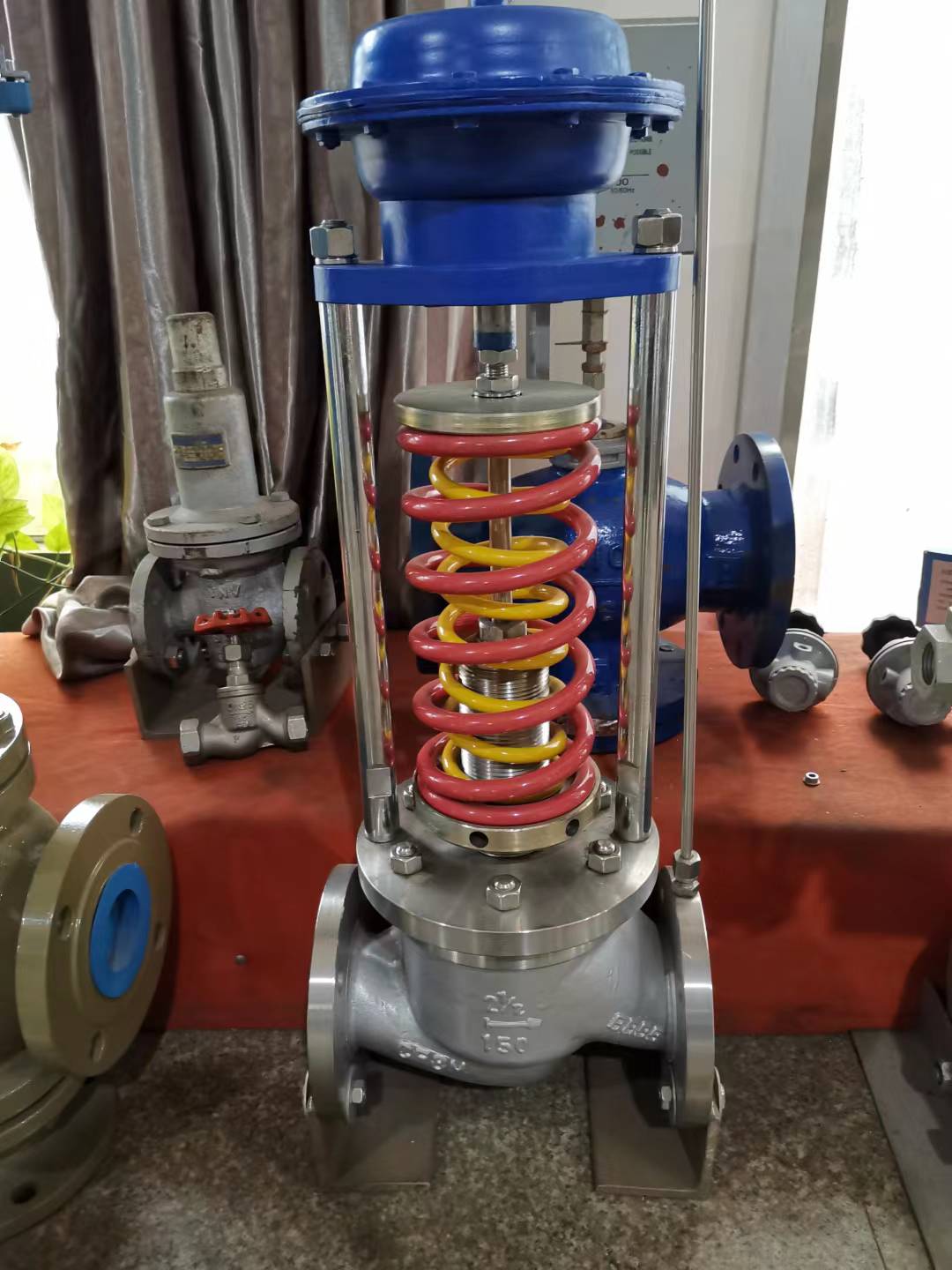
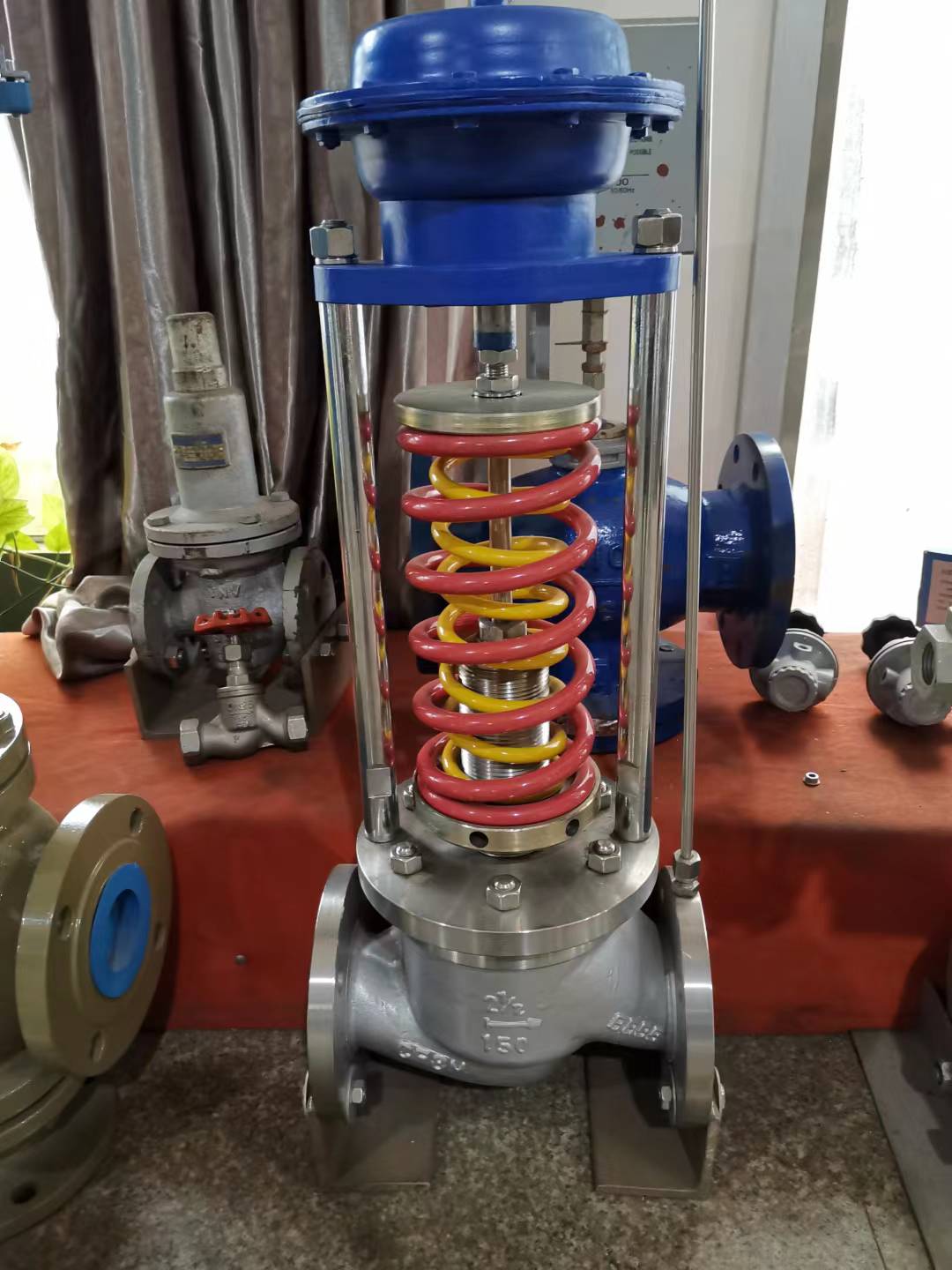
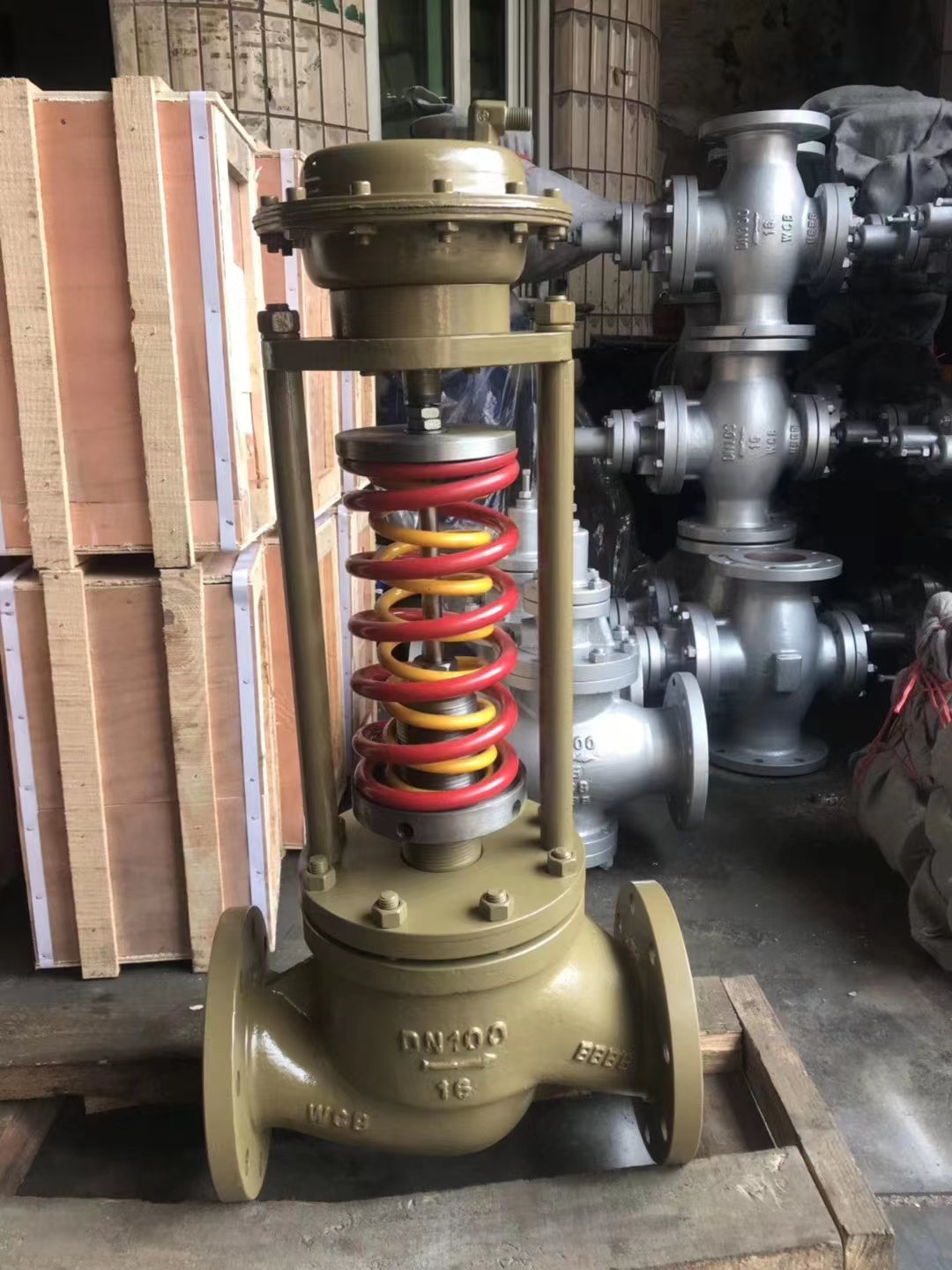
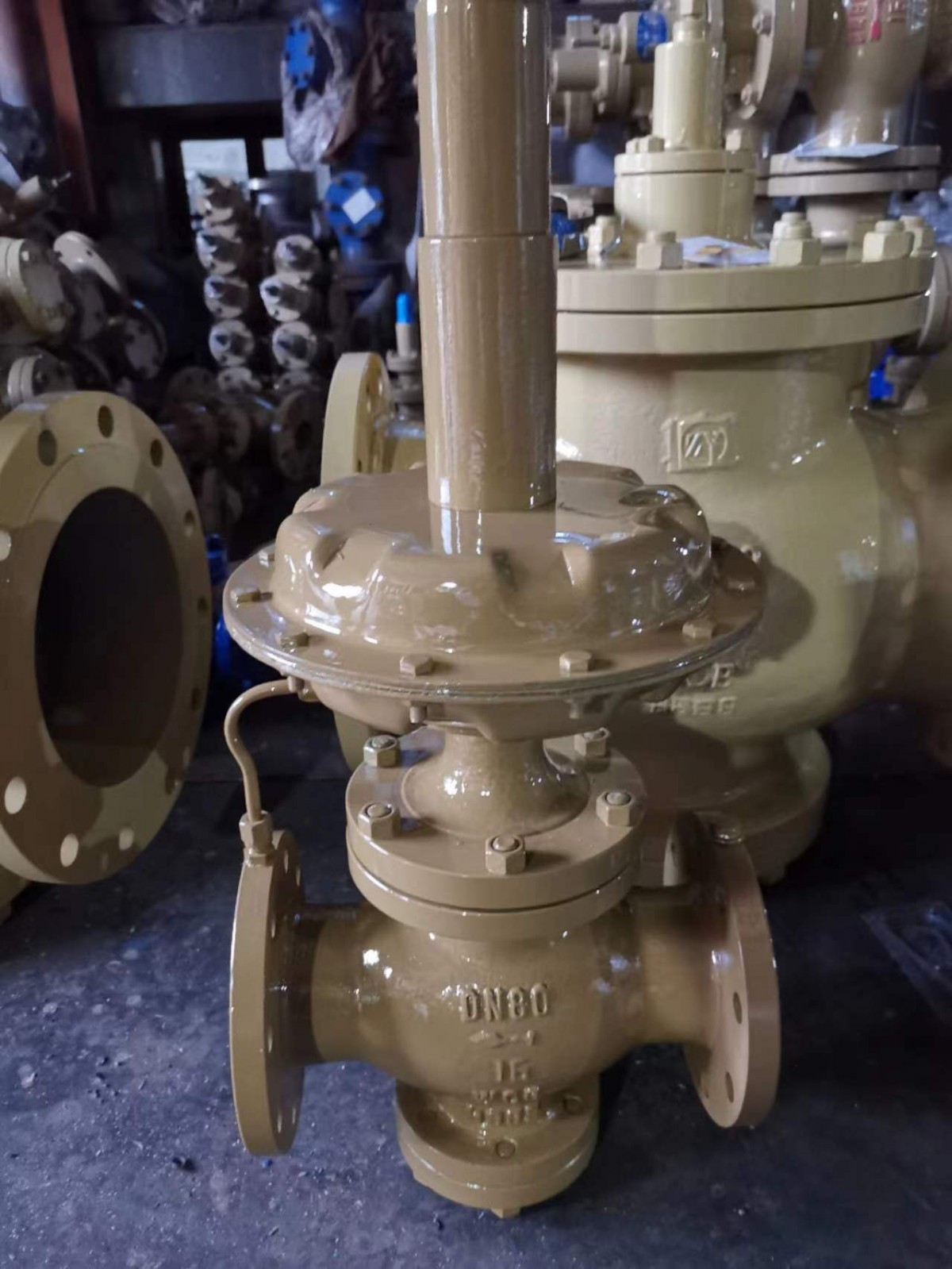
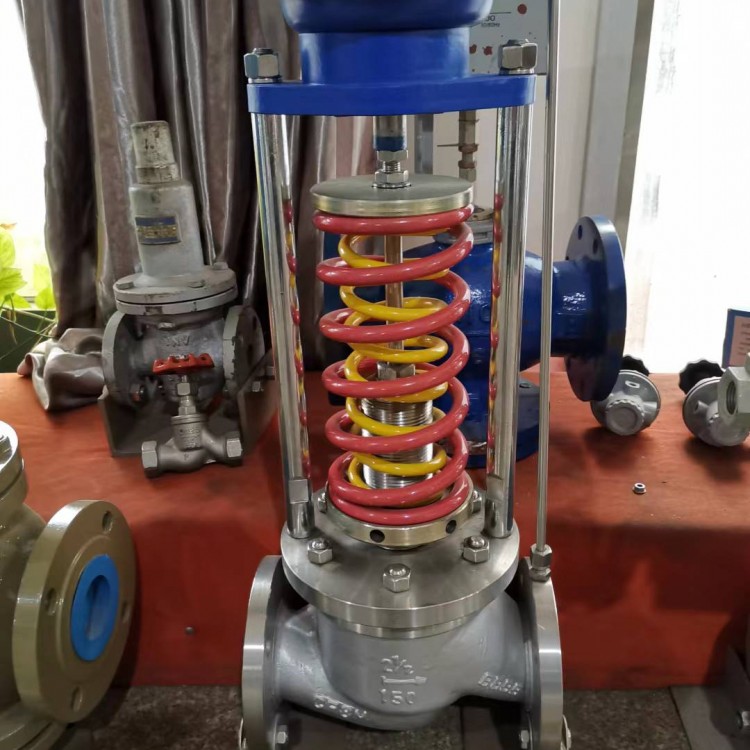
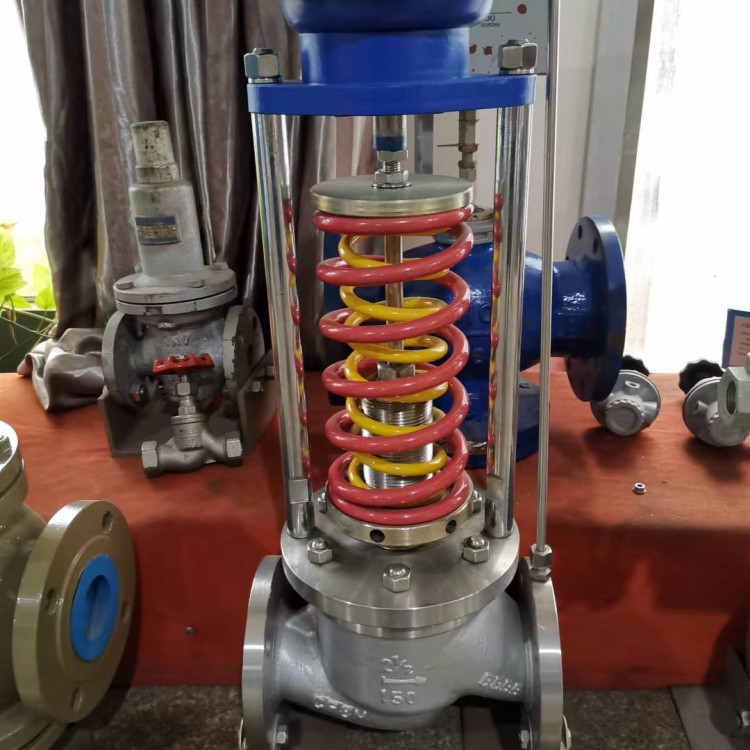
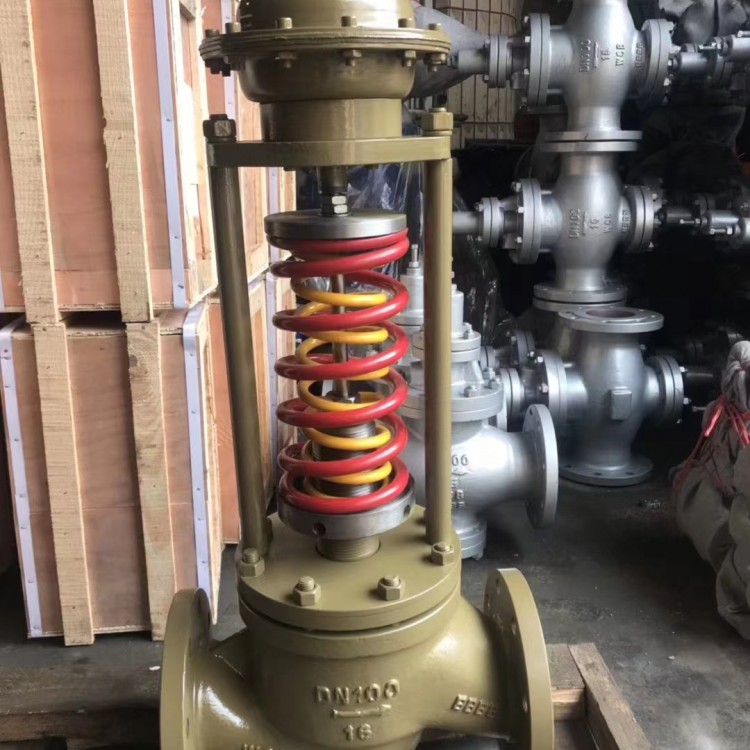
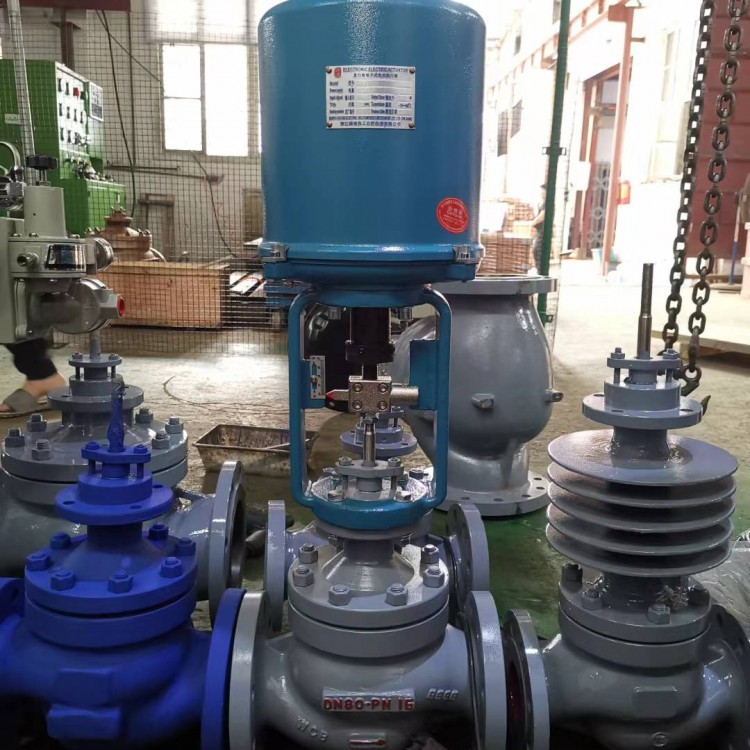
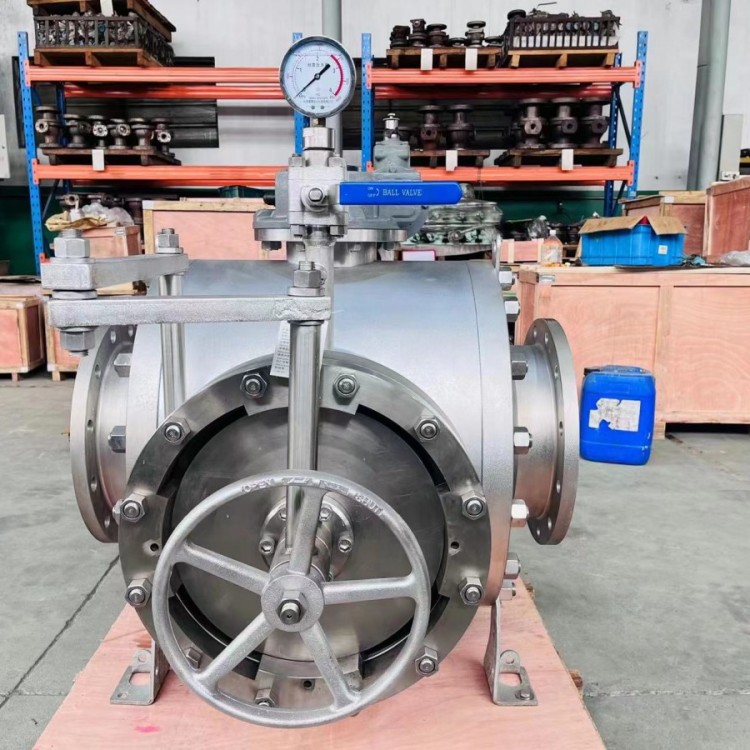
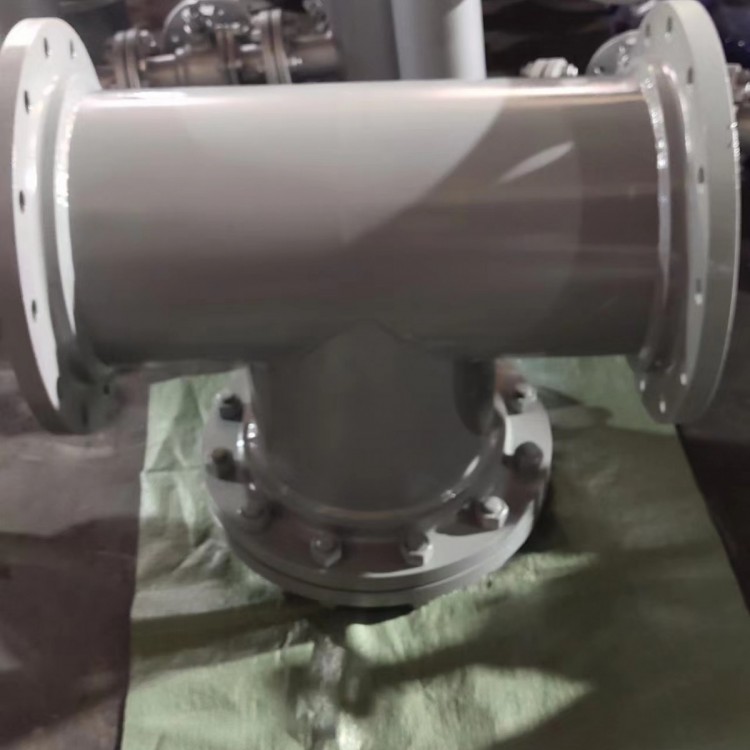
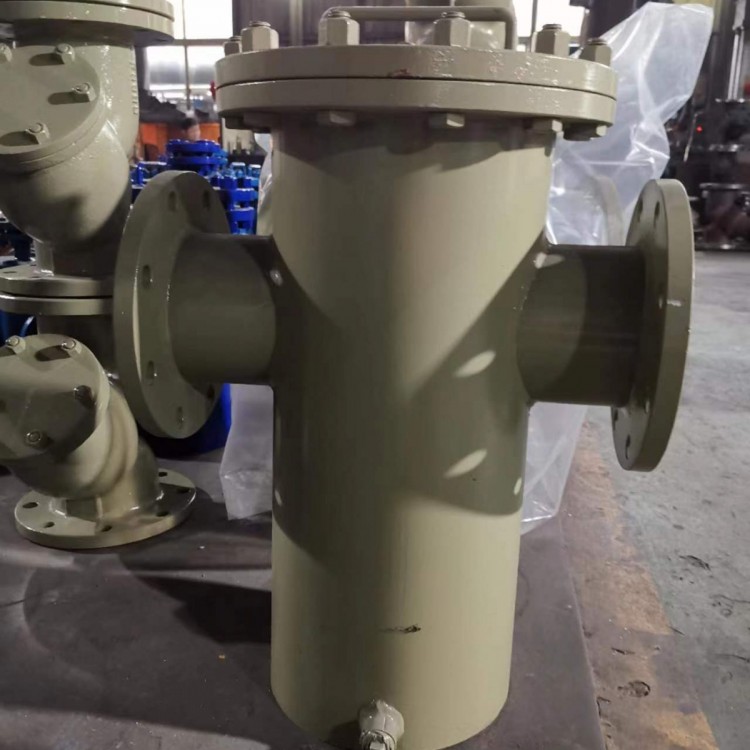
Self-contained pressure regulating valves require no external energy source. They utilize the energy of the controlled medium itself as the power source, adjusting the valve core position through the actuating mechanism to change the flow area, thereby altering the pressure difference and flow rate at both ends. This ensures that the pressure before or after the valve remains stable at the specified value. They offer advantages such as sensitive operation, good sealing, and minimal pressure fluctuations, and are widely used in automatic control for pressure reduction and stabilization or pressure relief and stabilization of gases, liquids, and steam in various industrial equipment.
Product Features
The pressure set point can be adjusted on-site within the pressure regulation range.
2. The valve body is modularly designed with the actuator, allowing for quick changes to the actuator or spring based on on-site requirements, enabling rapid adjustments to the pressure regulation range within a certain scope.
3. Self-contained pressure regulating valves typically use bellows as the pressure balancing element. The pressure changes before and after the valve do not affect the valve core's load condition, significantly increasing the valve's response speed and thus enhancing its regulating accuracy. For small bore sizes, bellows are not required as the pressure balancing element.
4. The self-contained pressure reducing valve utilizes a self-balancing double-sealed sleeve as the throttle element. The medium must be clean and free of granular impurities. It is suitable for applications with significant pressure drop and relatively small valve port diameters (DN20~200), where the valve is generally not required to be closed. It is only applicable for controlling the pressure condition downstream of the valve.
5. The self-contained pressure double seat regulating valve utilizes a self-balancing double seal double valve core as the throttle element, suitable for applications with larger valve port diameters.
6. Flow restrictor structure, designed to reduce fluid flow velocity and decrease noise.
7. Piston balance is used for applications with high pressure differentials, where the controlled medium is non-corrosive to rubber, and temperatures are not high.
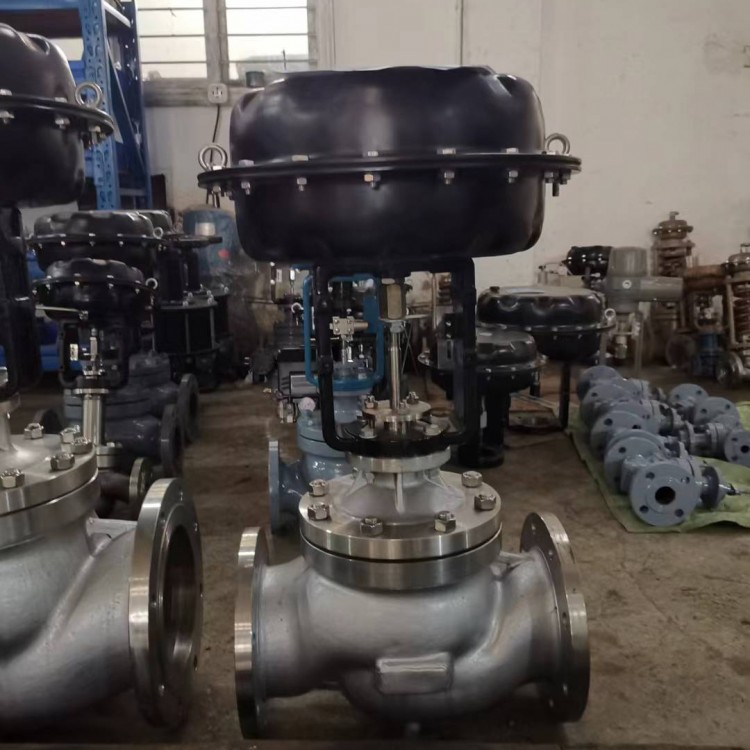
8. The diaphragm actuator uses a rubber diaphragm as the detection element, featuring low resistance, rapid response, and high adjustment accuracy. Suitable for pressure set values ≤ 0.6 MPa.
9. The pneumatic actuator employs a cylinder piston as the detection element and rubber as the sealing material, suitable for high-pressure control applications with a pressure setpoint of ≥0.6MPa.
10. The bellows actuator uses bellows as the detection element, suitable for harsh conditions such as high temperatures (where the working medium cannot be isolated with a separator fluid), low temperatures, corrosive effects on rubber components, and oil prohibition.
11. When the medium is steam, if a film-type or piston-type actuator is used, a condenser tank is required to lower the temperature of the working medium within the actuator, and to protect the diaphragm or seals.
12. The stop valve on the pressure gauge pipe is an accessory. The valve should be closed before operation to prevent impurities from entering the actuator, protecting the diaphragms and seals inside the actuator, and to avoid valve damage due to overpressure beyond the set limit.