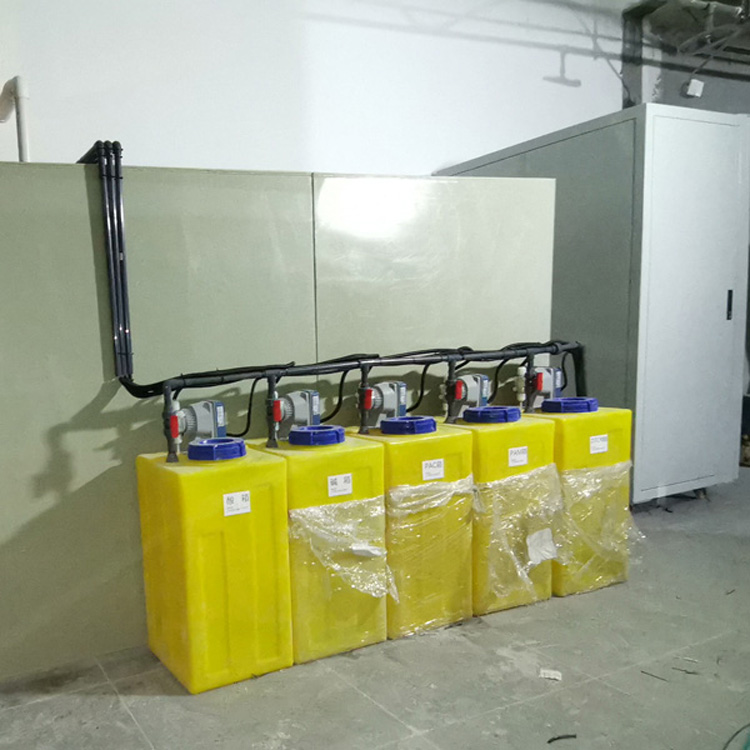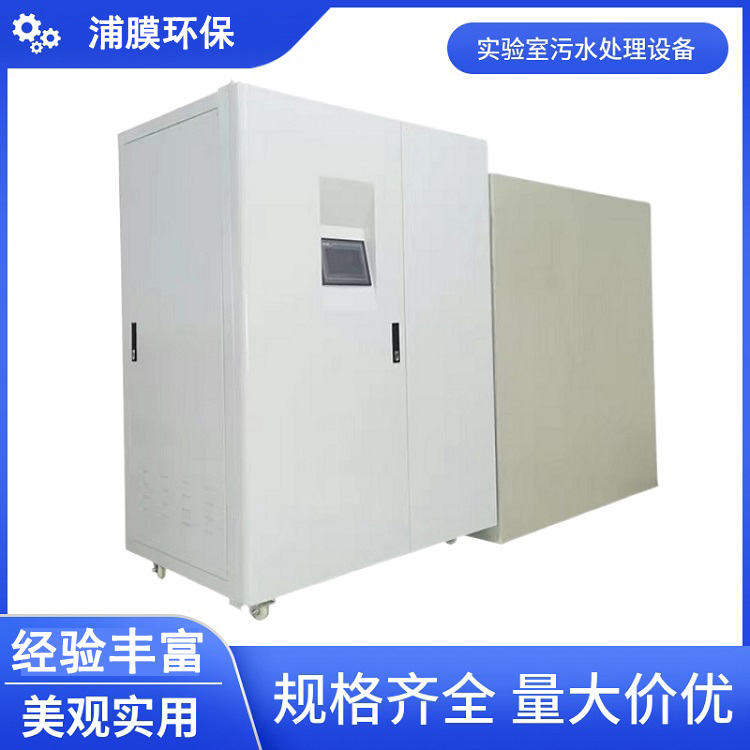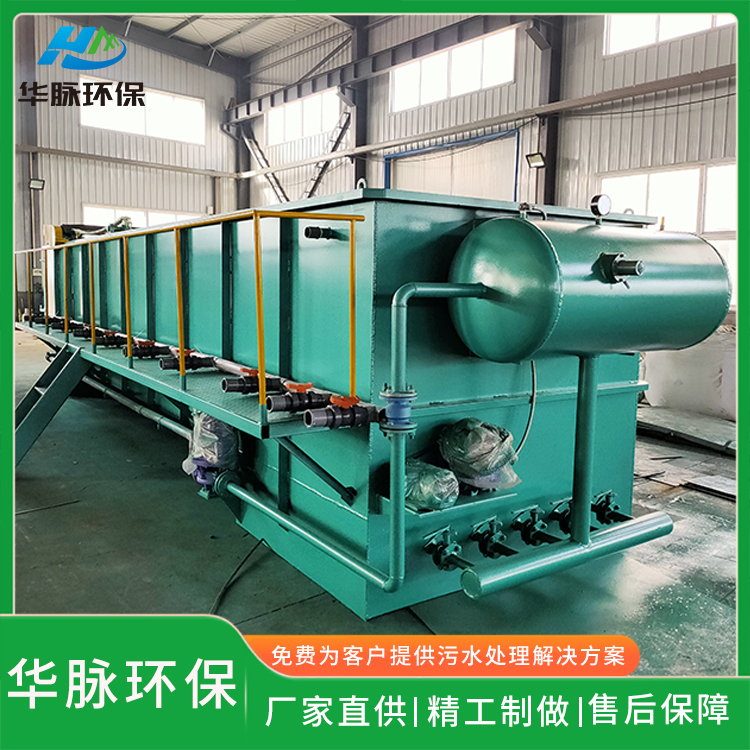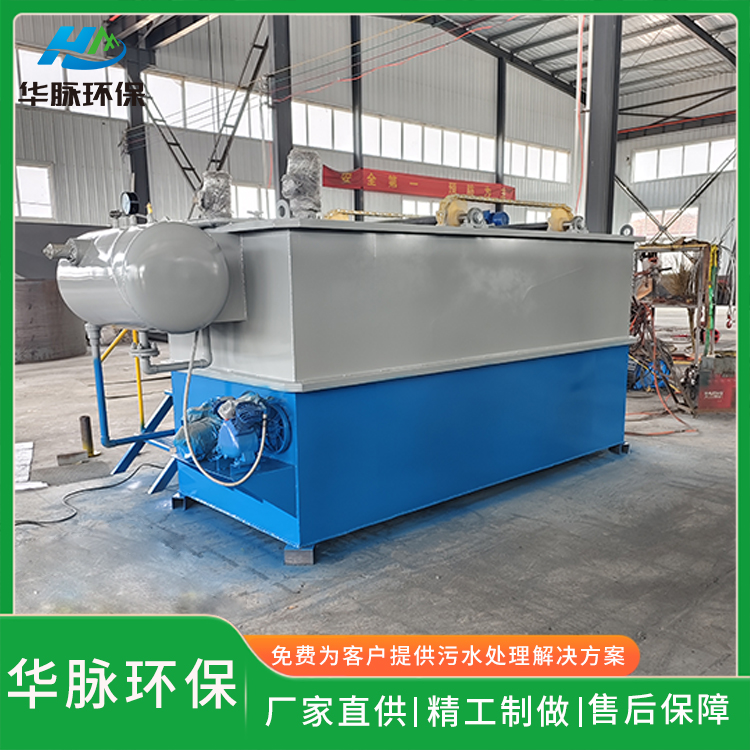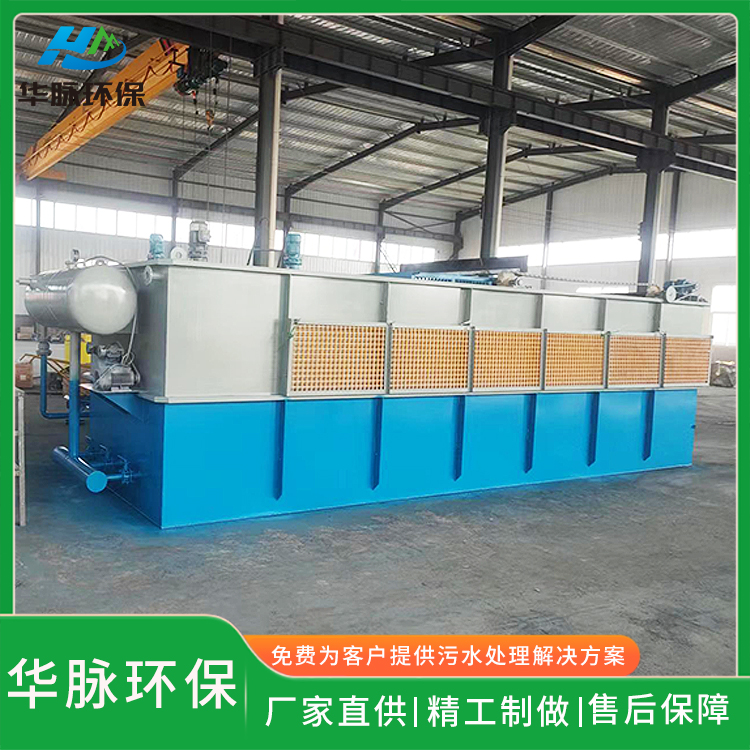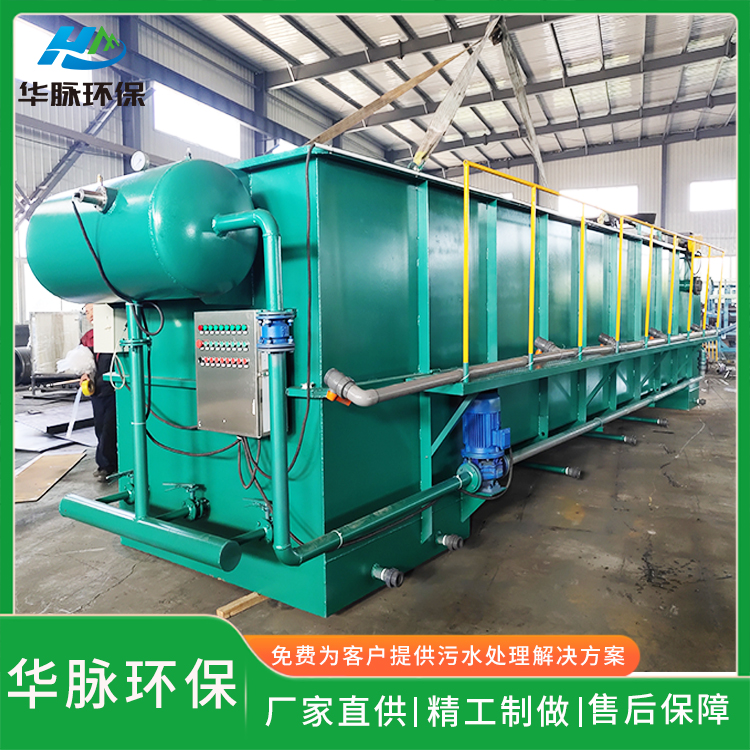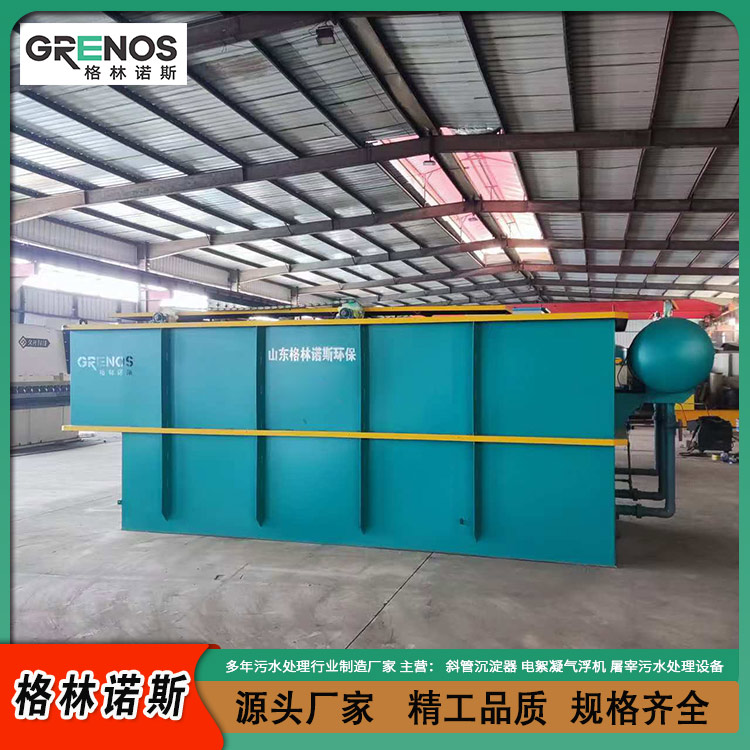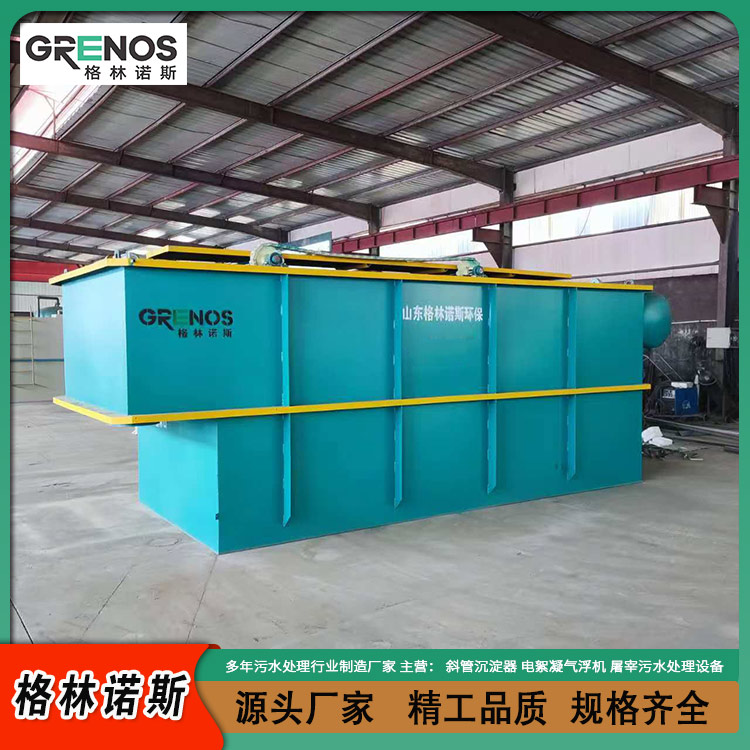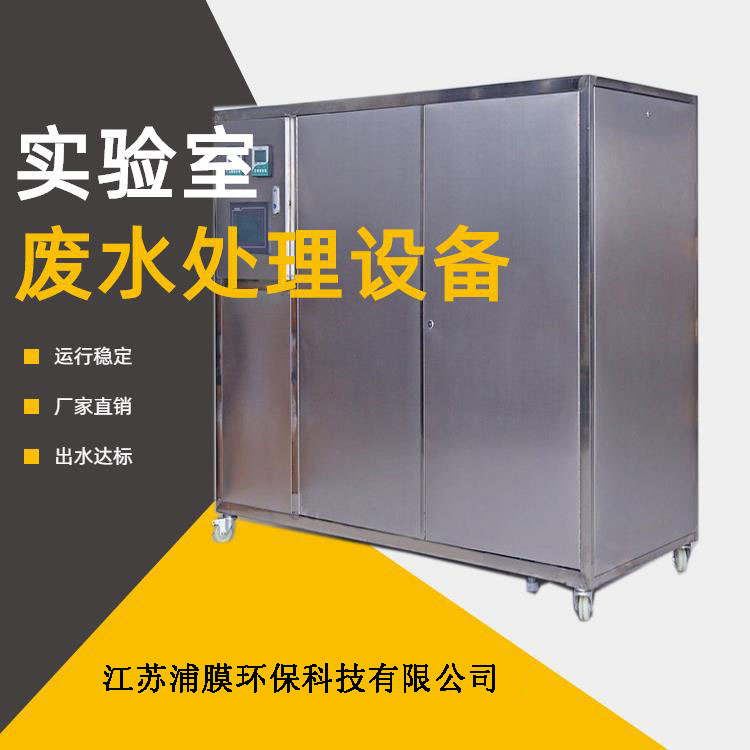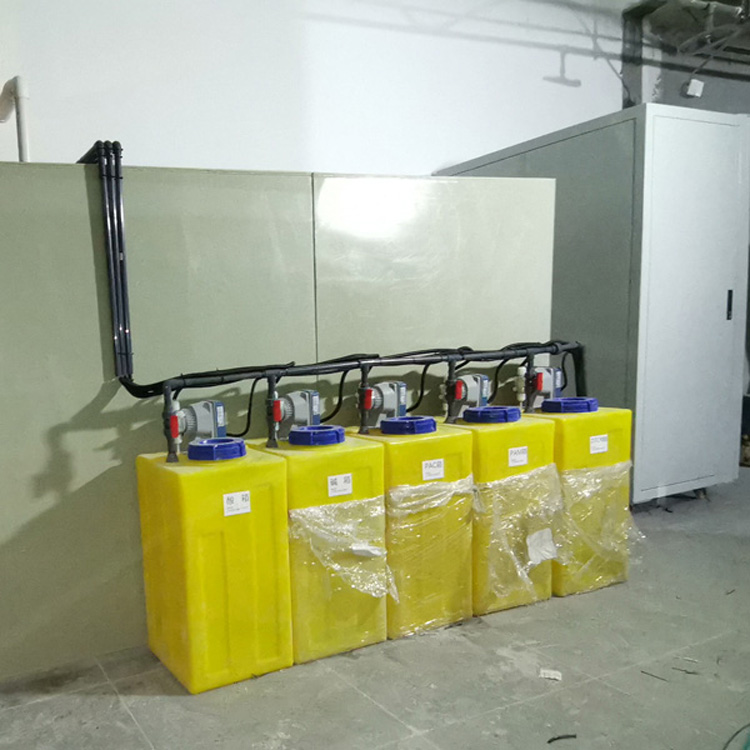
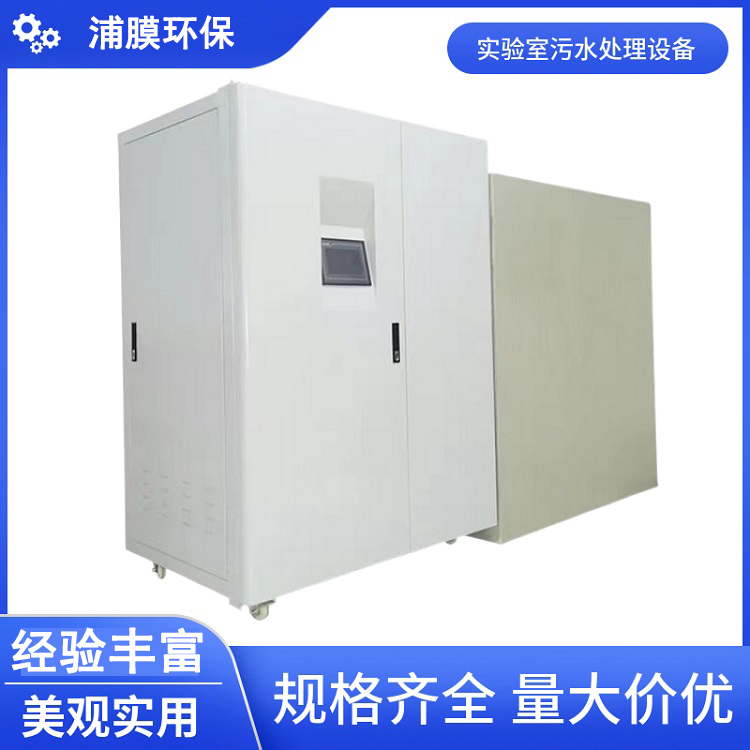
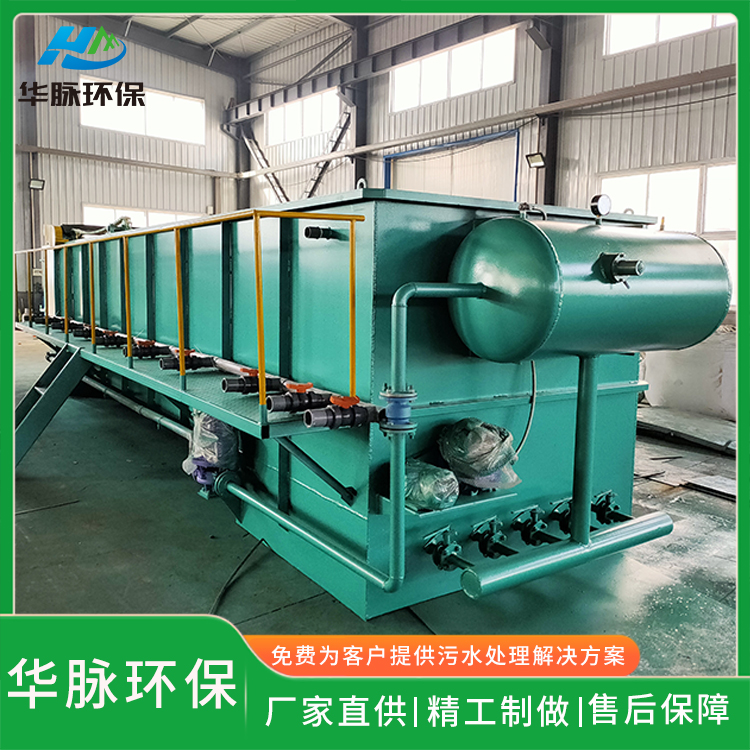
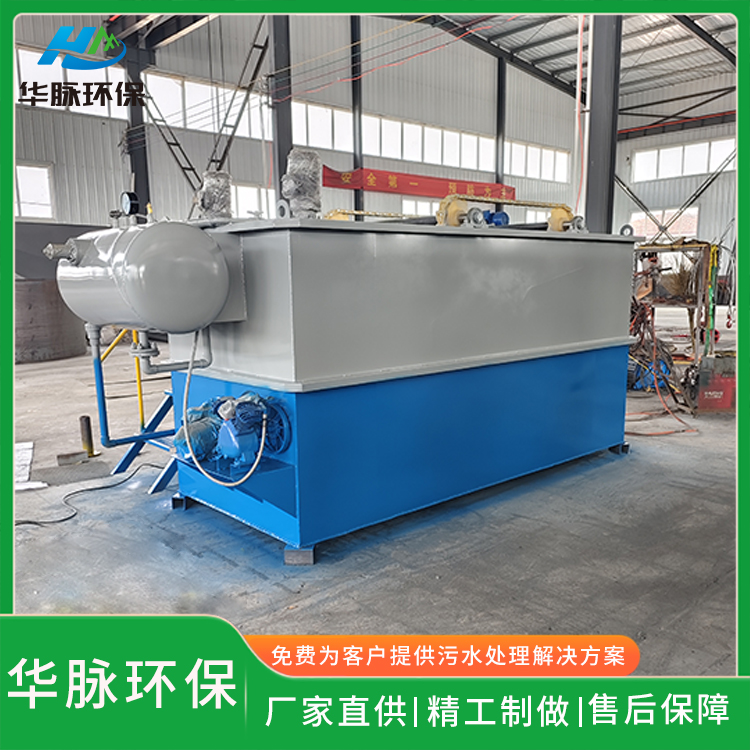
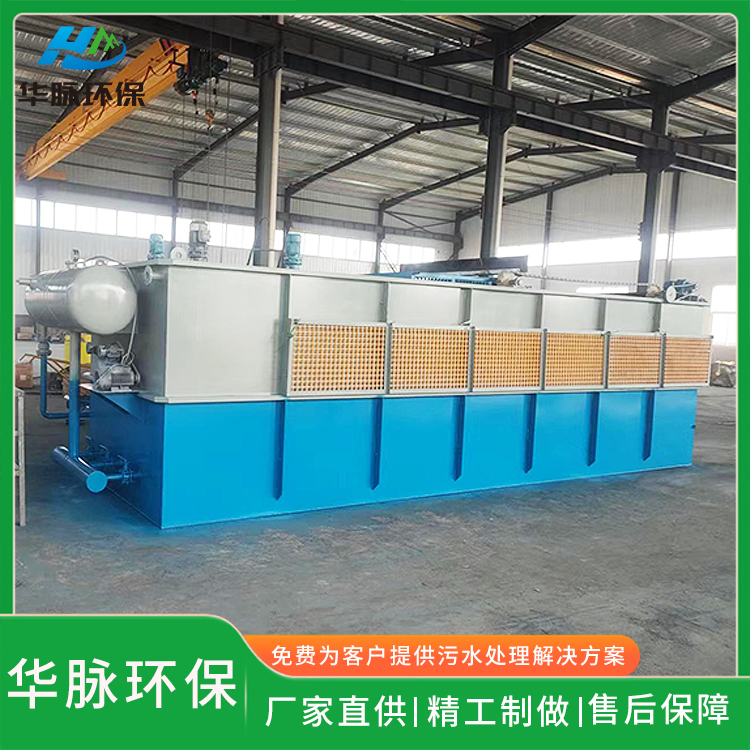







The laboratory wastewater treatment equipment of the physical examination center operates by diffusing condensate hydrolyzate into the water, simultaneously expelling water and causing instability, resulting in good flocculation effects. The biological treatment process can be divided into aerobic processes, anaerobic processes, stabilization ponds, land treatment, and various combined processes formed by the integration of these processes. Food wastewater is an organic wastewater, and the biological method is the main secondary treatment technology, aimed at degrading COD and BOD5. The aerobic biological treatment process can be divided into activated sludge process and membrane process based on the growth form of the microorganisms used. The former includes traditional activated sludge process, segmented aeration process, biological absorption process, complete mix process, delayed aeration process, oxidation ditch, intermittent activated sludge process (SBR), etc. The latter includes biological filter, tower biological filter, biological rotating disk, active biological filter, biological contact oxidation process, aerobic fluidized bed, etc. Generally, aerobic treatment is effective for low-concentration wastewater. Anaerobic biological treatment process is suitable for food industry wastewater, mainly due to the presence of easily biodegradable high-concentration organic matter in the wastewater. Additionally, anaerobic treatment has low energy consumption, produces less residual sludge, and the anaerobic treatment system is fully enclosed, which is beneficial for environmental health improvement. It can operate seasonally or intermittently, and sludge can be stored for a long time.
WeChat Official Account

Scan to follow Official Account