






Wastewater sludge disposal issues
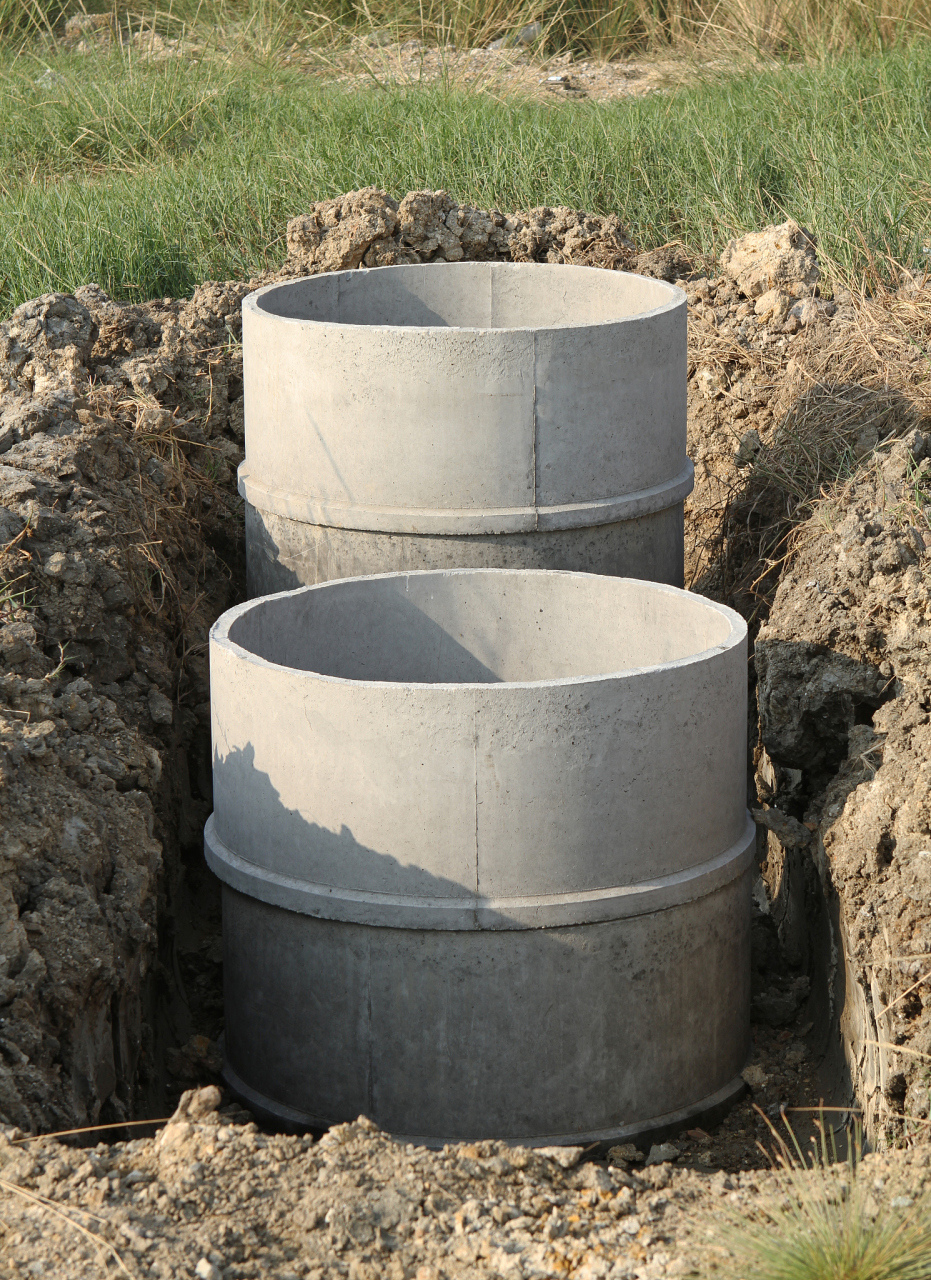
In accordance with the technical standards for septic tanks, the sludge removal time for septic tanks typically ranges from 90 days, 180 days, to 360 days. [3] The removed sludge can be used as organic fertilizer or disposed of in a harmless manner. However, with the widespread use of chemical fertilizers and societal development, the use of fecal fertilizer has been decreasing.
At the same time, China's sludge disposal industry is severely lagging behind, with inadequate harmless treatment of fecal sludge. With a population of 1.36 billion, China produces over 100 million tons of fecal sludge annually. According to statistics, only 8.01 million tons of fecal sludge were treated harmlessly in 2012. The large-scale removal and transfer of fecal sludge has caused...
Pollution. Therefore, if the problem of harmless disposal of septic tank sludge is not resolved, septic tank sludge will become a source of water pollution. The septic tank issue is an environmental problem related to the effectiveness of water pollution control. [2] [3]
Septic tank clog issue
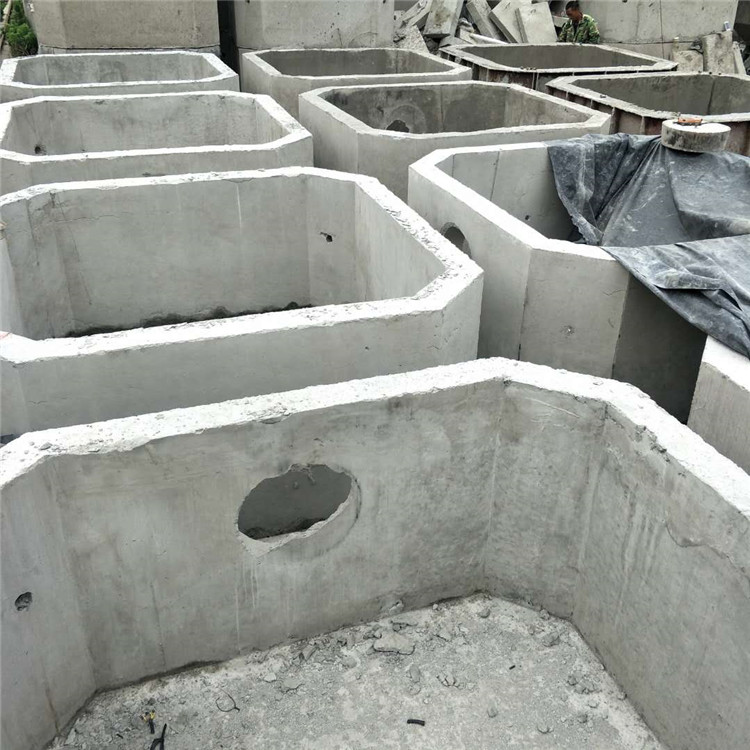
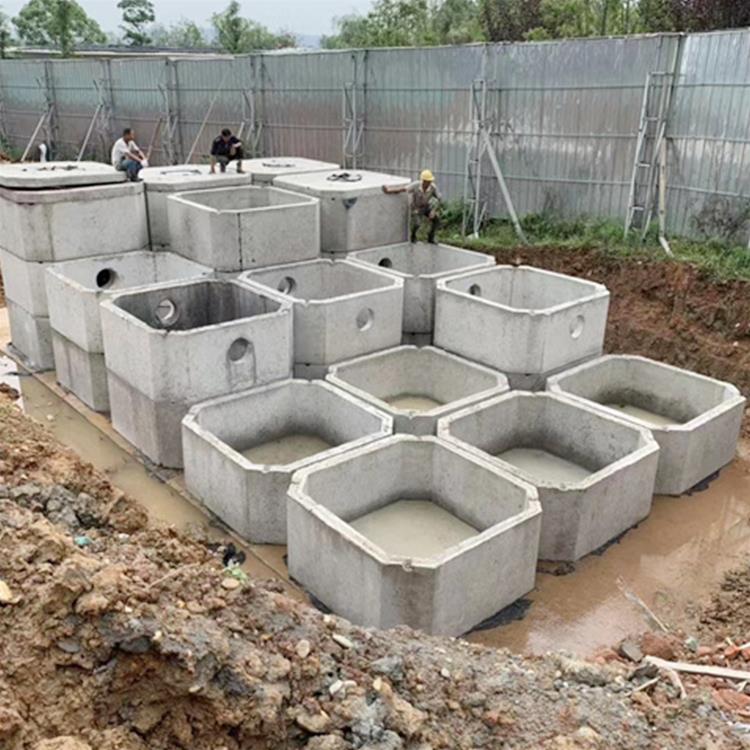
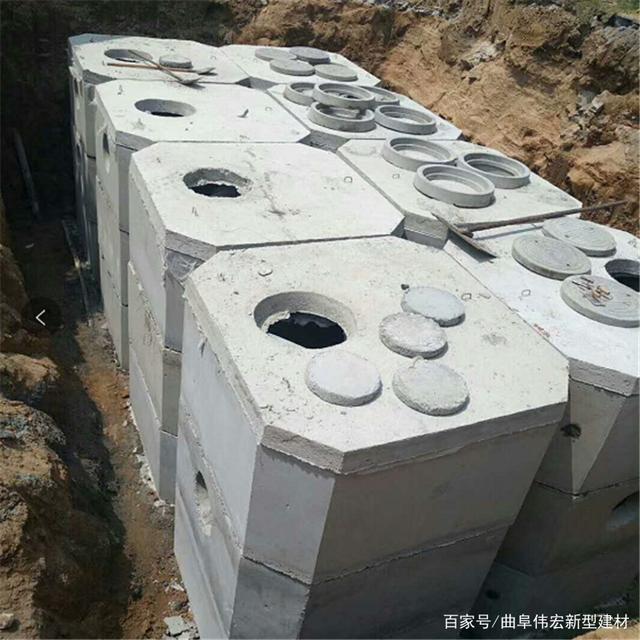
Sewage tanks accumulate sludge at the bottom, with floating sludge on the surface and suspended sludge and wastewater in the middle. The tank is divided into two or three compartments by partition walls, with overflow openings located in the middle of each partition wall. If the tank is not cleaned in a timely manner, when the sludge...
Excess sludge accumulating above the overflow opening can block the hole, leading to a septic tank blockage. Septic tank blockages severely impact users' normal lives and are urgent issues in the application of septic tanks that need to be addressed.
Trends and Development Editor's Broadcast
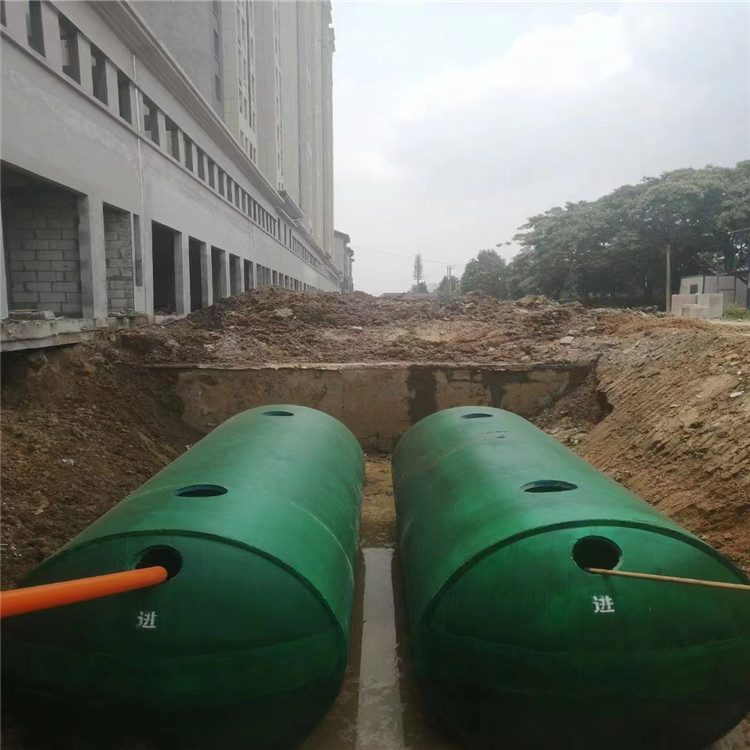
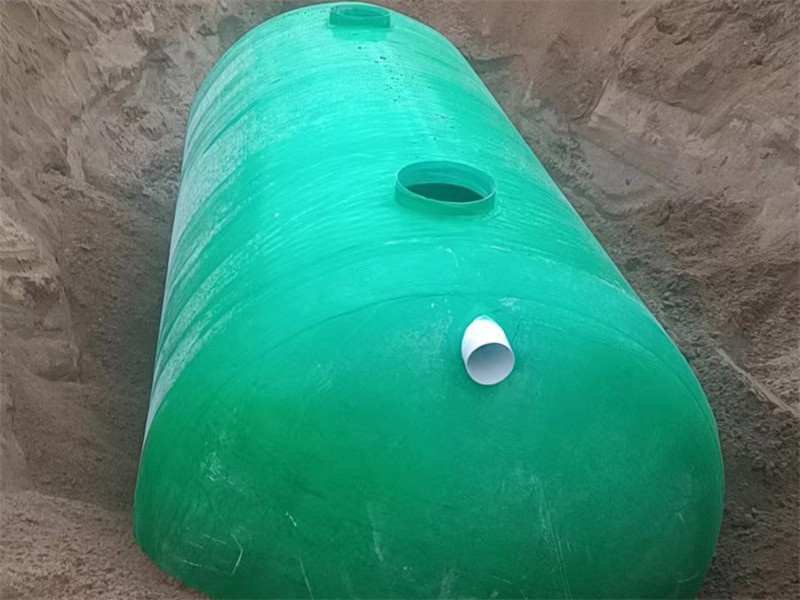
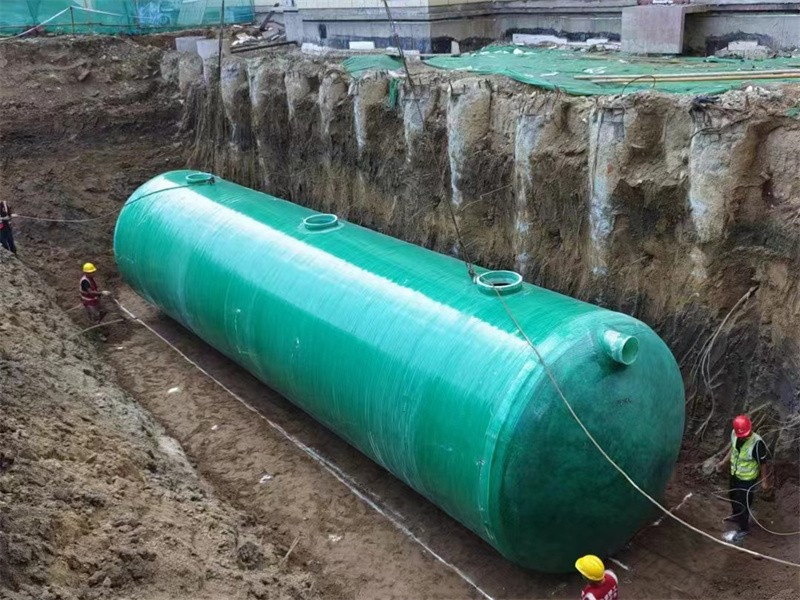
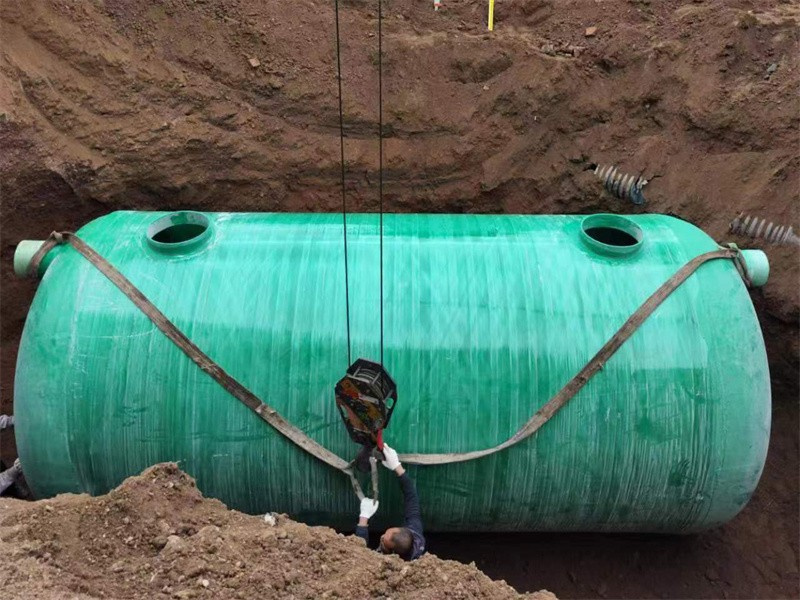
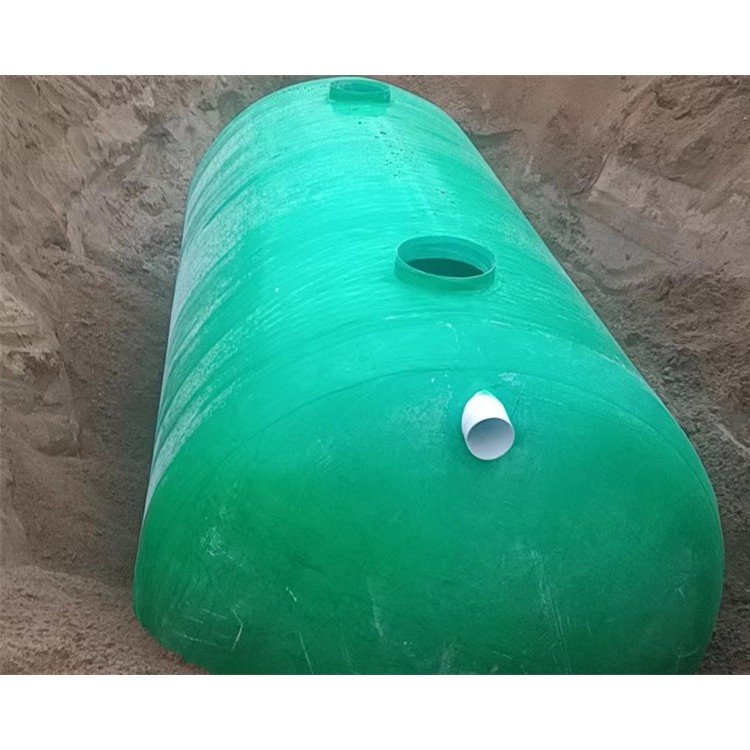
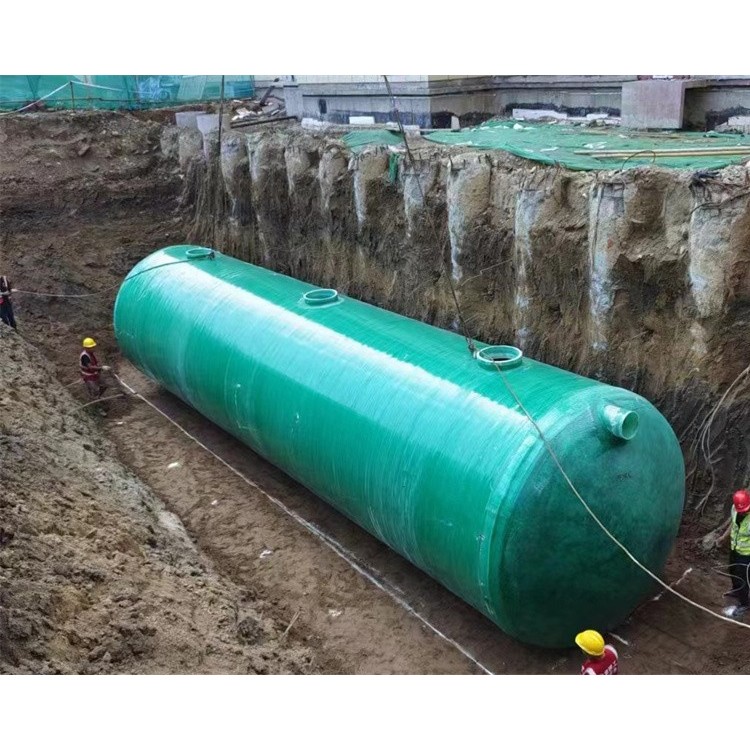
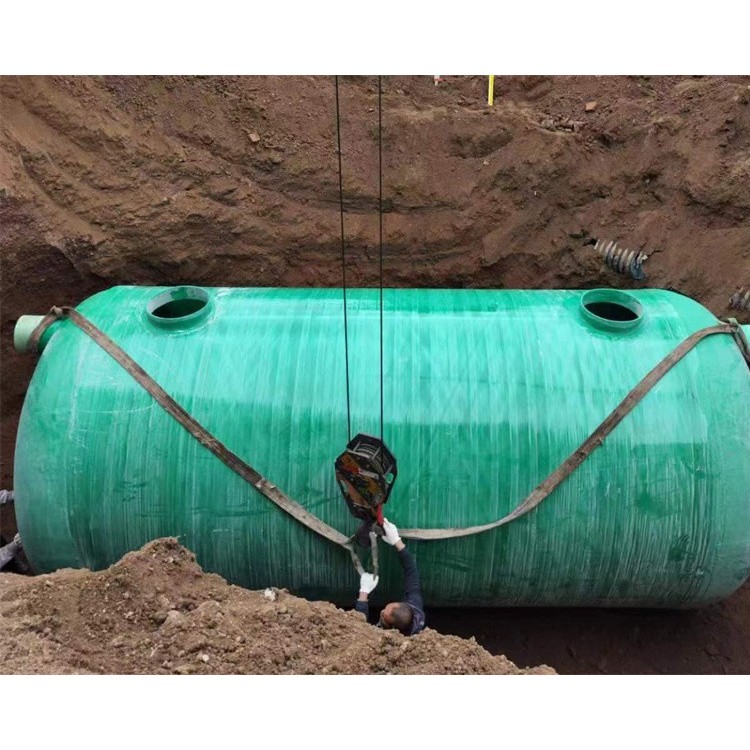
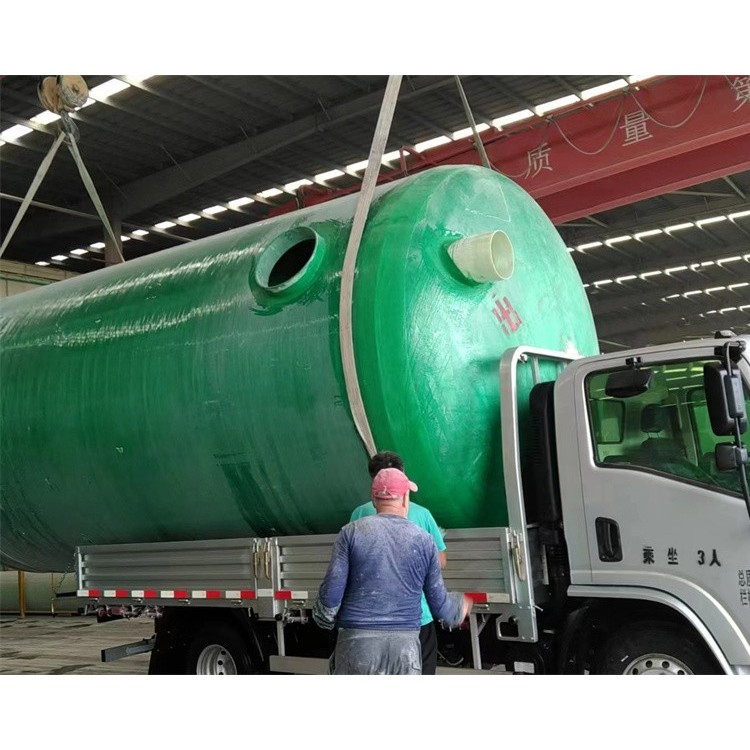
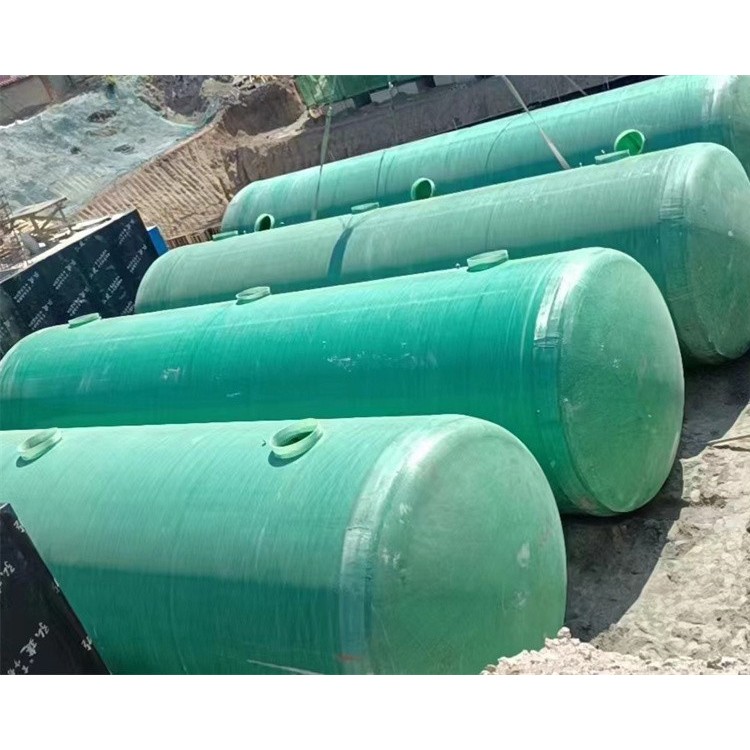
Wastewater pollution from daily life is increasingly severe, and this product, based on the summary of imported foreign domestic wastewater treatment technologies, combined with scientific research achievements and engineering practice, utilizes high polymer composite materials, is produced on a factory scale, and is an efficient, energy-saving, lightweight, and cost-effective domestic wastewater treatment equipment. It successfully replaces...
Traditional brick-and-mortar septic tanks and reinforced concrete septic tanks have been causing ground water pollution and compromising the safety of surrounding buildings due to leakage and poor operating conditions. This product utilizes the gravitational flow of water, requiring no external power or operational costs, thereby saving energy and making management convenient. It offers significant social, environmental, and economic benefits.
Benefit.
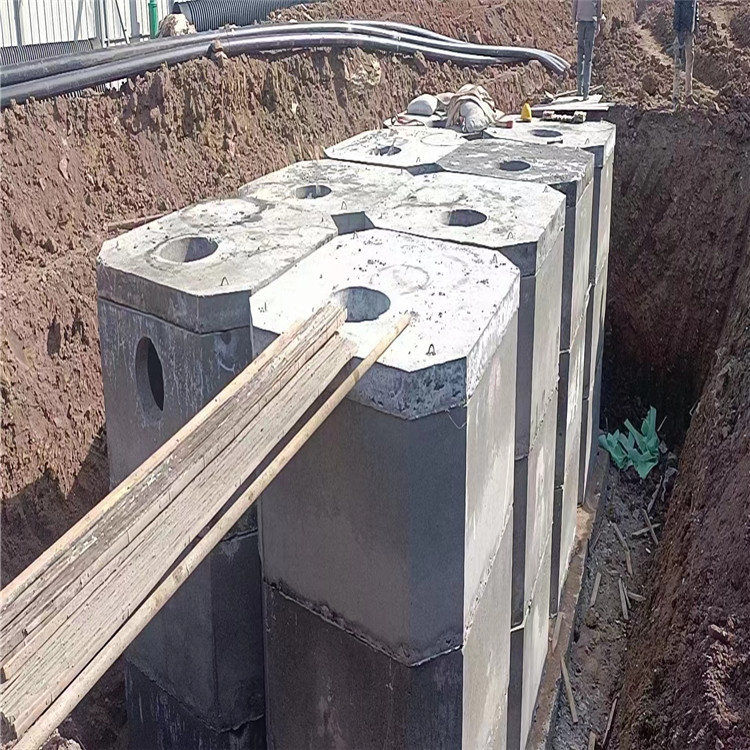
A septic tank is a treatment facility that utilizes sedimentation and anaerobic fermentation principles to remove suspended organic matter from domestic wastewater, categorizing it as a primary transitional treatment structure. Domestic wastewater contains a large amount of feces, paper debris, pathogenic parasites... The concentration of suspended solid particles ranges from 100 to 350 mg/L, and the concentration of organic matter...
COD levels are between 100~400mg/L, with the concentration of suspended organic matter BOD5 ranging from 50~200mg/L. After 12~24 hours of sedimentation in the septic tank, up to 50%~60% of the suspended solids can be removed. The sludge settled out undergoes anaerobic fermentation decomposition for over 3 months, converting organic matter in the sludge into
Stable inorganic matter, easy conversion of raw sludge into stable mature sludge, altering the sludge structure and reducing its moisture content. Regularly remove and transport sludge for landfilling or use as fertilizer. Requirements: The calculated volume of the sedimentation and decomposition sections of the septic tank should be in accordance with the "Design Specifications for Building Water Supply and Drainage."
The "Code for Design of Urban Wastewater Treatment Plants" (GB50015-2003) Article 4.8.4 to 4.8.7 determines that the retention time of wastewater in the septic tank should be between 12 to 36 hours. For wastewater treatment systems without sludge disposal, the volume of the septic tank should also include the storage volume for sludge.