






The function of a septic tank
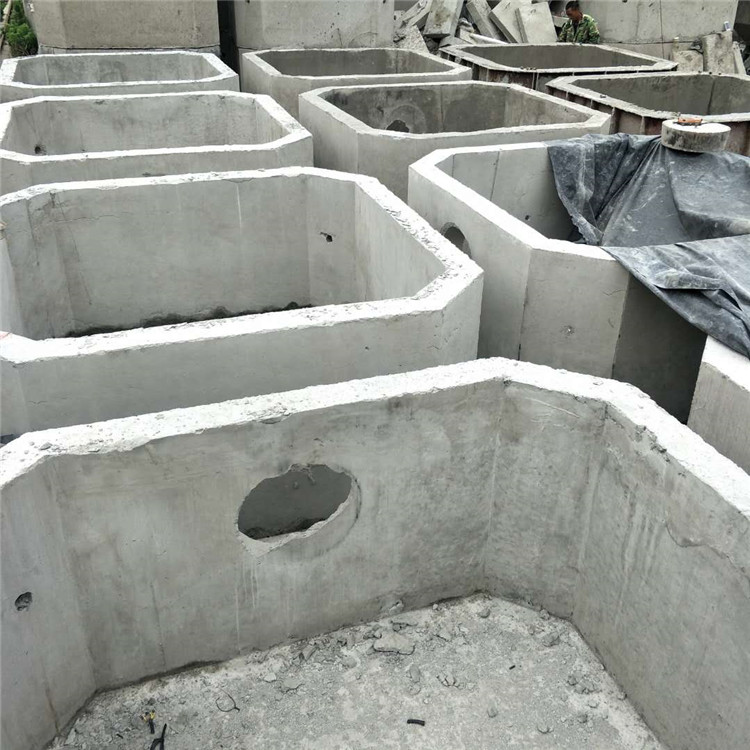
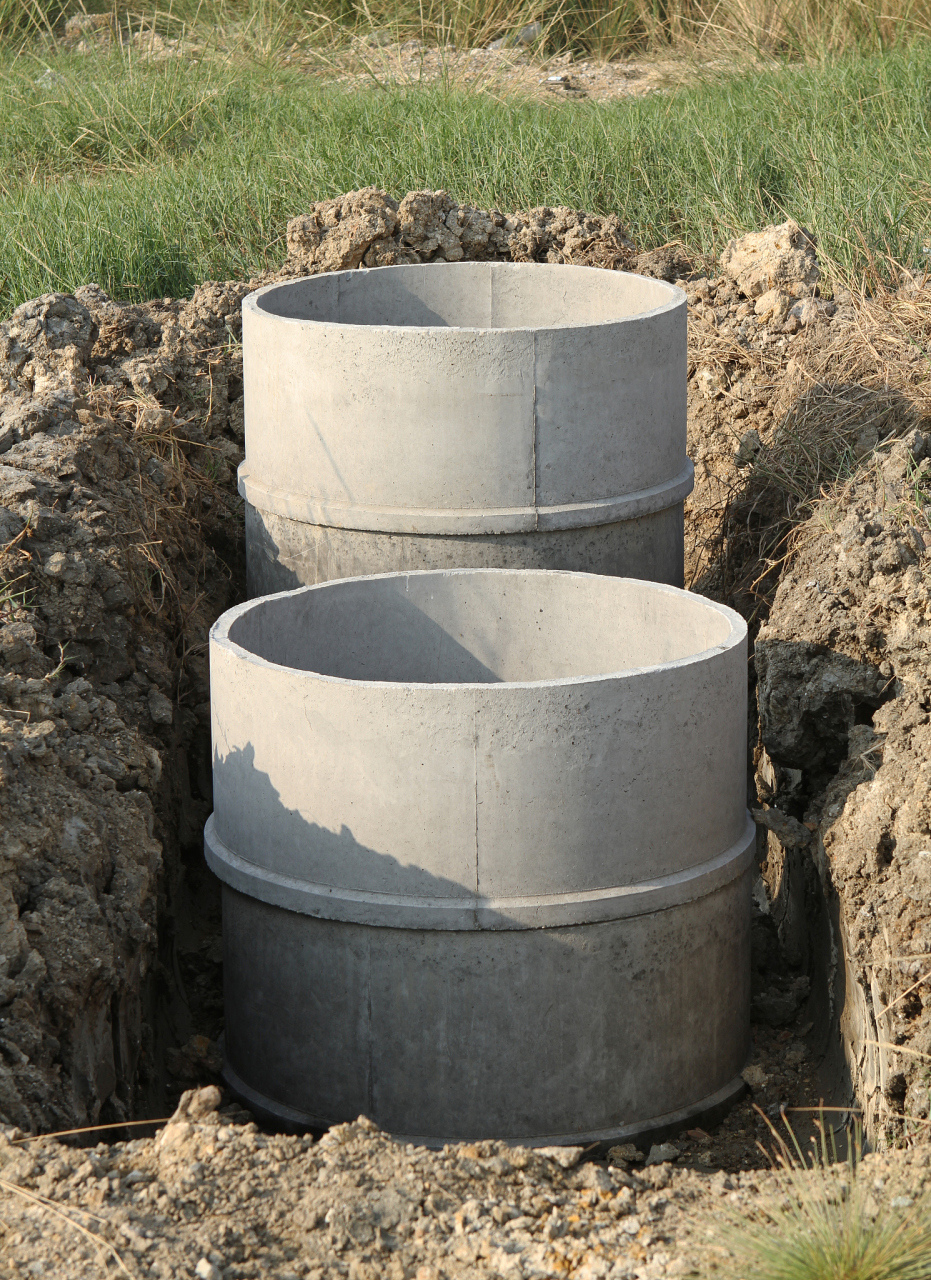
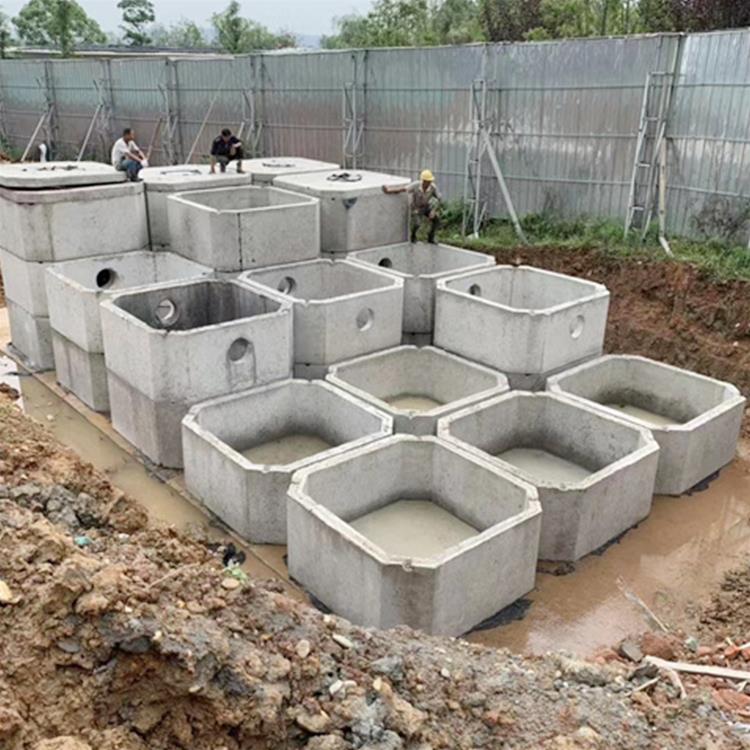
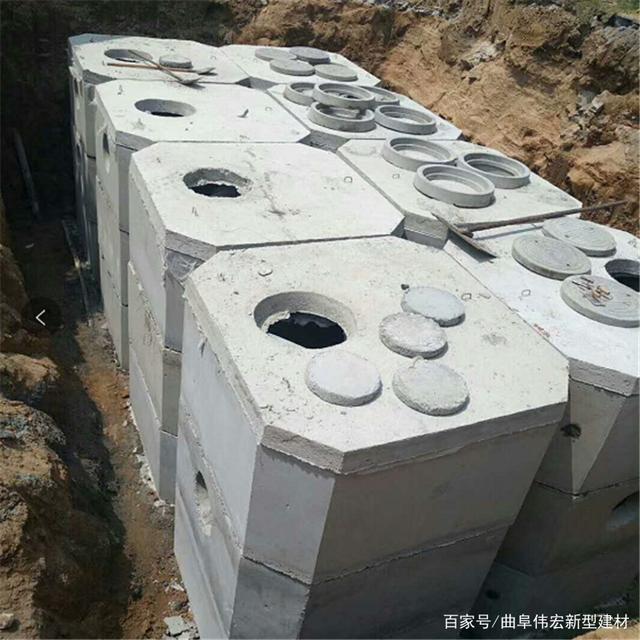
Septic tanks are basic sludge treatment facilities and also pre-treatment facilities for domestic wastewater, their functions include:
1. Ensure the environmental hygiene in residential communities, preventing the spread of domestic wastewater and pollutants in living environments.
2. Eliminate mosquito and fly eggs in the anaerobic digestion environment of septic tanks.
3. Temporary storage of sludge, anaerobic digestion of organic sludge, matured organic sludge can be used as agricultural fertilizer.
4. Preliminary treatment of domestic wastewater (primary treatment), sedimentation of impurities, and hydrolysis of large molecular organic matter into smaller organic molecules like acids and alcohols, to improve subsequent wastewater treatment.

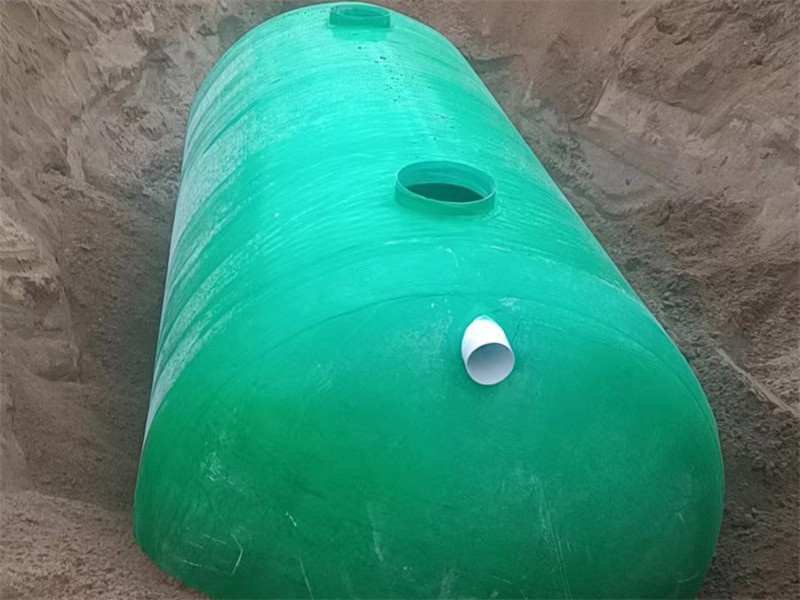
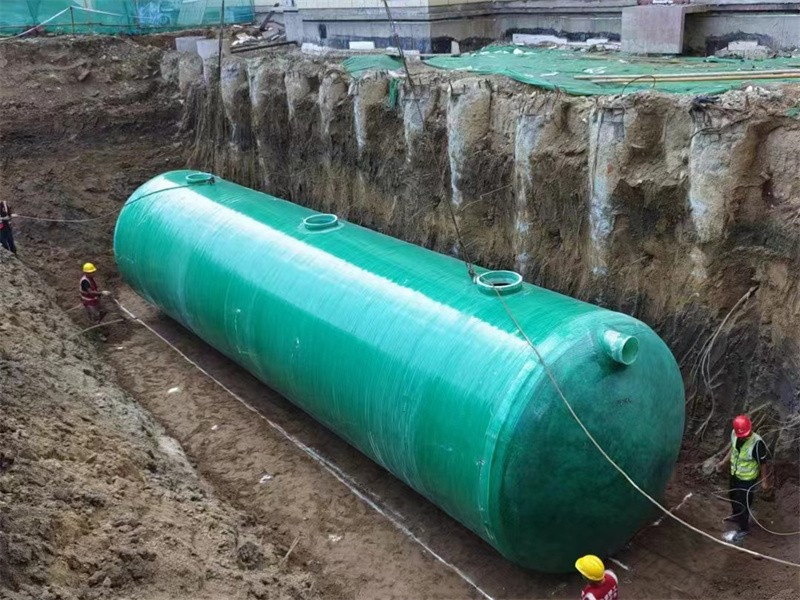
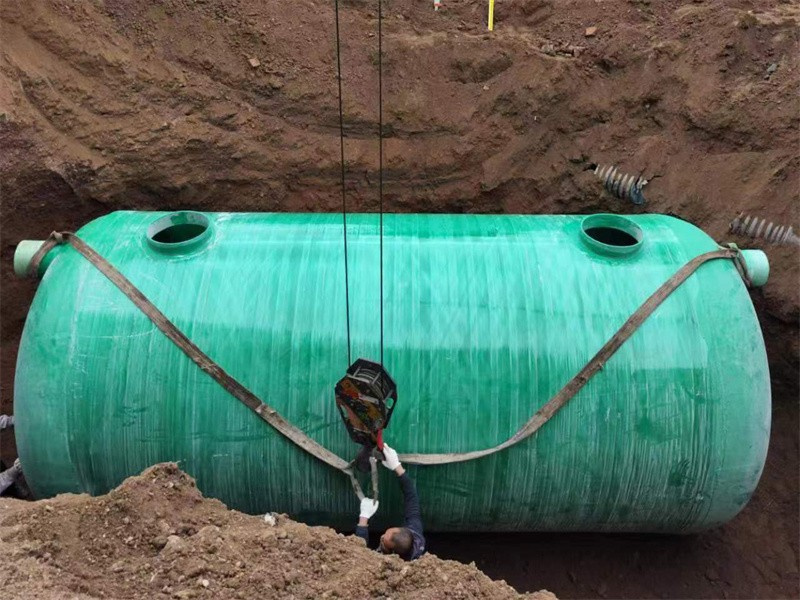
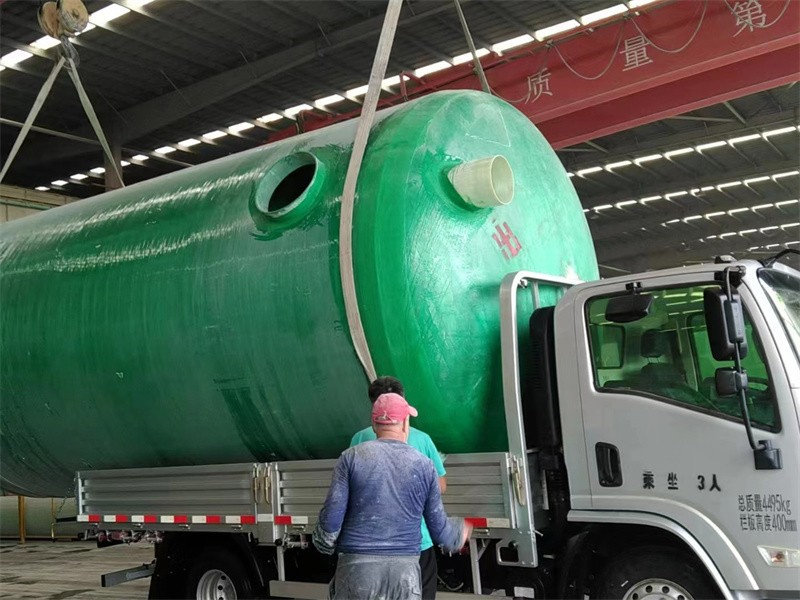
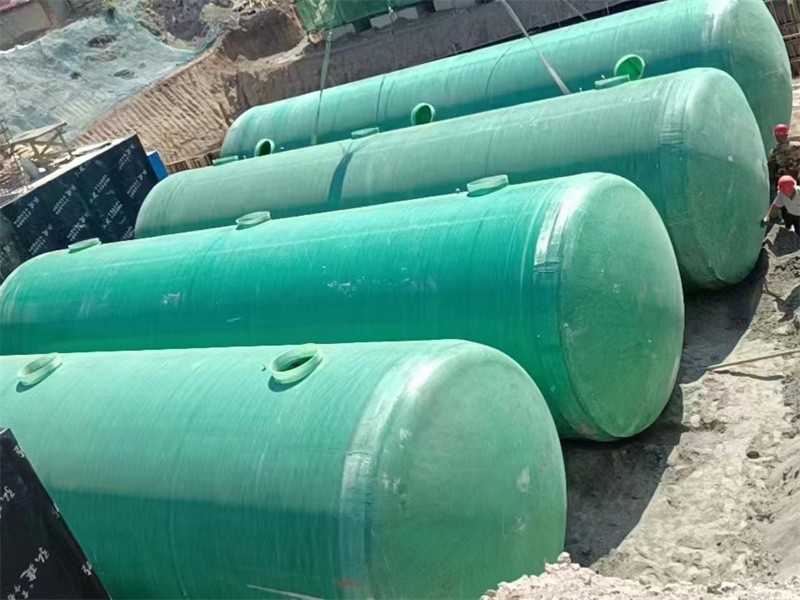
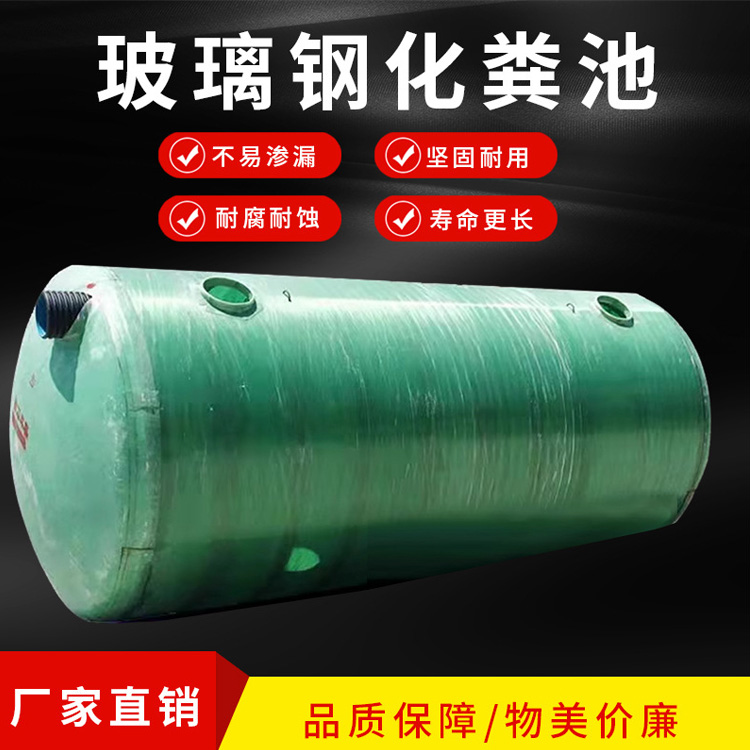
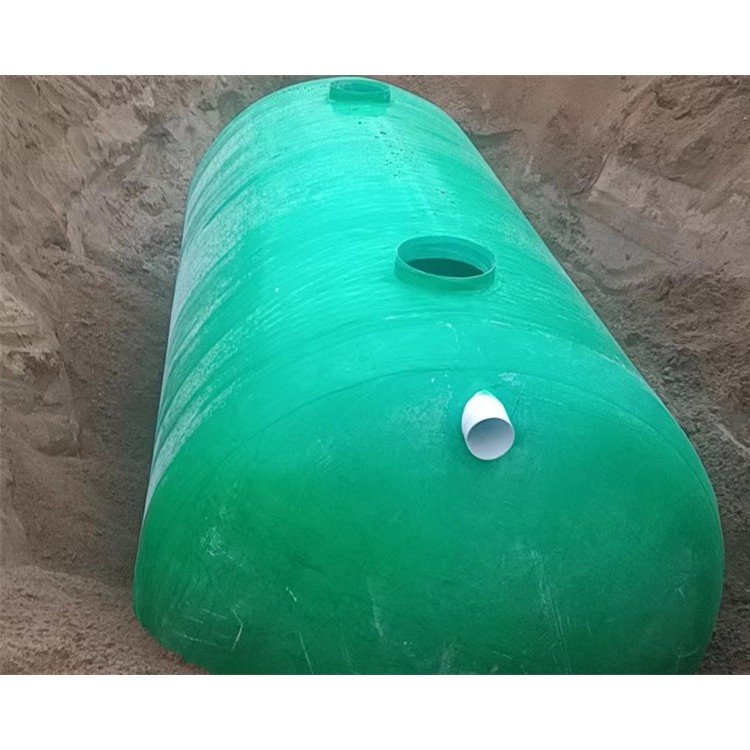
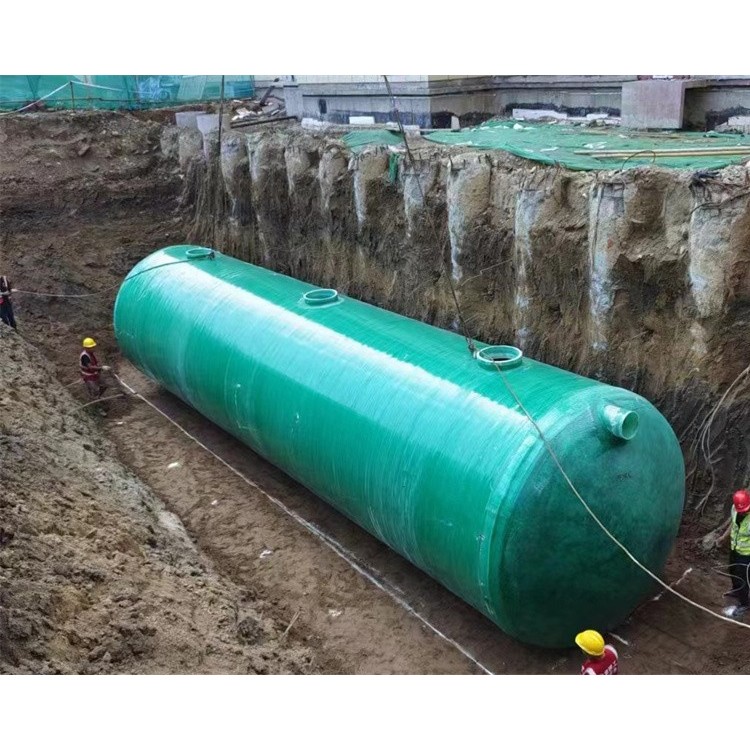
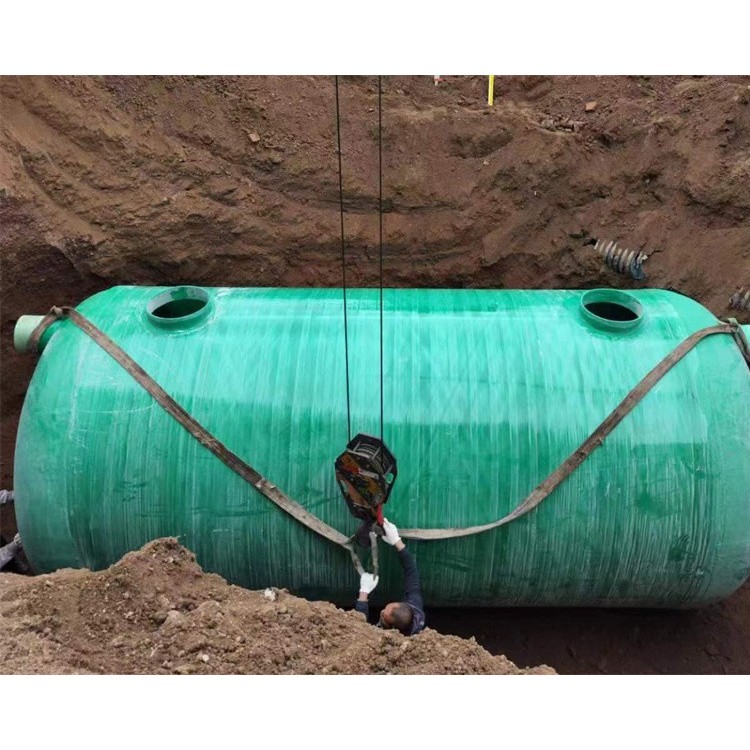
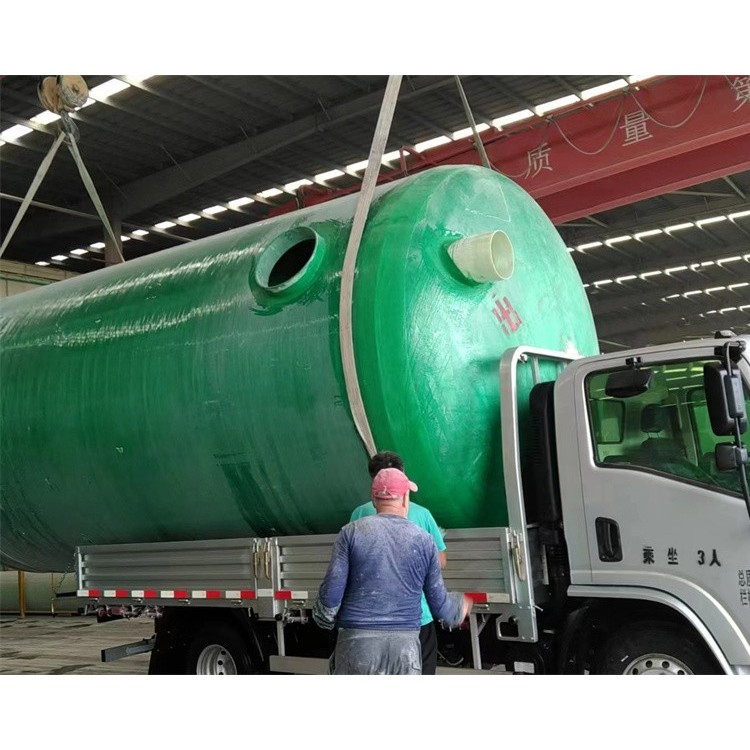
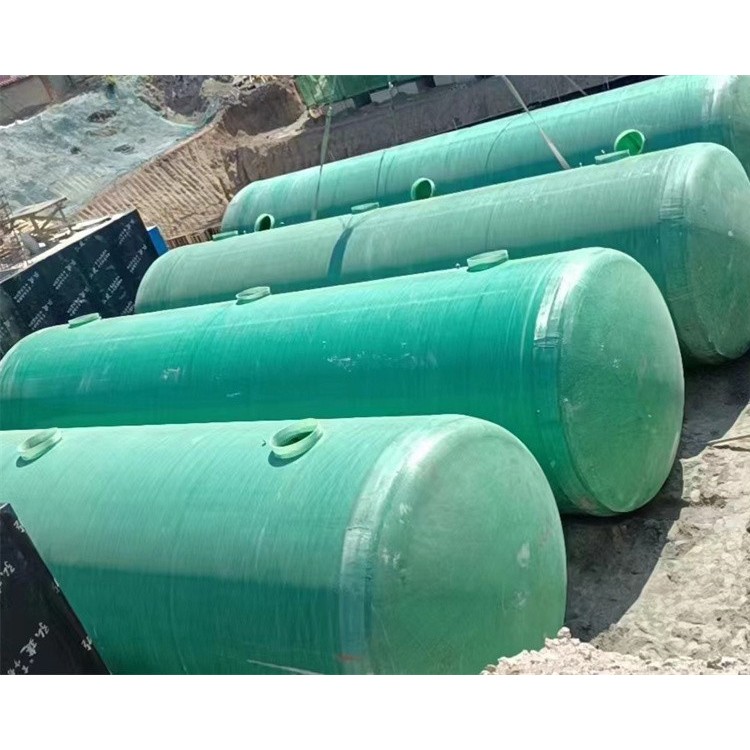
Septic tanks are treatment equipment that utilizes sedimentation and anaerobic fermentation principles to remove suspended organic matter from domestic wastewater. The corrugated fiberglass septic tank is internally equipped with baffles, with the holes on the baffles misaligned vertically, preventing short circuits, and dividing the entire tank into three sections: the primary anaerobic chamber, the secondary anaerobic chamber, and the clarification section.
Rooms, the first and second-grade anaerobic rooms are connected at the bottom, and "MDS Special Type Filler" is added internally. This separation reduces the contact time between wastewater and sludge, ensuring that the acidic fermentation and alkaline fermentation processes do not interfere with each other. Additionally, the presence of the filler increases the contact surface area between wastewater and sludge, greatly
Enhanced response efficiency.