






Wastewater sludge disposal issue
According to the technical standards for septic tanks, the sludge removal time for septic tanks is generally 90 days, 180 days, or 360 days. [3] The sludge removed can be used as organic fertilizer or disposed of in a harmless manner. However, with the widespread use of chemical fertilizers and societal development, the use of fecal fertilizer has been decreasing.
At the same time, our country's sludge disposal industry is significantly lagging behind, with inadequate treatment of faecal sludge for harmless disposal. With a population of 1.36 billion, China generates over 100 million tons of faecal sludge annually. According to statistics data, only 8.014 million tons of faecal sludge were treated harmlessly in 2012. The large-scale cleaning and transfer of faecal sludge has caused secondary...
Pollution. Therefore, if the problem of harmless disposal of septic tank sludge cannot be resolved, the sludge will become a source of water pollution. The septic tank issue is an environmental problem related to the effectiveness of water pollution control. [2] [3]
Septic tank blockage issue
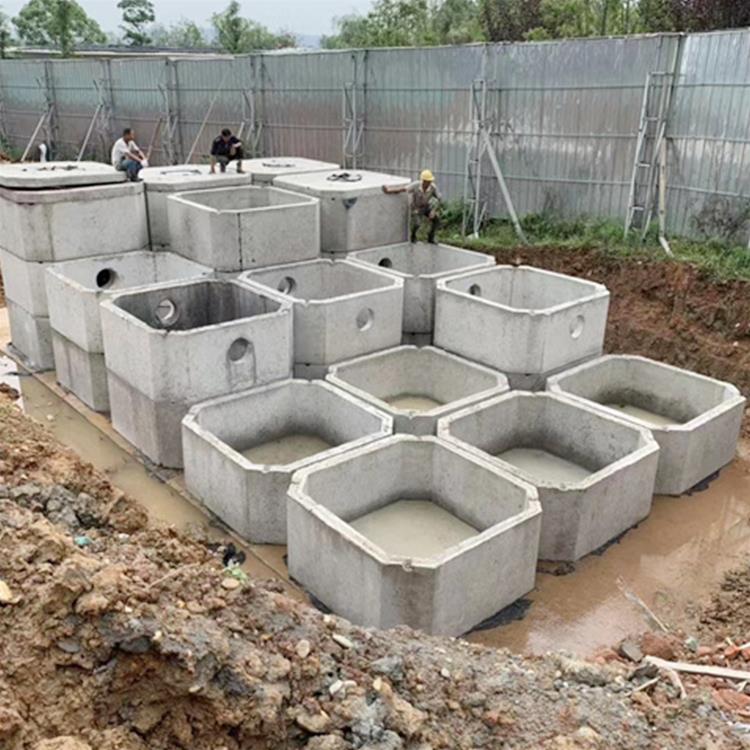
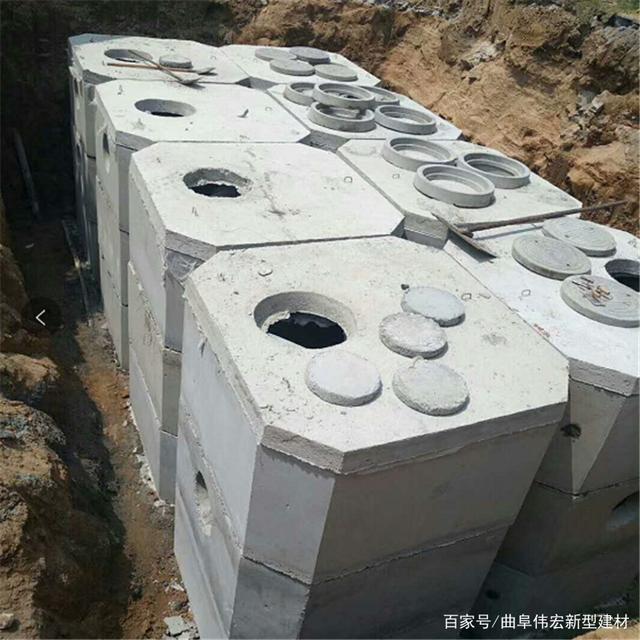
Sewage treatment tank sedimentation: The bottom layer consists of settled sludge, the surface layer is floating sludge, and the middle layer contains suspended sludge and wastewater. The tank is divided into two or three compartments by partition walls, with the overflow openings located in the middle of the partition walls. If the tank is not cleaned in a timely manner, when the sedimentation...
Sediment buildup exceeding the height of the overflow hole can block the opening, leading to a septic tank blockage. Septic tank blockages significantly disrupt normal user life and are urgent application issues for septic tanks.
Trends in Development - Report
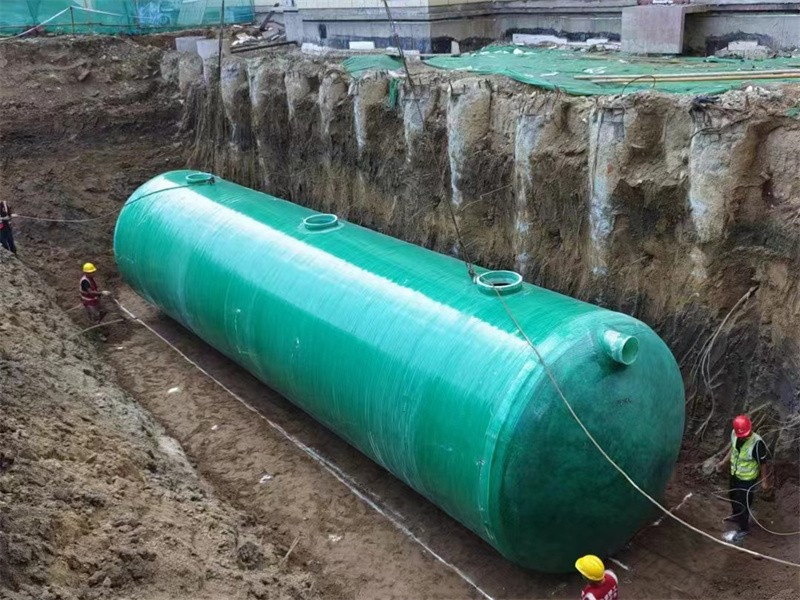
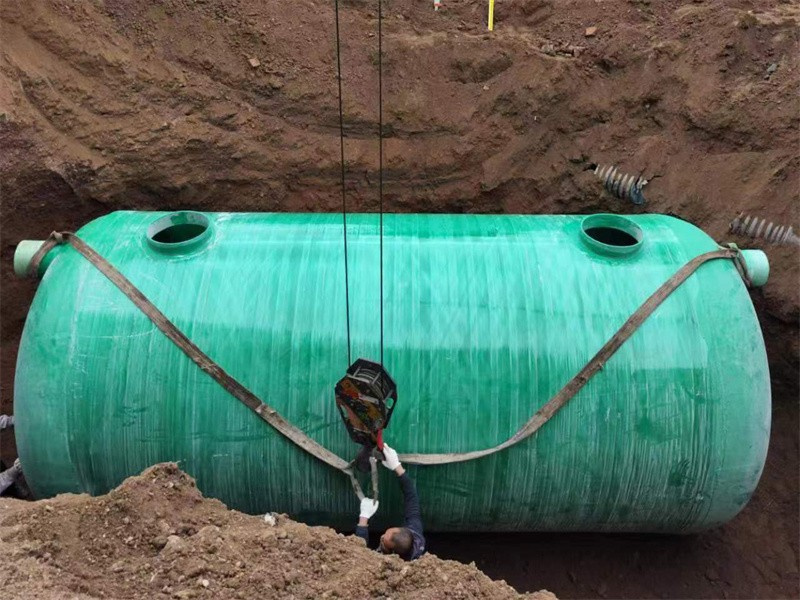
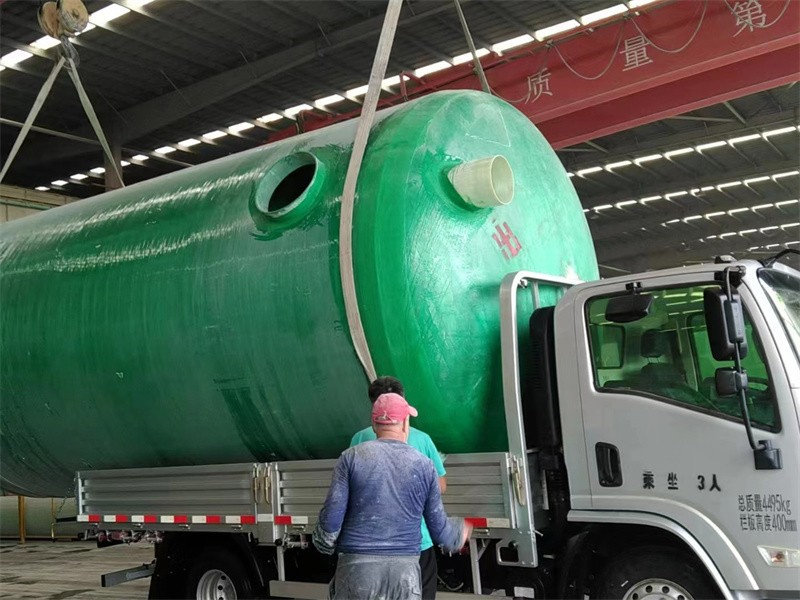
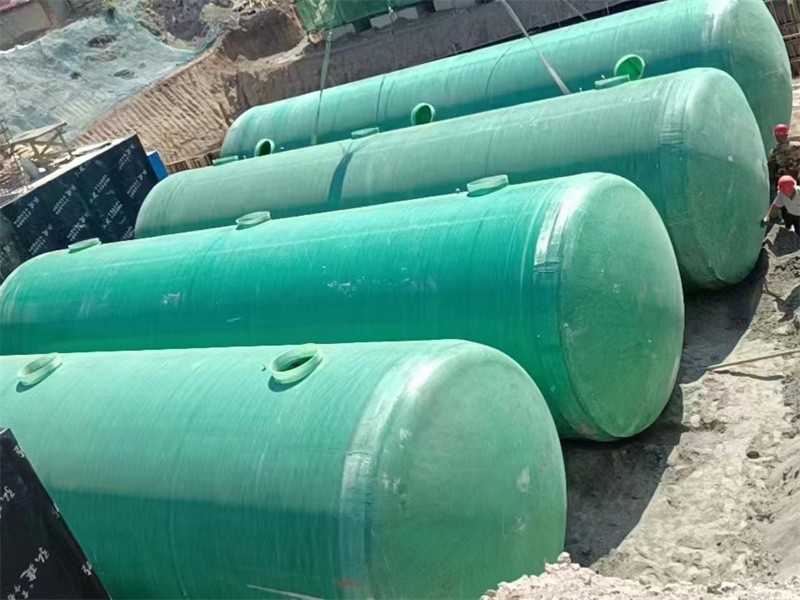
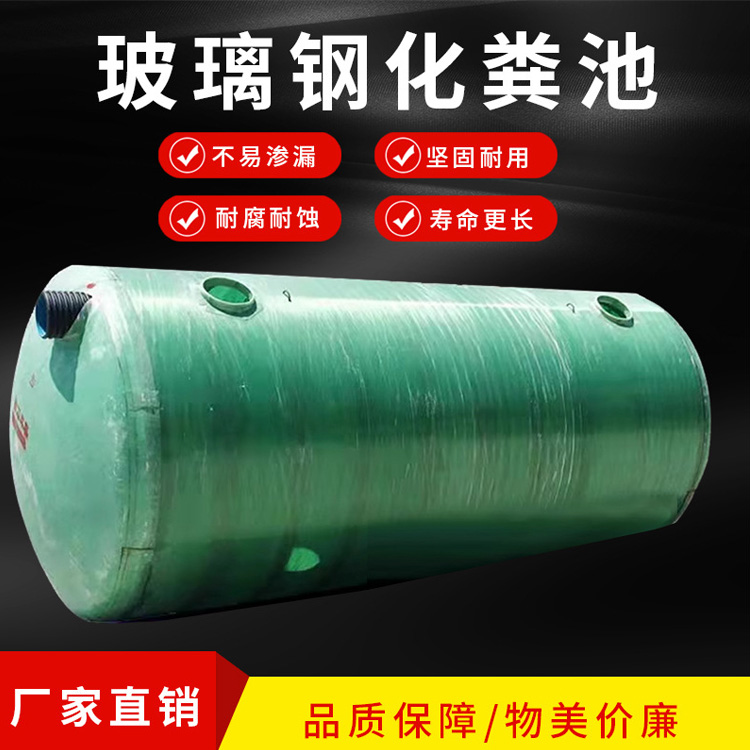
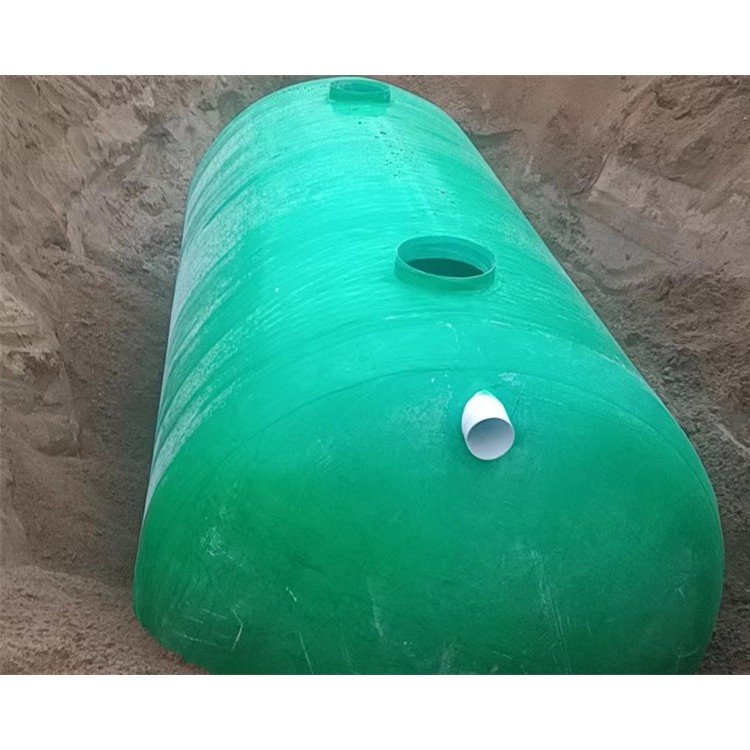
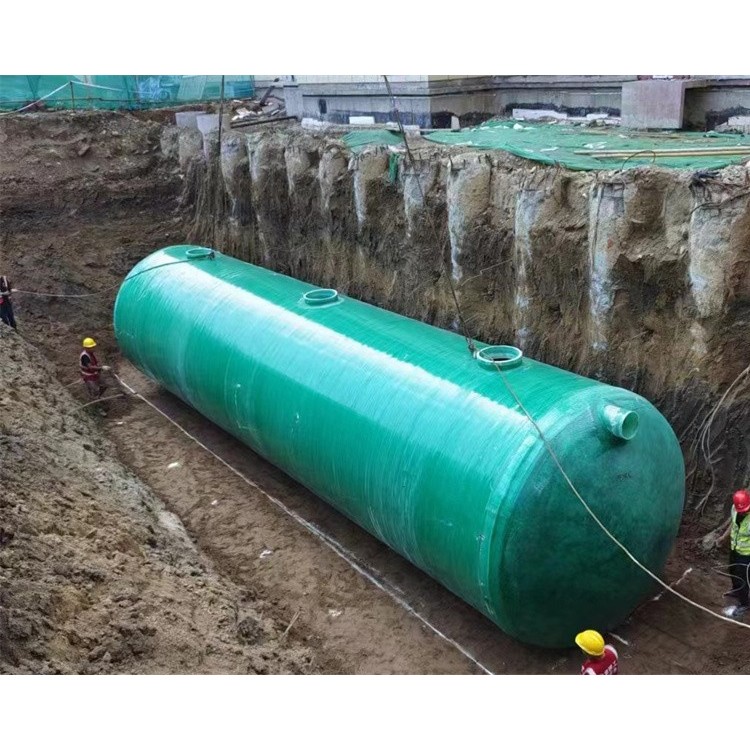
The pollution caused by domestic wastewater in daily life is increasingly severe. This product, based on the summary of imported foreign domestic wastewater treatment technologies, combines scientific research achievements and engineering practices. Utilizing high polymer composite materials and factory production, it is an energy-saving, lightweight, and cost-effective domestic wastewater treatment equipment. It has successfully replaced...
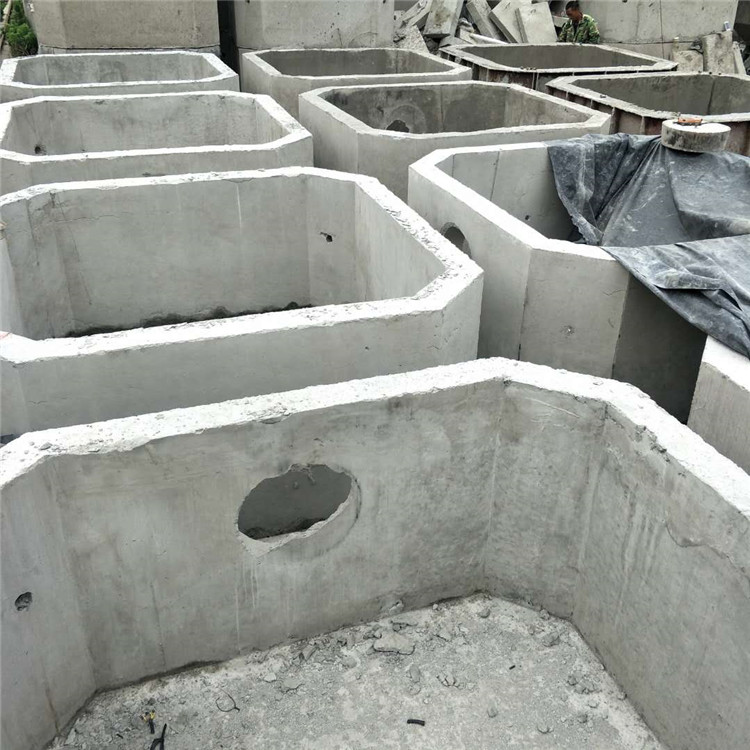
Traditional brick and reinforced concrete septic tanks have caused underground water pollution and compromised the safety of surrounding buildings due to leakage and poor operational conditions. This product utilizes the gravitational flow of water, requiring no external power or operational costs, thereby saving energy and offering convenient management. It boasts excellent social, environmental, and economic benefits.
Benefit.

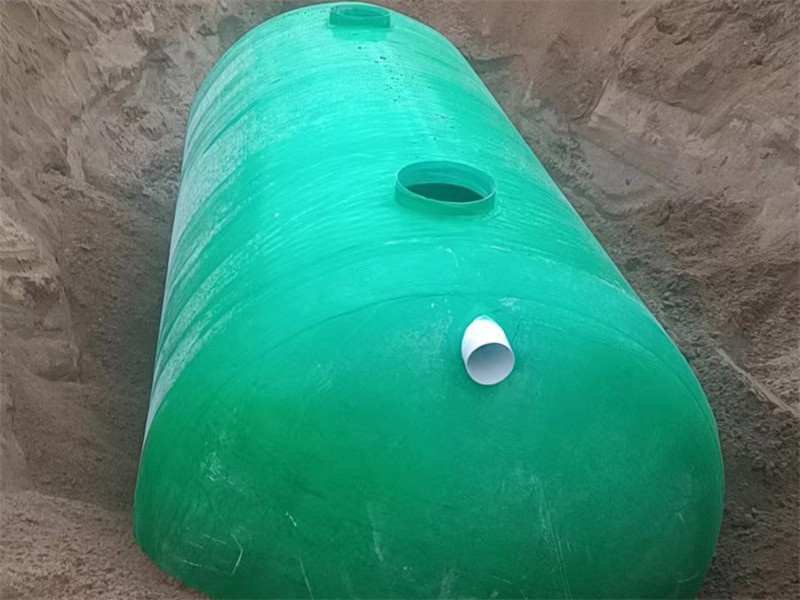
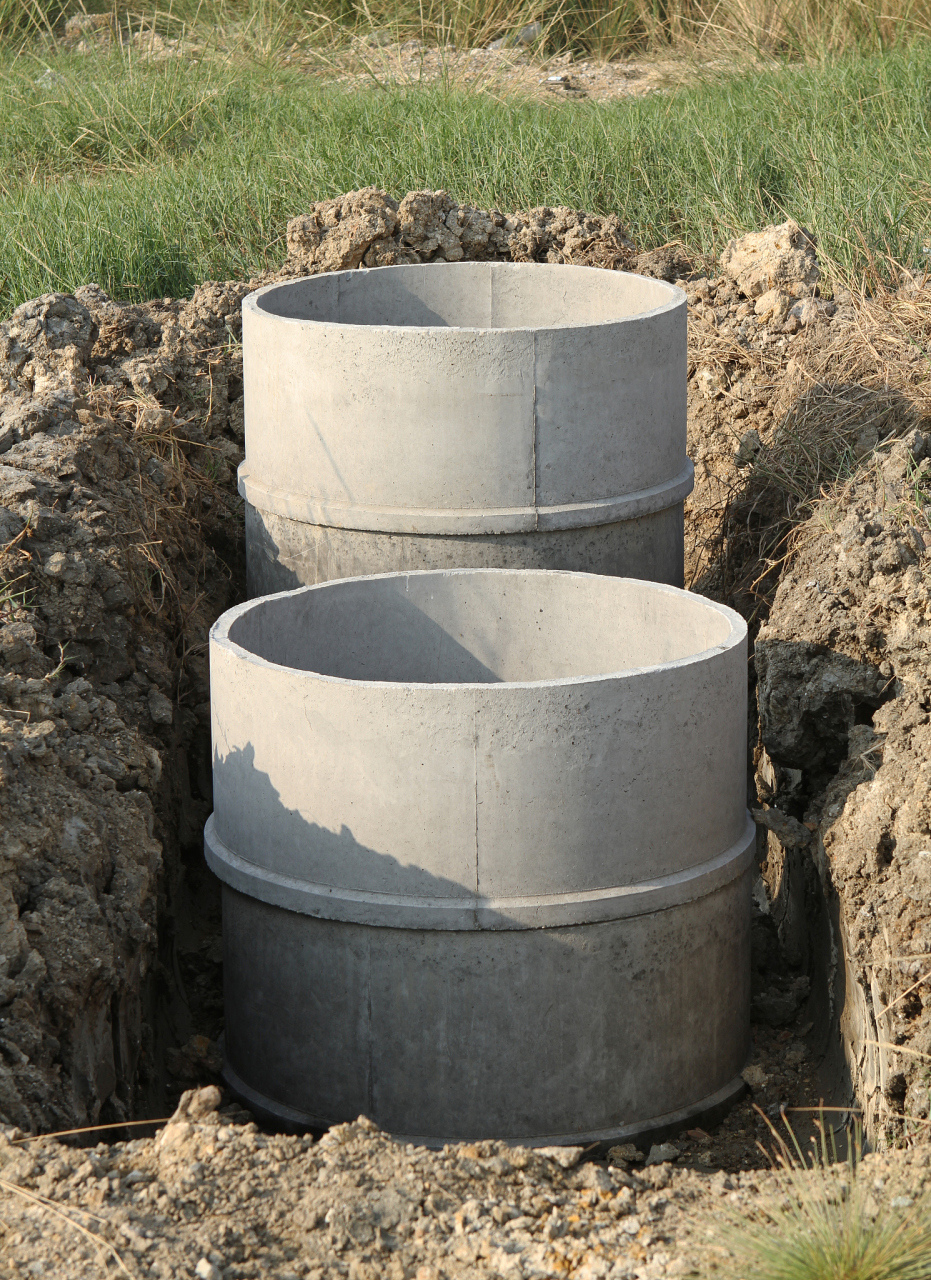
A septic tank is a device for treating feces and filtering out sediment. Its principle is that solid matter decomposes at the bottom of the tank, while the water-soluble substances rise to the top and flow into the pipes, preventing blockages. This allows sufficient time for the solid matter (such as feces and garbage) to hydrolyze. Septic tank
A small treatment facility that segregates and sediment domestic wastewater, and anaerobically digests sludge.