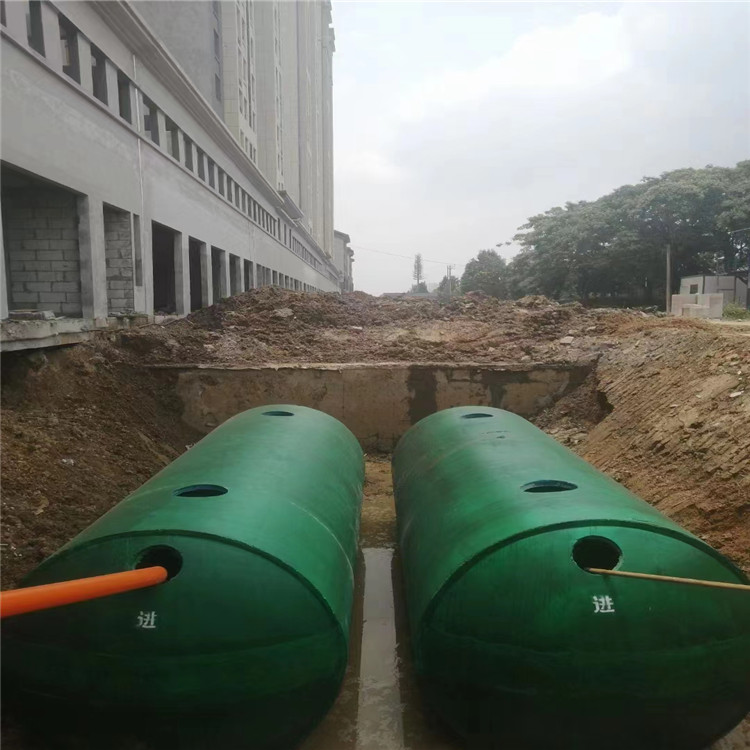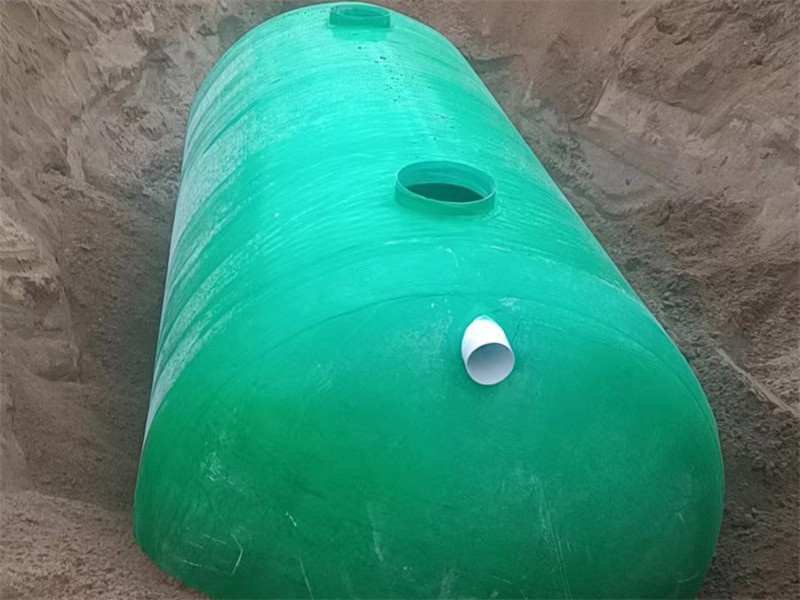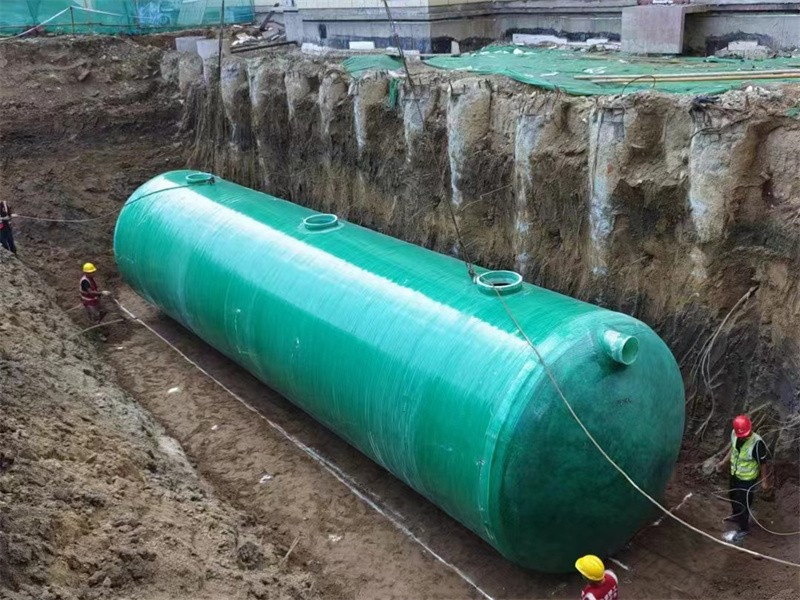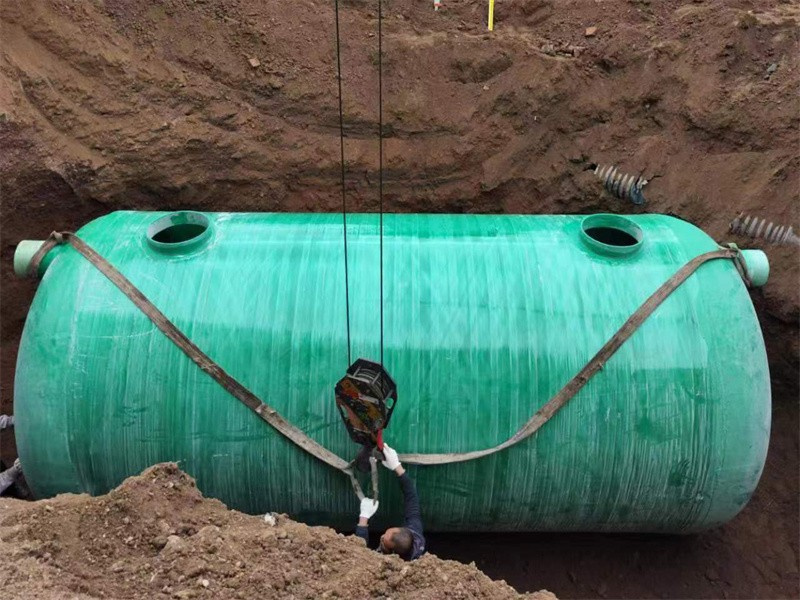







Mud and water mixture
Traditional septic tanks have a history of over a century. Their technological approach involves the contact between wastewater and sludge. The deposited sludge undergoes digestion and degradation to produce biogas, carbon dioxide, and other digestate gases. The buoyant action of the digestate gases creates disturbance in the sludge, allowing for the mixing of sludge with
The mixed biofilm is more thorough, aiding in digestion and degradation. However, the bottom sludge rises with the digesting gas, only to settle back down after the bubbles escape. This cyclic rising and settling of sludge re-pollutes the wastewater.
In the technical mode where septic tank sewage and sludge come into contact and mix, the sedimentation and effluent water quality of the septic tank are affected. To improve the sedimentation effect and effluent water quality, the residence time of the sewage needs to be extended, typically ranging from 12 to 24 hours.
Three-phase separation
The Three-Phase Separation Septic Tank Technology is an advancement on traditional septic tanks, retaining the benefits of the mixed sludge and water in the septic tank, and incorporating a technology for the separation of "wastewater, sludge, and digestate gases" into three phases. It features a three-phase separation unit at the outlet end of the septic tank, allowing for the separation of sludge and digestate gases from the wastewater treatment process.
Avoid the interference of air floatation phenomena on wastewater treatment. The sedimentation tank at the effluent end adheres to the technical standards of the horizontal sedimentation pool, with a wastewater sedimentation time of 2 hours or less.
Technical Comparison
The septic tank's volume is composed of wastewater and sludge compartments. In a three-phase separation septic tank, the wastewater retention time is 4-6 hours, compared to 12-24 hours in a sludge-water mixed septic tank. By reducing the wastewater retention time, the effective volume is saved, which allows for storing more wastewater.
Mud.
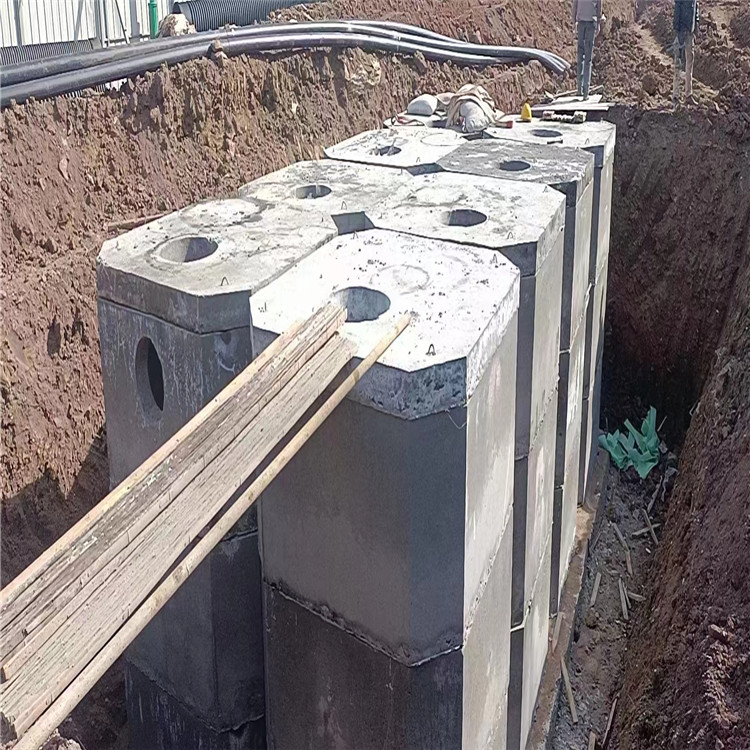
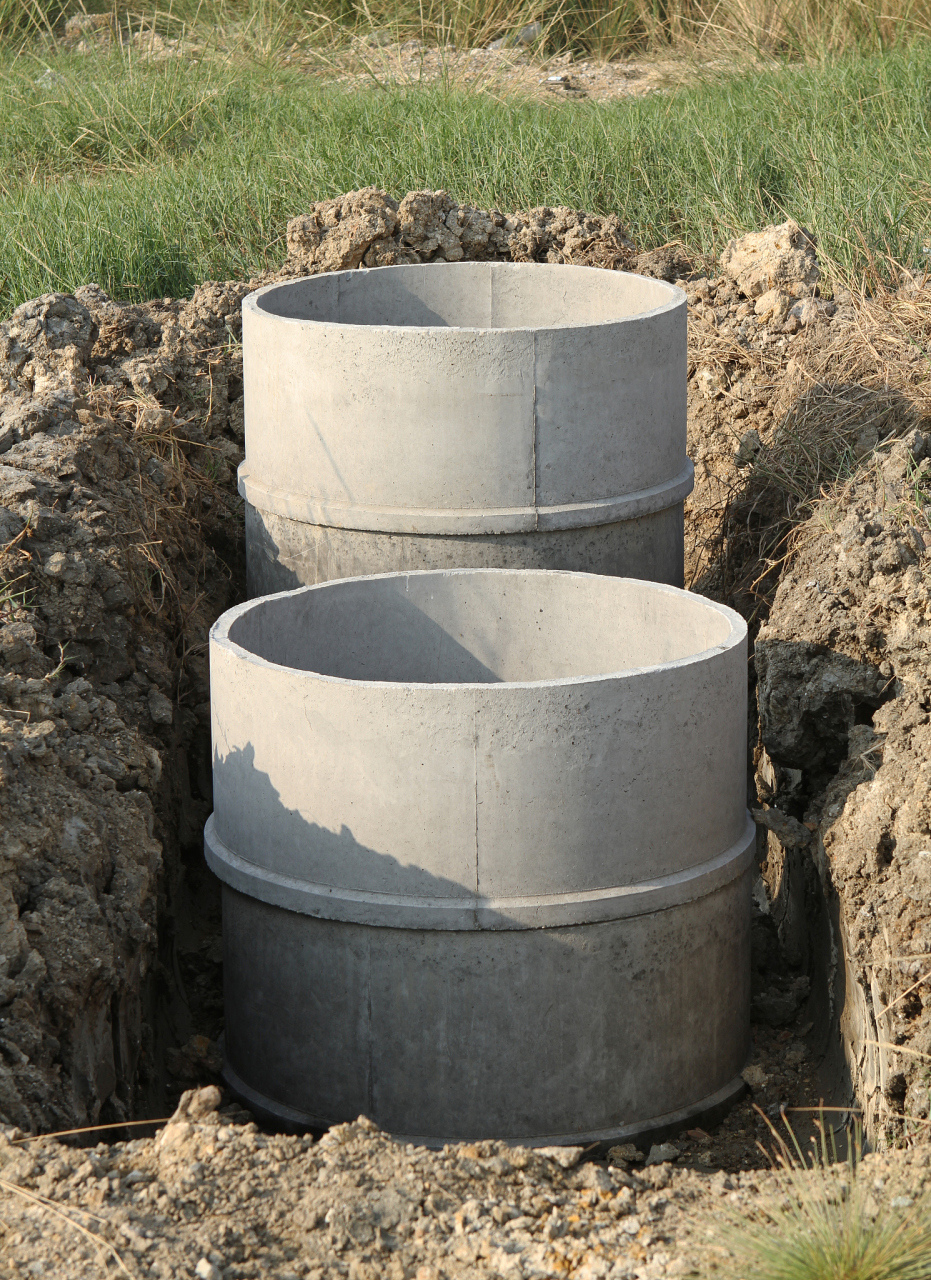
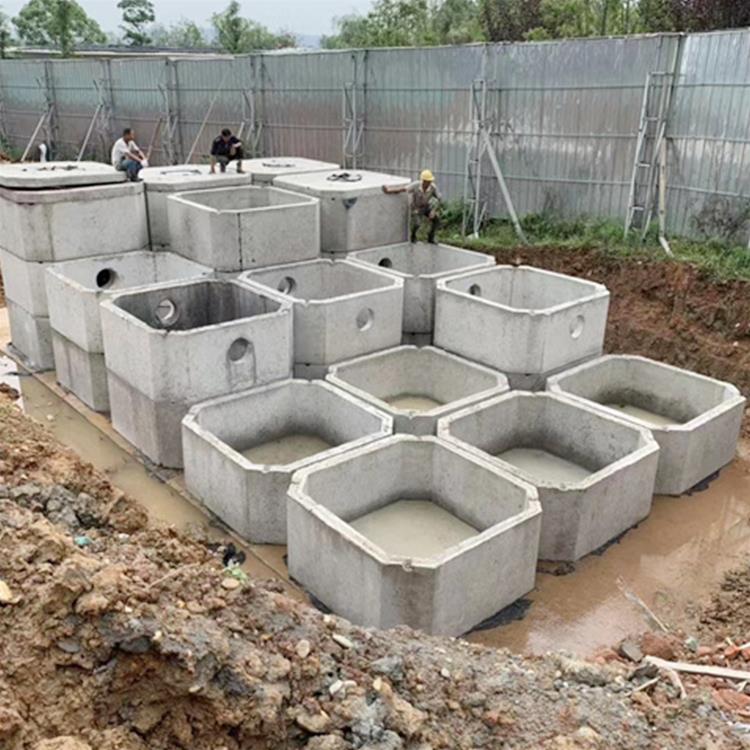
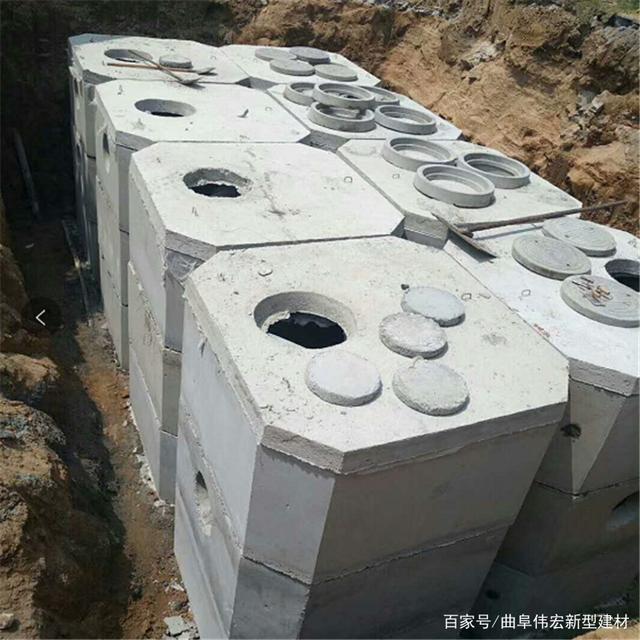
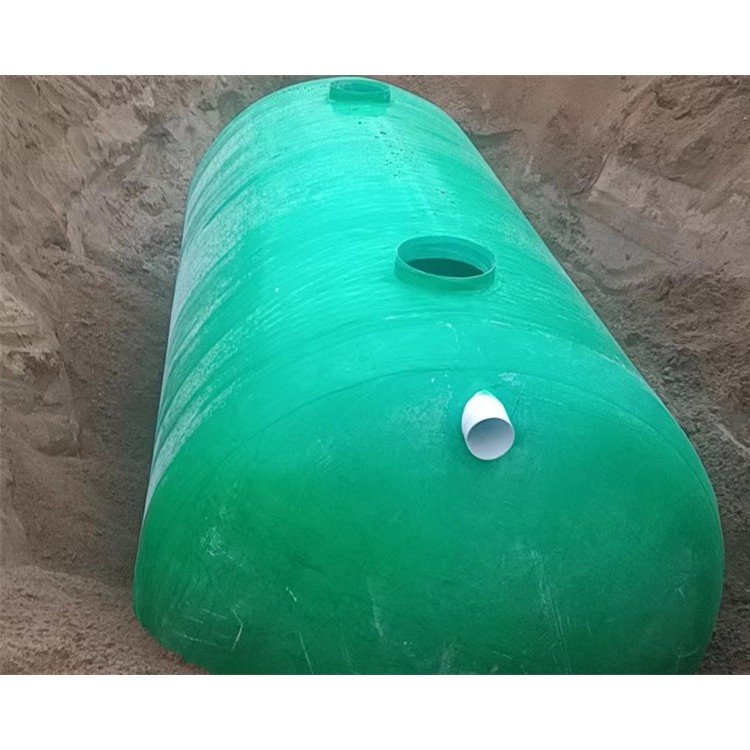
A septic tank is a treatment facility that utilizes sedimentation and anaerobic fermentation principles to remove suspended organic matter from domestic wastewater, classified as a primary transitional treatment structure. Domestic wastewater contains a large amount of feces, paper fragments, pathogenic parasites... The concentration of suspended solids ranges from 100 to 350 mg/L, and the concentration of organic matter...
COD levels are between 100~400mg/L, with the concentration of suspended organic matter (BOD5) ranging from 50~200mg/L. Sewage entering the septic tank undergoes 12~24 hours of sedimentation, which can remove 50%~60% of suspended solids. The sludge that settles down is decomposed through anaerobic fermentation for more than 3 months, converting the organic matter in the sludge into
Stable inorganic matter, easily converts raw sludge into stable mature sludge, altering the sludge structure and reducing its moisture content. Regularly remove and transport sludge for landfilling or use as fertilizer. Requirements: The calculation volume of the sedimentation and decomposition sections of the septic tank should be in accordance with the "Design Specifications for Building Water Supply and Drainage."
The "Code for Design of Buildings" (GB50015-2003) Article 4.8.4 to 4.8.7 determines that the retention time of wastewater in the septic tank should be between 12 to 36 hours. For wastewater treatment systems without sludge disposal, the volume of the septic tank should also include the storage volume for sludge.